
Major U.S. publisher bans fur across all its titles
Hearst joins Condé Nast and major fashion weeks as fur rapidly disappears from mainstream fashion.
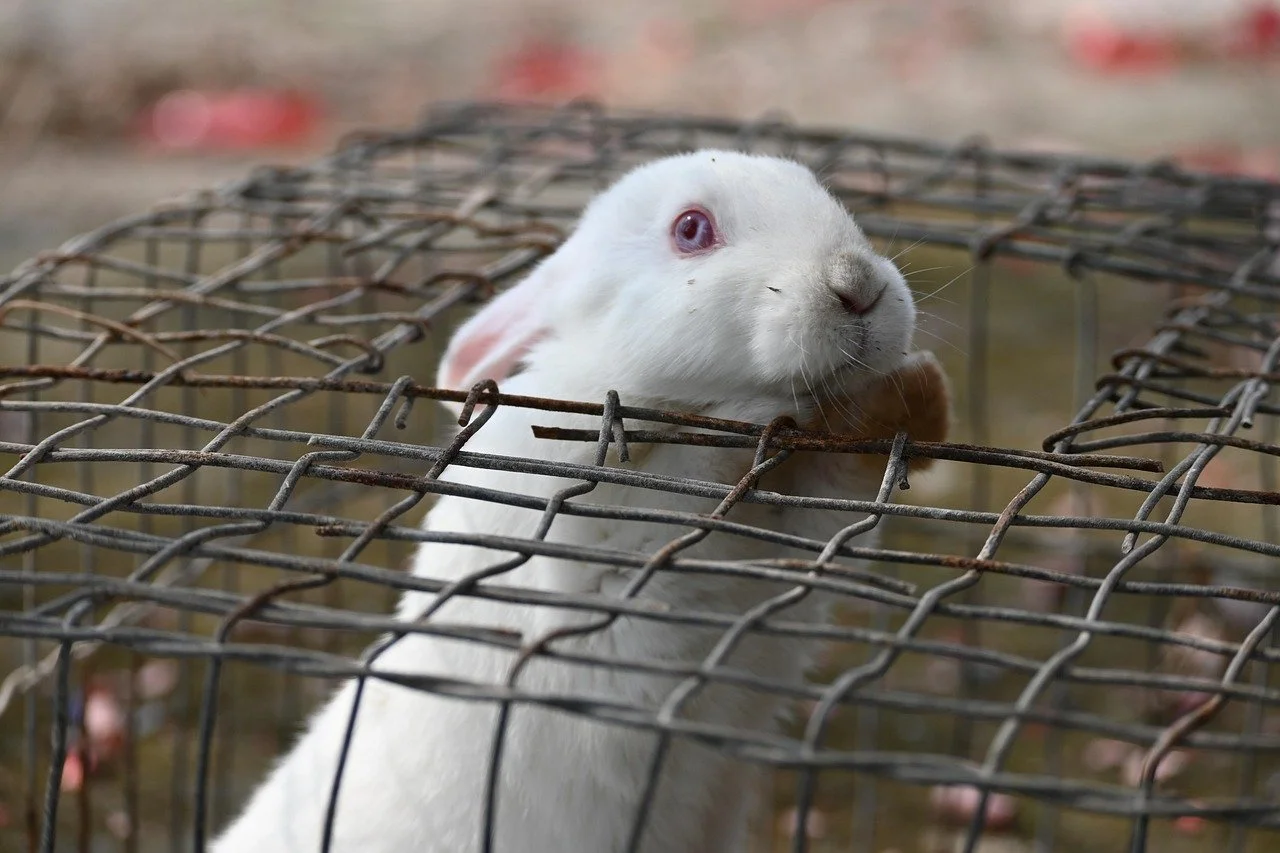
Hearst Magazines has announced a ban on promoting animal fur in all its editorial content and advertising.
This will apply to the New York-based publisher’s entire portfolio of wholly owned global brands, including Harper’s Bazaar, Cosmopolitan, Esquire, and Town & Country.
The move comes following a five-day protest campaign by The Coalition to Abolish the Fur Trade (CAFT) announced a major victory.
In an email sent to CAFT by Allison Keane, VP of Communications, it was confirmed that a line was added to their sustainability section on the “About Us” section. It reads: “Across our portfolio of wholly owned global brands, Hearst Magazines prohibits the promotion of animal fur in editorial content and advertising. (Our guidelines recognize defined exceptions and apply to all new business and future content).”
“This is a huge moment for the fashion world,” said Suzie Stork, Executive Director of CAFT. “Hearst has shown real leadership by recognizing that fur has no place in modern media.”
Stork added that the decision to ban fur reflects a growing public appetite for compassionate fashion.
Elle, also owned by Hearst, was the first major publication to ban fur, in 2021. Earlier this year, Condé Nast announced that its title, Vogue, will no longer promote fur.
And, just last week, New York Fashion Week pledged to ban fur from its official calendar, starting in September 2026. In so doing, New York follows the lead of Amsterdam, Copenhagen, London, Stockholm, and Sydney fashion weeks.
Most major fashion houses, like Burberry, Gucci, and Prada, have already ditched fur.
“Hearst’s decision to ditch fur is yet another major blow to the cruel and irrelevant industry, which is being left behind by the fashion world,” said People for the Ethical Treatment of Animals (PETA). “Every animal used for fur is a sentient individual who wants to be free – just like we do. Instead, they are kept in filthy wire cages and forced to live in their own excrement before being killed for an ugly and frivolous piece of clothing.”

Credit: HSI
On December 2, the Polish President, Karol Nawrocki, signed into law a bill to shut down all the country’s fur farms by 2033. Poland is Europe’s biggest producer of fur; only China produces more. However, its fur industry has suffered a sharp downturn in both sales and public support. The bill was backed by 339 Polish MPs, with just 78 voting against, while a recent survey showed that 68% of Poles wanted to see a fur-farming ban introduced.
What can you do?
Many fashion brands and designers have made the ethical choice to go fur-free - but Fendi remains one of the worst offenders, continuing to profit from the fur trade by selling items made from the skins of minks, foxes, sables, chinchillas, and bobcats. Join Species Unite in urging Fendi to stop using fur here.
We Have A Favor To Ask…
Species Unite amplifies well-researched solutions to some of the most abusive animal industries operating today.
At this crucial moment, with worldwide momentum for change building, it’s vital we share these animal-free solutions with the world - and we need your help.
We’re a nonprofit, and so to keep sharing these solutions, we’re relying on you - with your support, we can continue our essential work in growing a powerful community of animal advocates this year.


Plant-leather boots, cruelty-free bags, and animal-free versions of your favorite brands - see our full guide to the best cruelty-free alternatives to iconic fashion staples.