
Poland announces “historic” ban on fur farming
The world’s second-largest fur producer, has officially begun its transition away from fur farming, marking a major victory for animal welfare advocates following years of undercover investigations and public pressure.
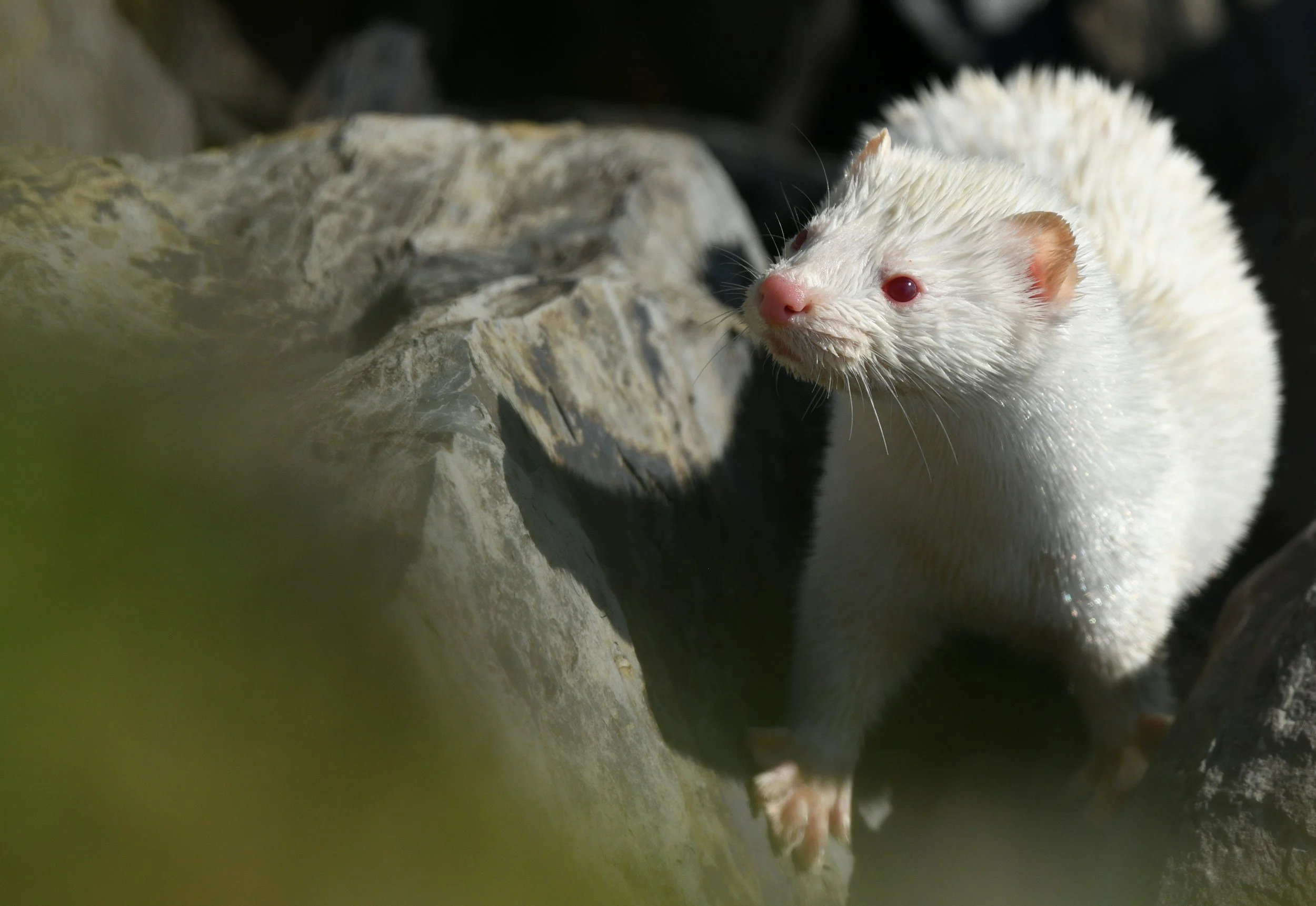
Poland, the second biggest producer of fur in the world, will shut down all its fur farms within eight years.
Signed into law by the country’s President, Karol Nawrocki, on December 2, the bill sets out an immediate ban on new fur farms, and offers a year’s severance pay for farm workers.
Fur farms are encouraged to shut down early to receive greater compensation. Those who cease operations before 2027, for example, will be offered 25% of their 2020–2024 annual average revenue by the government. This amount will decrease to 5% by 2031, after which no payments will be given.
Investigations into Poland’s fur farms have repeatedly revealed animals confined in cramped cages, with poor access to food and water and without any enrichment. A 2020 undercover investigation at the country’s largest fur farm, in Goreczki, was broadcast by Polish media. Harrowing footage showed groups of mink living in tiny, dirty cages within huge buildings. Many of the mink had been driven to self-mutilate, while some had been attacked or eaten by others. Some were lying dead in cages, often from food poisoning.
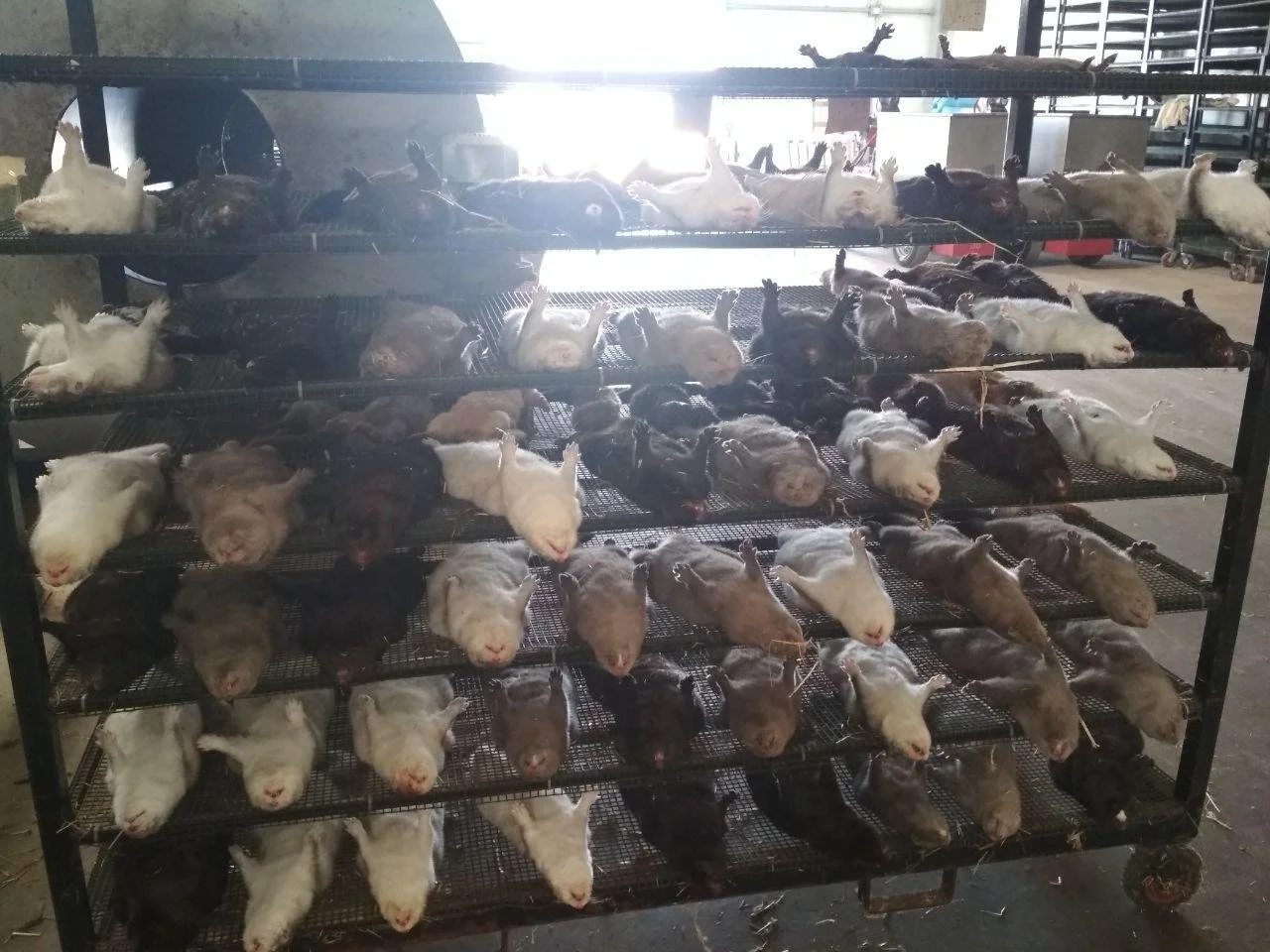
Gassed minks and those who died in the so-called "hospital". Credit: Anima International
Nawrocki chose to support the bill because of the overwhelming public opposition to fur farming; “Their voice cannot be ignored,” he said. A recent survey showed that 68% of Poles are in favour of a fur-farming ban.
Previous bills to end fur farming – such as the one proposed in 2020 – won the approval of the Sejm (lower house of parliament), but were never signed into law.
“This is a breakthrough, historic moment, one that Poles have been waiting decades to see,” said Małgorzata Tracz, MP for The Greens. “We are delighted that legislation is finally reflecting public sentiment and that the President along with the majority of MPs have chosen to ban fur farming.”
When put forward in October, the bill was supported by 339 MPs, with just 78 voting against.
Global fur exports have plummeted from a high of $14.7 billion in 2013 to just $3.4 billion in 2023, as consumer demand declines and concerns over animal welfare intensify. In Poland exports fell sharply from €402 million ($466 million) in 2015 to just €71 million in 2024, according to the animal advocacy group Anima International.
Poland becomes the 24th country in Europe to implement restrictions or a ban on fur farming. Only China now produces more fur than Poland, where around 3.4 million animals languish in mink, chinchilla, fox, and raccoon dog farms across the country.
What can you do?
Many fashion brands and designers have made the ethical choice to go fur-free - but Fendi remains one of the worst offenders, continuing to profit from the fur trade by selling items made from the skins of minks, foxes, sables, chinchillas, and bobcats. Join Species Unite in urging Fendi to stop using fur here.
We Have A Favor To Ask…
Species Unite amplifies well-researched solutions to some of the most abusive animal industries operating today.
At this crucial moment, with worldwide momentum for change building, it’s vital we share these animal-free solutions with the world - and we need your help.
We’re a nonprofit, and so to keep sharing these solutions, we’re relying on you - with your support, we can continue our essential work in growing a powerful community of animal advocates this year.
Wildlife cameras, night-vision binoculars, GPS devices, fire sensors, and snowshoes are among the items that have been available to borrow free of charge at a new public nature library.