
New York Fashion Week goes fur-free
The CFDA has announced that fur is banned across any official NYFW events, along with its online presence.
The most prominent fashion event in the country, New York Fashion Week, is taking fur off the runways for good.
The Council of Fashion Designers of America (CFDA) has announced a ban on fur in collaboration with Humane World for Animals and Collective Fashion Justice.
The new policy will start in September 2026, giving designers time to adjust. It will concern all New York Fashion Week-branded events, its website and social media channels.
The move follows London Fashion Week's policy against fur and wild-animal skins, and Copenhagen Fashion Week's ban, which also includes feathers from wild birds. Other Fashion Weeks that are free from fur are those of Oslo, Melbourne, Stockholm, Helsinki, and Amsterdam.
Steven Kolb, CEO and President of the CFDA, said: “There is already little to no fur shown at NYFW, but by taking this position, the CFDA hopes to inspire American designers to think more deeply about the fashion industry’s impact on animals. Consumers are moving away from products associated with animal cruelty, and we want to position American fashion as a leader on those fronts, while also driving material innovation.”
Emma Håkansson, founding director of Collective Fashion Justice, said: “The CFDA has further cemented its position as a leading, innovative fashion council on the global stage by formally moving beyond unethical and unsustainable animal fur. At Collective Fashion Justice, we hope Milan and Paris fashion weeks will follow the CFDA and British Fashion Council’s lead, with our support.”
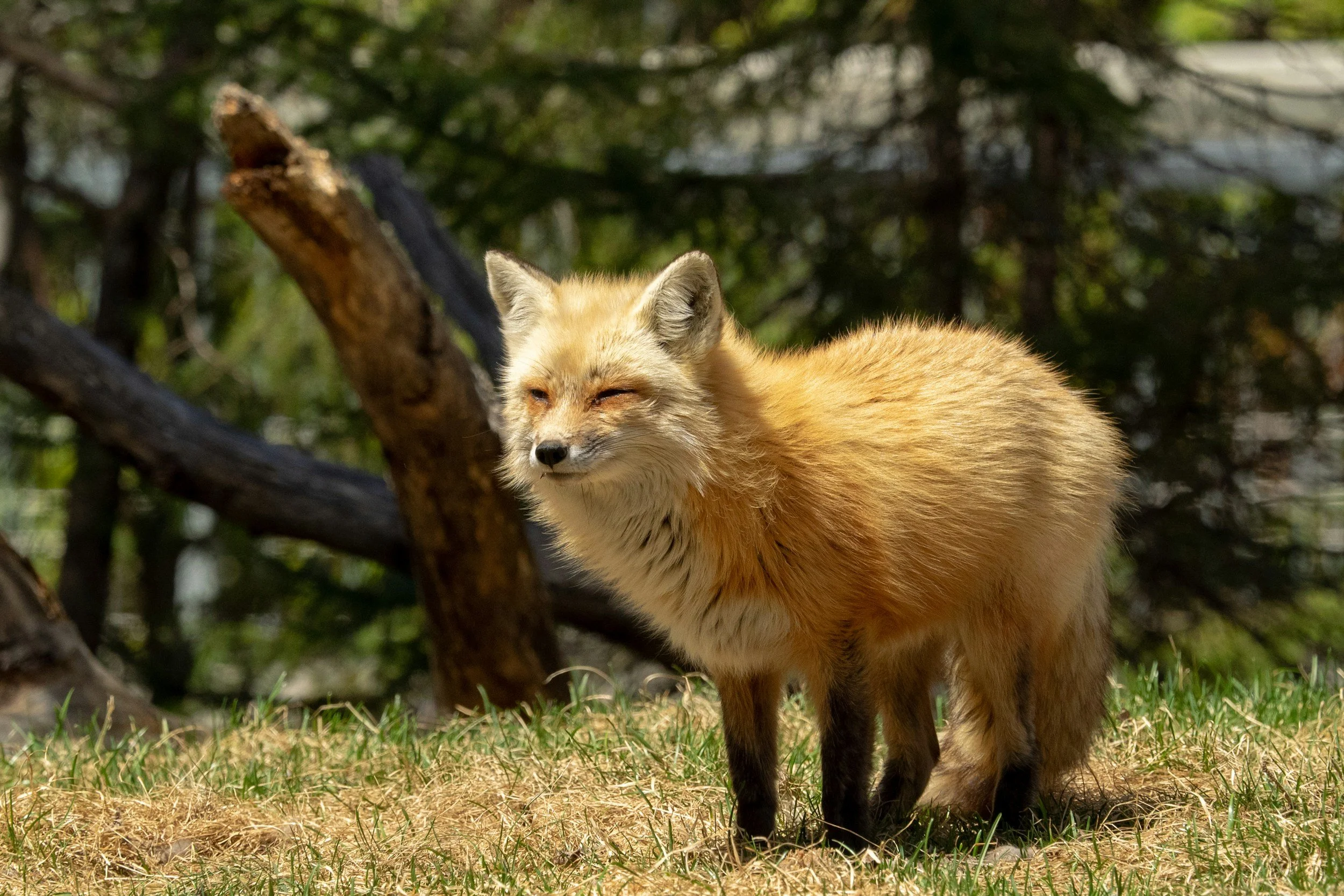
The ban will include fur from animals killed specifically for the fur industry, including but not limited to fox, mink, rabbit, chinchilla, coyote, karakul lamb, and raccoon dog. An exemption from the ban will apply to fur deriving from traditional subsistence hunting practices by indigenous communities.
The policy is in line with the direction in which American fashion is moving – earlier this year, publishing house CondèNast, home of VOGUE and Vanity Fair, announced a no-fur policy across all its titles. Other US publications, such asELLE and InStyle, had already implemented similar policies in recent years.
Outside the US, this week was a week of celebration for animal rights campaigners: Poland also announced a ban on fur farming, bringing Europe one step closer to being entirely free from this practice.

Credit: ECOPEL
Fur is the most controversial fabric in fashion, as undercover investigations have shown animals living in small cages for their entire lives, driven to insanity by captivity. They are sometimes subjected to starvation and neglect, and forced to live with open wounds from fights.
When they are killed, the cheapest methods available are used, including poisoning, gassing, electrocution and occasionally skinning when they are still conscious. Fur caught in the wild comes from animals left to agonize in steel-jaw traps, at risk of blood loss, shock, attack from predators and more, before being killed by trappers at their arrival, which can be hours if not days after the animal is caught.
The industry has been falling out of fashion in recent seasons. In 2023, global fur sales plummeted by 40%, after a steady decline – in total, the past ten years have seen the industry diminish by 85%. Even in China, the world's largest fur-producing country, production has halved since 2022.
Nearly all brands on international Fashion Week calendars remain fur-free.
With the decline of the industry, animal-free fur alternatives have had an upgrade: plastic-free, bio-based versions are now available from forward-thinking innovators such as BioFluff, whose fur made from flax, hemp, and nettles has been used by Ganni; and ECOPEL, whose plant-based Flur material follows its corn-based KOBA fur, used in designs by Stella McCartney.
What can you do?
Many fashion brands and designers have made the ethical choice to go fur-free - but Fendi remains one of the worst offenders, continuing to profit from the fur trade by selling items made from the skins of minks, foxes, sables, chinchillas, and bobcats. Join Species Unite in urging Fendi to stop using fur here.
We Have A Favor To Ask…
Species Unite amplifies well-researched solutions to some of the most abusive animal industries operating today.
At this crucial moment, with worldwide momentum for change building, it’s vital we share these animal-free solutions with the world - and we need your help.
We’re a nonprofit, and so to keep sharing these solutions, we’re relying on you - with your support, we can continue our essential work in growing a powerful community of animal advocates this year.



A cattle truck crash in Kansas City, Missouri, is one of several recent ones, as Mercy for Animals urges the US Department of Agriculture to update its rules on animal transport.