
Ritz-Carlton safari camp faces legal challenge over threat to great migration
A new lawsuit accuses Ritz-Carlton of endangering the Great Migration by building a luxury safari lodge in a vital wildlife corridor, allegedly in breach of Kenya’s environmental and land use laws.
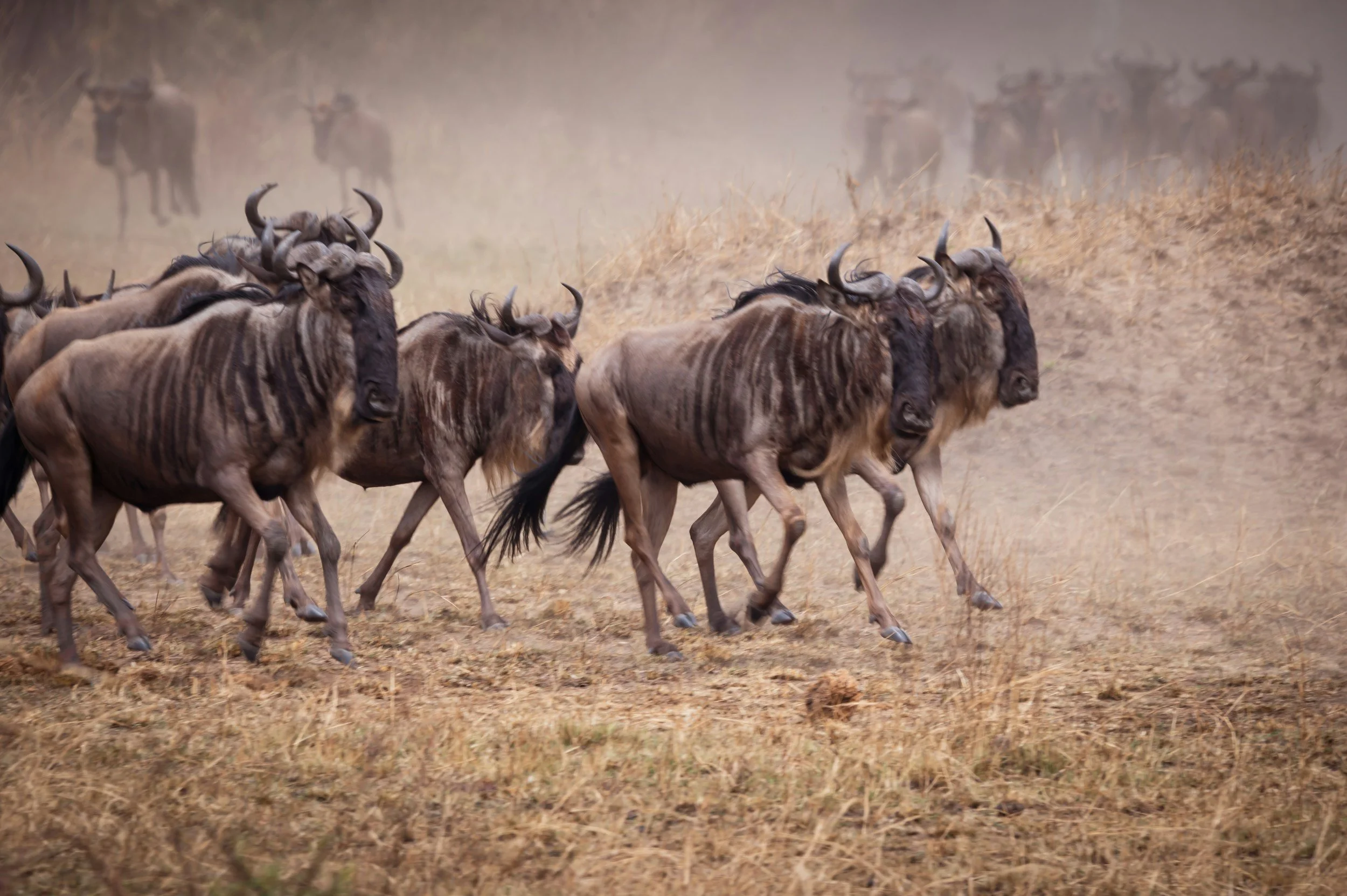
A lawsuit against Ritz-Carlton's luxury Maasai Mara Safari Camp is due to be heard in court this month.
Having opened in August of this year, the safari camp in Keya’s Maasai Mara National Reserve, comprises 20 suites, each with private decks, infinity pools, indoor and outdoor showers, and a personal butler. Guests, who pay at least $3,500 per night, are promised “front-row seats” to the Great Migration.
However, for Meitamei Olol Dapash, director of the Institute for Maasai Education, Research and Conservation (MERC), the camp “was the last straw for us; we just didn’t want this to happen.”
"The Maasai Mara is a fragile environment that is already overpopulated with camps for tourists," said Dapash, who founded MERC to advocate for the protection of traditional land rights of the Maasai people, and for the conservation, management, and sustainable use of the ecosystems of East Africa. The site of Ritz-Carlton's camp, he added, was one of the last places in the Maasai Mara that hadn’t been built on.
The camp has been erected on the bends of the Sand River, which Dapash argues is a crucial wildebeest migratory crossing, as well as an important water source for all animals.
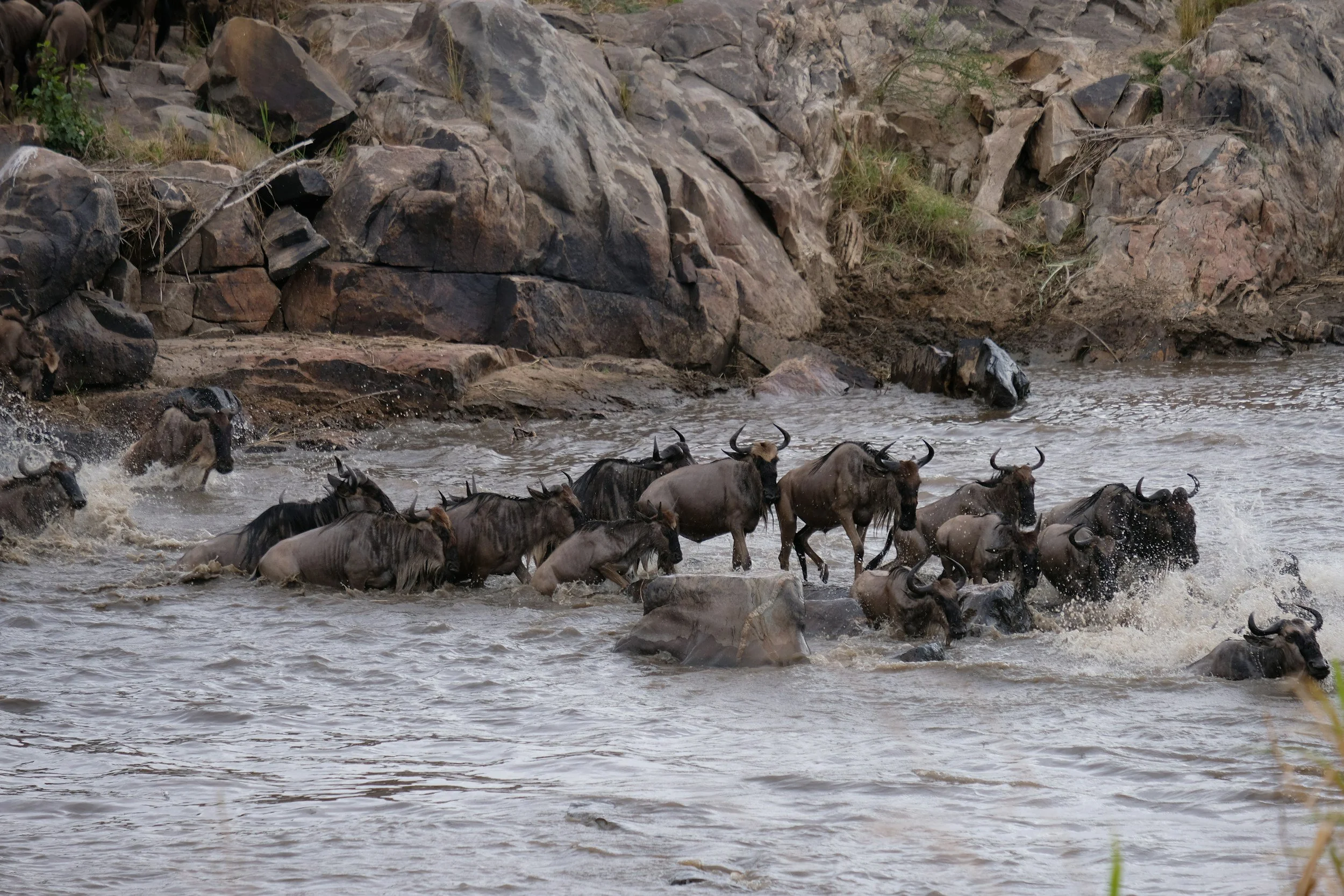
Grant Hopcroft, an ecologist who has tracked wildebeest movement in the Maasai Mara since 1996, said the camp “sits directly on one of the major wildlife corridors between Serengeti and the Maasai Mara.”
“It is highly ill-advised to build a lodge on one of the most critical paths of the Great Migration,” added Joseph Ogutu, a Kenyan researcher who has studied migration patterns in the region for over three decades. “Data does not lie, specifically when it has been collected over a 50-year period.”
Dapash filed the lawsuit in August, against Ritz-Carlton's owner, Marriott International, its Kenyan partner Lazizi Mara, and local authorities.
Under Kenyan law, an environmental impact assessment must be undertaken by the National Environment Management Authority, and published in the official gazette, but, according to the lawsuit, this was not done. Reuters, who reported on the lawsuit in August, could not find any record in the official gazette, either.
"The preservation of wildlife migration for us is a treasure that we cannot afford to lose," said Dapash. "We need to see that due diligence was done."
Furthermore, the lawsuit refers to the Maasai Mara Management Plan, of 2023, which saw a moratorium on new tourist developments in the reserve until 2032. This has been violated by the Ritz-Carlton safari camp, he says.
A letter from Felix Koskei, chief of staff to President William Ruto, granted Marriott – the world’s largest hotel chain – a “one-time exemption” to support investment.
Supporters argue that such high-end tourism can generate more money than cheaper, widespread tourism, and so inflicting less damage on the environment and wildlife.
However, there has already been a significant expansion in luxury lodges; from 95 camps in 2012, to about 175 in 2024, according to NDTV.
If the court rules in favour of Dapash, it could set a precedent, with Marriott forced to demolish the camp. “From a legal perspective, this could actually be groundbreaking, a turning point,” said Chloe Buiting, a vet and wildlife researcher working in the Maasai Mara.
We Have A Favor To Ask…
Species Unite amplifies well-researched solutions to some of the most abusive animal industries operating today.
At this crucial moment, with worldwide momentum for change building, it’s vital we share these animal-free solutions with the world - and we need your help.
We’re a nonprofit, and so to keep sharing these solutions, we’re relying on you - with your support, we can continue our essential work in growing a powerful community of animal advocates this year.
A cattle truck crash in Kansas City, Missouri, is one of several recent ones, as Mercy for Animals urges the US Department of Agriculture to update its rules on animal transport.