
New study shows meat-free diets have a 'substantially lower' risk of five common cancers
Landmark research shows that vegatarian diets come with significant benefits when it comes to cancer prevention.
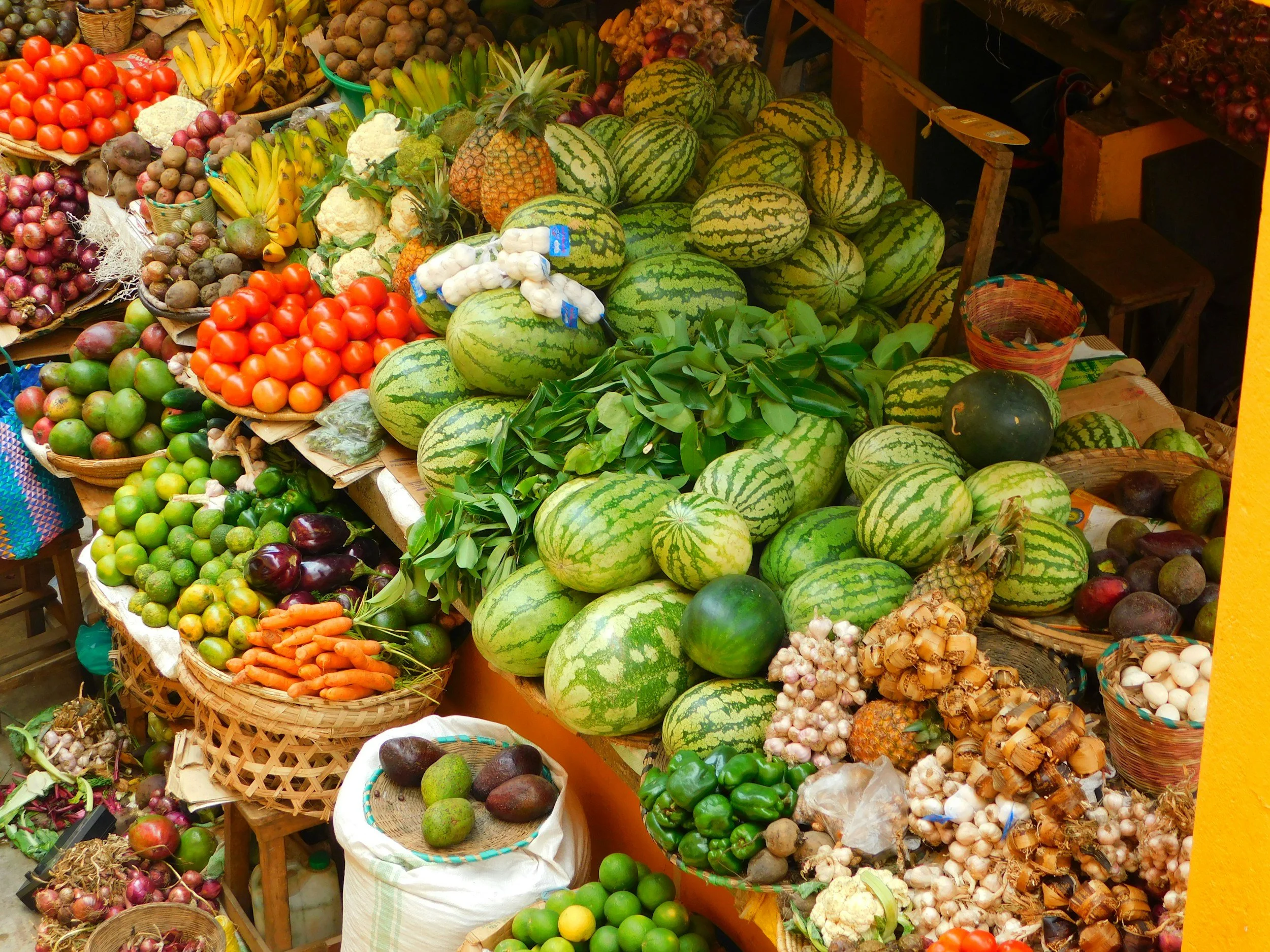
A new study, titled "Vegetarian Diets and Cancer Risk," published by the British Journal of Cancer has found that people who follow a meat-free diet have a significantly lower risk of developing five different types of cancer compared to those who eat meat.
According to the research, which was funded by the World Cancer Research Fund, vegetarians' risk of multiple myeloma (cancer of plasma cells) was 31% lower and their risk of kidney cancer was 28% lower. They also had a 21% lower risk of pancreatic cancer, 12% lower risk of prostate cancer and 9% lower risk of breast cancer.
Dr. Aurora Pérez-Cornago, nutritional epidemiologist, postdoctoral researcher at the University of Oxford and lead author of this study, called the research "really good news for those who follow a vegetarian diet, because they have a lower risk of five cancer types, some of which are very prevalent in the population."
The study used data from nearly two million people who were tracked for several years to collect data on their diet and health status. While those who didn't eat meat had an increased risk of cancer of the oesophagus (also known as squamous cell carcinoma) compared to those who did, which was believed to be due to a lower intake of B vitamins, a meat-free diet came out on top overall when it came to protection against cancer. The researchers were not clear on whether this was due to meat itself presenting problems when it came to cancer risk, or due to vegetarians consuming other foods that helped lower cancer risk.
Co-author Tim Key said “My feeling is the differences are more likely to be related to meat itself than to simply vegetarians eating more healthy foods”.
Meat, specifically processed and red meat, has been linked to cancer before. Research has shown that even small amounts of these foods increase risk of bowel cancer.
The World Health Organization has classified processed meats as a Group 1 carcinogen (alongside tobacco and asbestos), meaning that there is strong evidence linking those foods to cancer.
Red meat (beef, pork, lamb, venison, mutton, and veal) is a Group 2A carcinogen, which signifies that it is likely to be connected to cancer.
Colorectal cancer, pancreatic cancer and prostate cancer were among the diseases linked to red and processed meat.
Cutting back on meat, or cutting it out from the menu altogether, comes with several health benefits, such as reducing the risk of type 2 diabetes, heart disease and stroke – some of the illnesses that hit US adults the hardest.
In the US, around 30 million adults live with chronic kidney disease, which plant-based diets also help mitigate and protect against.
According to the American and Canadian Diet Associations, well-planned and correctly supplemented plant-based diets are nutritionally adequate for all stages of human life and may also provide benefits in disease prevention and treatment.
Choosing a plant-based lifestyle is one of the most impactful choices you can make for animals, the environment, and your own well-being. Take Species Unite’s 30-Day Plant-Powered Challenge and become part of a movement that's changing the world for the better.
We Have A Favor To Ask…
Species Unite amplifies well-researched solutions to some of the most abusive animal industries operating today.
At this crucial moment, with worldwide momentum for change building, it’s vital we share these animal-free solutions with the world - and we need your help.
We’re a nonprofit, and so to keep sharing these solutions, we’re relying on you - with your support, we can continue our essential work in growing a powerful community of animal advocates this year.

Wildlife cameras, night-vision binoculars, GPS devices, fire sensors, and snowshoes are among the items that have been available to borrow free of charge at a new public nature library.