
Fur fell out of fashion. How long before exotic skins follow?
It started with Gucci. That day in 2017, when then-CEO Marco Bizzarri proclaimed fur “not modern” was the fateful beginning of a domino effect that led to an avalanche of luxury brands coming out with similar statements. Prada, Chanel, Burberry, Michael Kors, and countless others followed – with Donatella Versace saying, “Fur? I'm out of that. I don't want to kill animals to make fashion. It doesn't feel right.” All of a sudden, fur was a true faux pas in fashion, disappearing from runways and designer stores.
Eight years later, and fur is as dead as it's ever been. Despite headlines claiming “fur is back”, if anything, there's been a further decline. All of the brands pledging to remove it from their ranges are still fur-free. Department stores such as Nordstrom and Macy's in the US, and Selfridges and Liberty in the UK, also have no-fur policies in place. And just a couple of seasons ago, London Fashion Week announced a formal ban on fur, after years of fur-free catwalks. Other Fashion Weeks that had already announced fur bans are those of Helsinki, Oslo, Amsterdam, Melbourne, and Copenhagen. And to mirror all of this, fur production is plummeting.
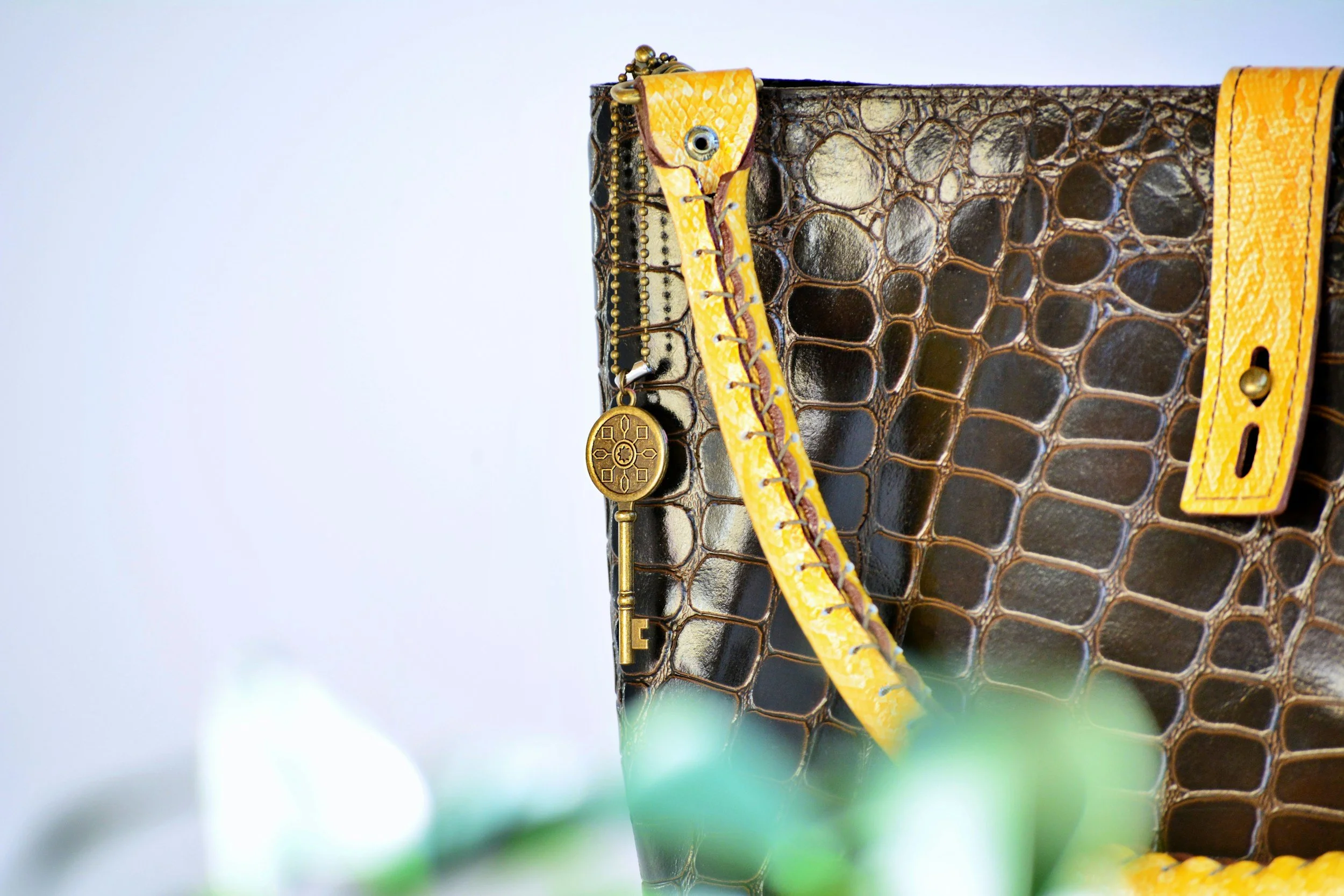
Fashion seems to agree that fur is unethical. But grisly as its production methods may be, they aren't the only way fashion exploits, torments, and routinely kills animals. And ending fur does not mean that fashion's problematic relationship with animal abuse has been resolved. Exotic skins – those deriving from crocodiles, alligators, lizards, ostriches, snakes and stingrays – conceal just as grim a reality.
It takes three crocodiles to make just one of French luxury house Hermès' iconic Birkin bags. Typically, these animals are killed at around two years old, whereas their natural lifespan would be around 70 years. It is most likely that they will be saltwater crocodiles, as this is the species most frequently used for fashion. Brands such as Hermès and Louis Vuitton have opened their own crocodile farms, raising thousands of animals for their high-end bags, which could sometimes have waiting lists of several years. On these farms, a horrific fate is likely to await the animals. Footage by the Farm Transparency Project in Australia has revealed crocodiles confined to small cages, stabbed with screwdrivers, and mutilated while still conscious.
Australia is, in fact, the leader in the world's crocodile trade: 60% of all saltwater crocodile skins used in fashion originate there. Hermès is indeed planning to open its own farm in the country, which will hold 50,000 crocodiles. It can be a perilous business: egg collectors, who are out to steal reptile eggs from the wild to be used in the industry, dangle from helicopters above remote outbacks in areas such as the Northern Territory. In fact, 2023 saw the death of Chris “Willow” Wilson, one such collector, in a helicopter crash during such a mission.
For several reasons, the industry is facing scrutiny: following numerous undercover investigations, its code of practice is being reviewed. So far, two years after the review being announced, an updated code is yet to be released. But animal rights campaigners don't see much hope. “"They're put into solitary confinement … for non-essential items like handbags and watch straps," World Animal Protection's country director Ben Pearson has said.
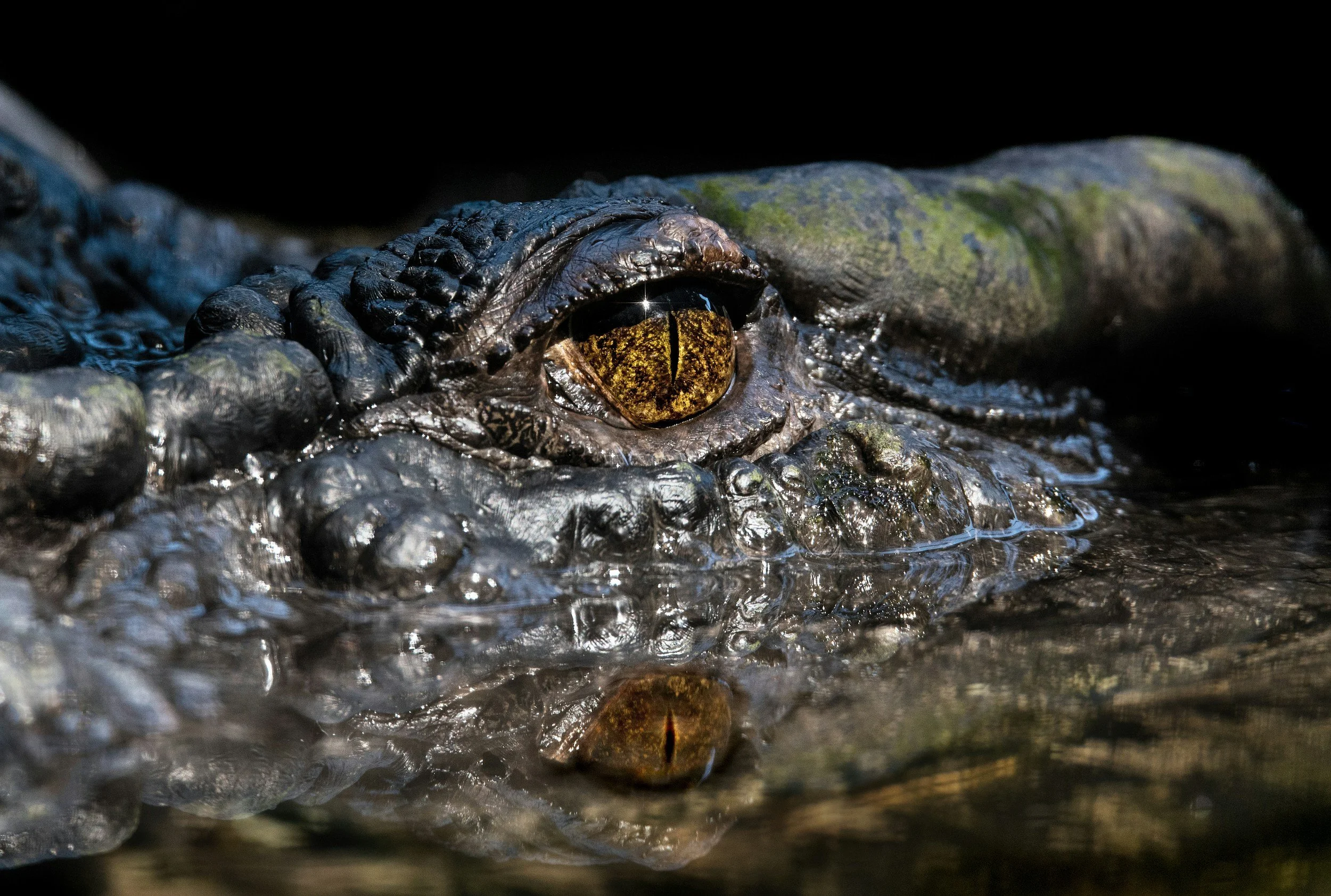
Crocodiles and alligators aren't the only wild animals suffering for fashion. Undercover investigations have shown snakes inflated with water or air for Louis Vuitton bags and lizards decapitated for Gucci products. An investigation linked to Prada revealed the year-old birds (ostriches can live up to 40 years in their natural state) being electrocuted before their throats being slit.
All three brands shown in the aforementioned investigations are still sourcing wild-animal skins, as is Hermès. These eye-wateringly costly skins are, admittedly, a niche part of most fashion houses' business - which would make it even easier for the maisons to part ways with them. Some designers are, indeed, doing just that. Burberry, Chanel, Victoria Beckham, Balenciaga and Mulberry are among those who have severed ties with the trade by introducing a ban.
So has London Fashion Week. Alongside its fur ban, the event has become the first of the "big four" to ban the materials. Animal defenders celebrated. Founder of Collective Fashion Justice Emma Håkansson said “LFW is the first big four fashion event to prohibit both fur and wild-animal skins, and we celebrate this important progress. For decades, brands have banned fur, stating an opposition to killing animals specifically for fashion. This is exactly what happens to the crocodiles, snakes, ostriches and other wild animals skinned and plucked for fashion too, making bans on these skins consistent with an existing and widely agreed-upon ethical premise.” The Fashion Weeks of Copenhagen, Melbourne, and Helsinki have also all banned wild-animal skins from their runways.
Just like progress happened in fur, it is happening with wild skins – and just like with fur, it is frustratingly slow. But as fashion wakes up to the implications, alternatives are outshining the “real deal”: London label BEEN has created a handbag made from brewery waste, which has a snakeskin-style pattern. As with fur, innovation has the potential to truly transform the landscape of wild skins – helping to leave wild animals in the wild. Time will tell, but the future looks promising.
Over 20 major fashion brands, including giants like Nike and Adidas, as well as luxury designers like Chanel and Vivienne Westwood, have already committed to ending the use of exotic skins in their products. Yet a few holdouts continue to sell these cruel items.
Louis Vuitton is one of the worst offenders, clinging to the cruelty of the past by continuing to use crocodile skins to make wallets, shoes, and handbags. Join Species Unite in urging Louis Vuitton to end the use of exotic skins.

Written by Sascha Camilli
Sascha Camill is a writer, speaker and vegan fashion expert. She founded the world's first digital vegan fashion magazine Vilda, and is the author of Vegan Style: Your Plant-Based Guide to Beauty, Fashion, Home & Travel. Her podcast, Catwalk Rebel, is out now.
We Have A Favor To Ask…
Species Unite amplifies well-researched solutions to some of the most abusive animal industries operating today.
At this crucial moment, with worldwide momentum for change building, it’s vital we share these animal-free solutions with the world - and we need your help.
We’re a nonprofit, and so to keep sharing these solutions, we’re relying on you - with your support, we can continue our essential work in growing a powerful community of animal advocates this year.



A cleaner New York Harbor has drawn hundreds of humpback whales to its waters - but the same busy port that welcomes them is also killing them.