
A secretive government committee just voted to sacrifice 21 endangered species for oil
The move could threaten the survival of 21 species, including whales, sea turtles, and sharks, and has triggered a wave of lawsuits from environmental groups.
The Trump administration has invoked an obscure loophole in the Endangered Species Act (ESA) to exempt oil and gas production in the Gulf of Mexico from federal wildlife protections.
Secretary of Defense Pete Hegseth stated that national security requires overturning ESA protections in the northern half of the gulf, which the administration refers to as the Gulf of America, on the grounds that the United States needs to increase domestic oil production following the conflict with Iran.
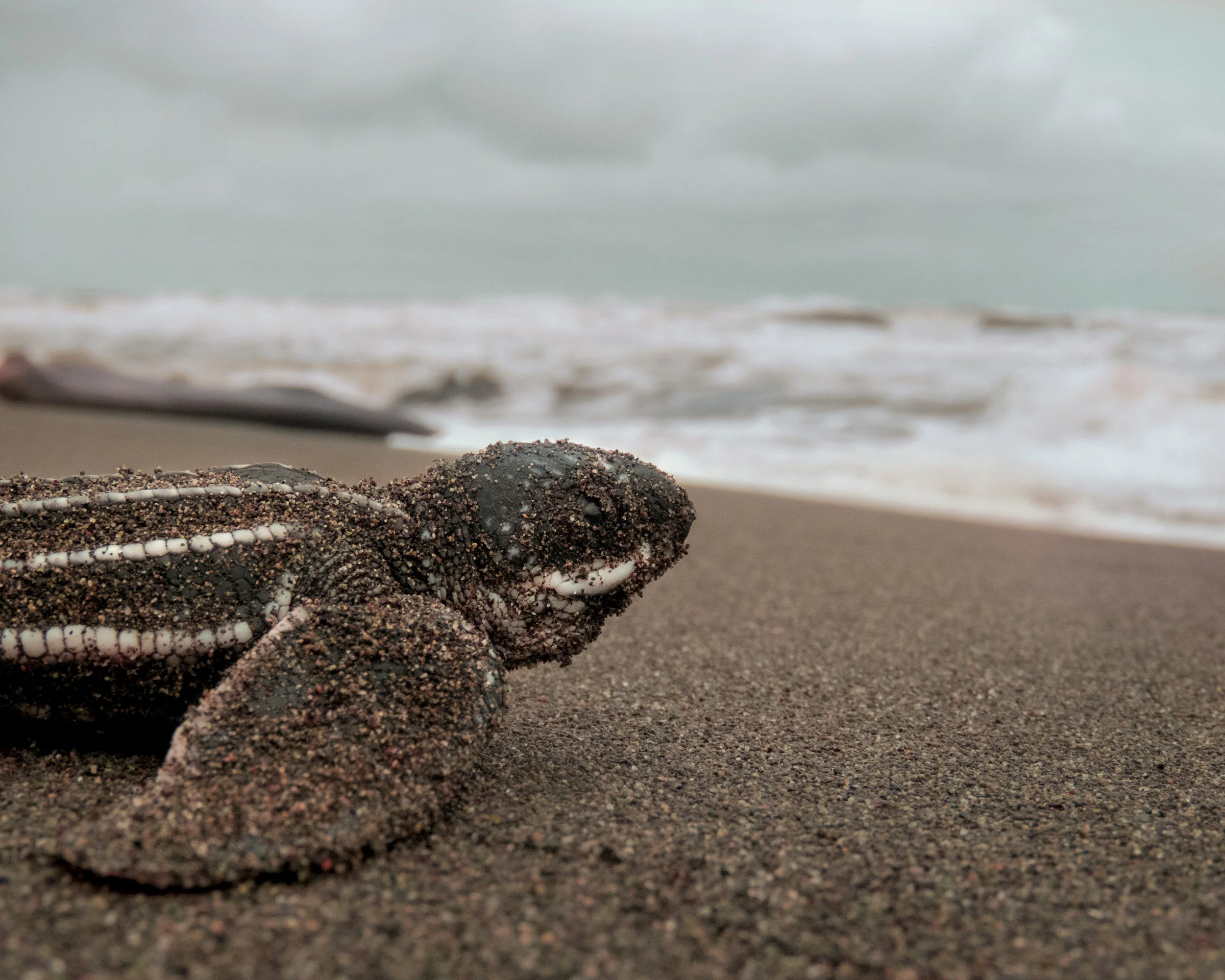
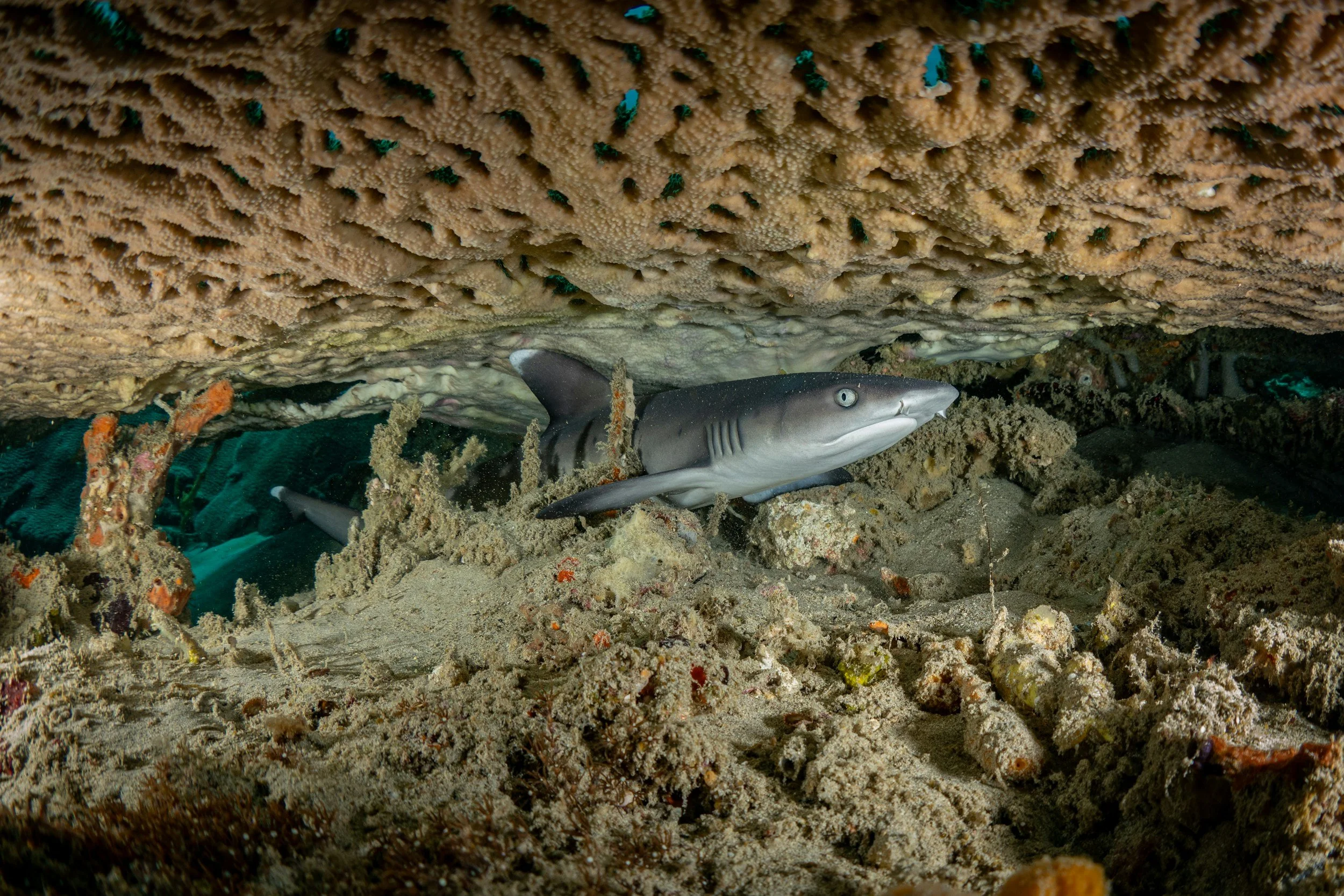
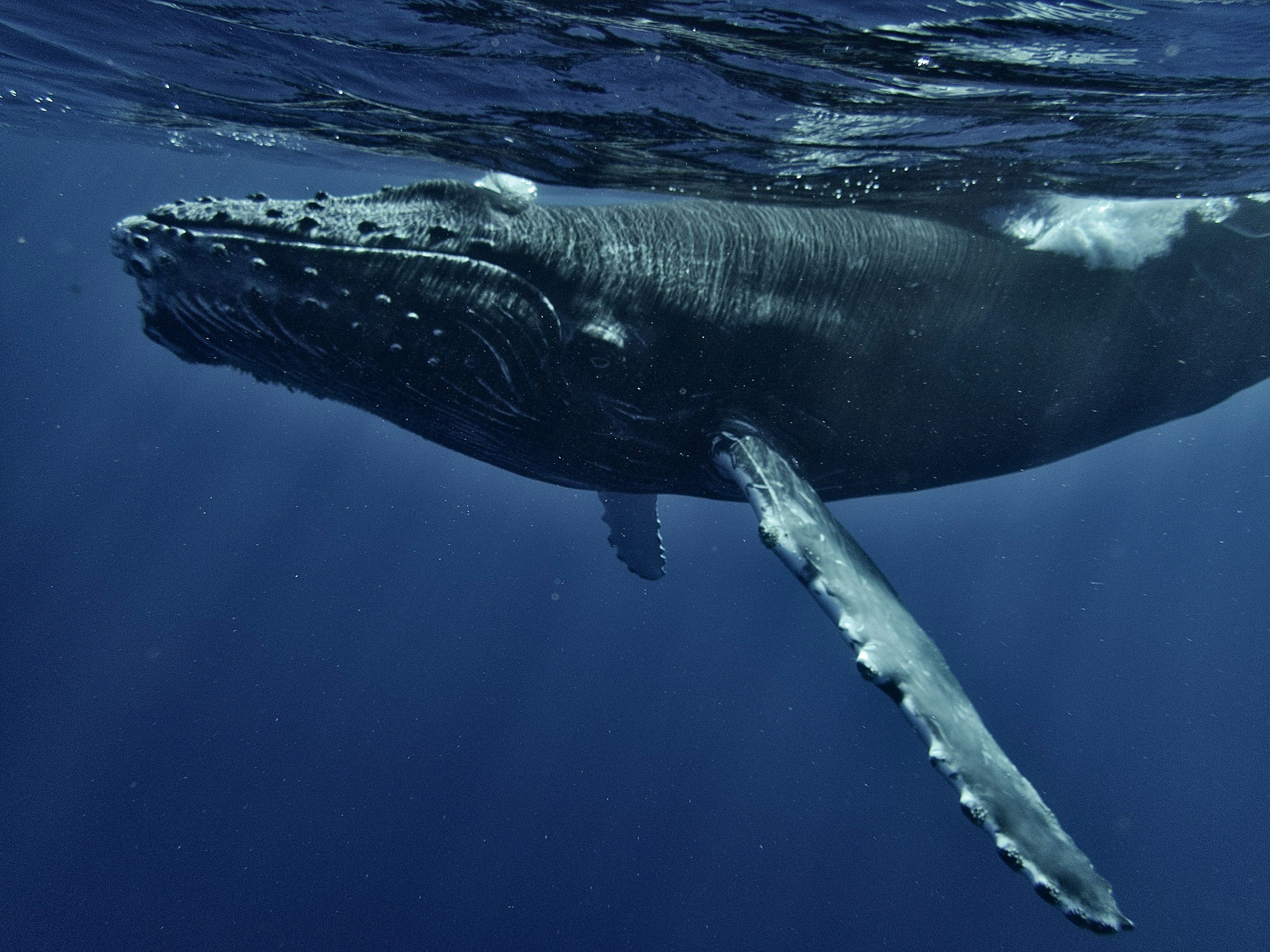
The move could mean the demise of 21 threatened or endangered species, including five breeds of sea turtle, five types of fish including the oceanic whitetip shark, the queen conch, and seven different corals. It could also wipe out the sperm whales and Rice's whales living in the gulf.
"Fewer than 100 of these highly endangered whales remain," according to the National Oceanic and Atmospheric Administration (NOAA). Some estimates put the number at closer to half that. They live only in the gulf and were nearly wiped out by the 2010 Deepwater Horizon spill.
Other potentially affected species include the leatherback turtle, the world's largest sea turtle, and Kemp's ridley turtle, the world's smallest. The bulk of those surviving do so in the gulf. Coastal species may also be put at risk.
So how can the administration get around the law, which prohibits killing, capturing or harassing, harming and trapping listed species or destroying their habitat?
The ESA includes an Endangered Species Committee, which can vote to overrule the act to achieve an economic or national security objective. The committee consists of six administration officials, including heads of agencies managing federal land and environmental matters, the Army, and the Council of Economic Advisors. It is supposed to include one member appointed by the president from each affected state, but no such appointments were made. Because of its sweeping power, the committee is colloquially referred to as the "God Squad" or "Extinction Committee."
At a meeting on March 31, the committee voted unanimously to exempt oil and gas production from all ESA rules after Hegseth presented a finding that increased energy development in the gulf was an "urgent national security" matter. Hegseth told the committee that the gulf provides 15 percent of the country's crude oil production and that ESA and related litigation could hamper production.
“This meeting made clear that energy streams in the Gulf of America must not be disrupted or held hostage by ongoing litigation,” Interior Secretary Doug Burgum said in a prepared statement. “Energy production in the Gulf of America is indispensable to our nation’s strength, safeguarding our energy independence and preventing reliance on foreign adversaries.”
Several committee members said the committee had no discretion: the law requires it to grant an exemption when the Secretary of Defense issues a national security finding. This provision has never been invoked before.
The committee has only met three times in the 48 years since it was authorized and has never granted an exemption that resulted in a species losing federal protection. It last met in 1991. It is supposed to grant exemptions only when it determines the action is of "regional or national significance" for economic or national security purposes and that "no reasonable and prudent alternatives" are available. The law requires a written report, a public comment period, and a public meeting.
The public was allowed to watch the meeting on livestream but was not invited into the Interior Department, where it took place. No report was released to the public before the meeting, nor was any opportunity given for public comment.
On March 16, the Department of the Interior (DoI) announced in a terse Federal Register notice signed by Christopher Danley, deputy solicitor for energy and mineral resources, that the committee would meet on March 31 to discuss an exemption for oil and gas drilling and development. The announcement did not say that anyone from the energy industry had requested the exemption or what it would entail. Unusual for Federal Register notices, it included no email address or phone number to contact.
It is not clear whether activities in the outer continental shelf would require representatives from neighboring states, but if not, the committee would be required to include an expert in endangered sea life or energy development, notes Joseph Manning, staff attorney for Defenders of Wildlife. "That didn't happen either," he said.
The Center for Biological Diversity (CBD) immediately sued the Interior Department in federal court in Washington, D.C., arguing that the meeting violates ESA by not providing adequate public notice and access. The complaint charged that "convening the committee flagrantly flouts substantive statutory requirements limiting the committee's jurisdiction to the rarest of circumstances, which do not exist, and this unlawful meeting is evidently designed to greenlight an unlawful permanent exemption of ESA protections as applied to the many oceanic and terrestrial ESA-listed species that occur in the Gulf of Mexico."
A federal judge declined to halt the meeting. CBD has since announced it will amend its suit to challenge the finding.
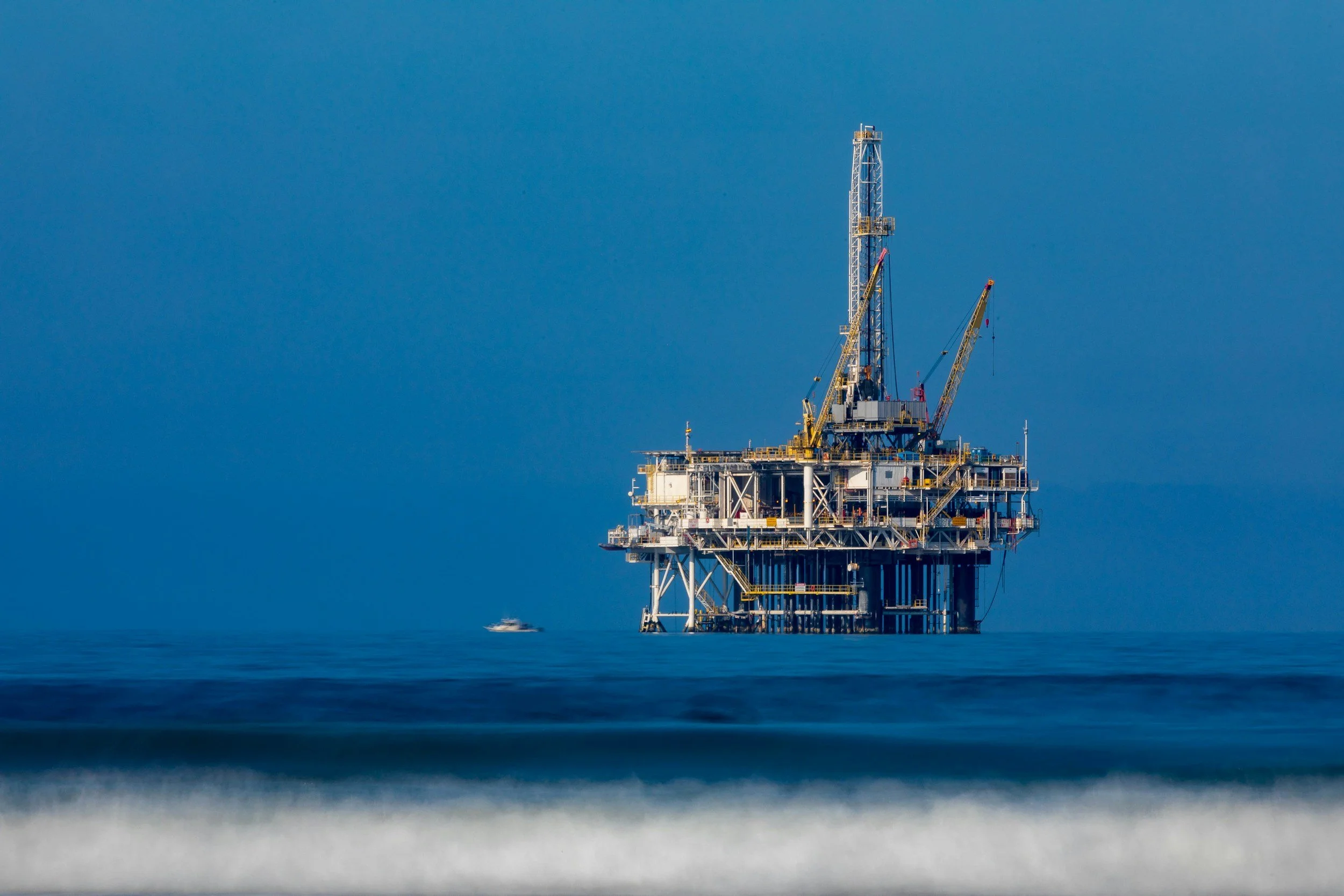
CBD alleges that "oil and gas activities in the Gulf, including oil spills, geological and geophysical surveys, offshore fracking, high-pressure high-temperature projects, vessel and helicopter traffic, and the construction and operation of offshore platforms and pipelines, adversely affect many ESA-listed species and their habitats."
Danley wrote a letter to CBD saying the committee is complying with ESA, questioning whether it was required to provide written records and why in-person public attendance should be required when the public could watch the livestream. Neither Danley nor the DoI press office responded to queries from Species Unite.
Suspending ESA protections may not even help spur energy development. "There's nothing in ESA preventing them from carrying out the drilling they've been doing," said Brettny Hardy, a lawyer for Earthjustice. "ESA is not hindering energy development."
CBD noted in a press release that “the Trump extinction committee has overruled a National Marine Fisheries Service requirement for oil and gas industry ships to operate at safe speeds in the eastern Gulf and monitor the location of whales to avoid strikes and deaths.”
On his first day in office, President Donald Trump issued an order declaring a "national emergency" regarding energy, directing the Secretary of the Interior to convene the committee no less than quarterly to review and consider applications for ESA exemptions. The committee has met only once under this order.
Several environmental groups have filed lawsuits to stop the exemption. The Natural Resources Defense Council sued in federal court, stating the "exemption is illegal and has no basis in science, and no basis in national security. It exists for one reason: to insulate some of the wealthiest companies on the planet from accountability as they drive endangered species toward extinction."
A coalition of four national and local environmental groups also sued in federal court in Washington, D.C., charging that Hegseth provided "no evidence of an irreconcilable conflict between ESA protections and oil and gas activities in the Gulf." A third coalition of five other groups, including the National Wildlife Federation, has also filed suit.
The government has not yet responded. Brett Hartl, CBD's government affairs director, says the suits will likely be combined. In the meantime, nothing is stopping the decision from taking effect, and Hartl says it is not clear what is happening offshore.
Recent precedent, however, suggests courts are willing to push back. A federal court in March struck down regulations implemented during Trump's first administration to weaken ESA.
What you can do
Please join Species Unite in calling on Congress to investigate and halt the misuse of the Endangered Species Act’s national security exemption, restore full protections for endangered marine life in the Gulf of Mexico, and ensure this critical law cannot be bypassed without transparency, scientific evidence, and public accountability.

Written by Charles Pekow
Charles Pekow is an award-winning journalist whose environmental stories have appeared in the Washington Monthly, Earth Island Journal, Mongabay News, Northern Virginia, Truthout, and other periodicals. He broke the story about how the first Trump administration was destroying the Endangered Species Act.
We Have A Favor To Ask…
Species Unite amplifies well-researched solutions to some of the most abusive animal industries operating today.
At this crucial moment, with worldwide momentum for change building, it’s vital we share these animal-free solutions with the world - and we need your help.
We’re a nonprofit, and so to keep sharing these solutions, we’re relying on you - with your support, we can continue our essential work in growing a powerful community of animal advocates this year.


A cleaner New York Harbor has drawn hundreds of humpback whales back to its waters for the first time in generations, but the same busy port that welcomes them is also killing them.