
Are fashion's wild-animal skins helping or harming conservation efforts?
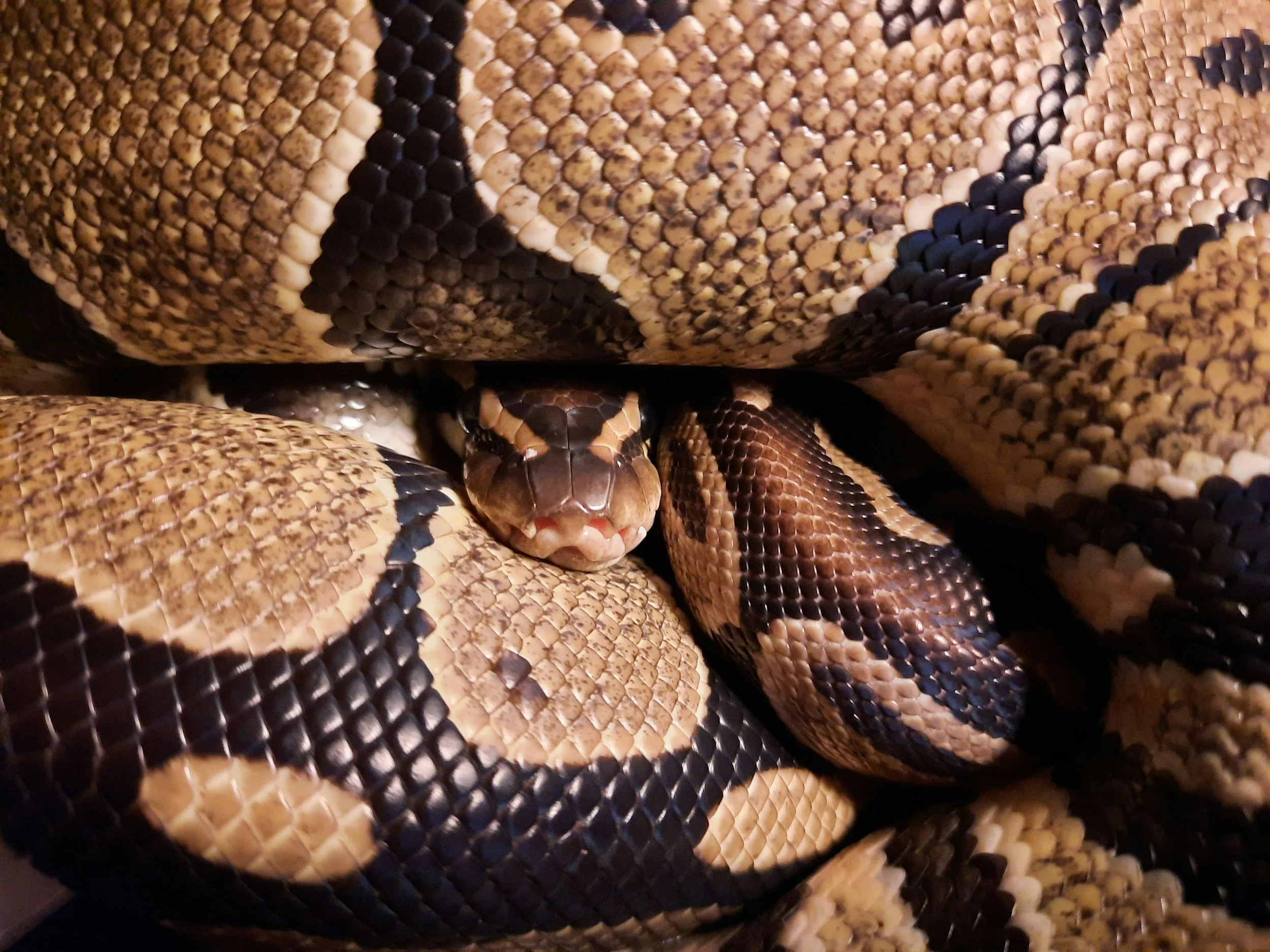
As fur is disappearing from fashion, another pillar of luxury is looking to follow in its footsteps: wild-animal skins. Causing the same amount of pain and destruction as fur, wild skins have largely slithered under the radar for decades – largely due to being available to a select, very wealthy clientele. But that all changed just last year, when London Fashion Week became the first of the big four Fashion Weeks (New York, London, Milan, and Paris) to ban wild-animal skins from their runways. The move followed the smaller, yet forward-thinking Fashion Weeks of Copenhagen, Melbourne, and Helsinki, which were already free from both fur and wild skins. It echoed brands such as Chanel, Mulberry, Victoria Beckham, Paul Smith, and Burberry, all of whom had implemented bans. All of a sudden, all eyes were on the exotic-skins industry.
Exotic skins are those taken from crocodiles, alligators, ostriches, lizards, snakes, and other wild animals. Mainly used in accessories, these extremely costly materials (a Birkin bag from Hermès, for example, can cost tens of thousands of dollars and require a waitlist of years) are a remit reserved for the few. For most brands offering them, wild skins aren't a large part of their business – they can, however, be a lucrative one, due to the elevated markups of the skins, which can make brands hesitant to adopt bans. But behind the glamorous, exclusive exterior of the skins lies a dark backstory: undercover investigations have for a long time shown the most terrifying cruelty inflicted on wild animals for the sake of fashion. PETA has revealed pythons skinned, crocodiles cut up, and lizards decapitated – all to end up on the shelves of fashion stores.
So why is the crude and violent killing of wild animals being done in the name of conservation?
When the British Fashion Council announced London Fashion Week's ban on these skins, members of the International Union for the Conservation of Nature (IUCN) spoke out against the ban, making the point that such regulations undermine financial incentives for local populations to conserve and protect these species. In the wake of this, a few designers have begun touting “ethical exotics” - most notably Gabriela Hearst, whose python-skin items are supplied by Inversa Leather – a company that works with skins made from invasive species in Florida. These species, it is argued, cause widespread damage to Florida's ecosystems, so management of them is essential. However, pythons are not local or native to Florida, and were introduced there by the exotic pet trade. Any problems they cause are hence human-created problems – that the snakes themselves are now paying dearly for.
Any claim that the animals are killed “humanely” in this trade is often unsupported by experts. Biologist Dr. Clifford Warwick reviewed PETA's footage of live snakes being inflated to stretch their skins, deeming these methods “inhumane” and “unacceptable” by international standards, leaving no doubt that this would lead to “extreme stress and pain.” When Species Unite spoke to Dr. Warwick about the industry's conservation claims, he said, “In my view there are no valid scientific or ethical justifications for the exotic animal skin industry. The manifest dearth of objective data in favour of the sector is met with an abundance of evidence demonstrating its harm to animal welfare, species conservation, and habitat integrity, among other issues.” As for the industry's continued survival, he adds, “In my view as someone who has spent years in the field witnessing the destructive operation of the skin business, the industry survives not on merit but due to regulatory capture by vested interest parties, as well as inherent trade biases of formalised international agreements.”
Dr. Warwick is not the only one. The voices of those opposing the sale of wild-animal skins are led by the late Jane Goodall, possibly the global face of wildlife conservation. A staunch opponent of the exotic-leather industry, she was “shocked and disappointed” to learn of the IUCN's resistance to bans. Speaking with Mongabay, she said, “For one thing, there is plenty of evidence of zoonotic diseases spilling over from reptiles to people. But more importantly (for me) is the fact that a good deal of research, as well as anecdotal reports, suggest that reptiles have emotions similar to those of mammals and birds. [The] IUCN is thus endorsing continued cruelty to millions of sentient beings, as well as exposing people who deal with them to a variety of diseases.”
Credit: We Animals
The diseases mentioned by Goodall include those that have the potential to be a serious threat to public health – such as COVID-19. During the height of the pandemic, conservation experts found links between the wild-animal skins trade and risk for zoonotic diseases. As animals are kept in close proximity, bodily fluids mix easily and pathogens evolve. Workers handling the animals are especially at risk – and so is everyone whom they, in turn, could pass diseases on to. The truth behind the glitzy exterior is that the next pandemic could in fact be lurking in upscale boutiques pushing high-fashion accessories.
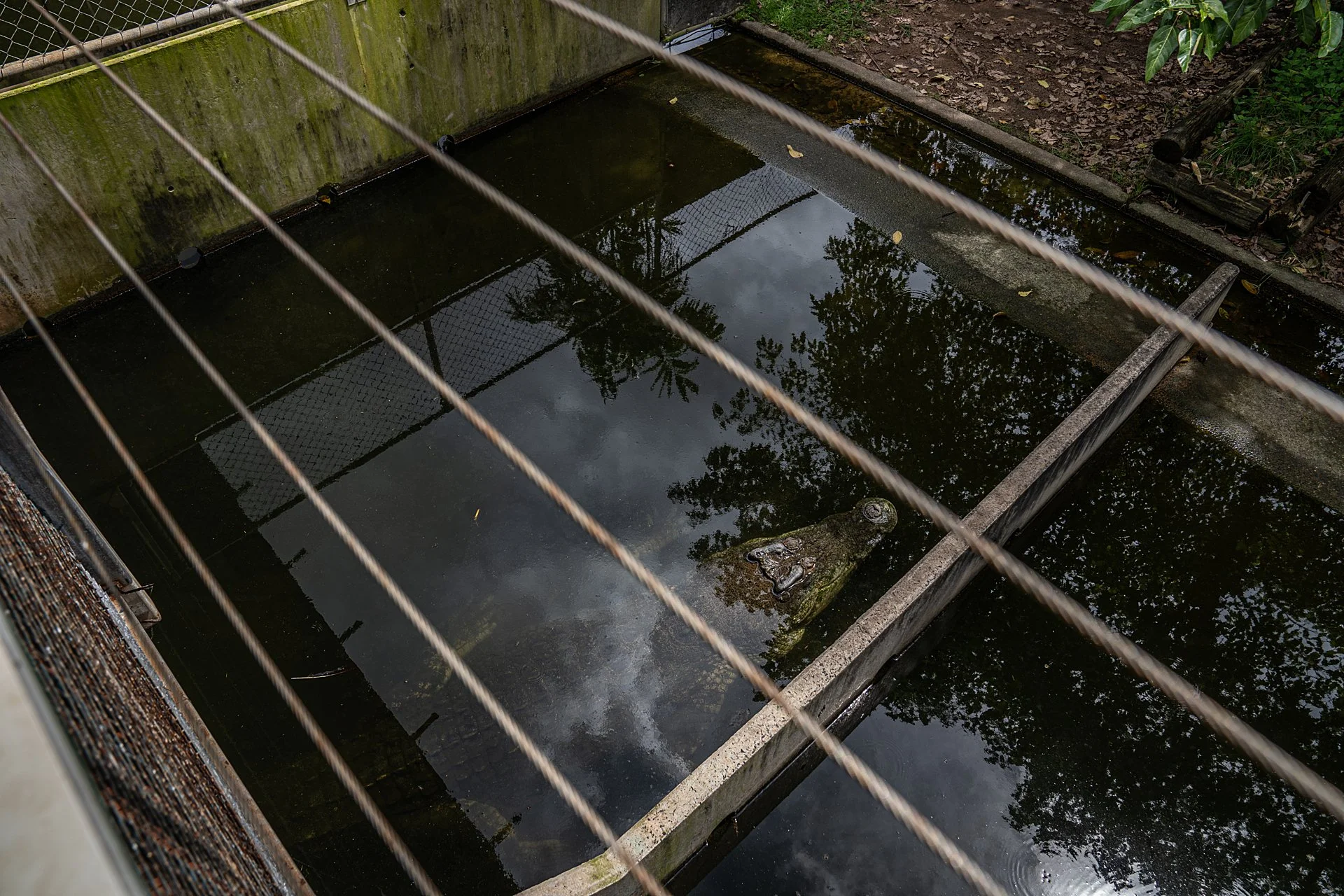
Wild-animal skins can come from territories as diverse as Texas and Zimbabwe, Indonesia and Thailand (and abuse of animals has been observed in all those locations), but if we truly want to get into the bulk of it, we have to go down under: Australia supplies over 60% of the crocodile skins used in fashion. Over 150,000 of these animals are killed in the country annually, and luxury brand Hermès is a major consumer, owning or having other links to several crocodile farms in Australian regions such as Queensland and Northern Territory. The brand has several times been exposed for cruelty to animals – by PETA and the Farm Transparency Project – and is showing no signs of moving away from the abusive industry any time soon. But the company's use of wild skins isn't only connected to the deaths of animals: the harvest of crocodile eggs from the wild has also had human victims. In 2022, egg hunter Chris Wilson died while on a collecting mission via helicopter. Unfazed, the Australian crocodile industry continues to claim that conservation is its priority. However, recent reports show that there are more crocodiles in captivity than in the wild in Australia. “The Australian saltwater crocodile skin industry claims to exist to conserve the species, but more crocodiles live in its concrete pits and cages than in their natural habitat today,” says Collective Fashion Justice founder Emma Håkansson. “This is not conservation, it’s commerce.” And things weren't always this way in Australia: legislation protecting these animals is what truly makes a difference for conservation – not farming them for profit. “Crocodiles were nearly extinct in Australia by the Seventies due to the leather industry, before the shooting and hunting of crocodiles was banned,” says Håkansson. “This ban saw healthy crocodile populations increase. Crocodile factory farming was permitted after this, with the industry wrongfully claiming responsibility for these population increases.” Indeed, the population of saltwater crocodiles in Australia fell as low as 3,000 animals between 1945 and 1970, with over 300,000 of them hunted and killed. In 1975, the Convention on International Trade in Endangered Species of Wild Fauna and Flora came info effect – and one of its purposes is to regulate the use of these animals for fashion.
However, CITES doesn't ban or forbid the commerce of these animals for fashion – nor can it always protect animals from illegal trade practices. Moving on from crocodiles in Australia to pythons in Indonesia, the legality of the industry has also come into question – despite being regulated by CITES, a large part of the Indonesian trade in blood-python skins remains illegal. A 2022 study into harvest quotas by Vincent Nijmans found that “there is no conclusive data to support that the harvest of blood pythons in North Sumatra is sustainable but there is sufficient evidence to suggest that a substantial part of this trade is illegal. Likewise, at a global level there are clear indications of misdeclared, underreported and illegal trade involving (tens of thousands) of blood pythons.” Mongabay noted that Nijman's research also indicates that the current methods used to assess the sustainability of the python trade does not take into account changes in wild populations. PETA has also documented extreme animal abuse at Indonesian farms, which supply high-end fashion brands such as LVMH.
Amid animal welfare scandals and dubious conservation claims, will the wild-animal skins go the way of fur? Public opposition is hard to gauge, as this sliver of the fashion market is reserved for a narrow audience. But if Fashion Weeks and high-end brands are introducing formal bans, it's safe to say interest for the sector is fading. What we can look forward to, as often, is material innovation: UK-based BEEN London, for example, is launching a fully vegan snakeskin-pattern handbag made from brewery waste. Whether such innovations will replace snakes, crocodiles and other wild animals is yet to see – but one thing is certain, they will not drive them to extinction.
Please join Species Unite in urging Louis Vuitton to end its use of exotic skins and the exploitation of crocodiles. It’s time for Louis Vuitton to get with the times and end its outdated, archaic dependence on exotic animal skins to meet the demands of today’s compassionate consumers.

Written by Sascha Camilli
Sascha Camill is a writer, speaker and vegan fashion expert. She founded the world's first digital vegan fashion magazine Vilda, and is the author of Vegan Style: Your Plant-Based Guide to Beauty, Fashion, Home & Travel. Her podcast, Catwalk Rebel, is out now.
We Have A Favor To Ask…
Species Unite amplifies well-researched solutions to some of the most abusive animal industries operating today.
At this crucial moment, with worldwide momentum for change building, it’s vital we share these animal-free solutions with the world - and we need your help.
We’re a nonprofit, and so to keep sharing these solutions, we’re relying on you - with your support, we can continue our essential work in growing a powerful community of animal advocates this year.



Some developers suggest that adopting cultivated meat could also improve animal welfare by significantly reducing the number of farmed animals slaughtered.