
Stella McCartney celebrated on the cover of TIME Magazine
The eco-conscious designer is recognized for her commitment to Earth-friendly fashion.

Credit: STELLA
British fashion designer Stella McCartney, who has been at the helm of her eponymous fashion brand for 25 years, was celebrated as one of TIME Magazine's Earth Award winners and appears on the cover of the most recent issue of the publication.
Famed for never having used fur, leather, or feathers in her designs, McCartney has made a name for herself as a proponent of planet-conscious style.
“Growing up with animals all around me and not eating animals, not killing them, I began to make connections that I think were more with the planet,” says McCartney in her interview with TIME's Ayesha Javed. ““Billions and billions [of animals] are killed every year for handbags and shoes and jackets. It’s kind of ridiculous. And I’m showing there is an alternative.”
After studying at Central St Martins, Stella McCartney was creative director of fashion house Chloè for four years before launching her fashion label. The brand now operates 51 stores, with collections being distributed in 77 countries.
The designer's most iconic creation is the Falabella bag, one of the most coveted designs in fashion – the vegan-friendly fold-over tote comes in a variety of versions and has been carried by countless celebrities.
Named PETA's Person of the Year in 2024, McCartney has narrated one of the group's exposés of the leather trade and fronted its Feather-Free Pledge which calls on designers, brands and retailers to steer clear of bird feathers in their collections.
The same year, the company also led a “No Leather Ever” protest at its flagship store in New York City in collaboration with PETA.
“Stella McCartney’s rallying cry for cows and birds is just her latest wonderful action in a long career spent creating fabulous designs free of leather, feathers, and fur,” says PETA Founder Ingrid Newkirk when recognising McCartney's work. “PETA is delighted to recognise her as our 2024 Person of the Year and urges brands still stealing what belongs on animals’ backs to take a page out of her lookbook and embrace creative, animal-friendly materials.”
McCartney is a champion of these materials – she was the first designer to work with ECOPEL's revolutionary bio-based KOBA fur, partially made from corn.
In 2025, she pioneered plant-based innovation by showcasing entirely plastic-free vegan feathers from British brand Fevvers on the Paris Fashion Week catwalk.
“Every season, we’re told that [birds’] suffering is the price of fashion. I refuse to believe that. That’s why I am beyond excited to be working with Fevvers,” McCartney told VOGUE at the time. “The innovation is just insanely beautiful, and we have created some of the most striking couture pieces I have ever seen. It’s not only the world’s first plant-based feather alternative, but it’s also proof that brands who continue to use feathers are choosing cruelty over creativity.”
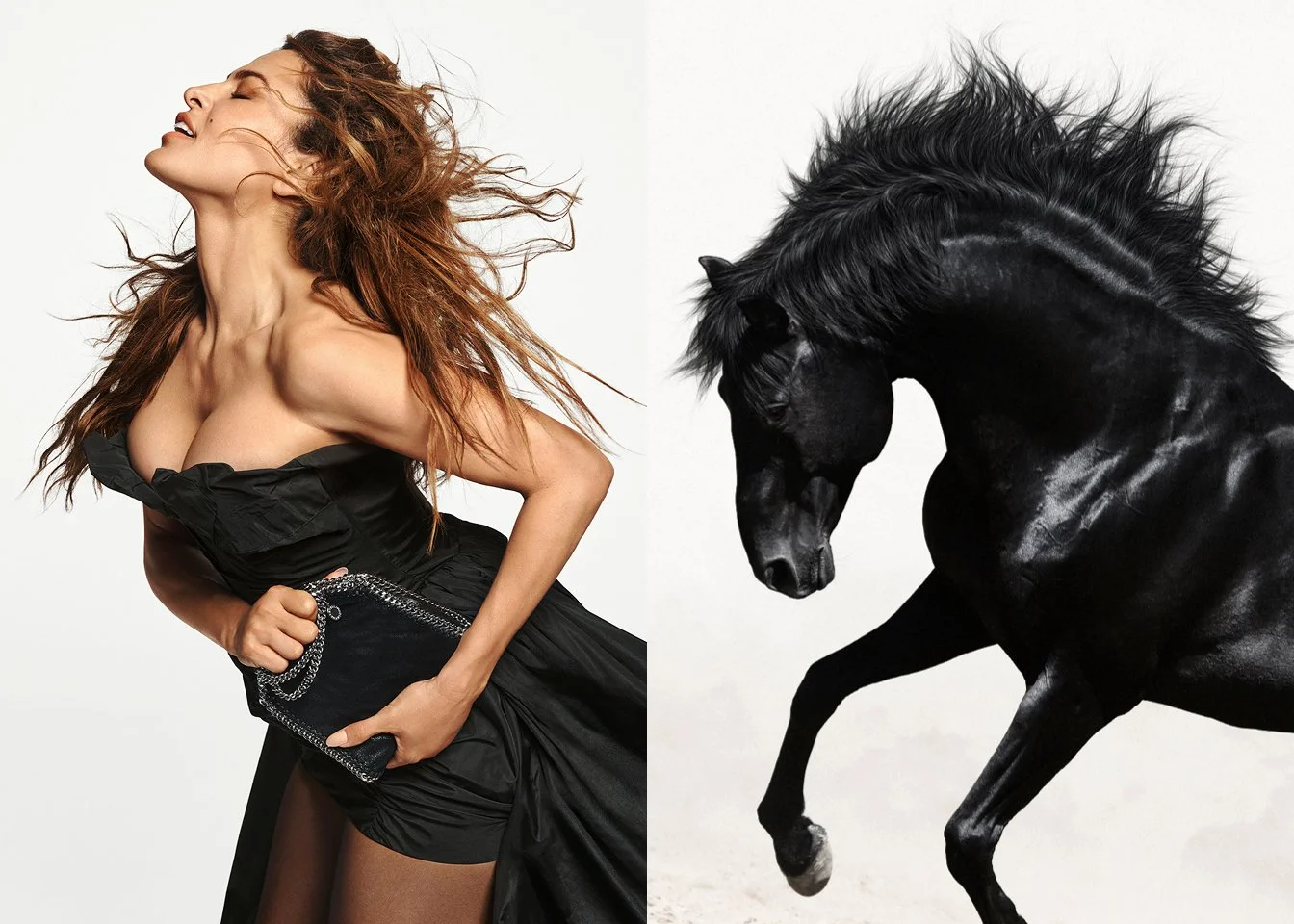
Credit: Stella McCartney 2024 Winter Ad campaign
A long-time vegan (her parents, Beatles legend Paul McCartney and photographer, musician and activist Linda, were outspoken about their support of the cause), McCartney also works towards environmental sustainability in fashion.
Her brand has been PVC-free since 2010 and actively works against deforestation by never sourcing materials such as viscose from ancient, protected or endangered forests.
The brand has worked with a vast variety of plant-based leathers, such as Mylo mushroom leather, VEGEA grape leather, Uppeal apple leather, and plastic-free vegan leather MIRUM.
The innovative designer has also used yarns made from bananas and pineapples in her collections. In the brand's 25thanniversary year, the range is now made from over 90% sustainable materials.
“I hope to inspire and just let other people know that you can have a business model that works in that way,” says McCartney in her TIME interview. “I think it’s a much nicer way to work."
So many leading fashion brands and designers like Stella McCartney that have made the ethical choice to go fur-free. Fendi, however, is one of the hold-out villains of the fashion world and the brand continues to sell products made from the skins of minks, foxes, sables, chinchillas, and even bobcats. Please join Species Unite in urging Fendi to get with the times and stop using fur - add your name here.
We Have A Favor To Ask…
Species Unite amplifies well-researched solutions to some of the most abusive animal industries operating today.
At this crucial moment, with worldwide momentum for change building, it’s vital we share these animal-free solutions with the world - and we need your help.
We’re a nonprofit, and so to keep sharing these solutions, we’re relying on you - with your support, we can continue our essential work in growing a powerful community of animal advocates this year.
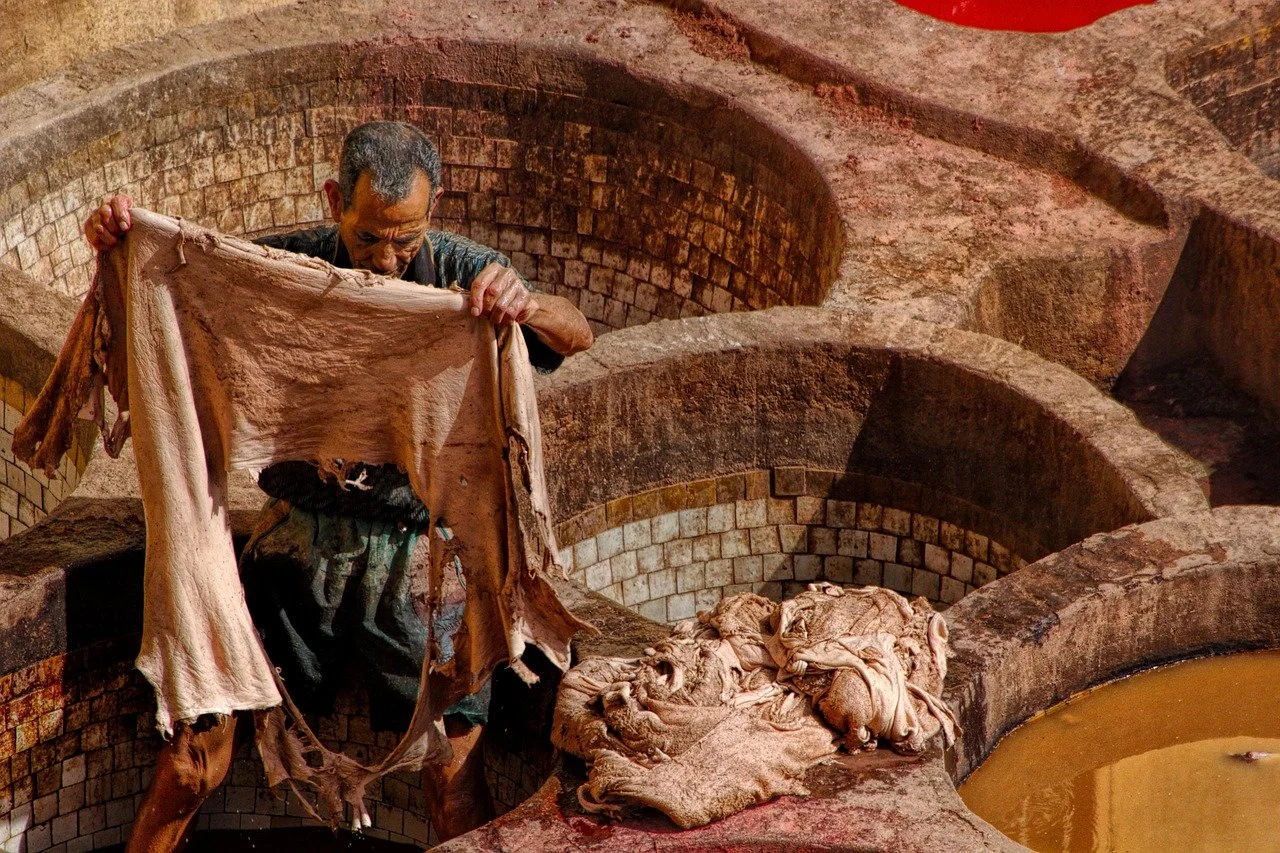


From the Amazon to Australia to Indonesia, the fashion industry's appetite for animal and plant-derived materials is leaving a trail of destruction that no certification scheme has yet managed to stop.