
New footage puts Iceland's last mink farm under scrutiny
New footage from inside three Icelandic mink farms has renewed calls for a ban, as the country's fur industry reaches its final chapter.
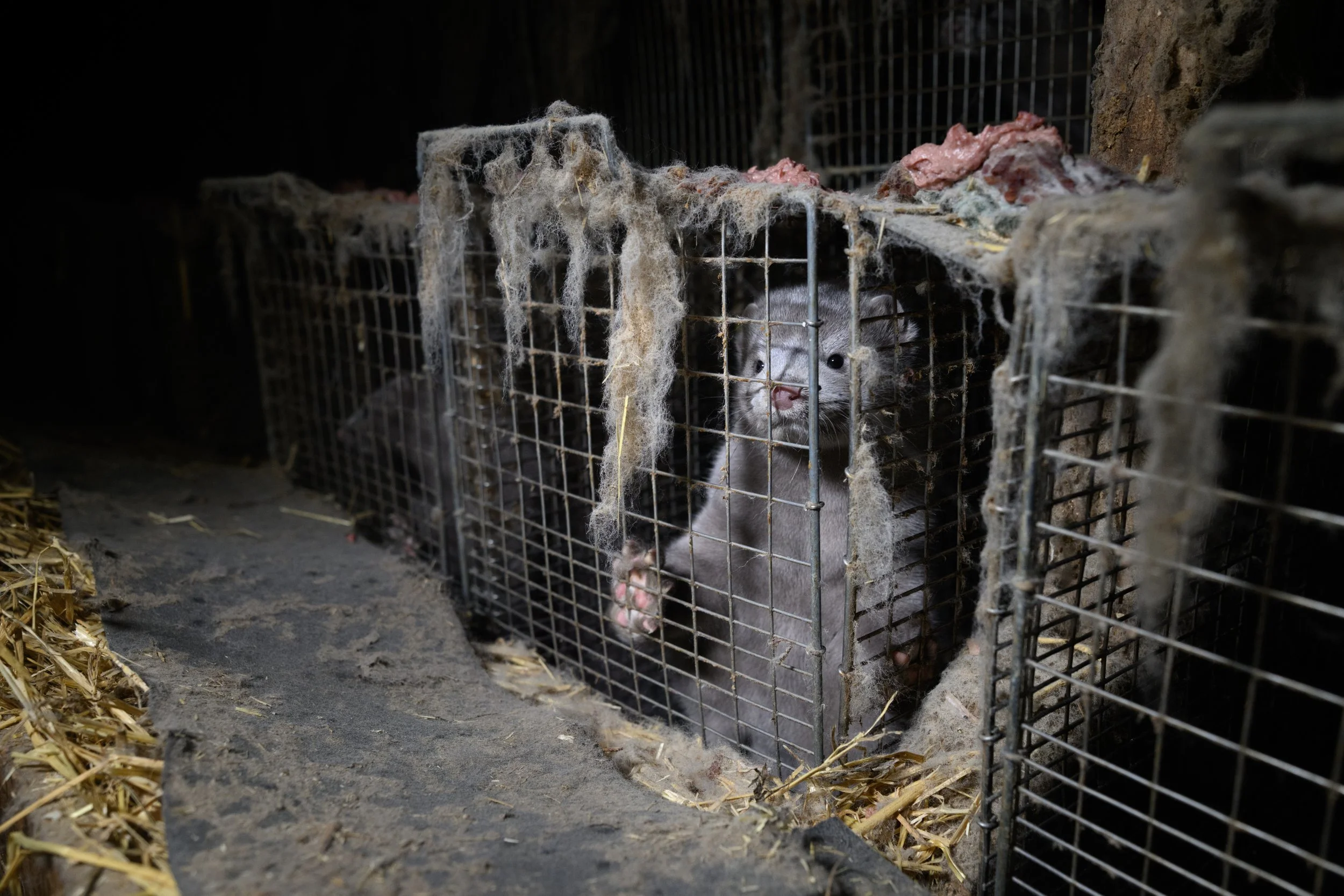
Nedri Dalur mink fur farm Iceland November 2025. Credit: Juho Kerola / N/A
New footage documenting conditions inside Icelandic mink farms has renewed calls for a nationwide ban on fur farming, as the country's once-sizeable industry approaches its final chapter.
The footage shows mink pacing in cramped wire cages, animals with untreated wounds and infections, signs of self-mutilation, and the bodies of dead mink left beside living animals.
Finnish photographer Kristo Muurima, alongside two Finnish animal rights activists, documented conditions inside three Icelandic mink farms and supplied their undercover footage to global anti-fur campaigners Humane World for Animals and Icelandic partners Samtök um dýravelferð á Íslandi (Animal Welfare Iceland).
The collapse of Iceland’s fur industry has been rapid. In 2013, 43 fur farms operated across the country. By 2024, only six remained. Shortly after the investigation was conducted, five of those six farms - including all three documented - closed their doors, reportedly due to financial failure. One facility now remains: the Dalsbú fur farm in Mosfellsdalur, 30 minutes from Reykjavík.
Freedom of Information requests to the Icelandic Food and Veterinary Authority (MAST) reveal repeated findings of welfare violations at the remaining farm, including animals with bite wounds, abscesses, and signs of cannibalism.
Dr. Rósa Líf Darradóttir, chairwoman of Animal Welfare Iceland, said the findings underline the need for legislative action. “It’s clear from MAST reports that serious animal welfare concerns have repeatedly been raised at the last remaining fur farm. Iceland’s constitution protects the freedom to pursue one’s occupation, but that freedom may be restricted when it conflicts with the public interest.
“Upholding our Animal Welfare Act and minimizing zoonotic and biosecurity risks is clearly in the public interest,” she continued.
“We urge the government to pass legislation to ban fur farming here forever,” Darradóttir added.
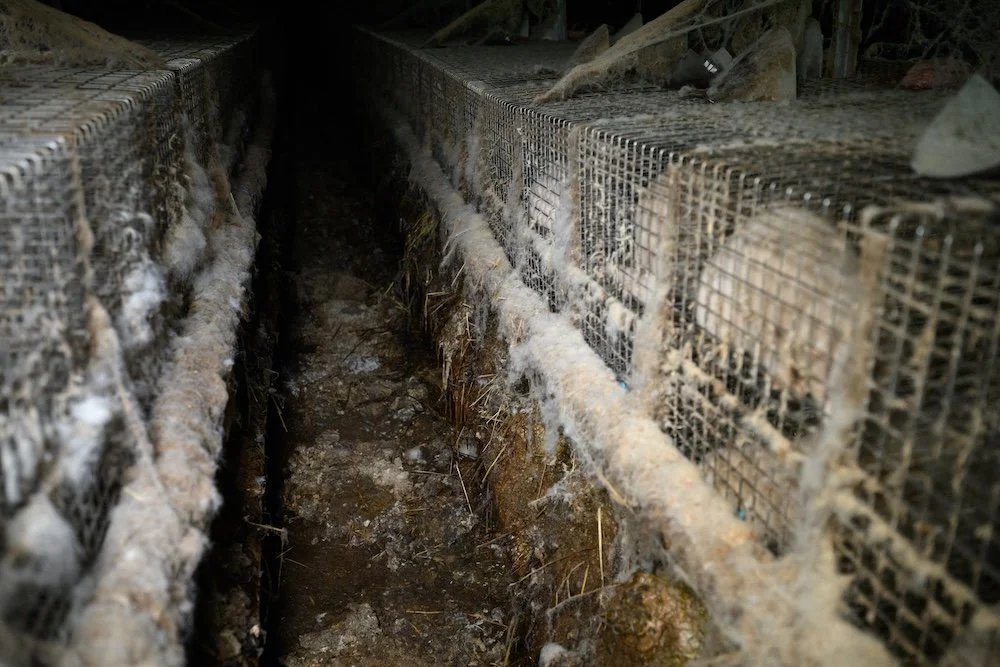
Mink fur farm Iceland November 2025. Credit: Juho Kerola / N/A
Following the broadcast of the investigation on national TV, Iceland Fashion Week has introduced a fur-free policy for participating local and international designers. The Icelandic fashion week, which takes place in Reykjavik in September, joins fashion weeks in Copenhagen, London and New York which have also dropped the use of fur.
“Bravo to Iceland Fashion Week Iceland for taking fur off its catwalks and event spaces and making compassion for animals an enduring fashion trend,” said PJ Smith, director of fashion policy at Humane World for Animals. “Material innovation such as bio-based animal-free fur alternatives, are paving the way for a fur-free future of creativity and beauty without animal suffering.”
A global industry in decline
Iceland is not alone. Fur farming is disappearing across Europe as consumer demand falls and designers and retailers move away from animal fur. Twenty-four European countries have already enacted bans.
Despite declining demand, mink pelts from Iceland continue to be produced, often sold below the cost of production. Public funding has continued to support the industry. More than 1.5 million EU citizens signed the Fur Free Europe Citizens' Initiative calling for a continent-wide ban. The European Commission concluded that outright bans would have "significant economic impacts" on remaining fur-producing regions, and instead plans to propose EU-wide welfare standards for mink, foxes, raccoon dogs, and chinchillas by the end of 2027.
The public health implications have also drawn attention. Mink on nearly 500 farms across 13 countries have been infected with COVID-19, and Highly Pathogenic Avian Influenza (H5N1) has been detected on 72 European fur farms to date.
What happens next
The footage from the three Icelandic farms captures the daily reality for mink in the industry. Mink are naturally solitary and territorial animals that in the wild roam large areas, swim, and hunt. On fur farms, they are confined to small cages with no access to water for swimming and limited ability to express natural behaviors.
Animal Welfare Iceland and Humane World for Animals are calling on the Icelandic government to pass legislation banning fur farming before the next breeding season. A public action is open for signatures.
Did you know rabbits, foxes, mink, coyotes, beavers, lynx, and more are killed so that individuals can buy and sell their pelts on Etsy? Species Unite is calling on the platform to ban the sale of fur products. You can add your name to the petition here.
We Have A Favor To Ask…
Species Unite amplifies well-researched solutions to some of the most abusive animal industries operating today.
At this crucial moment, with worldwide momentum for change building, it’s vital we share these animal-free solutions with the world - and we need your help.
We’re a nonprofit, and so to keep sharing these solutions, we’re relying on you - with your support, we can continue our essential work in growing a powerful community of animal advocates this year.

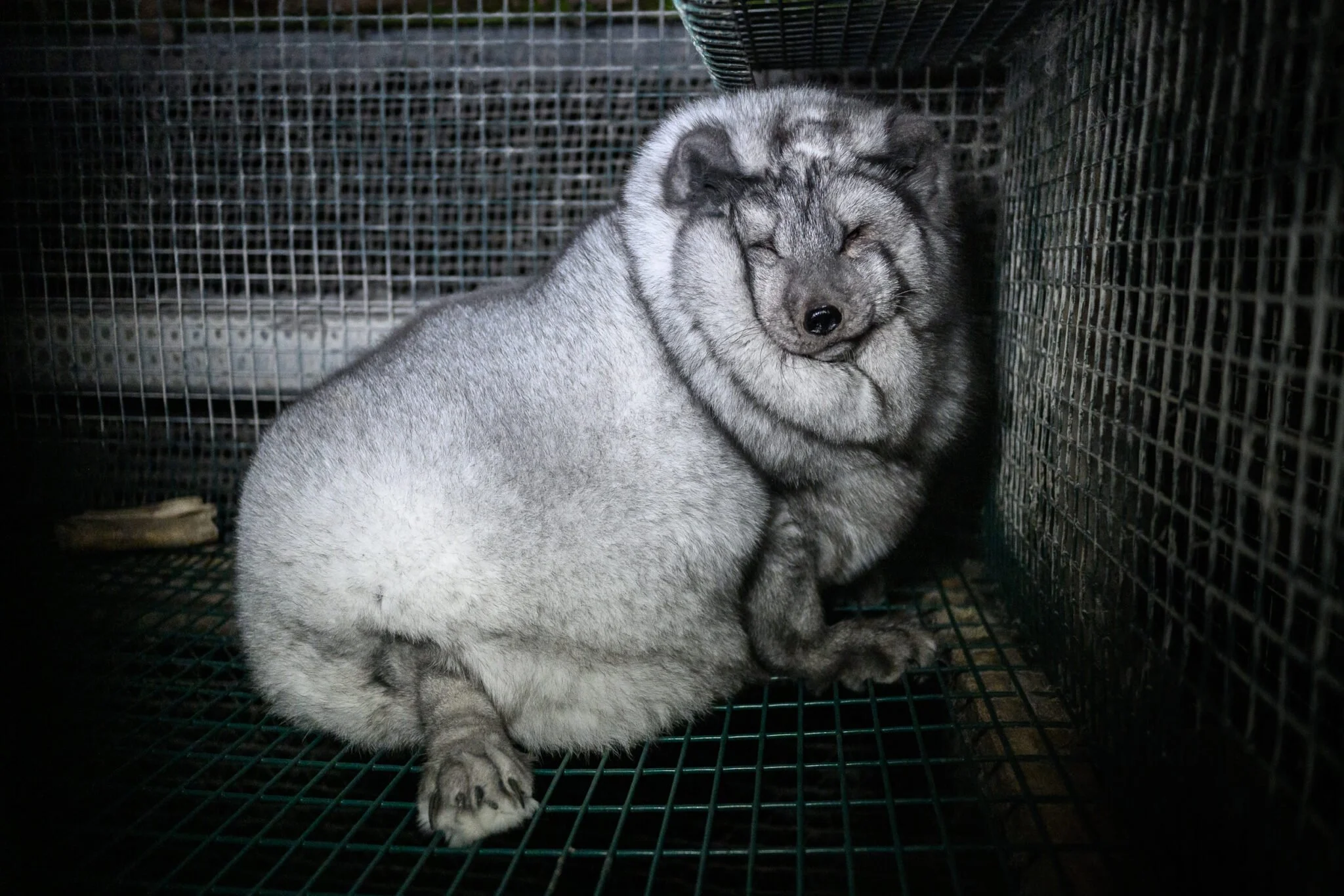

A group of British lawmakers is calling on the Ministry of Defence to end the use of real bearskin caps, as new data shows orders for real bear pelts have surged.