
Leaked video reveals monkeys living in squalor in the largest lab in the US
An animal rights group has filed a complaint against research center at University of Louisiana.
A whistleblower video leaked from the New Iberia Research Center (NIRC) operated by the University of Louisiana at Lafayette and released by People for the Ethical Treatment of Animals (PETA) shows long-tailed macaques, rhesus monkeys and African green monkeys living in steel cages the size of a kitchen cabinet, with no bedding and very scant enrichment.
The animals spend their entire lives surrounded by urine, feces, and rotting food. Many exhibited hair loss – a sign of significant stress. One female monkey also had large head wounds.
The New Iberia Research Center is the largest primate laboratory in the US. It houses 12,000 monkeys and holds several contracts with big pharmaceutical companies. The center receives millions of dollars in government grants.
“The New Iberia Research Center depicted in the video looks like it produces misery, not science,” says PETA Chief Science Advisor on Primate Experimentation Dr. Lisa Jones-Engel. “These appalling conditions drive psychological distress, physical deterioration, and disease risk in animals who are entirely dependent on human care.”
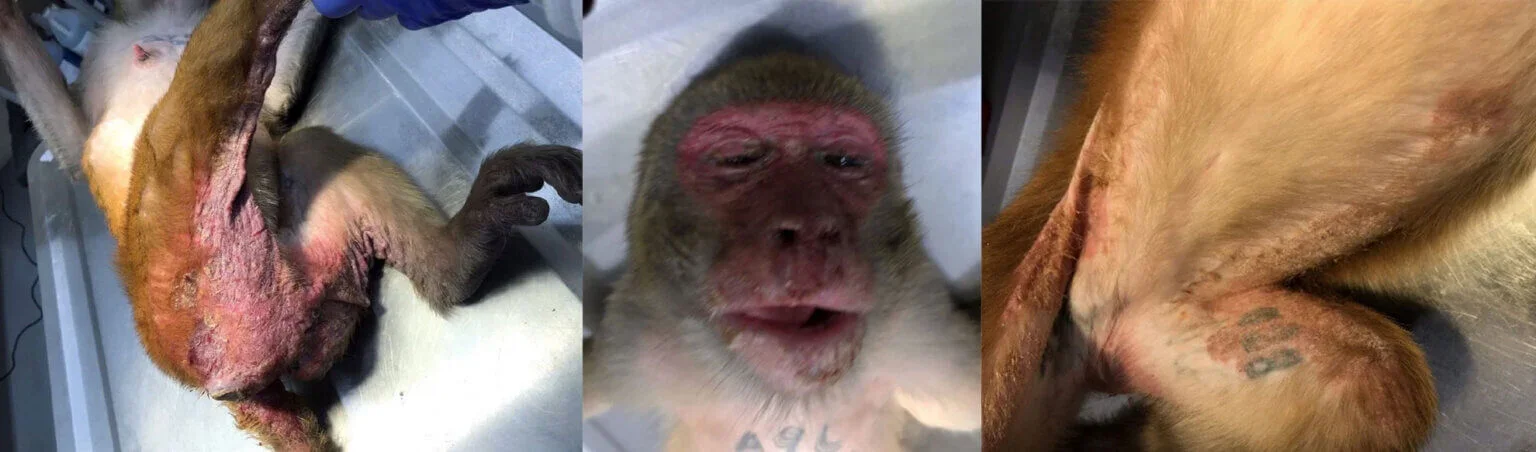
A rhesus macaque at NIRC known as “Helen” suffered from chronic, severe skin irritation for years that was never resolved. Eventually it became so severe that staff had to euthanize her. Credit: Photo obtained by Rise for Animals through a public records request.
Following the release of the whistleblower footage, PETA has filed a complaint with the US Department of Agriculture, urging Deputy Administrator Bernadette Juarez to investigate the center. PETA has also called on the National Institute of Health to suspend funding to the facility.
In its letter, the organisation mentions the video depicting “chronic cold exposure, accumulated waste, unmanaged illness, inadequate enrichment, and prolonged isolation.”
It also mentions that in 2025, nineteen rhesus macaques died during a period when outdoor temperatures fell as low as 2°F.
“The USDA determined that the monkeys were not acclimated to such temperatures and that outdoor housing did not provide adequate shelter from wind and cold,” the letter states.
The facility has been fined more than $158,000 by the USDA since 2007, and the letter also states that these conditions appear inconsistent with federal animal welfare regulations.
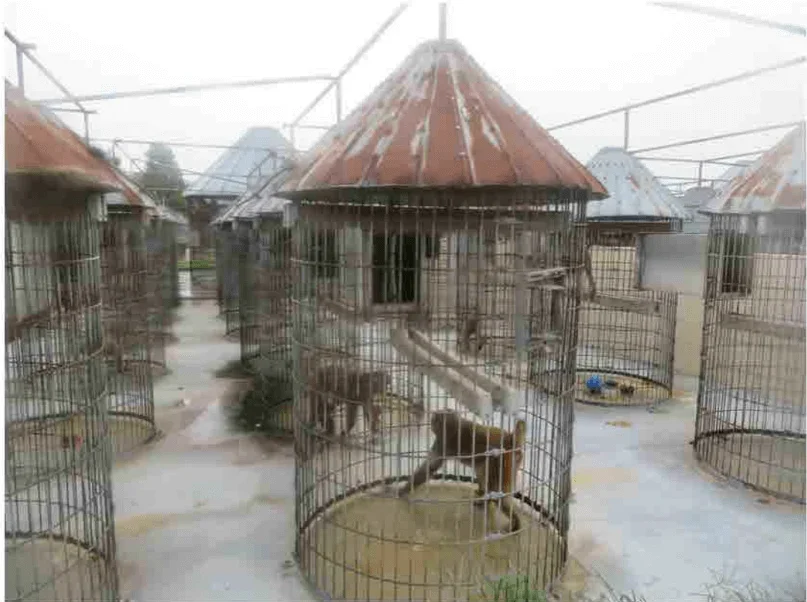
Rhesus macaques at New Iberia Research Center are housed in desolate cages with improper shelter from the elements. Obtained through FOIA by PETA
“Continuing to fund NIRC does not merely risk animal suffering; it risks the integrity of the science NIH is charged with stewarding,” writes Jones-Engel. “Public funds should not subsidize a facility where basic animal welfare standards have repeatedly failed. We urge NIH to terminate current funding and decline future awards to NIRC, and direct funding to human-based research technologies consistent with agency priorities.”
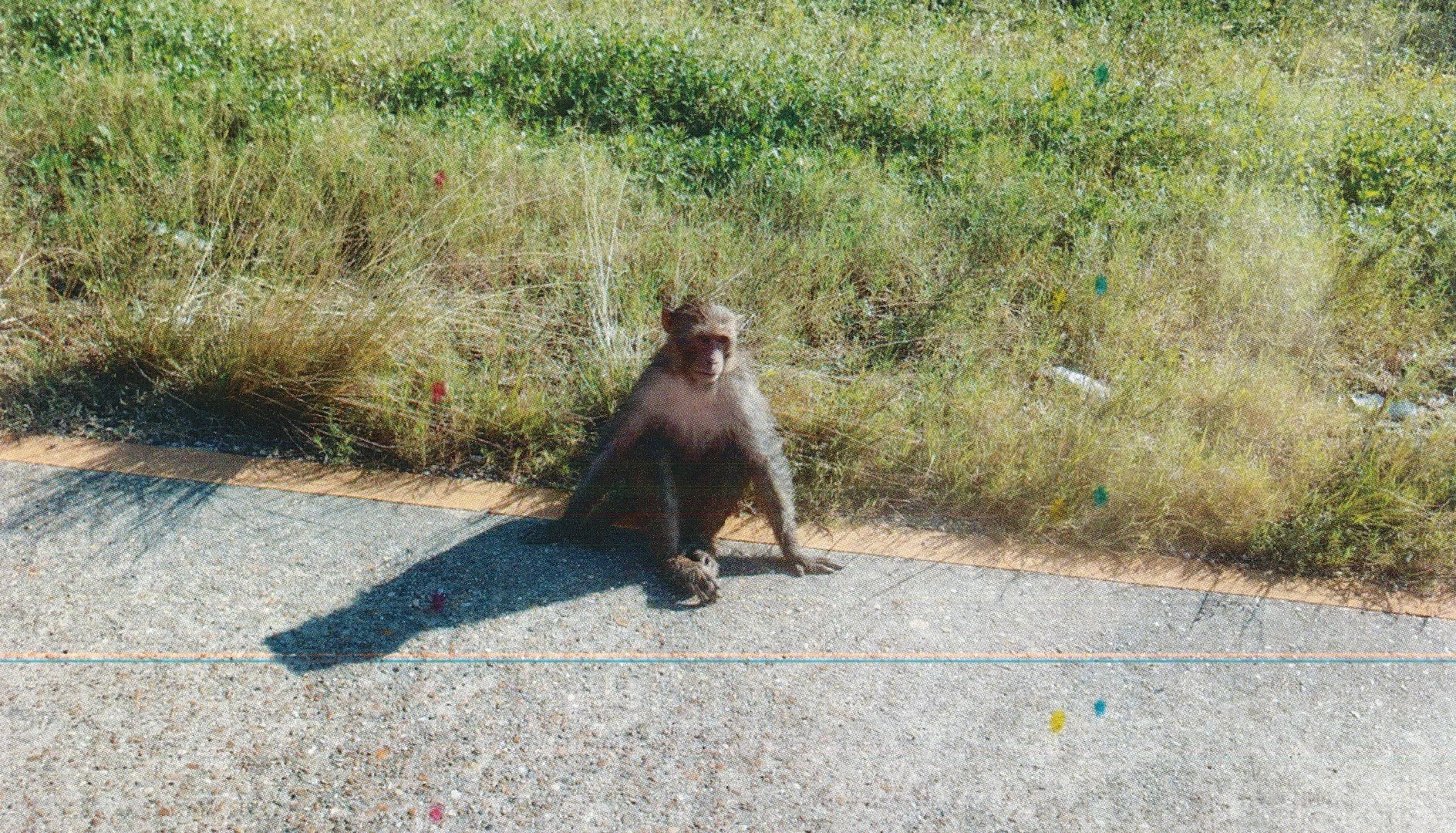
A 5-year-old male rhesus macaque—known only as “A13X040″—escaped from the facility and fled into nearby woods. Two days after experimenters noticed the escape, the macaque was found on a roadway and brought back to his prison. Credit: PETA
In their natural homes (they are native to Asia, North Africa and Gibraltar), macaques live in tight-knit groups, travel several miles each day exploring diverse habitats, and cuddle together to sleep in trees by night.
All the monkey species used in the center tend to form long-lasting relationships and live in stable groups in their habitats. At NIRC, these animals are used for biomedical experiments, with most of them killed when the experiment is over.
Animal-free research methods include “organ-on-a-chip” technology, cell culture models, computer modelling, and 3D organoids among others. Commonly, these more modern, state-of-the-art methods provide more reliable and accurate results than using animals' bodies.
Watch and share: 30,000 Monkeys in Our Backyard. This new Species Unite documentary exposes the hidden realities of the animal research trade and reveals what happens when corporate power meets small-town America.
PETA is urging the USDA to investigate the apparent Animal Welfare Act violations depicted in the footage captured by the whistleblower, and urging the National Institutes of Health not to renew grants or contracts with the center. You can help by taking action to urge the National Institutes of Health to stop funneling millions of dollars into this monkey laboratory.
We Have A Favor To Ask…
Species Unite amplifies well-researched solutions to some of the most abusive animal industries operating today.
At this crucial moment, with worldwide momentum for change building, it’s vital we share these animal-free solutions with the world - and we need your help.
We’re a nonprofit, and so to keep sharing these solutions, we’re relying on you - with your support, we can continue our essential work in growing a powerful community of animal advocates this year.

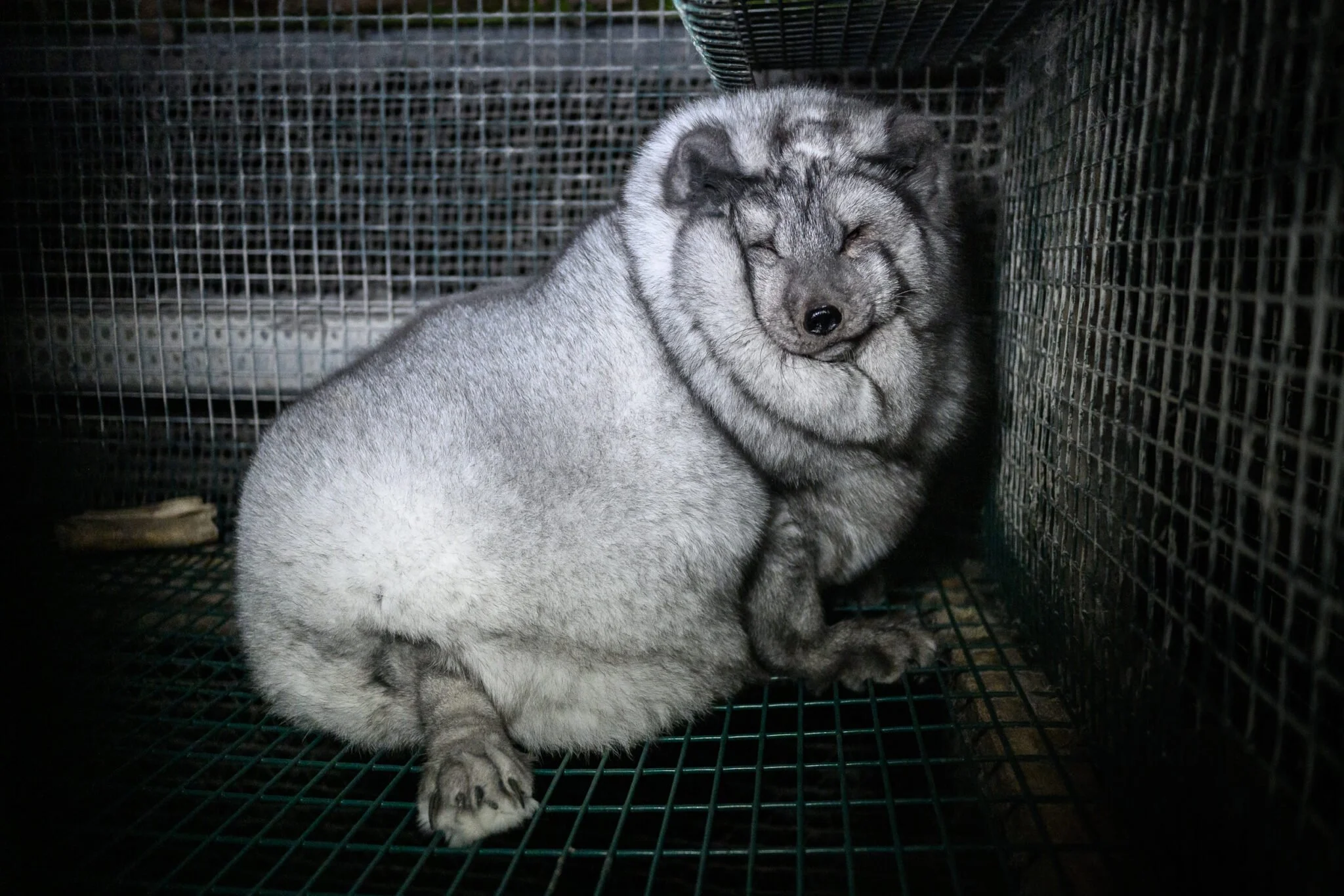

A group of British lawmakers is calling on the Ministry of Defence to end the use of real bearskin caps, as new data shows orders for real bear pelts have surged.