
The animals in your wardrobe you never knew were there
When it comes to animals in fashion, fur and leather tend to dominate the conversation. But what if they were only part of the story?
Most people have no idea what goes into making their clothes. Or that every year, an estimated 100 million animals are used for materials that fill the average wardrobe. These fabrics are marketed as natural, sustainable, and even ethical. The reality, documented through years of undercover investigations on multiple continents, tells a different story.
Read on to find out which animals might be hiding in your wardrobe - and what to wear instead.
Angora
Credit: We Animals
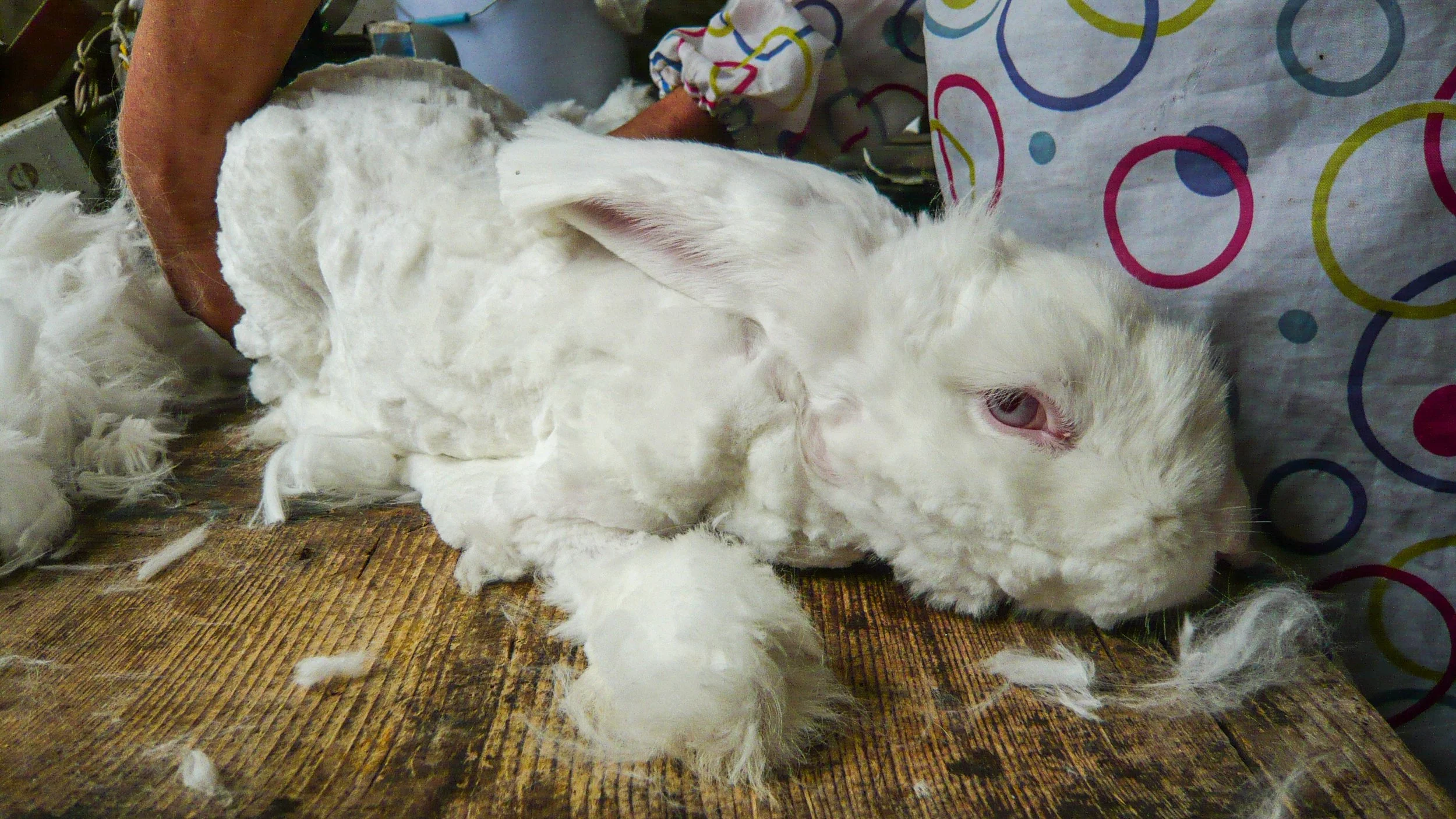
A material that used to show up in blended knitwear, angora never received much attention until investigative footage from PETA revealed the reality of rabbits raised in tiny, dirty cages and being strapped to wooden boards to have their fur torn from their bodies for angora harvesting. Hearing the screams of the fully conscious rabbits made countless consumers turn away from the angora industry, leading to over 500 brands banning the material from their ranges. Recent progress includes Gwyneth Paltrow's Goop website removing angora products after criticism about production practices.
Animal-free option: when sustainably produced and harvested, bamboo is a regenerative material that is strong and resistant, and can be used in soft, silky knits.
Silk

Silk worms being boiled alive at a silk farm. Credit: Amy Jones/Moving Animals
Contrary to popular belief, silk is not a plant-based material - even if mulberry plants are involved. They are the primary food source of silkworms, who are boiled in their cocoons to extract the yarn that silk is spun from. The boiling process sees a huge number of silkworms lose their lives: it is estimated that 6,600 worms die to make just one kilogram of silk. So-called "peace silk" is often touted as the humane choice, as it allows the worms to live out their natural lifespans - but an investigation by Beauty Without Cruelty India have found moths being kept refrigerated, and discarded when no longer useful. There have also been reports of conventionally made silk being sold with the "peace silk" label.
Animal-free option: Cupro is a cellulose fibre made from cotton linters. It is made in a closed-loop process, which re-uses water and chemicals in the process. Ramie derives from nettles - this fabric is strong and resistant, with low requirements for water and chemicals.
Mohair
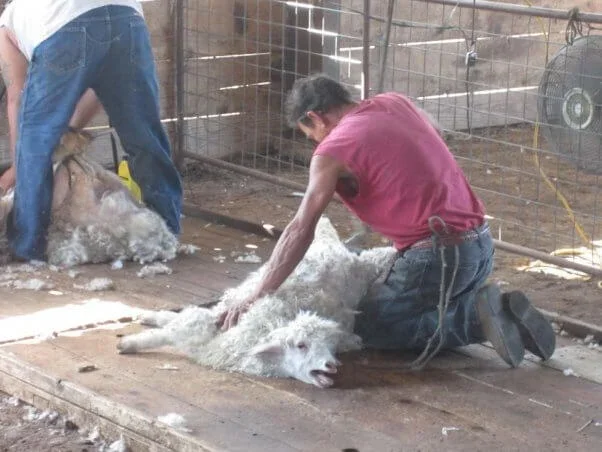
Like angora, mohair used to be commonly present in blended knitwear, with many customers unaware of its origins. Mohair derives from a specific type of goat and is primarily produced in South Africa. Investigations into "humane" and "responsibly made" mohair produced under Textile Exchange's Responsible Mohair Standard have proven that despite this certification, animals were hit with brooms and poles, dragged by their horns and legs, and pinned to the ground.
“There is nothing ‘responsible’ about these shearing sheds where animals scream in pain, all for someone’s mohair suit or sweater. Mohair has been banned by around 300 brands, proving that opposition is on the rise as awareness grows.”
Credit: PETA
Animal-free option: Hemp is among the most sustainable materials in fashion. It is biodegradable, water-efficient and plastic-free, plus it requires no chemical pesticides or fertilizers, making it perfect for organic farming.
Down and other feathers
Credit: We Animals
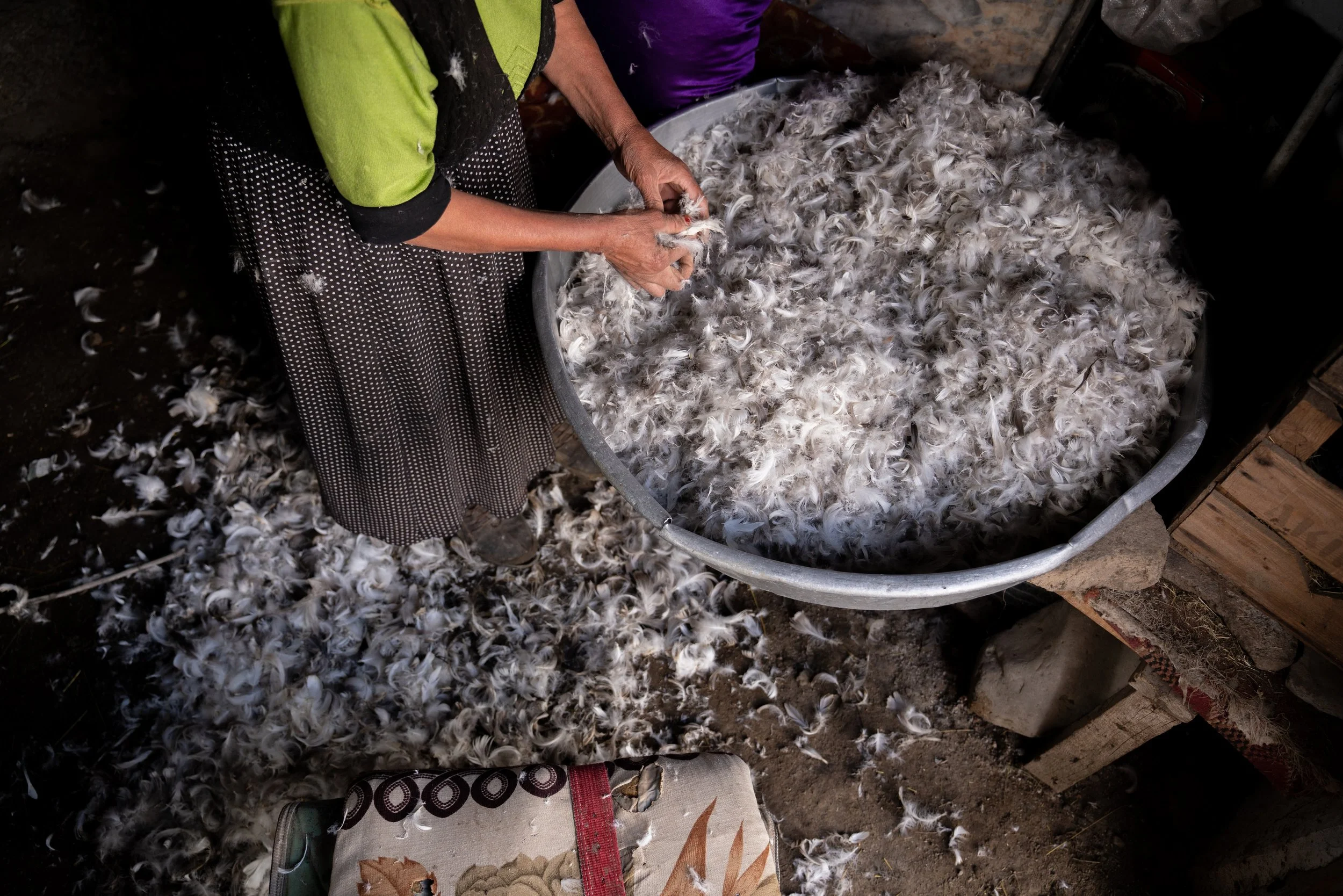
Whether it's a puffer jacket or a feather boa, the fluffy stuff comes with a side of suffering. Geese are loyal animals who mate for life - if a goose's mate gets ill, they will stay by their side even if their flock moves to a new location. But in the factory-farming industry, they don't get to follow any of their natural instincts. They are housed in cramped conditions and often subjected to painful mutilations such as having their beaks cut off. Live-plucking also still commonly occurs in the industry. During this procedure, birds' feathers are torn from their bodies while they are fully conscious. Decorative feathers also come with a cost: those labelled "marabou" are often not derived from marabou storks but from factory-farmed turkeys and chickens. Ostrich feathers can be plucked from live birds or taken from animals killed at just one year old, when in their natural habitat, they could have lived until 40.
Animal-free option: British company Fevvers and French brand Blue District have both created animal-free, plant-based feather options. Pangaia's FLWDRWN is a puffer-jacket filler made from wild plants and flowers, and Save the Duck's Plumtech filler is made from recycled synthetics.
Cashmere
Credit: PETA
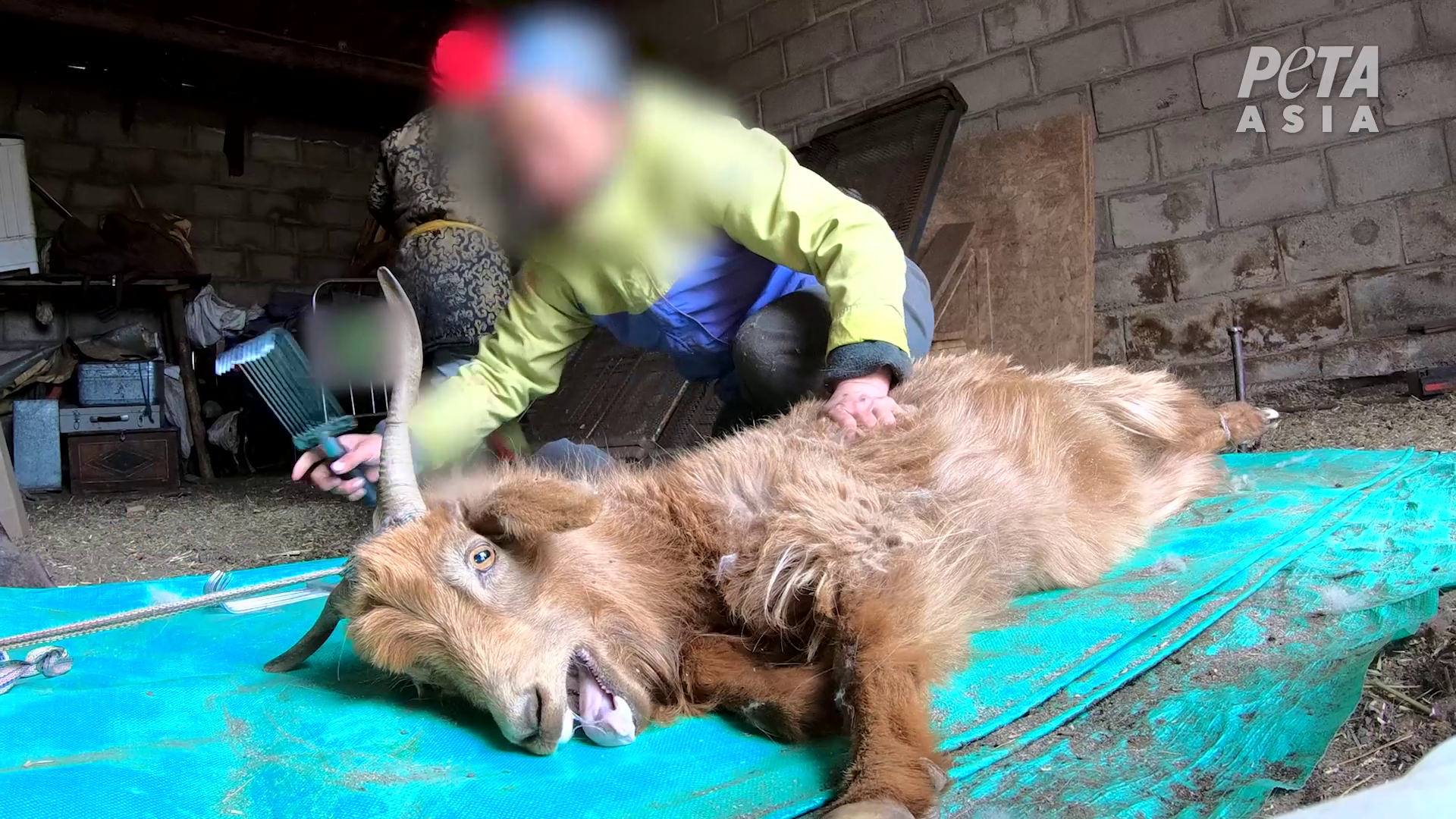
Presented to consumers as a "natural" fabric, cashmere hides a violent reality: during shearing, cashmere goats are forcibly held down and their hair is torn from their bodies with a large metal comb, which is stressful and potentially painful to these sensitive prey animals. This so-called "sustainable" material also comes with an alarming environmental impact: cashmere goats' grazing removes the entire plants with the roots, which contributes to desertification. To make matters worse, cashmere is mainly produced in areas that are already at risk of desertification, such as China and Mongolia - the latter is nearly 80% desertified already. "Cashmere has become increasingly cheap over the years, and this has come at the expense of goats, the people herding them, and their land," writes Collective Fashion Justice founder Emma Håkansson.
Animal-free option: cashmere made from soybeans is biodegradable and breathable, offering the softness and draping properties of animal cashmere.
Bones and horns
Credit: PETA
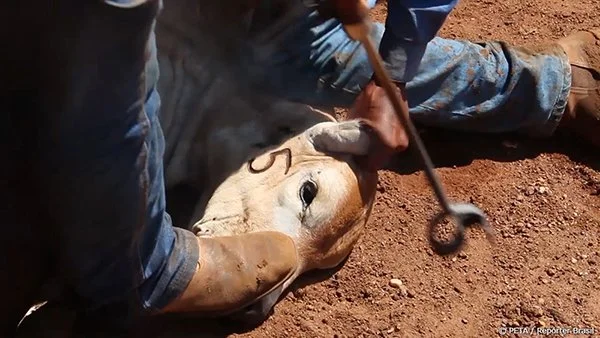
Perhaps not the most common animal-derived materials, animal bones and horns are sometimes used as buttons or other decorative detailing on clothes. Commonly, these materials derive from animal agriculture, where animals are held in extreme confinement, subjected to painful procedures such as branding, tail docking and castration with no pain relief. The explanation that these decorations are "by-products of the food industry" should come as no comfort: most animals used for food don't get to experience anything that makes their lives worth living and are often killed violently and prematurely.
Animal-free option: buttons can be made from corozo, the nut of the Tagua palm tree. These can also be used as a vegan alternative to mother-of-pearl.
Beeswax
Credit: We Animals
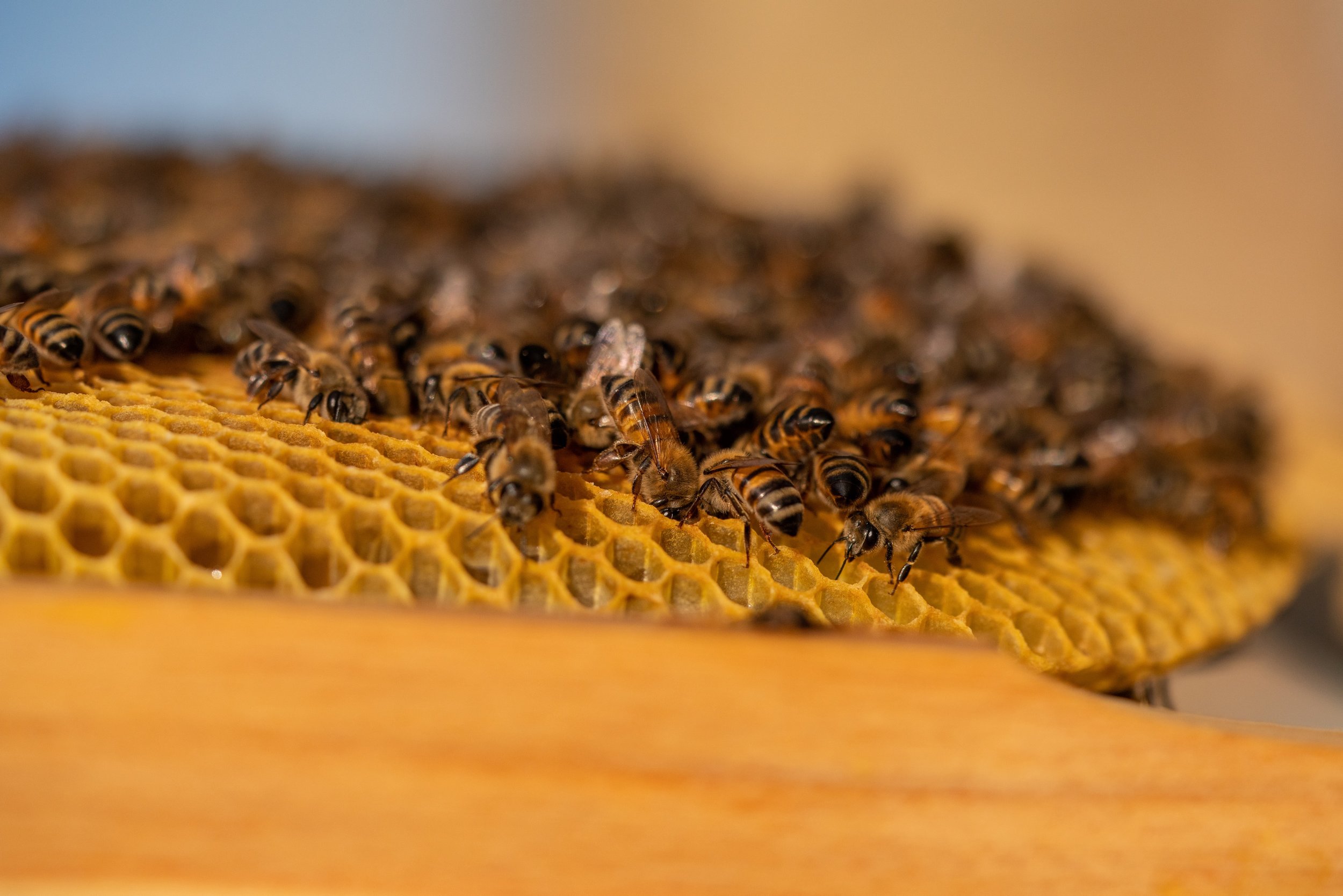
Indeed, this is another little-known ingredient showing up in clothing: this bee-derived product is sometimes used in waxes for clothing, shoes and accessories. Bees, who are vital for our ecosystems, are often abused in the process of producing and harvesting their wax and honey: it is common practice for farmers at larger colonies to cut off the queen bee's wings to stop her from leaving the colony. She is also often artificially inseminated. During transport and handling, bees' fragile wings and legs are often crushed or torn off, and when bees are moved to new colonies, they are sometimes killed by the bees who are already present there. Harvesting honey also removes essential nutrients, which are replaced by nutritionally inadequate sugar water.
Animal-free option: soy wax. A natural product that has the properties of beeswax without the animal abuse.
Wool
Credit: PETA
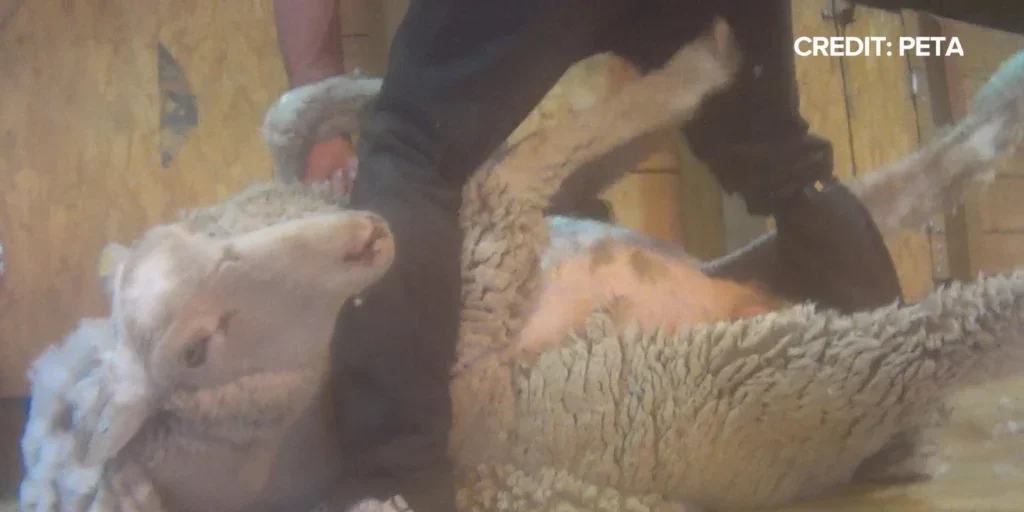
A material many people have worn at some point, wool remains a mystery to many consumers when it comes to its production. PETA entities have conducted16 undercover investigations into over 100 wool-producing facilities on four continents to find cruelty and abuse each time. Workers were seen kicking sheep, hitting them, stomping on their necks, and beating them with metal equipment. During shearing, animals are often held down while they struggle, ending up with wounds that are either left bleeding or sewn with a needle and thread. When wool production declines, sheep are sent to slaughter, dispelling the myth that wool doesn't kill animals. This problematic textile is often presented as "eco-friendly", but as part of animal agriculture, it has a worrying impact: sheep are huge emitters of powerful greenhouse gases such as methane.
Animal-free option: while cotton has its own issues, its production uses 367 times less land than wool and has a 27 times smaller greenhouse-gas emission potential. Choosing organic helps lessen water waste and the use of chemical pesticides and fertilizers.
What you can do
Fashion doesn't have to cost animals their wellbeing. If this piece has moved you to act, here's where to start. H&M is one of the world's largest fashion retailers — and still sells cashmere. As we've seen, behind every cashmere garment is a goat forcibly restrained while their hair is torn from their body with a metal comb. H&M has the scale and the influence to change that. Tell H&M to cancel cashmere and protect goats from suffering.
We Have A Favor To Ask…
Species Unite amplifies well-researched solutions to some of the most abusive animal industries operating today.
At this crucial moment, with worldwide momentum for change building, it’s vital we share these animal-free solutions with the world - and we need your help.
We’re a nonprofit, and so to keep sharing these solutions, we’re relying on you - with your support, we can continue our essential work in growing a powerful community of animal advocates this year.
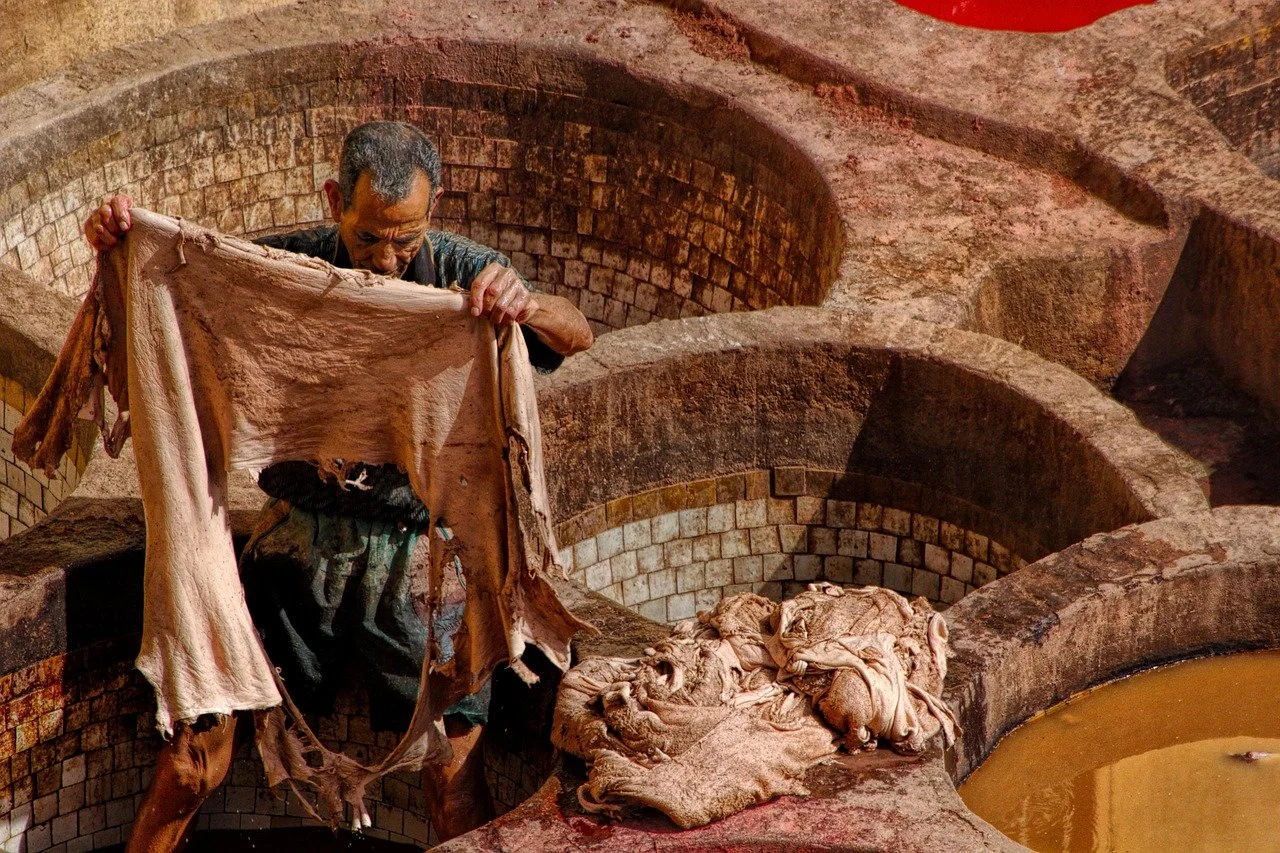

From the Amazon to Australia to Indonesia, the fashion industry's appetite for animal and plant-derived materials is leaving a trail of destruction that no certification scheme has yet managed to stop.