
Sharks and tuna in danger due to overheating, study warns
A new study shows that mesothermic species are in danger of shrinking habitats as oceans warm.
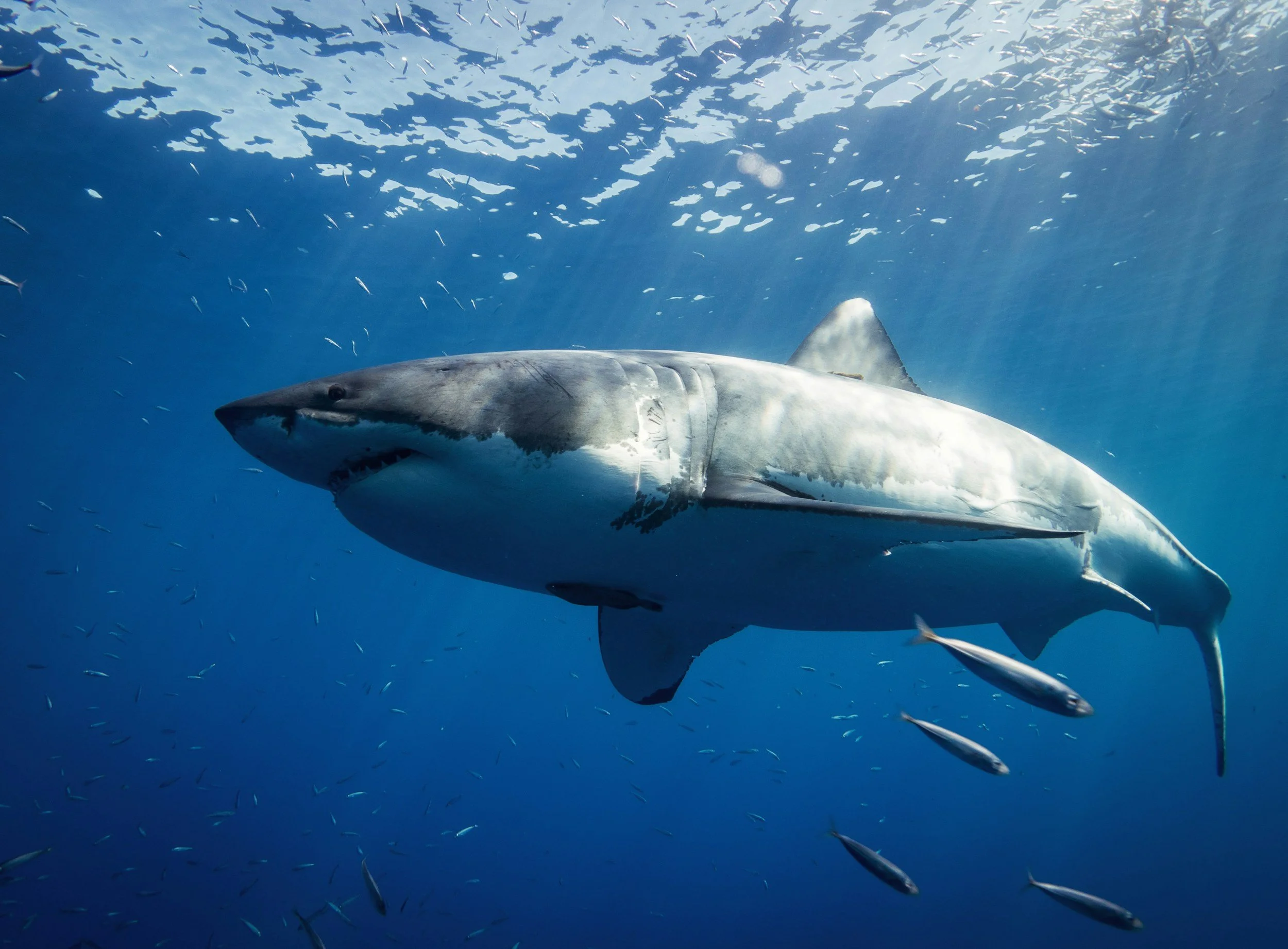
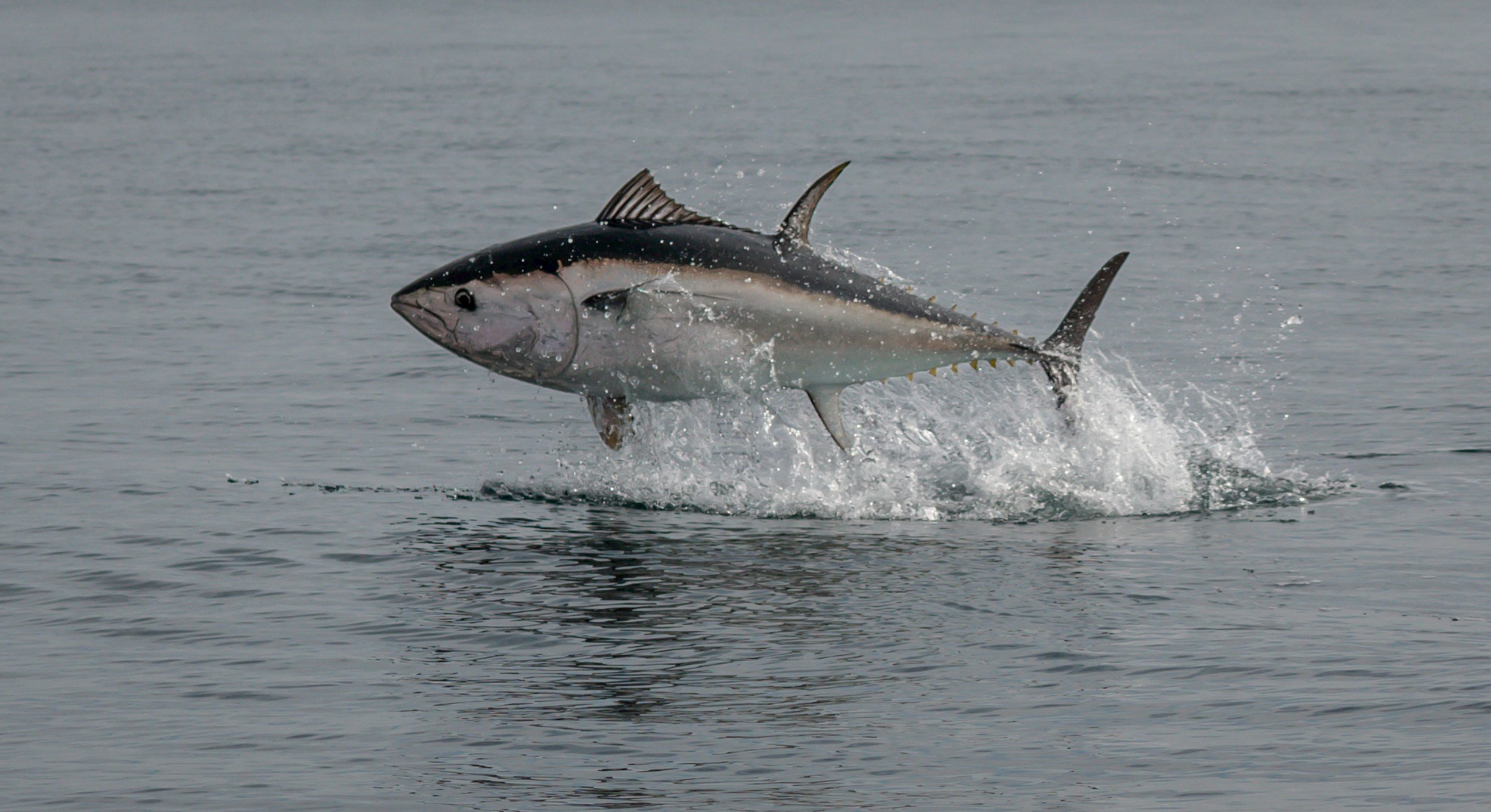
New research is showing that ocean predators such as great white sharks, basking sharks, mako sharks, and tuna are even more in danger from overheating than other species.
Burning nearly four times more energy than cold-blooded fish, tuna and sharks eat larger amounts of food - while also struggling to drop excess heat. With the oceans getting warmer due to the climate crisis and food supplies dwindling, these animals face an even more difficult fight for survival.
The study, from Trinity College Dublin and the University of Pretoria's Faculty of Veterinary Science alongside researchers from institutions in the US, Europe and Japan, also highlighted that as the range of habitable waters for these animals shrinks, it could be likely that they migrate to cooler waters, closer to the poles, to raise chances of survival. They can also be found at higher latitudes and greater depths. Some of the species can adapt temporarily by deeper dives, which may not be enough over time.
These species are mesothermic, meaning that they retain heat, making their body temperatures higher than the surrounding water. Because of this characteristic, which only 0,1% of fish species have, they have better hunting abilities and swim faster than other species.
The disadvantage to being a mesothermic species is, however, that they may require cooler habitats, which are scarcer than ever as the ocean waters continue to heat.
“This research shows that being a high-performance predator in the ocean comes at a greater cost than we previously appreciated,” said Professor Edward Snelling, an experimental physiologist at the University of Pretoria. “As the oceans warm, these species are being pushed closer to their physiological limits, which could have consequences for where they can live and how they survive.”
Oceans are warming mainly due to absorbing greenhouse gases – the oceans are the Earth’s primary heat sink, storing approximately 91% of all surplus heat caused by human-made emissions.
Next to fossil fuels and industrial operations, animal agriculture has many times been found to be a leading cause of greenhouse gas emissions – it has a larger impact than all forms of transport combined.
The sharks’ and tuna’s food supply is also falling due to overfishing, which is affecting oceans worldwide. The number of overfished stocks globally has tripled in the last 50 years, with four million fishing vessels of all sizes active in the world’s oceans.
"What's particularly concerning is that these animals are already operating on a tight energy budget, and climate change is narrowing their options even further, “said Professor Snelling. Understanding these constraints is essential if we want to predict how marine ecosystems will shift in the coming decades."
Learning more about how these animals deal with heat can help scientists preserve marine ecosystems and move towards a future where the animals can survive – but ultimately, the acceleration of the climate catastrophe must be halted, or at least slowed down.
If you’re inspired to take a stand for farmed animals, join Species Unite’s 30-Day Plant-Powered Challenge. It’s a month of free recipes, tips, and daily emails that help you explore delicious plant-based meals and reduce demand for farmed animals. Sign up here to make a compassionate change, one meal at a time.
We Have A Favor To Ask…
Species Unite amplifies well-researched solutions to some of the most abusive animal industries operating today.
At this crucial moment, with worldwide momentum for change building, it’s vital we share these animal-free solutions with the world - and we need your help.
We’re a nonprofit, and so to keep sharing these solutions, we’re relying on you - with your support, we can continue our essential work in growing a powerful community of animal advocates this year.


A group of British lawmakers is calling on the Ministry of Defence to end the use of real bearskin caps, as new data shows orders for real bear pelts have surged.