
80 hippos may be spared from Colombian cull
Eighty hippos descended from Pablo Escobar's private zoo could be saved from a planned cull, after a billionaire's son offered to take them in.
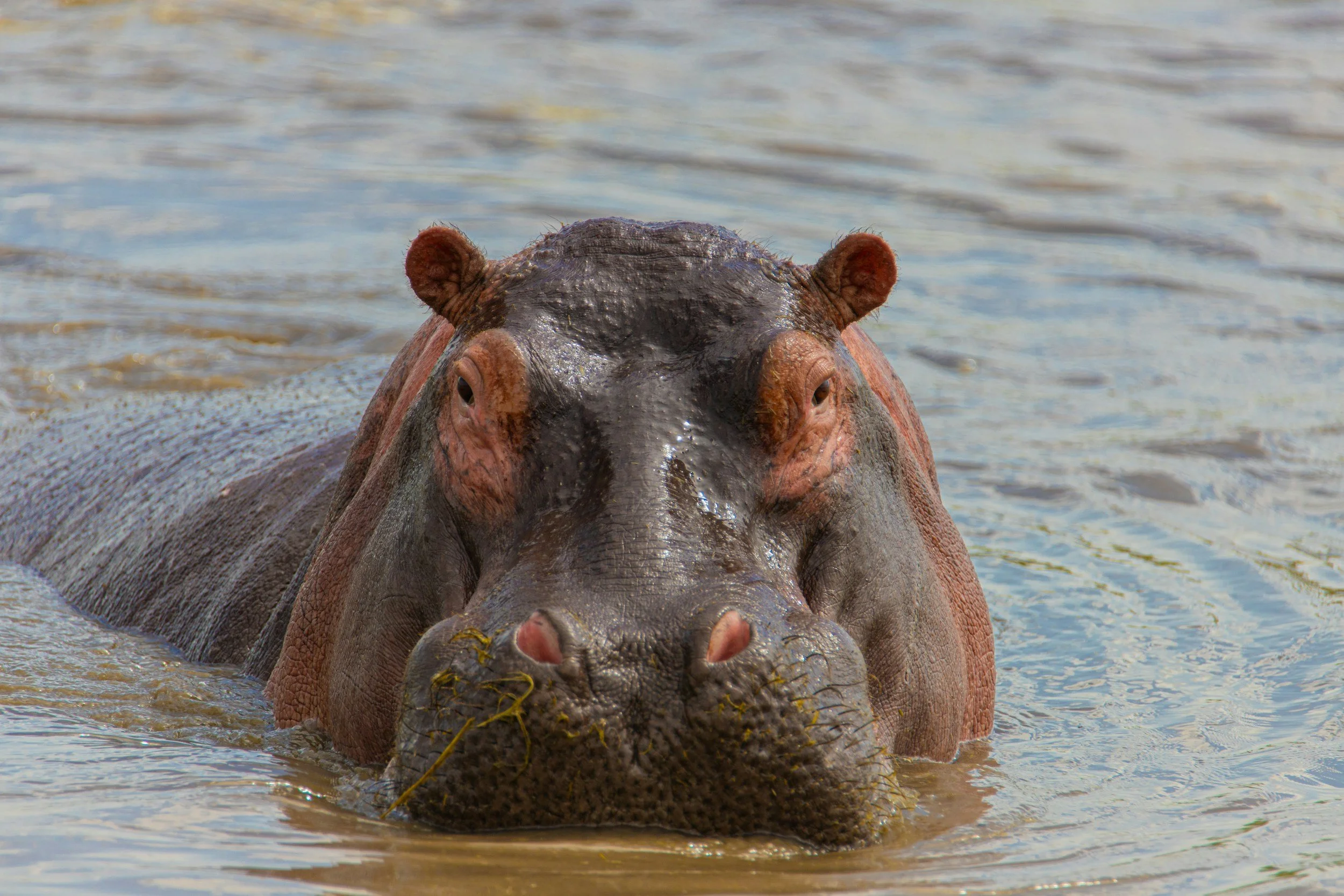
A billionaire’s son has offered to rescue 80 hippos descended from drug lord Pablo Escobar’s private zoo, potentially sparing them from a planned government cull.
These hippos are the descendants of four individuals, three females and one male, illegally imported from Africa to Colombia in the 1980s for Escobar’s private zoo at Hacienda Nápoles. Following the drug lord’s death, these hippos escaped into the lush banks of the Magdalena River. Without natural predators, their population has since exploded to approximately 160 individuals. Current estimates suggest that without intervention, the number could exceed 500 by 2030 and reach a 1000 by 2035.
The Colombian Ministry of Environment and Sustainable Development recently announced a national plan to determine the fate of the growing population. Acting Minister Irene Vélez Torres stated that the plan includes a euthanasia protocol aimed at killing at least half of the population, describing it as a necessary measure where translocation is not possible. During a press conference, Vélez explained the urgency in a press conference:
‘’It is with responsibility for our ecosystem that we must take these actions.’’Anant Ambani, the son of tycoon Mukesh Ambani, formally requested that the Colombian government stay its decision to euthanize these hippos. Instead, he is proposing a ‘safe, scientifically-led' translocation to bring these animals to a permanent home at his Vantara animal center in India;
“These 80 hippos did not choose where to be born, nor did they create the circumstances they now face,” Ambani said. “They are living, sentient beings, and if we have the capacity to save them through a safe and humane solution, we have the responsibility to try.”
Ambani’s proposal involves moving 80 of the hippos to Vantara, a massive wildlife rescue and rehabilitation center in Jamnagar, India. The facility already houses more than 150,000 animals from over 2,000 species.
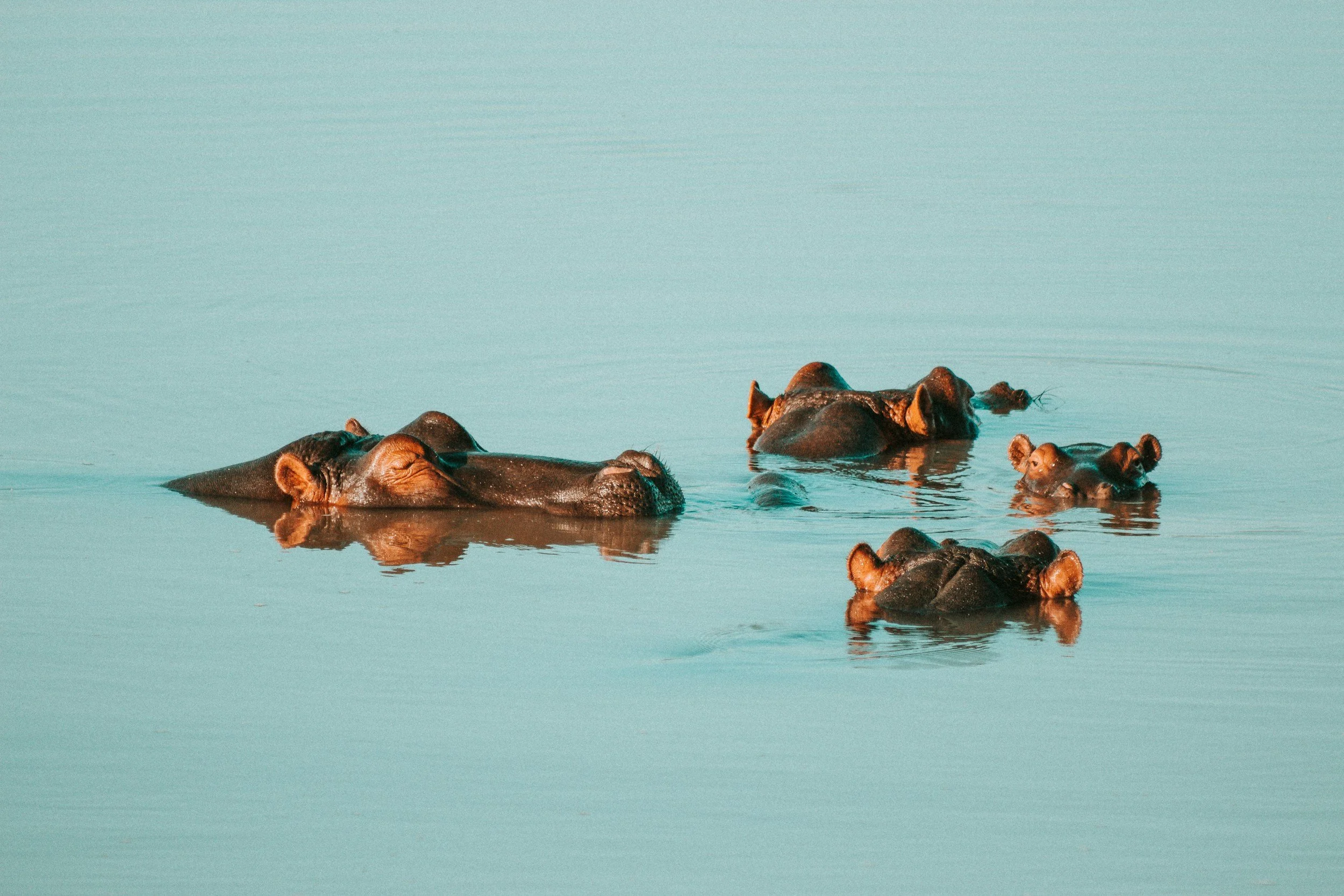
While some headlines have described the move as an attempt to purchase the hippos, Vantara has clarified that the offer is a philanthropic rescue effort. Ambani founded the conservation center Vantara, which houses more than 150,000 animals from over 2,000 wildlife species. The facility is offering lifetime care for the animals under the principle of “causing no harm to any living being.”
“We are willing to receive and care for these hippos in a specially designed and enriched environment, conceived to guarantee their well-being and, at the same time, reflect the key characteristics of their current habitat,” says a statement published Monday signed by Vantara’s CEO, Vivaan Karani, on behalf of Ambani.
The urgency of the situation stems from the hippos’ status as an invasive exotic species, a designation Colombia officially applied in March 2022. While these hippos have become a symbol of the region, they pose a significant threat to native biodiversity. They can weigh up to three tons and consume 70 kilos of food per day, causing extensive damage to the ecosystem. Independent journalist Audrey Huse told CBS News: "Because they are such large animals, they consume considerable amounts of grassland and produce significant waste, which then poisons the rivers." This population also negatively affects native species, such as the manatee and the river turtle.
Although a consensus exists regarding the necessity of population control, the specific means of implementation are disputed. Animal-rights activists and progressive circles have critiqued lethal management practices, proposing instead the adoption of capture-and-sterilize programs. However, these programs are very costly and often impractical for a population that already exceeds over 100 individuals.
Weeks earlier, the ministry was exploring alternatives to relocate some of the animals to other countries, but efforts had not progressed due to international restrictions and operational limitations. Wildlife relocation and conservation efforts are popular around the world, with thousands of international translocation projects happening each year. These initiatives often highlight the tension between protecting native ecosystems and ensuring the welfare of individual sentient beings caught in human-made crises.
A potential breakthrough lies in the involvement of large-scale private conservation initiatives like Vantara.
Colombian officials have not yet approved the plan, and questions remain about whether such a large-scale relocation can be carried out. For animals caught in a situation entirely created by human actions, relocation offers a potential path forward that prioritizes survival over lethal control.
We Have A Favor To Ask…
Species Unite amplifies well-researched solutions to some of the most abusive animal industries operating today.
At this crucial moment, with worldwide momentum for change building, it’s vital we share these animal-free solutions with the world - and we need your help.
We’re a nonprofit, and so to keep sharing these solutions, we’re relying on you - with your support, we can continue our essential work in growing a powerful community of animal advocates this year.
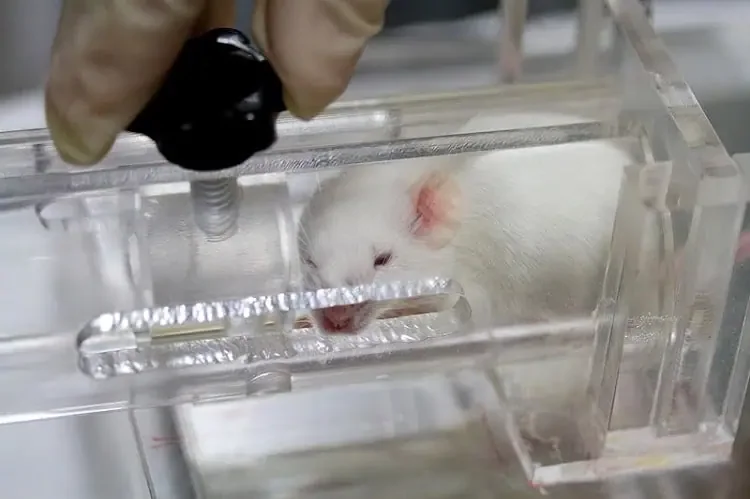

Significant investment and revised regulations across four government agencies are part of an ongoing effort to support innovative scientific research ahead of “outdated” testing on animals.