
David Attenborough turns 100: is his diet the secret to his longevity?
A closer look at what's on the TV personality and biologist's plate as he hits a milestone birthday.
Credit: BBC Studios
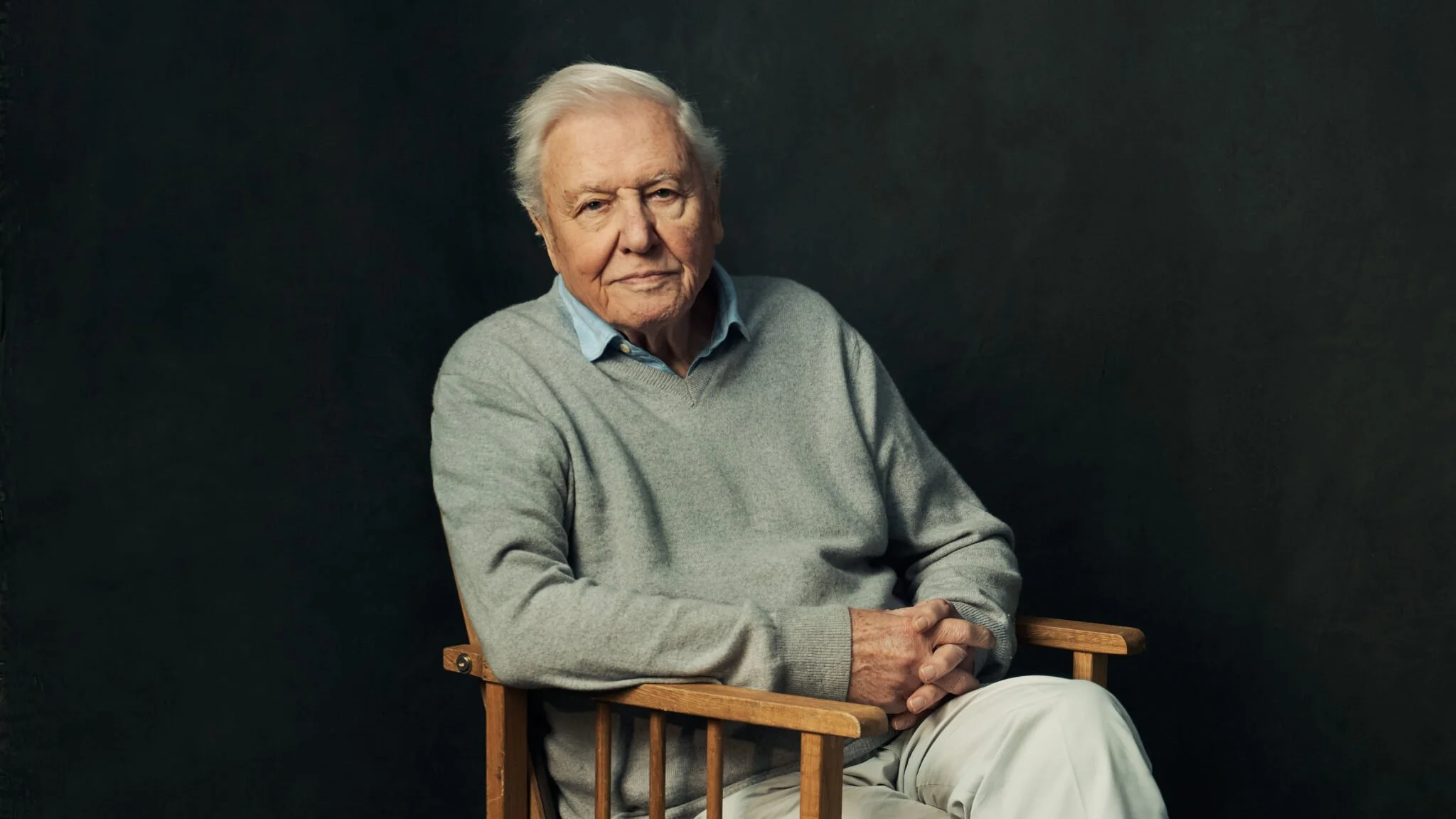
Biologist, natural historian and TV presenter Sir David Attenborough is celebrating his 100th birthday on 8th May - and the secret behind his health and energy at this age might just be found in his food choices.
In 2017, Sir Attenborough discussed having cut down on meat: "I have certainly changed my diet. Not in a great sort of dramatic way. But I don't think I've eaten red meat for months," he said.
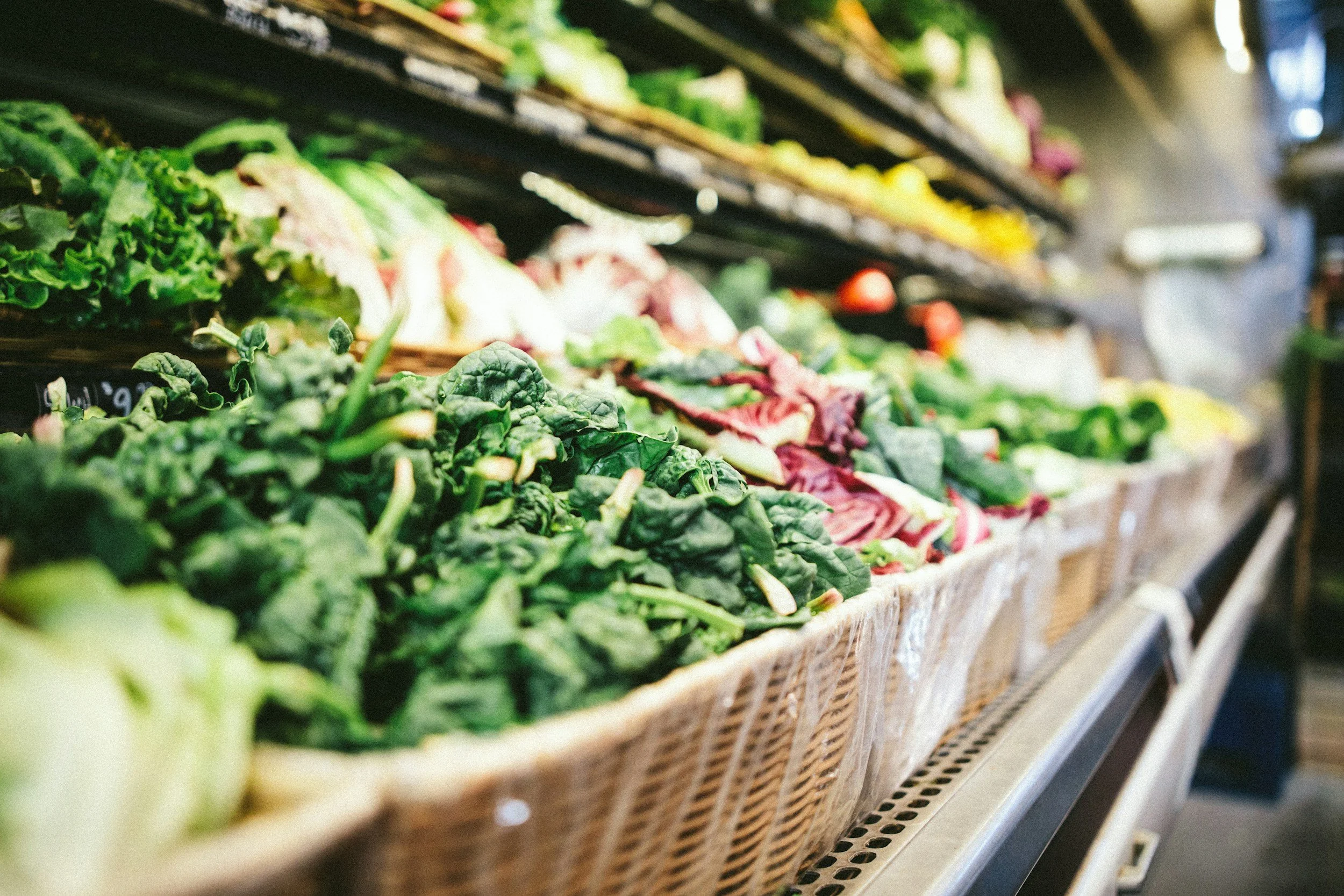
While not having cut out meat entirely, he admitted to having become "much more vegetarian,"adding that "There is clear science behind the benefits of adopting a more plant-based diet when it comes to overall health and longevity."
Known for leading nature programmes such as The Blue Planet, Life on Earth, and The Living Planet, Sir Attenborough started his career at the BBC in the 1950s and went on to become one of the world's best-known natural history profiles.
Awards he has won include several Emmys, a Stephen Hawking Medal for Science Communication, and being named the UK's favourite TV presenter of all time by Perspectus Global in 2023.
He is also the only person to have won BAFTA awards in black and white, colour, high definition, 3D and 4K resolution.
To honor his century on this Earth, PETA UK has named a rescue bullock in his honor. David Attenbullock was one of the first bulls rescued through PETA India's Delhi mechanization project, which works to replace animal-drawn carts with electric vehicles in Delhi. Today, the elderly David Attenbullock resides at a sanctuary in Uttar Pradesh.
In a letter to Sir David, PETA Founder Ingrid Newkirk writes, "We chose his name not only in a spirit of affection, but because he reflects something of your gift. He has a presence that draws people into his world, including visiting children. He invites visitors to the sanctuary to pause with him, and in doing so, they notice more - the birdsongs, the life moving through the grass and trees, and the many other animals who share his home."
Cutting back on red meat, like Sir Attenborough has done, can have positive impacts on longevity.
Consumption of red meat has been linked to colorectal cancer risk: a meta-analysis of 29 different studies revealed that high consumption of red meat products raises colon cancer risk by 28%, while high intake of ham, pork and other processed red meat products increases it by 20%.
People who ate about five ounces a day or more were roughly a third more likely to develop colon cancer than those who ate less than an ounce daily.
Heart disease is another risk connected to red meat. A UK Biobank study found that those who ate more than two servings of red meat per week had a 20% higher risk of ischemic heart disease compared to those who didn’t eat meat.
Consuming more than one serving of processed meat per week was associated with a 22% higher risk of heart disease.
If you’re inspired to take a stand for farmed animals, join Species Unite’s 30-Day Plant-Powered Challenge. It’s a month of free recipes, tips, and daily emails that help you explore delicious plant-based meals and reduce demand for farmed animals. Sign up here to make a compassionate change, one meal at a time.
We Have A Favor To Ask…
Species Unite amplifies well-researched solutions to some of the most abusive animal industries operating today.
At this crucial moment, with worldwide momentum for change building, it’s vital we share these animal-free solutions with the world - and we need your help.
We’re a nonprofit, and so to keep sharing these solutions, we’re relying on you - with your support, we can continue our essential work in growing a powerful community of animal advocates this year.

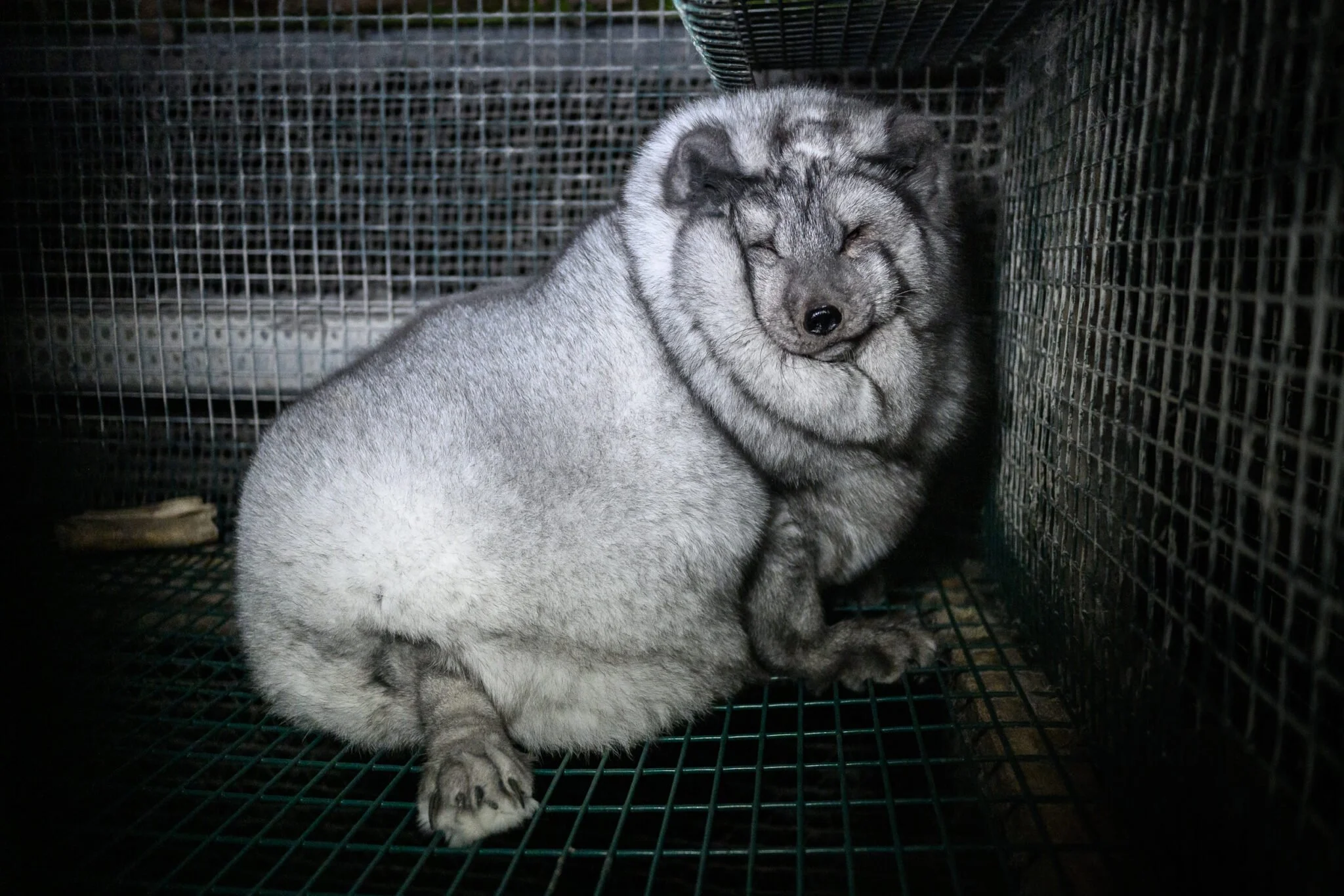

A group of British lawmakers is calling on the Ministry of Defence to end the use of real bearskin caps, as new data shows orders for real bear pelts have surged.