
Mass wolf poisonings in Italian national park spark outrage and criminal investigation
At least 21 wolves have died under suspicious circumstances in Italy, most inside a national park, in what conservationists fear may be a coordinated poisoning campaign.
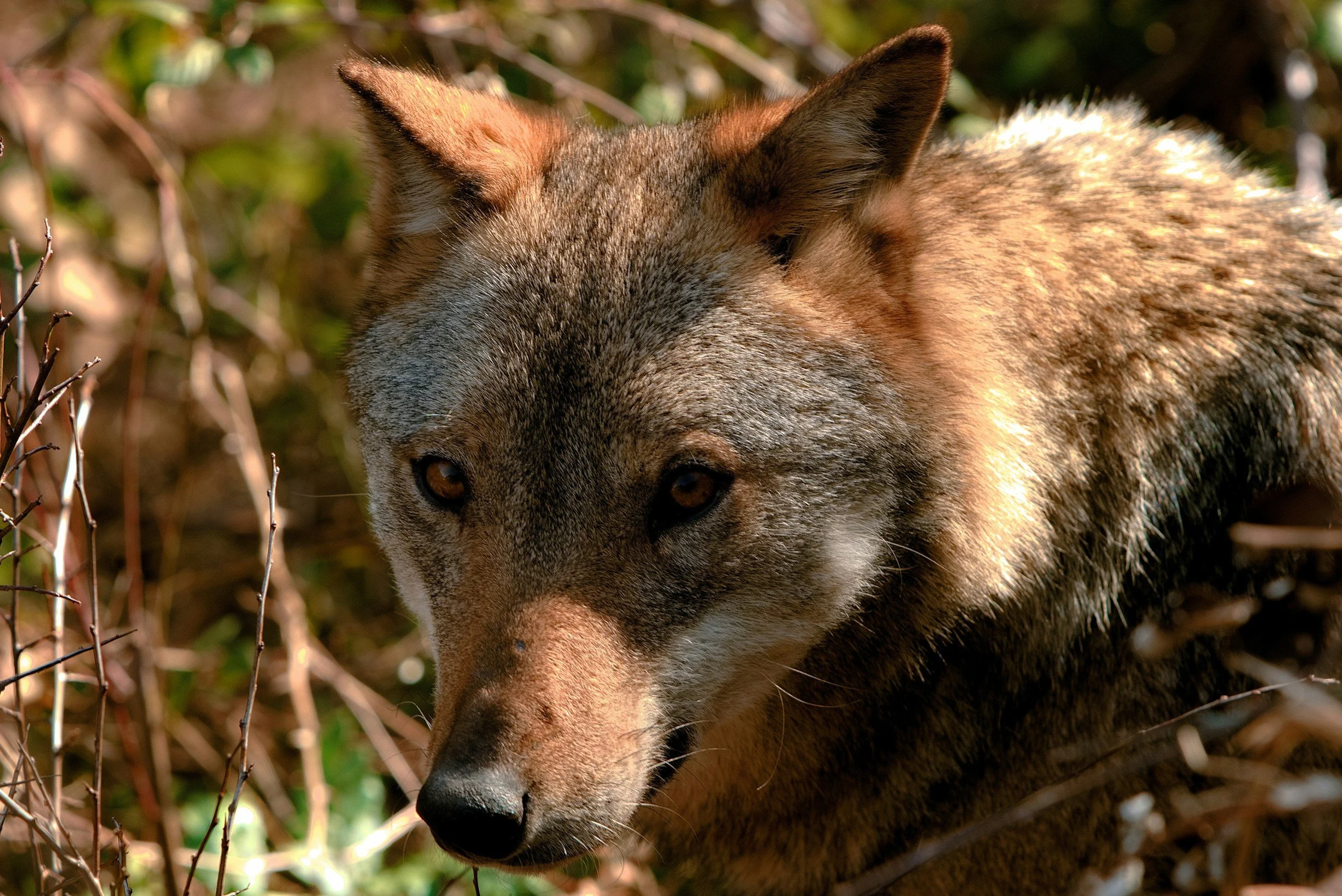
At least 21 wolves have died under suspicious circumstances in Italy in April, with most of the deaths occurring inside a national park in what conservationists fear may be a coordinated poisoning campaign.
Italian authorities are investigating after several of the wolves were found to have ingested poisoned bait. The cause of death in the remaining cases has not yet been confirmed.
The wolves dwelled in an area where they were protected under Italian law. Most of the killings took place in various parts of Abruzzo, Lazio and Molise National Park in Central Italy.
“This is a grave incident and we will treat it as such,” Chief Prosecutor Luciano D'Angelo was quoted as saying to Corriene della Sera, an Italian daily based in Milan (as of Google Translate).
WWF Italia pointed out that the poison could do much more harm than just killing wolves, stating “repeated and deliberate use of toxic substances in open environments endangers numerous species—ranging from mammals to birds, such as griffon vultures—and poses enormous risks to the very survival of the Marsican brown bear.
“This bear, a symbol of the region, exists as a population reduced to a mere few dozen individuals; its plight has direct repercussions on ecosystems of immense ecological value, a significant portion of which lie within one of Italy’s most important protected areas,” (via Google Translate).
The organization wrote on its Facebook page: “We are facing a continuous massacre that affects our natural heritage. Spreading poison to hit a species of symbol like the wolf means committing a vile and criminal act against biodiversity and an attack on public safety: actions that in 2026 cannot go unpunished.”
The post generated a lively discussion with more than 3,300 comments, mostly expressing outrage at the killings and some faulting the government for not doing enough to protect wildlife (according to Google Translate).
Some, including Georgio Ottaiano suggested measures such as putting cameras in the parks. Serena Gotto of Villar Focchiardo suggested “If someone buys toxic pesticides, isn’t there a law that should be trackable the purchase and who buys, just to prevent the criminal use of them?”
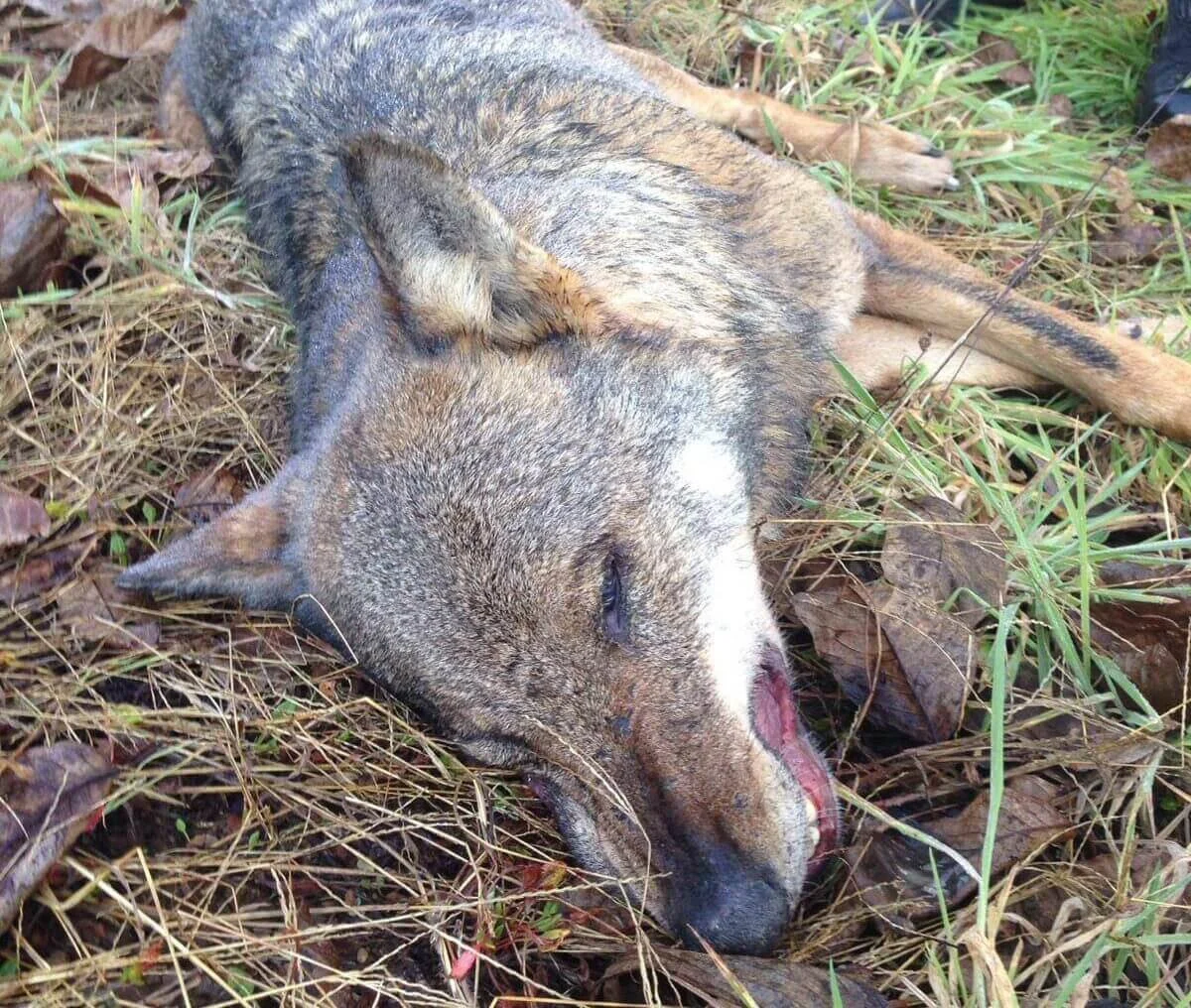
Credit: Lupo Morto WWF Italia
Francesco Mazzotta of Salerno wrote “If there are coexistence problems, it is not the way to solve them. Poisoned bites are not selective. All animals including children or pet dogs can be poisoned.”
Three foxes and birds of prey were also found poisoned in the park.
But some writers expressed sympathy for those upset by wolves eating livestock. Giovanni Vaccarezza of Genova in the Apennines Mountain Range wrote “those who get outraged and make proclamation make me laugh. It has been a long time since I and many others have been pointing out that living with wolves for people living on the Apennines (like me) is very, very problematic, which has gotten worse with the increase in the exponential number in recent years....we find the wolf more and more often between houses acting like pets and in the yard. Now I see all these who are surprised that more and more often someone uses these means.”
Wolves once nearly went extinct in Italy, with fewer than 100 counted in the 1970s. But conservation efforts brought them back to a population greater than 3,000, leading to more conflicts with farmers.
Wolf killings went outside the park too. In another incident around the same time, a headless wolf carcass was found in Tuscany.
The matter was brought to the attention of the European Parliament by a member from Italy, Ignazio Roberto Marino, who serves on the Committee on the Environment, Public Health and Food Safety.
Marino stated that the carcass “had been left on display in a public space.” He inquired with the European Commission in late April as to whether such incidents had occurred in other member countries, what methods are nations using to monitor such incidents and prosecute violators, and whether “national-level implementation and monitoring framework is fit for purpose.”
Last year, the Parliament downgraded the status of wolves from “strictly protected” to “protected,” giving individual countries more leeway in managing them.
So far, no one has been arrested or charged in the killings.
We Have A Favor To Ask…
Species Unite amplifies well-researched solutions to some of the most abusive animal industries operating today.
At this crucial moment, with worldwide momentum for change building, it’s vital we share these animal-free solutions with the world - and we need your help.
We’re a nonprofit, and so to keep sharing these solutions, we’re relying on you - with your support, we can continue our essential work in growing a powerful community of animal advocates this year.
More stories:

More than 270 animals were rescued from an Oregon roadside zoo after a years-long pattern of neglect, and its owner has now been sentenced to more than seven years in prison.