
Michelin travel guide bans animal attractions
The 100-year-old Michelin Green Guide will exclude mention of ‘cruel’ animal attractions such as bullfighting and camel rides.
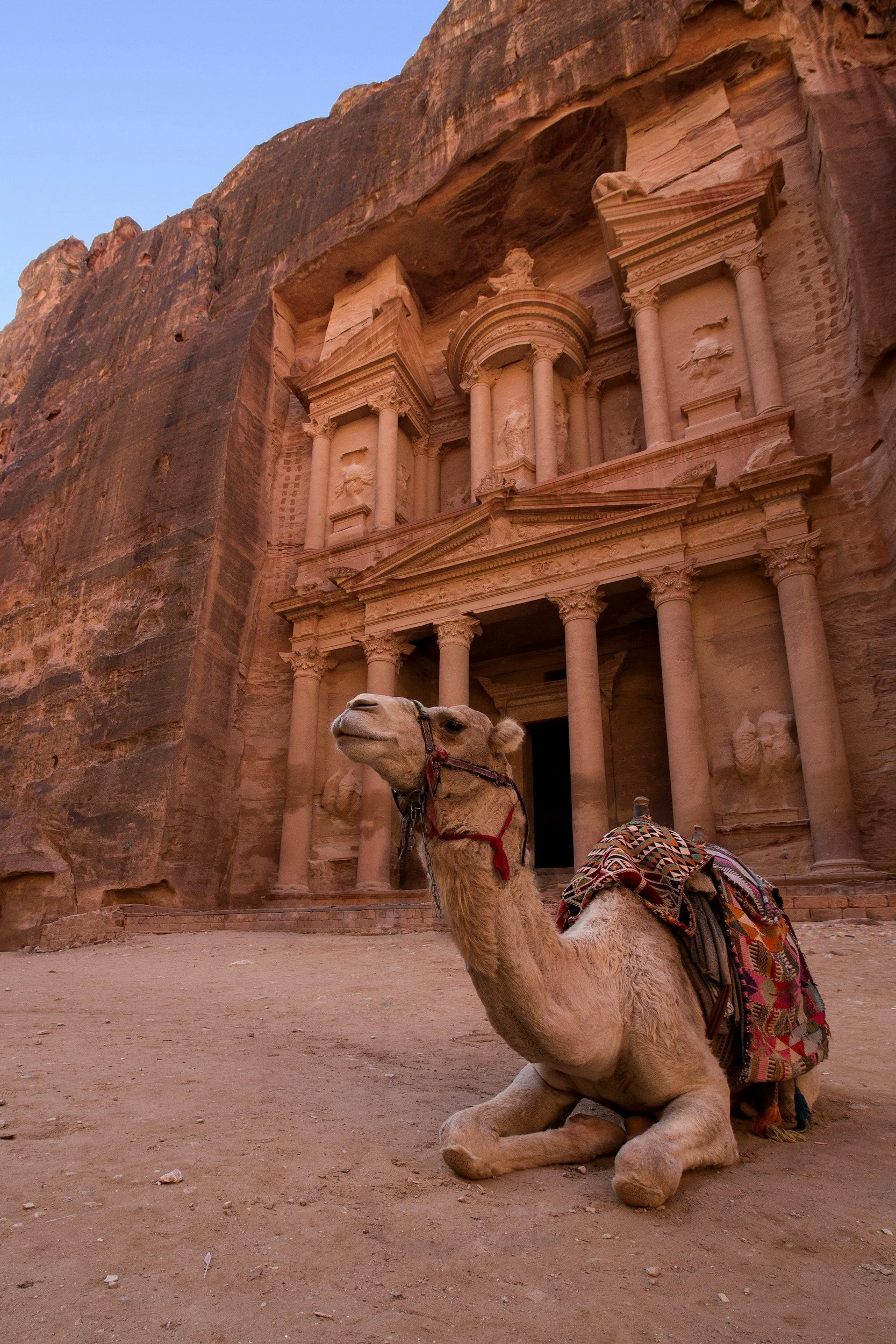
The Michelin Green Guide will no longer recommend animal-based tourist attractions.
“We are convinced of the need to present content promoting responsible tourism, which includes animal welfare,” said Michelin Éditions. “Therefore, activities that can cause mistreatment ... have been removed from our guides.”
Among the activities to be banned from the Green Guide are elephant and camel rides as well as bullfighting. The latter was described in the most recent edition of the Green Guide Spain as “a cruel and declining tradition.”
The decision has been celebrated by animal rights charities including People for the Ethical Treatment of Animals (PETA), who said: “This shows the tourism industry how even a century-old institution can, and must, evolve to reflect today’s understanding that all animals are individuals who feel pain and fear.”
The announcement by the world-famous travel guide, which celebrates its 100th anniversary this year, follows a wider global trend towards more ethical tourism.
In particular, there has been increasing public awareness of the cruelty suffered by elephants in the tourism industry.
As such, more than 100 travel companies have stopped advertising or offering elephant rides, including Airbnb, Costco Travel, and Expedia Group. Intrepid Travel was the first to impose a ban, in 2014. At the time, Intrepid Travel said its clients “very much appreciate being better informed and knowing that their travel choice is not causing harm to these extraordinary animals.”
And now the world’s largest cruise line, Carnival Corporation, has confirmed that it will no longer offer hands-on tourist experiences with the endangered animals.
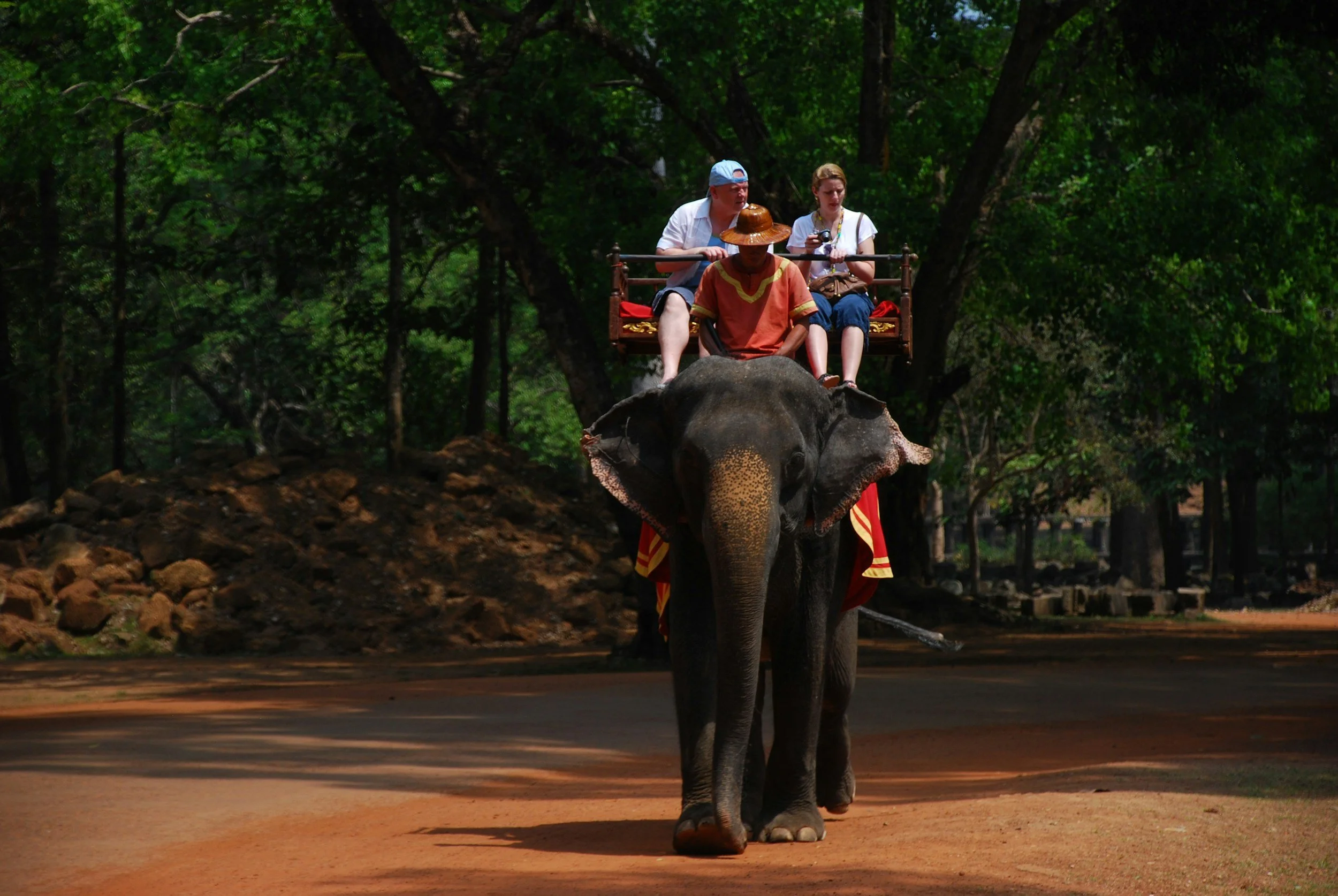
Earlier this year, Indonesia became the first Asian country to ban elephant rides. Commenting on the historic legislation, Suzanne Milthorpe, head of campaigns for World Animal Protection, said: “The ending of elephant rides in Indonesia sends a strong signal to the wider tourism industry that we’re entering a new chapter of more responsible wildlife tourism.”
In 2024, Egypt created the National Programme for the Care and Protection of Horses, Camels, and Pets at Archaeological Sites, after numerous investigations by PETA Asia exposed widespread animal abuse.
As a result, electric buses were introduced last year, enabling tourists to navigate the Great Pyramid of Giza without supporting camel and horse rides.
And last year also saw the passing of new laws in Mexico, banning the capture, keeping, or breeding of dolphins and other marine animals for entertainment. With more than thirty dolphinariums, Mexico was among the top five countries in the world for dolphin tourism.
Please join Species Unite in urging Mr. Baburam Ghimire, Information Officer of Nepal's Ministry of Forests and Environment to refrain from providing government elephants for the Chitwan Elephant Festival’s cruel sports events, such as polo and football. Government elephants are raised solely for conservation purposes and should never be exploited for entertainment. Send a letter here - it takes 30 seconds.
We Have A Favor To Ask…
Species Unite amplifies well-researched solutions to some of the most abusive animal industries operating today.
At this crucial moment, with worldwide momentum for change building, it’s vital we share these animal-free solutions with the world - and we need your help.
We’re a nonprofit, and so to keep sharing these solutions, we’re relying on you - with your support, we can continue our essential work in growing a powerful community of animal advocates this year.
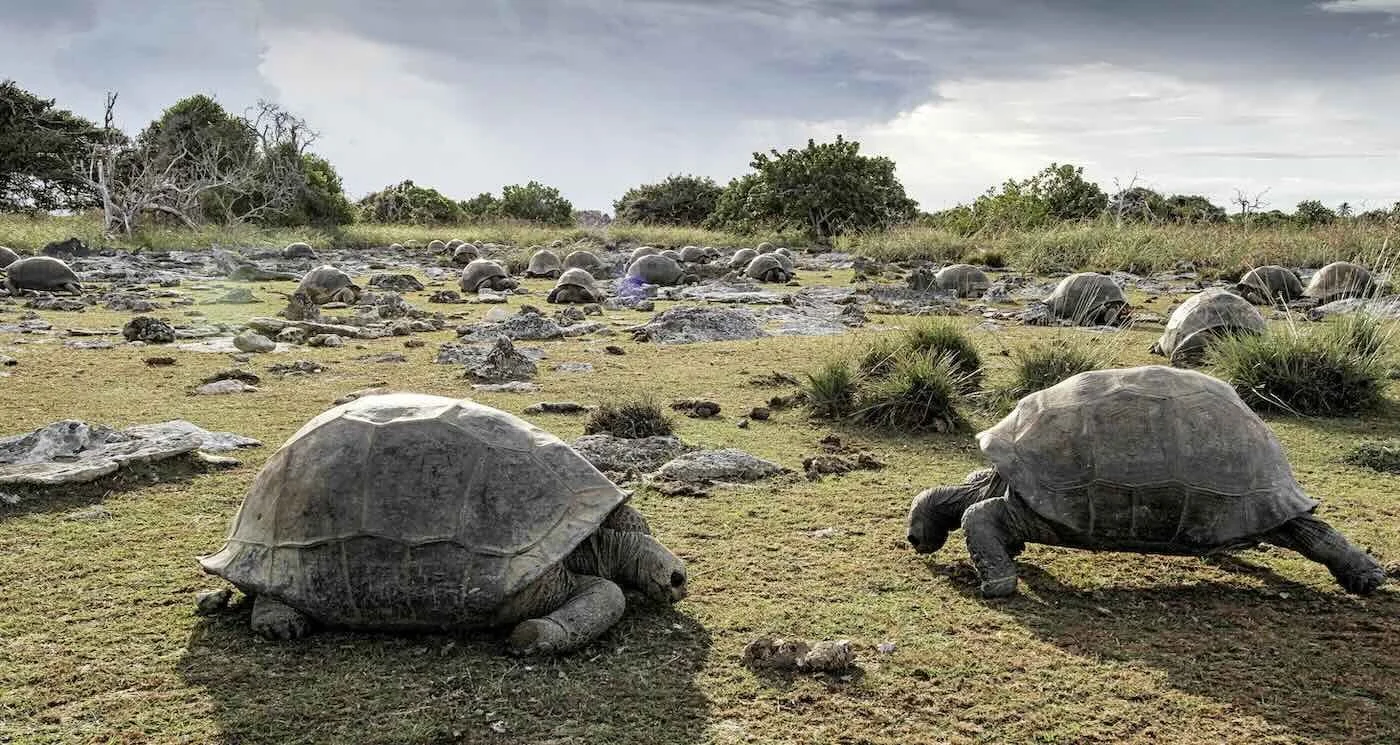
Wildlife cameras, night-vision binoculars, GPS devices, fire sensors, and snowshoes are among the items that have been available to borrow free of charge at a new public nature library.