
Four more wild horses shot to death in Arizona national forest
The latest killings follow the shooting of nine horses at the same forest in January, as authorities appeal for information.
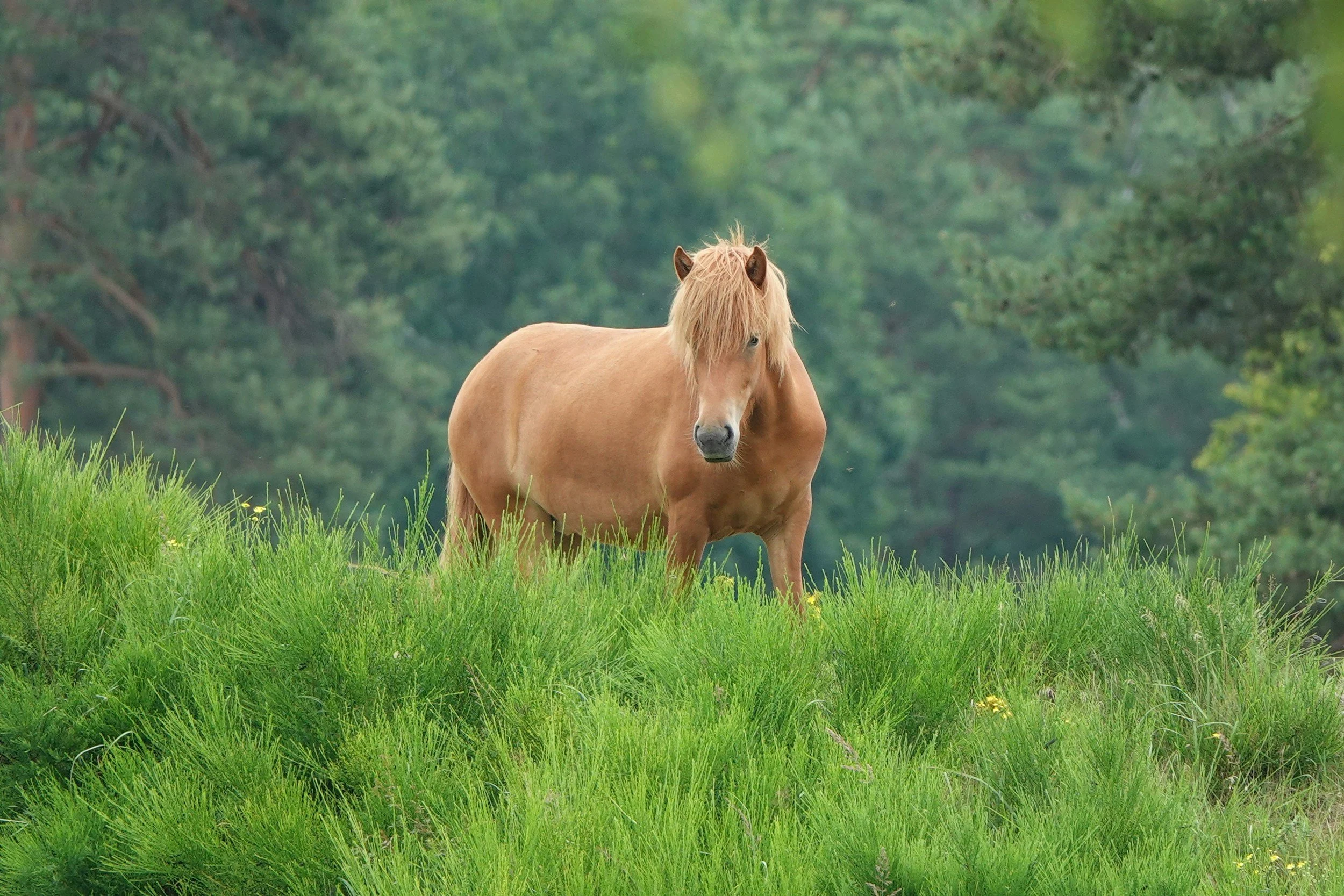
Four more wild horses have been found shot to death within the Apache-Sitgreaves National Forest in east-central Arizona.
This follows the shocking discovery of nine horses killed in January, also in the forest’s Black Mesa Ranger District. Necropsies confirmed that all thirteen animals suffered gunshot wounds.
Investigations, conducted by the U.S. Forest Service and local law enforcement, are ongoing. A $5,000 reward has been offered for information leading to the arrest and conviction of those responsible. It is not known if the incidents are related.
This is not the first time that horses have been targeted in this area. In 2019, at least 11 horses were found shot to death.
It is illegal to capture, brand, harm, or kill wild horses and burros (WHB), and anyone convicted of such an offense can expect a fine of up to $2,000 or up to one year’s imprisonment.
The killings in Arizona come amid increasing efforts by the Trump administration to remove protections for the country’s WHB population.
The Heritage Foundation, a conservative think tank, has called for Congress to “enact laws permitting the Bureau of Land Management (BLM) to dispose humanely” of WHBs, as outlined in Project 2025.
According to Project 2025 – a political initiative published in 2023 in anticipation of Trump’s second term as President – the land cannot support the growing population of WHBs, which is increasing annually by ten percent. It also pointed to the 47,000 animals removed by the BLM from public lands and kept in off-range pastures and facilities, costing the taxpayer millions of dollars per year.
The author of Project 2025, Russell Vought, was named by Trump as his director of the Office of Management and Budget.
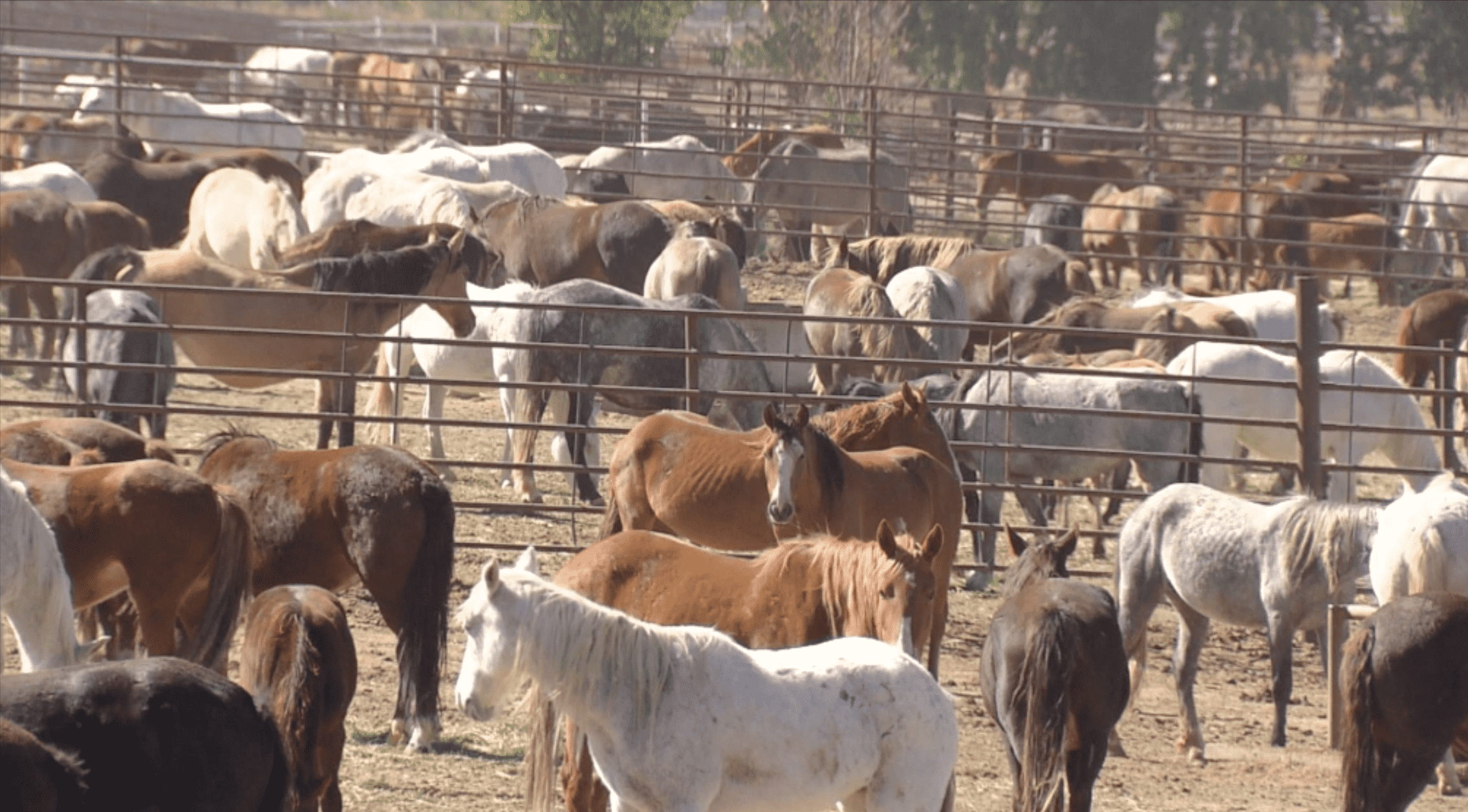
Credit: American Wild Horse Campaign (AWHC)
Celeste Carlisle, from advocacy group Return to Freedom, says Project 2025 framed the issue inaccurately. “There are ways to manage WHBs comprehensively, sustainably, and non-lethally. Not only that, but broad, bipartisan organizations support and embrace it.”
Under the Wild and Free-Roaming Horses and Burros Act, the BLM must manage, protect, and control WHB populations in areas where they existed on public lands in 1971, when the act was passed.
The BLM is authorized to remove excess WHBs from the range to sustain the health and productivity of the public lands.
However, wild horse advocates argue that BLM roundups are to protect ranchers who graze cattle and sheep on public lands for a hugely reduced rate and don’t want any wildlife that can pose competition or harm their financial interests.
During roundups, advocates report that horses are chased for miles by low-flying helicopters, running at full speed until some collapse, break legs, or die. Mares are separated from their foals in the chaos. Those that survive are loaded onto trucks and transported to government holding facilities, where thousands of wild horses and burros are now confined.
According to Humane World, these facilities are at risk of deadly disease outbreaks and cannot keep pace with the BLM's increasing captures. The Animal Welfare Institute has associated them with mass preventable deaths and widespread animal welfare violations including inadequate vaccinations, insufficient access to hay, and chronic understaffing.
In his 2025 budget, Trump proposed a 25 percent cut in funding for the WHB program, which would have allowed the slaughter of some 64,000 animals held in government facilities. Congress ruled against Trump, as it did in his 2017 budget, which proposed a 30 percent cut in funding.
To find out more about the history of America’s wild horses Species Unite spoke with Erik Molvar, wildlife biologist and the executive director of the Western Watersheds Project, a nonprofit conservation group dedicated to protecting and restoring wildlife and watersheds across the American West. Listen to the podcast episode here.
We Have A Favor To Ask…
Species Unite amplifies well-researched solutions to some of the most abusive animal industries operating today.
At this crucial moment, with worldwide momentum for change building, it’s vital we share these animal-free solutions with the world - and we need your help.
We’re a nonprofit, and so to keep sharing these solutions, we’re relying on you - with your support, we can continue our essential work in growing a powerful community of animal advocates this year.
Wildlife cameras, night-vision binoculars, GPS devices, fire sensors, and snowshoes are among the items that have been available to borrow free of charge at a new public nature library.