
Indonesia becomes the first Asian country to ban elephant rides
Tourists can no longer ride elephants at zoos or parks, after authorities respond to mounting calls for enhanced animal welfare standards.
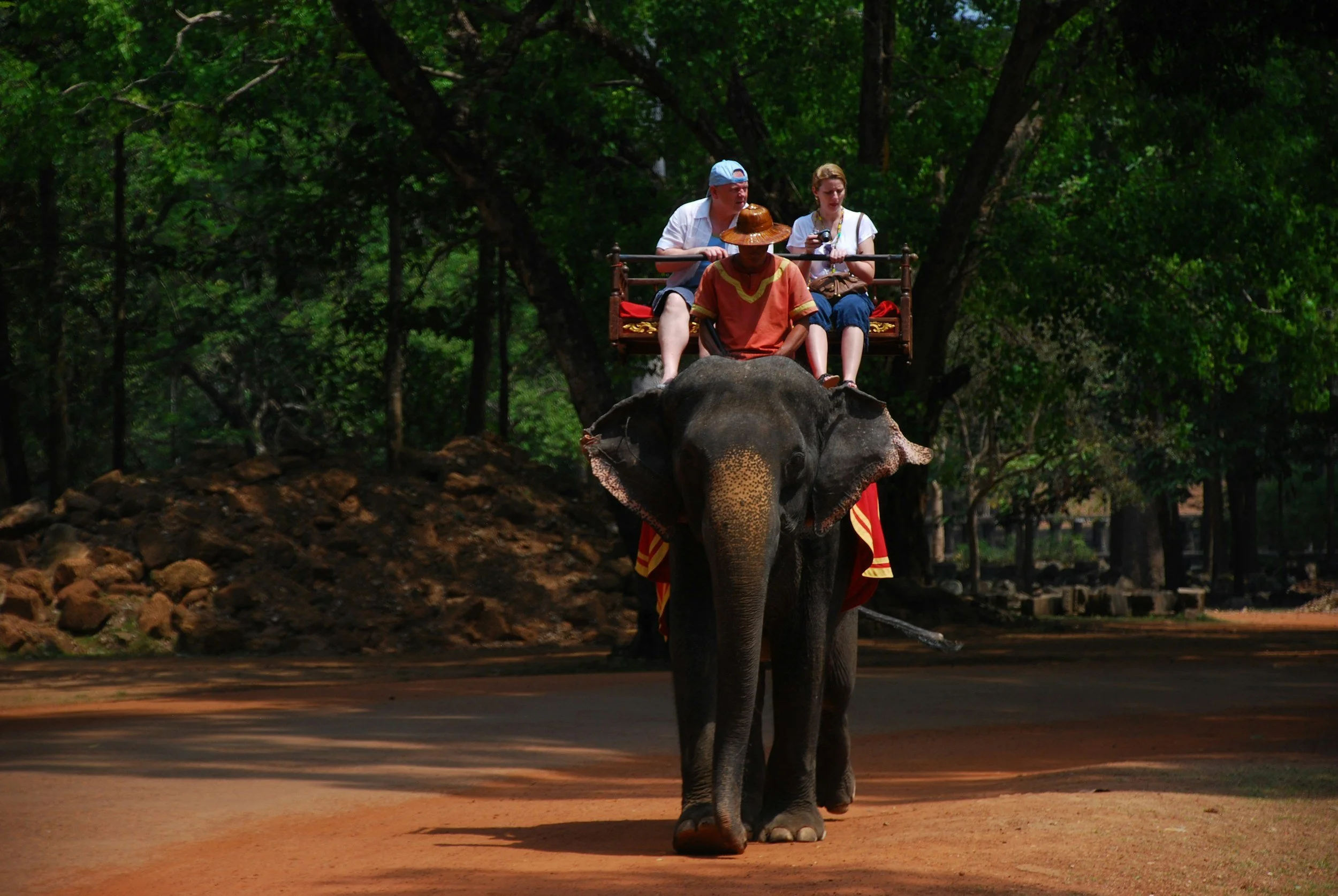
Elephant rides are now banned across Indonesia, thanks to historic new measures.
This will apply to all zoos and conservation parks across Indonesia, including Bali, where elephant rides are particularly popular with holidaymakers.
Announced in December 2025 by the Indonesian Nature Conservation Agency (KSDA), the memorandum is now effective, with local authorities given the power to revoke licenses for non-compliance.
“We are committed to ensuring that every elephant receives the best possible care, in accordance with ethical animal welfare standards,” said Ratna Hendratmoko, Head of KSDA Bali. “We are also encouraging conservation organizations to develop a roadmap for transforming elephant tourism that is innovative and educational, in line with conservative principles.”
This follows the stance taken in 2024 by the Southeast Asian Zoos and Aquariums Association, which committed its member institutions to phase out elephant rides amid “mounting welfare concerns”.
In Bali, over eighty elephants are held across the five main zoos and parks. Earlier this month, all five venues – including the Bali Zoo – stopped offering elephant rides.
Mason Elephant Park was the last to comply, having received two formal warnings during January. Its founder, Nigel Mason, initially resisted the measures, which he described as “a kneejerk reaction to a complicated and important matter”. Mason argued that “elephant training is done most gently ... If carried out responsibly, it keeps the elephants healthy and stimulated.”
However, an investigation last year by PETA Asia into several venues offering elephant rides in Bali – including Mason Elephant Park and the Bali Zoo – exposed shocking cruelty.
Elephants were repeatedly hit with bullhooks so that they gave rides or posed for photos. If the blunt hooks were ineffective, the handlers used sharp metal hooks instead. Investigators found many of the elephants with scars and wounds, while others had injuries to their feet and joints, caused by excessive walking on hard ground.
When not giving rides, the elephants were chained up, often for many hours at a time and in dark, desolate pens.
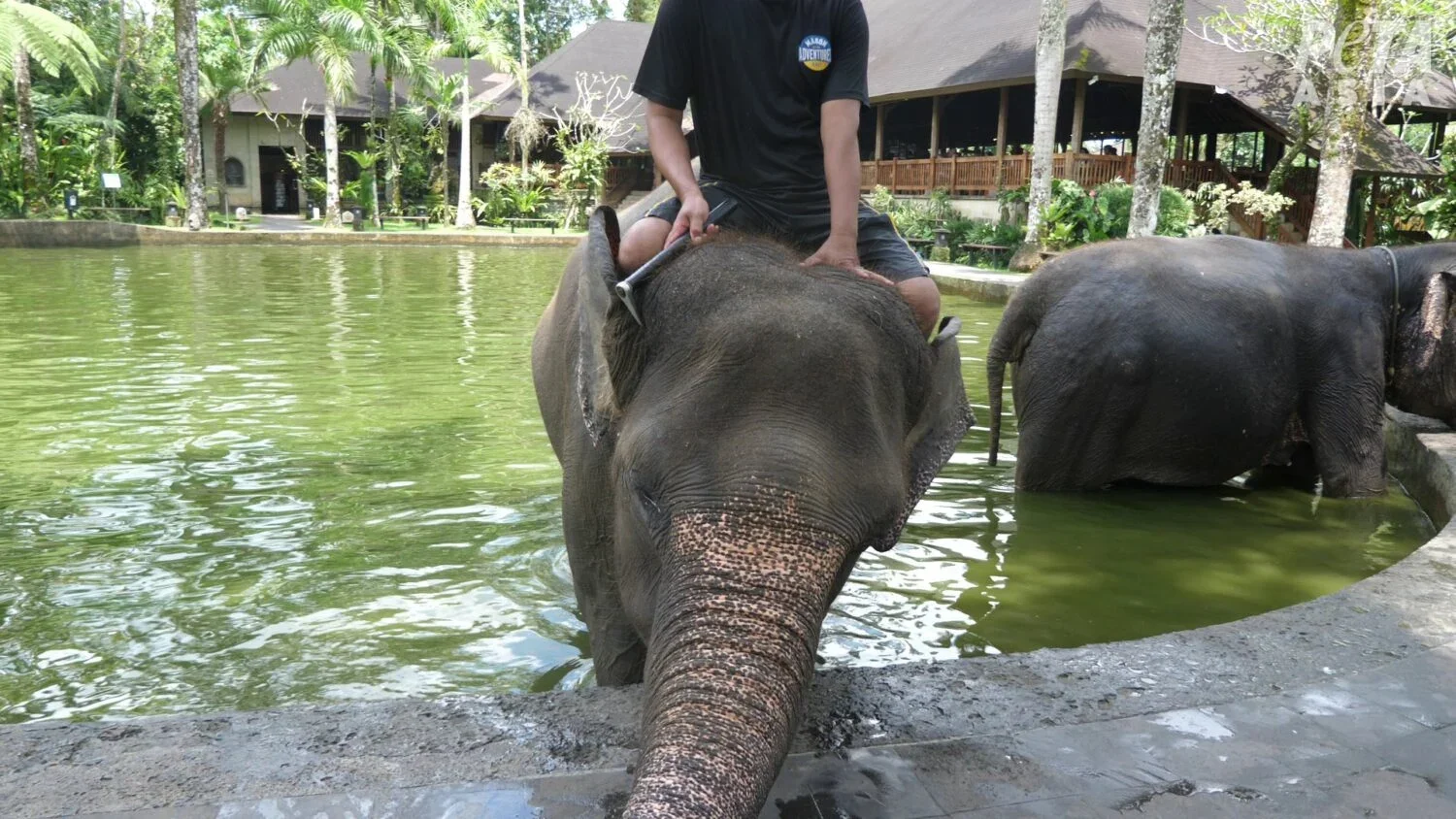
Photo: PETA Asia
As for claims that elephant rides provide ‘stimulation’, this can be countered by the fact that many captive elephants display stereotypic behaviors, such as repeatedly swaying. “Elephants in the wild do not sway – this is a behavior born of frustration, anxiety, and deprivation”, observed Dr Cynthia Moss, a leading ethologist and conservationist. A recent investigation found that more than half of the elephants across multiple venues in Thailand suffered nervous tics.
Campaigners hope that more countries will follow Indonesia’s lead. In Southeast Asia, Thailand has the most venues for captive elephants, and a report published this week found that of the 2,849 captive elephants assessed, two thirds still endure short chaining, dirty living conditions, and lack of veterinary care.
“We congratulate the Indonesian Government on taking this world-leading step to safeguarding the dignity of wild animals,” said Suzanne Milthorpe, head of campaigns for World Animal Protection. “The ending of elephant rides in Indonesia sends a strong signal to the wider tourism industry that we’re entering a new chapter of more responsible wildlife tourism.”
We Have A Favor To Ask…
Species Unite amplifies well-researched solutions to some of the most abusive animal industries operating today.
At this crucial moment, with worldwide momentum for change building, it’s vital we share these animal-free solutions with the world - and we need your help.
We’re a nonprofit, and so to keep sharing these solutions, we’re relying on you - with your support, we can continue our essential work in growing a powerful community of animal advocates this year.
A new bill submitted in February 2027 could end commercial whaling in Iceland for good, leaving only Norway and Japan still hunting whales commercially.