
Mexico to relocate 350 captive dolphins to coastal sanctuaries after landmark legislation
Almost 10 percent of the world’s captive dolphins are held in Mexico, but they will now enjoy far greater protections and welfare after the country voted to shut down the entertainment industry.
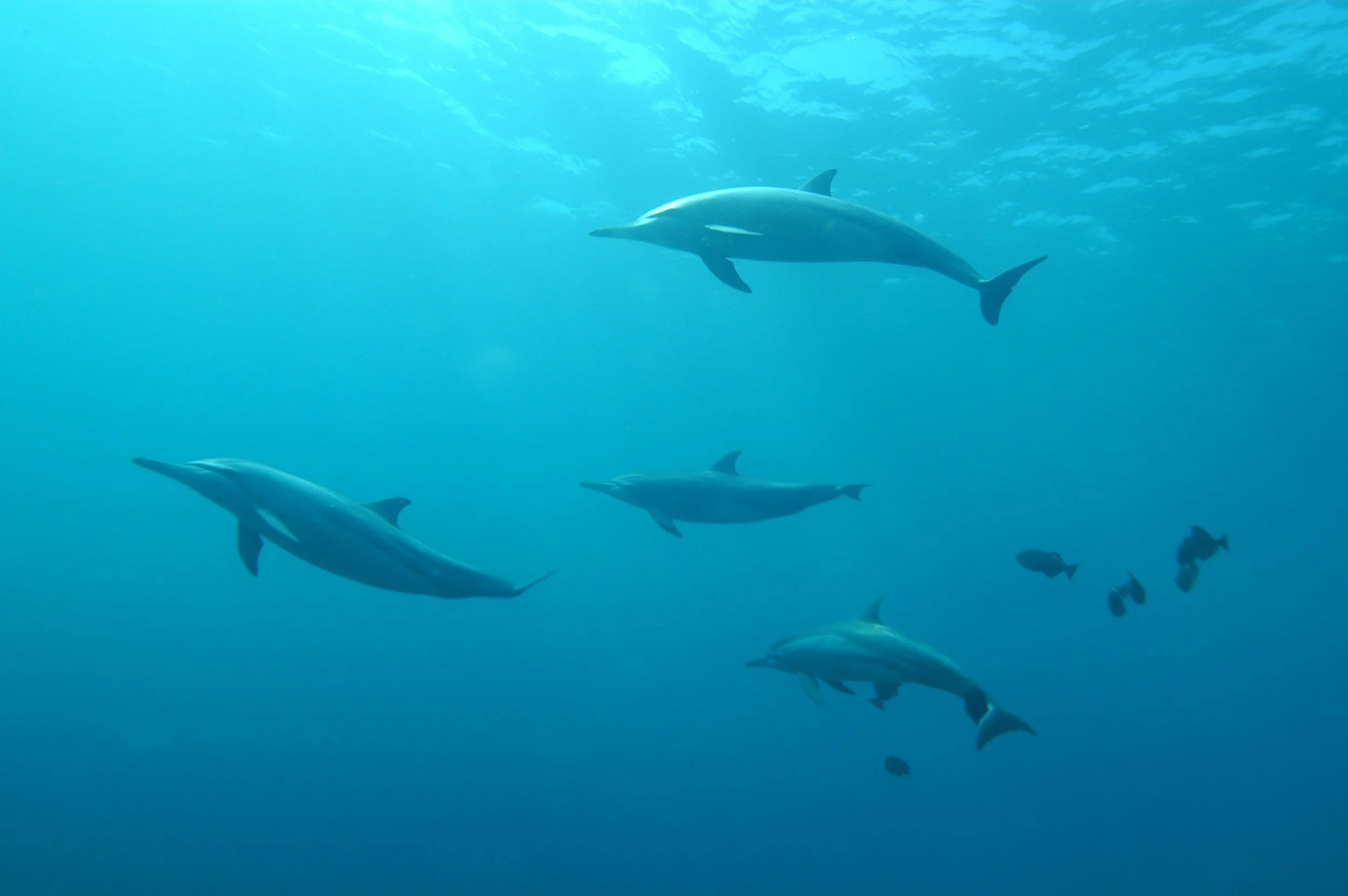
Mexico has announced plans to relocate about 350 captive dolphins to coastal sanctuaries, where they will be supported to recover natural behaviours. Those assessed as able to survive could then be gradually reintroduced to the wild.
This summer also marks the first holiday season in Mexico that dolphins will be spared from having to perform for tourists.
Mexico is among the world’s most popular holiday destinations for watching dolphin performances and swimming alongside them, with hundreds of dolphins held in dolphinariums across the country.
However, thanks to historic new laws passed last year, Mexico has banned dolphins and other marine animals from being held, captured, or bred for the entertainment industry.
They can no longer be used in shows, therapy, or research, and any other activity not related to conservation.
Instead, the owners must provide the Ministry of Environment with a full inventory of the dolphins in their care, complete with microchip numbers and photographs.
Higher welfare protections are now in place, while government officials will carry out regular checks, imposing significant fines for noncompliance.
Dolphins currently held in concrete tanks must be relocated to sanctuaries, where they can live out their lives in large sea pens.
“This is a huge step forward for animals, and a historic milestone that other countries must follow,” said Eugenia Mora, of World Animal Protection. “With this law in place, we urge the Mexican authorities to ensure robust monitoring of the dolphins who remain in captivity and to guarantee that they are kept in environments that meet their species-specific needs.”
This was set in motion by an incident that occurred in 2020. During a performance at the Barceló Maya Grand Resort, a leaping dolphin named Mincho landed head-first on concrete.
After footage circulated online, the Federal Attorney for Environmental Protection (PROFEPA) launched an investigation into the Barceló Maya, a luxury hotel in the tourist state of Quintana Roo. Although he had survived the accident, Mincho was suffering from chronic keratitis in both eyes, with 60 percent vision in his right eye and 0 percent in his left. Investigators also learned that Mincho was forced back to work just two days after the accident, contrary to veterinary advice.
Noting further cases of cruelty and neglect – such as frequently exceeding the permitted number of humans in the pool with the dolphins, and keeping them in inadequate water temperatures – PROFEPA ordered the immediate closure of the dolphinarium. The company received a fine of 7.5 million pesos ($395,000).
Mincho’s plight had shone a harsh light on the industry, and there was now a strong public appetite to see it banned altogether. The Mexican Senate and Chamber of Deputies unanimously approved the legislation in July last year. It was signed into law by President Claudia Sheinbaum, and named in Mincho’s honor.
Last month, PETA Latino named Sheinbaum as its ‘Person of the Year’ “for her vision, empathy, and unwavering commitment to creating a more compassionate world for all.”
Dolphinariums have grown rapidly in Mexico since the 1970s, with owners exploiting the historic lack of regulations and safeguarding to maximize profit.
More than 30 dolphinariums were operating in the country, including luxury hotels that kept dolphins onsite. Home to four adult dolphins, the Barceló’s dolphinarium was smaller than the hotel swimming pool. According to PETA, the dolphins were forced to perform dangerous, demeaning tricks, and subjected to ‘swim-with’ experiences, which amounted to the animals having to push and pull tourists around, sometimes as much as 50 times a day.

Campaigners have long argued that using dolphins for entertainment is cruel and unethical.
In the wild, dolphins socialize and form close family bonds; swim huge distances; and can dive up to several hundred meters. Furthermore, they are highly intelligent animals. A life in captivity, therefore, offers little opportunity for physical activity and mental stimulation.
“We see severe neurological damage that produces stereotypies [repetitive activity with no obvious function] and aggression since the animals have no free choice and cannot defend themselves. This leads to learned helplessness and stress,” Dr. Yolanda Alaniz Pasini, a consultant with the Mexico City NGO, Conservation of Marine Mammals of Mexico, told Mexico Daily News.
In 50 percent of cases, stress is given as an underlying cause of all captive dolphin deaths. Infamously, at Miami Seaquarium in 1980, Hugo the orca died after repeatedly smashing his head against the walls of his tank, the smallest orca tank in the USA.
According to a study published in 2019, Mexico was among the top five countries for keeping captive dolphins, with 8 percent; China holds the most (23 percent), followed by Japan (16 percent) and the USA (13 percent).
The study also noted that in terms of geographic regions, the Mexico, Caribbean, Bahamas, and Bermuda region accounted for 19 percent of all dolphins globally.
The passing of Mincho’s Law, then, represents a significant victory.
Tourists in Mexico now have the chance to observe dolphins engaging in typical behavior and within their natural habitat, by choosing responsible boat tours.
We Have A Favor To Ask…
Species Unite amplifies well-researched solutions to some of the most abusive animal industries operating today.
At this crucial moment, with worldwide momentum for change building, it’s vital we share these animal-free solutions with the world - and we need your help.
We’re a nonprofit, and so to keep sharing these solutions, we’re relying on you - with your support, we can continue our essential work in growing a powerful community of animal advocates this year.

Some developers suggest that adopting cultivated meat could also improve animal welfare by significantly reducing the number of farmed animals slaughtered.