
Over half of Americans are open to a preventative plant-based diet this National Diabetes Month
Research shows that 65% of US citizens would try plant-based foods to prevent disease.
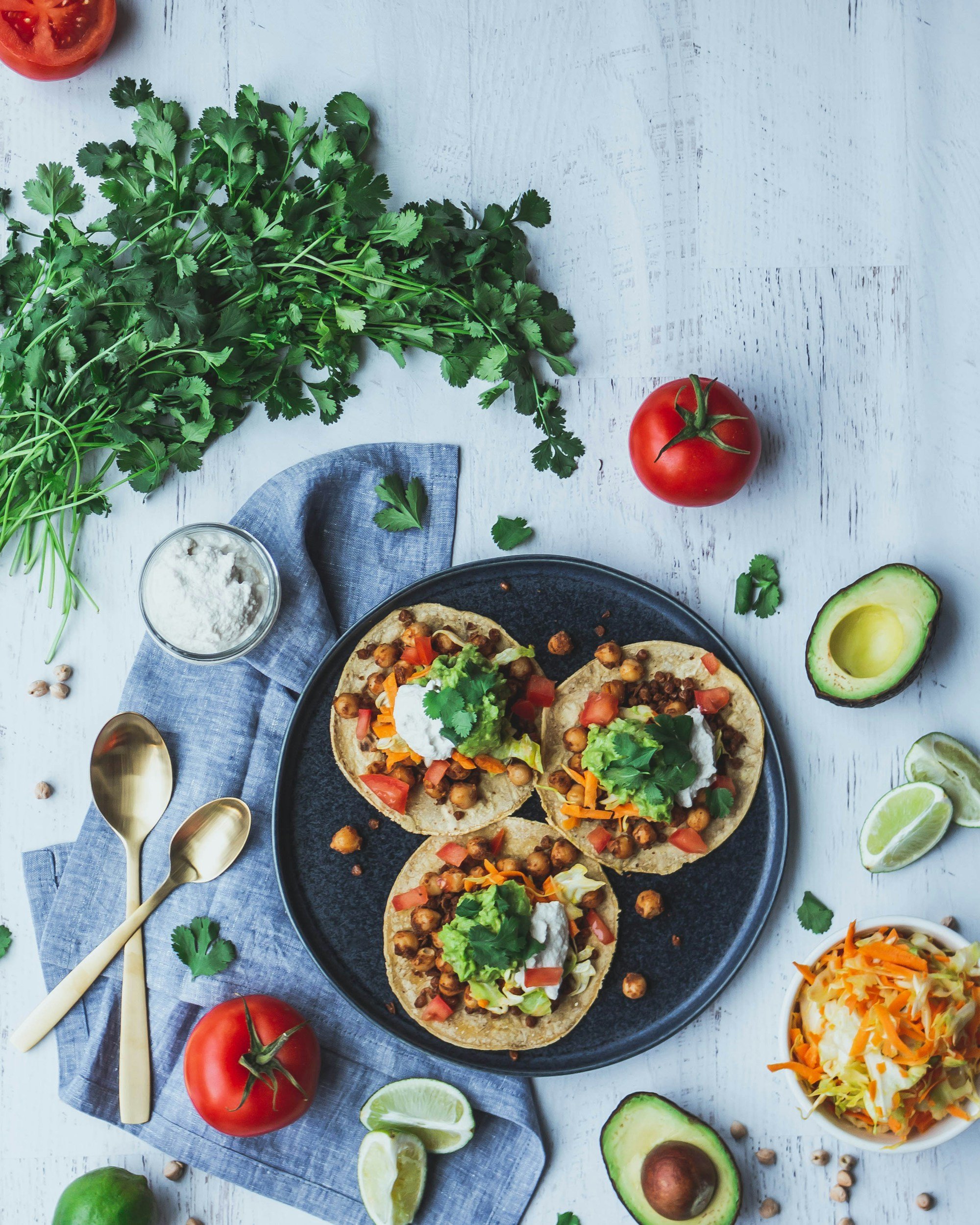
An estimated 65% of respondents in the U.S. would be open to trying plant-based food as a preventative measure to protect against diseases such as diabetes, according to a study from Physicians Committee for Responsible Medicine (PCRM), a non-profit organisation that supports plant-based diets and effective research. The findings were published in November, which is National Diabetes Month.
The poll, which included over 2000 respondents chosen to closely represent the general U.S. population, found that 65% would consider a plant-based diet to help prevent type 2 diabetes or improve their blood sugar levels if advised to do so by their doctor.
The research also revealed that among those whose doctors had spoken to them about diabetes, 57% had the knowledge that high vegetable intake lowers diabetes risk and 34% were aware of fruit being beneficial for cutting risks. But only 21% of respondents had received the information that a low-fat plant-based diet could help prevent or improve type 2 diabetes.
“The good news is that most Americans would be open to trying a plant-based diet to prevent and treat type 2 diabetes, and we have the resources to help them,” says Noah Praamsma, MS, RDN, a nutrition education coordinator with the Physicians Committee for Responsible Medicine, who co-leads the organization’s National Diabetes Program. “It’s also critical that we continue to educate more doctors and dietitians about prescribing a plant-based diet rich in fruits, vegetables, grains, and beans to their patients.”
The research also unveiled an alarming trend. Half of adults whose healthcare providers had spoken to them about type 2 diabetes were likely to believe that a low-carb diet can prevent or improve the disease.
Instead, science tells us that a low-carbohydrate diet including a high volume of animal-derived foods can be tied to a higher risk of type 2 diabetes.
A study found that those eating animal protein and fat had a 35% higher risk of the illness and a 39% higher risk if their diets also limited whole grains.

Conversely, a plant-based low-fat diet with no restrictions on carbs or calories has shown to improve glycemic control and allow for better management of both type 1 and type 2 diabetes.
PCRM has studied the link between diet and diabetes for decades. In one of the studies done by the organization, 99 test subjects followed either a low-fat plant-based diet with no restrictions on carbs or calories, or the American Diabetes Association's recommended diet, which contains meat and dairy.
43% of the individuals who ate a plant-based diet were able to reduce their diabetes medications, while only 26% of the omnivore group was able to do so. The test subjects eating plant-based foods also had improved their body weight, blood glucose levels, and LDL cholesterol.
In another of PCRM's studies, it was found that after following a low-fat vegan diet for 16 weeks, intracellular fat in the subjects' liver cells was reduced by 34.4%, and fat in muscle cells was reduced by 10.4%. The reductions are connected to lower insulin resistance, which proves that the root cause of diabetes can indeed be reversed – and it can be possible to do so with diet changes.
Nearly half of adults polled in the November survey said that having an online source of recipes and information, plus a professional to refer to, would be helpful when adopting a plant-based diet.
PCRM offers the National Diabetes Program, a free online support group where participants can receive support and information from qualified healthcare professionals on improving the management and addressing the root cause of type 2 diabetes.
What can you do?
Species Unite’s 30-day challenge sees people ditch the animal products in favor of plant-based foods for an entire month. Take the challenge here to receive recipes, support, and advice straight to your inbox.
We Have A Favor To Ask…
Species Unite amplifies well-researched solutions to some of the most abusive animal industries operating today.
At this crucial moment, with worldwide momentum for change building, it’s vital we share these animal-free solutions with the world - and we need your help.
We’re a nonprofit, and so to keep sharing these solutions, we’re relying on you - with your support, we can continue our essential work in growing a powerful community of animal advocates this year.

Wildlife cameras, night-vision binoculars, GPS devices, fire sensors, and snowshoes are among the items that have been available to borrow free of charge at a new public nature library.