
Over 60,000 African penguins die from starvation as food stocks collapse
The research highlights how climate change and industrial fishing combined to devastate one of Africa’s most endangered seabirds.
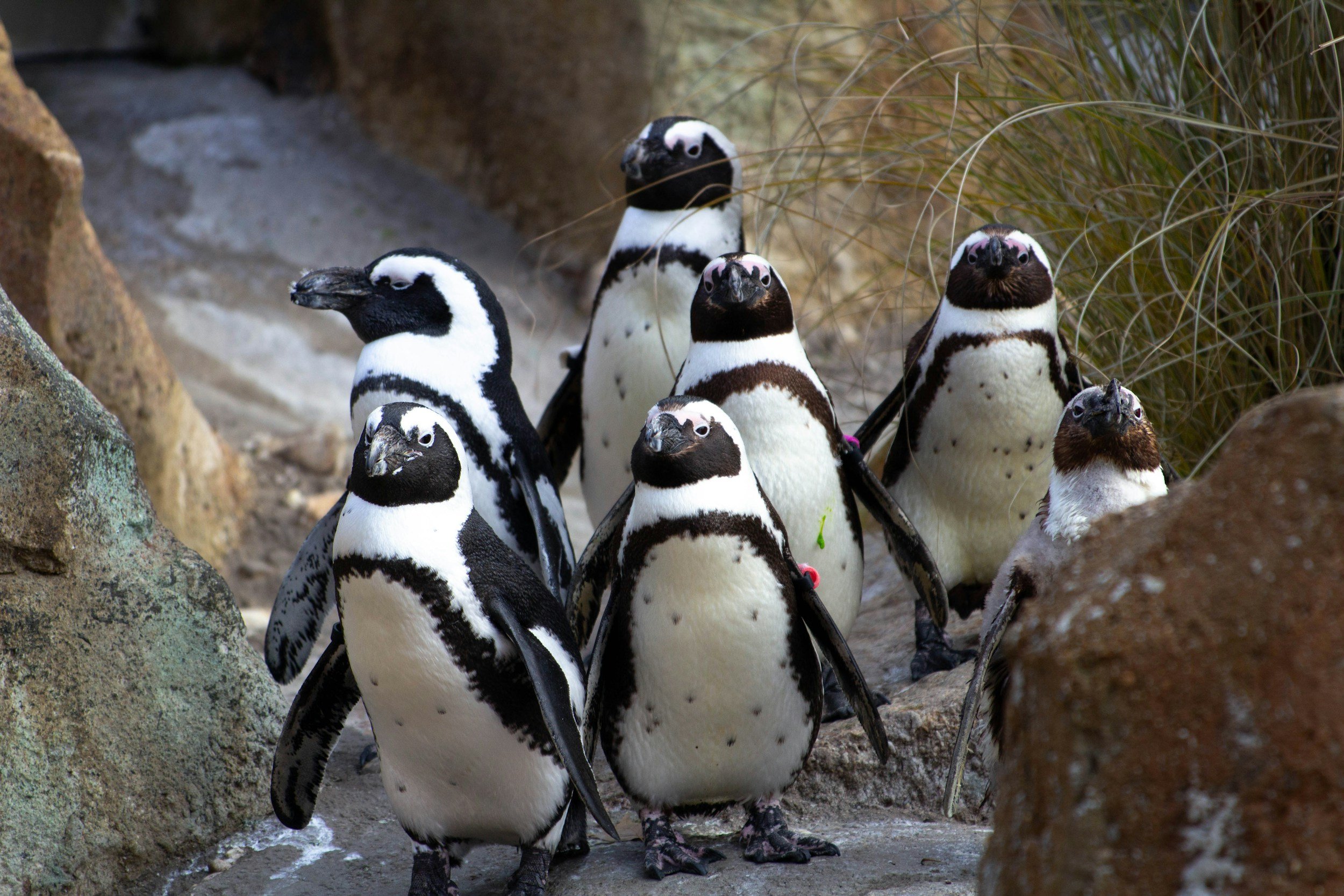
The population of African penguins in South Africa has suffered a 95% decline over an eight-year period, with starvation cited as the primary cause.
New research, published in Ostrich: Journal of African Ornithology, suggests that 62,000 birds in two of the main breeding colonies – at Dassen and Robben islands, north of Cape Town – have died from 2004 to 2011.
This number equates to 95% of the birds that elected to breed in 2004.
Experts who conducted the research point to the scarcity of sardine – the main food for African penguins – as a contributing factor in the deaths. South Africa’s sardine resource, located to the west of Cape Agulhas, has plummeted to less than 25% of the maximum observed value in that region.
According to the report, most of the African penguins died because they were unable to find enough food before and/or after their annual moult. Moulting requires the penguins to come ashore and fast for approximately three weeks to shed and replace all their feathers.
Moulting is necessary as the feathers’ insulation weakens over the course of a year, while aging plumage also affects the penguins’ underwater swimming ability. Nearly half of the penguins’ body mass is lost during this period of fasting.
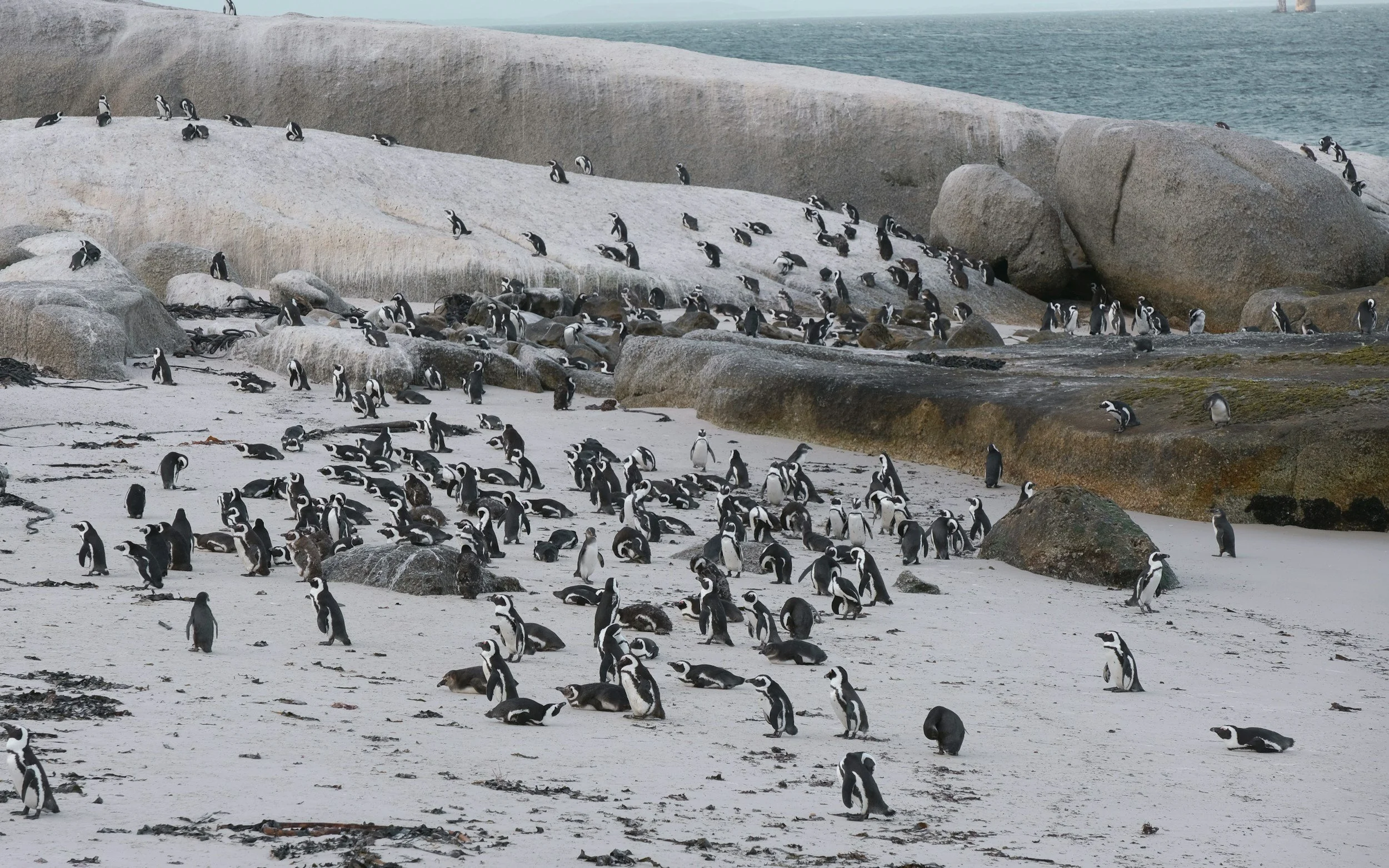
Overfishing, coupled with the ongoing effects of climate change, negatively impacted the amount and distribution of sardine available to African penguins. As regards the former, the fishery exploitation rate of sardine west of Cape Agulhas was consistently above 20% between 2005 and 2010, reaching a peak of 80% in 2006.
The 60,000 breeding penguins lost during the report’s eight-year period is over three times larger than the global population of African penguins recorded in 2023. Indeed, African penguins are now ‘Critically Endangered’ on the International Union for Conservation of Nature’s Red List.
Recent conservation efforts include the introduction of no-take fishing zones around six African penguin colonies. Set out by South Africa’s Ministry of Forestry, Fisheries and the Environment in 2023 and amended earlier this year, these zones will remain in place until at least 2033.
However, with the global population falling to less than 10,000 pairs for the first time in 2023, experts insist that further action is needed.
What can you do?
Species Unite’s 30-day challenge sees people swap the animal products in favor of plant-based foods for an entire month. Take the challenge here to receive recipes, support, and advice straight to your inbox.
We Have A Favor To Ask…
Species Unite amplifies well-researched solutions to some of the most abusive animal industries operating today.
At this crucial moment, with worldwide momentum for change building, it’s vital we share these animal-free solutions with the world - and we need your help.
We’re a nonprofit, and so to keep sharing these solutions, we’re relying on you - with your support, we can continue our essential work in growing a powerful community of animal advocates this year.

Plant-leather boots, cruelty-free bags, and animal-free versions of your favorite brands - see our full guide to the best cruelty-free alternatives to iconic fashion staples.