
Meatly begins work on the largest-ever cultivated meat facility in Europe
The new pilot facility in London is the latest milestone for Meatly, which became the first company in the world to sell cultivated meat as pet food.
Credit: Meatly
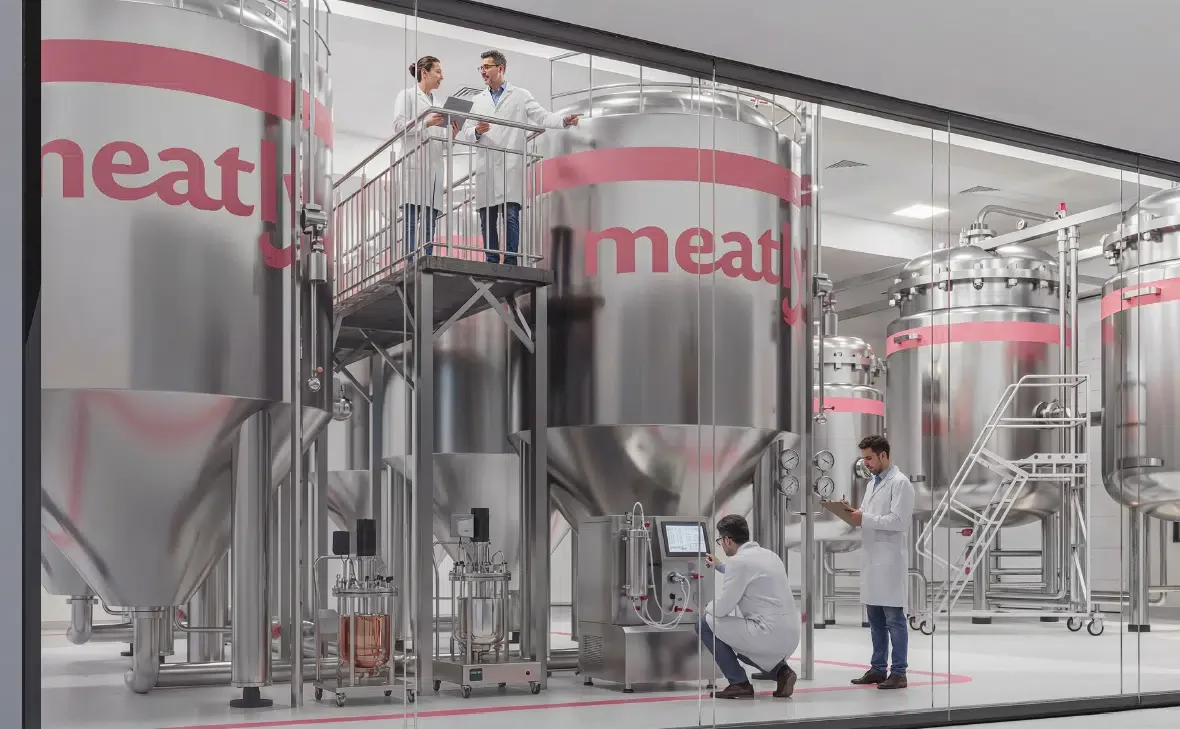
The UK cultivated meat company, Meatly, has started fit-out work on a new pilot facility in London.
Also known as cellular agriculture or lab-grown meat, cultivated meat production creates ‘real’ meat, but it is cultivated (grown) directly from animal cells, and so sparing the lives of farmed animals.
According to Meatly’s CEO, Owen Ensor, once complete it will be the largest-ever cultivated meat site in Europe.
In their latest funding round, Meatly secured £10.4 million for the facility, with new backers including Oyster Bay Venture Capital, a Hamburg-based food and agtech fund, and Clean Growth Fund, a UK climate tech specialist.
“This investment marks a powerful endorsement, not just of Meatly, but of Britain’s foodtech and biotech sectors,” said Ensor.
The facility is expected to house 20,000 litres of bioreactor capacity. Last year, Meatly announced that its team had designed and developed a bioreactor at a cost of £12,500 – much lower than the pharmaceutical-grade bioreactors typically used in the cultivated meat sector, which cost over £250,000. This followed news that Meatly had brought down the cost of its chemically defined, protein-free growth medium to £0.22 per litre.
Indeed, lowering costs, and scaling production, have been at the forefront of Meatly’s mission, as it strives to produce cultivated meat for just a few pounds – a decade after the world’s first lab-grown beef burger appeared, at a cost of $330,000.
“The market opportunity for sustainable and high-quality protein is enormous, but success in this category ultimately comes down to one thing: bringing down the cost of production,” said Jim Mellon, executive chairman at Agronomics, a founding investor in Meatly. “The team at Meatly has consistently cracked this challenge, reducing costs by building their own bioreactors, developing their own culture medium, and staying focused on what it takes to scale.”
Ensor said the new facility will allow Meatly to prove commercial viability at scale, and start to continually produce Meatly Chicken for the UK pet food market.
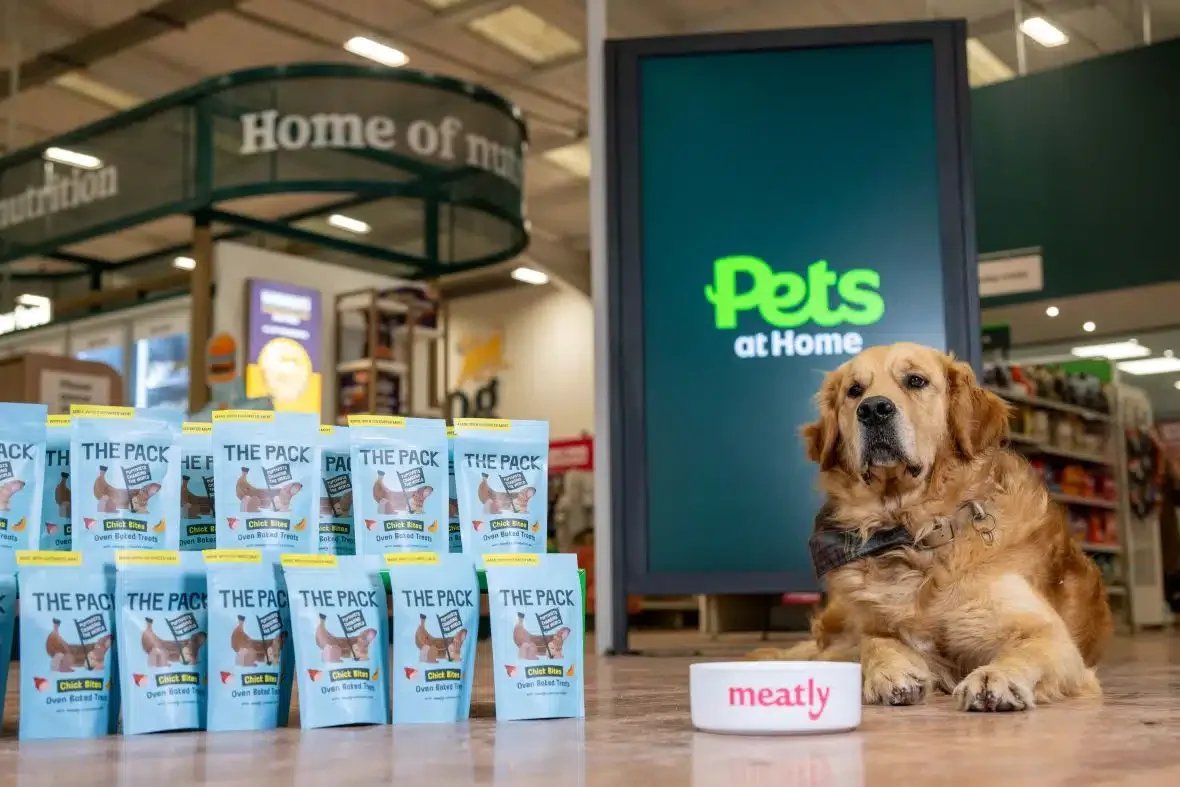
Meatly made international headlines in 2024, after becoming the first company in the world to receive regulatory approval for selling cultivated meat as pet food.
Ensor – who founded Meatly in 2022 – wanted to focus on pet food, which he said is often overlooked in terms of its contribution to greenhouse gas emissions, land use, and environmental footprint.
As Ensor pointed out, pets eat 20 percent of all meat globally, and in the UK, a labrador consumes more meat on average than its owner. And it’s a market that continues to grow – worth around $150 billion as of this year.
The cultivated chicken for dogs was launched in Pets at Home, the chain of UK pet stores that is among Meatly’s biggest investors. Feeding trials found that 75 percent of dogs enjoyed the food more than their baseline diet.
Credit: Meatly
Singapore was the first country in the world to grant regulatory approval for cultivated meat products, back in 2020. Cultivated meat companies in the US and Israel have since won approval from their respective food authorities, amid growing consumer demand for cultivated meat.
As such, the global cultivated meat market is predicted to reach $6.9 billion by 2030. A recent survey of US adults found that people aged between 18 and 34 were most likely to buy cultivated meat products, due to concerns about the ethical and environmental impact of traditional meat production.
“Rethinking how we produce protein is an essential part of tackling the climate crisis,” said Connor Duffy, investment manager at Clean Growth Fund. “We’ve invested in Meatly because they are showing it’s possible to produce real meat cost-competitively and with a fraction of the environmental impact.”
More stories:
We Have A Favor To Ask…
Species Unite amplifies well-researched solutions to some of the most abusive animal industries operating today.
At this crucial moment, with worldwide momentum for change building, it’s vital we share these animal-free solutions with the world - and we need your help.
We’re a nonprofit, and so to keep sharing these solutions, we’re relying on you - with your support, we can continue our essential work in growing a powerful community of animal advocates this year.
A new investigation has documented the killing of newborn male chicks inside a hatchery, with calls growing for the industry to adopt in-ovo sexing technology that could bring an end to the practice.