Planetary health diet could cut heart disease risk by 28%, study finds
A new study tracking more than 65,000 women over two decades has found that following a plant-forward diet could cut the risk of cardiovascular disease by 28 percent.
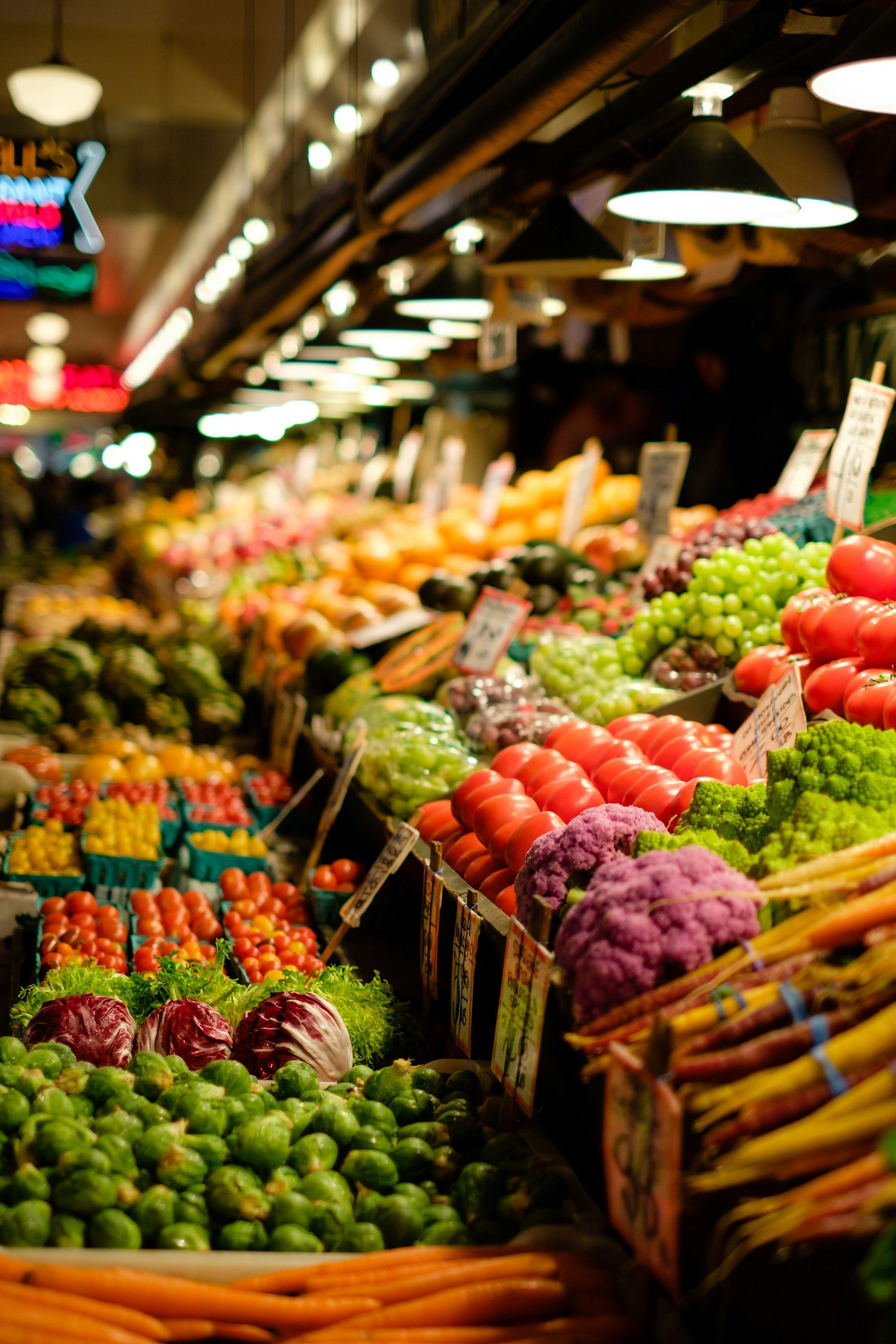
A plant-forward diet could cut the risk of cardiovascular disease by 28 percent, according to a new study that tracked more than 65,000 post-menopausal women across two decades.
The research, which followed participants in the Women's Health Initiative, a long-term national health study funded by the National Institutes of Health, found that women whose diet most closely followed the Planetary Health Diet had significantly lower rates of cardiovascular disease, coronary heart disease, heart failure, and stroke. Even partial adherence to the diet was linked to reduced risk.
The women were in their early sixties at the beginning of the study and were followed for approximately 20 years to track cardiovascular events. When analyzing the data, researchers adjusted for factors such as age, race, income, smoking, alcohol, physical activity, and total calorie intake, all of which can potentially affect cardiovascular health.
The Planetary Health Diet, developed by the EAT-Lancet Commission, is a science-based way of eating that aims to provide an eating pattern that benefits the environment as well as human health. It prioritises plants such as whole grains, nuts, legumes, and vegetables, with small amounts of animal-derived foods like meat, dairy, and eggs.
The diet presents a flexible pattern of eating, and can involve flexitarian, vegetarian or vegan diets.
“Our results suggest that people may not need to follow a perfect or very restrictive diet to see potential heart-health benefits,“ said Donya Shahamati, one of the study’s researchers and a doctoral student in public health at the University of California, Irvine. “This is especially important for postmenopausal women, because cardiovascular risk increases with age and tends to rise after menopause.”
Shahamati emphasizes that the diet does not require a dramatic overhaul of eating habits. "Moving toward a more plant-forward, higher-quality diet can be accomplished through small, realistic changes," she said. "These changes might include filling half the plate with vegetables more often, using avocado or olive oil in place of butter, choosing oatmeal or whole-grain cereal for breakfast, or trying a meatless meal once per week."
The diet’s name comes from science showing that eating more plants and less animal-derived foods is beneficial for reducing the worst effects of the climate crisis. Research has shown that reducing intake of animal products could help slash greenhouse gas emissions and curb deforestation.
A separate landmark report published in 2025 found that widespread adoption of the Planetary Health Diet could prevent more than 40,000 premature deaths per day globally.
Take the 30-Day Plant-Powered Challenge: Join Species Unite's 30-Day Plant-Powered Challenge, a free month of recipes and tips to help you eat in a way that's better for your health, better for the planet, and better for the animals. One meal at a time.
We Have A Favor To Ask…
Species Unite amplifies well-researched solutions to some of the most abusive animal industries operating today.
At this crucial moment, with worldwide momentum for change building, it’s vital we share these animal-free solutions with the world - and we need your help.
We’re a nonprofit, and so to keep sharing these solutions, we’re relying on you - with your support, we can continue our essential work in growing a powerful community of animal advocates this year.