
Inside the legal fight for animal rights
Two agricultural students filmed themselves placing fireworks inside a sheep's body and kept her ear tag as a trophy. Their conviction sparked a question the legal system is still struggling to answer: what does justice actually look like for an animal?
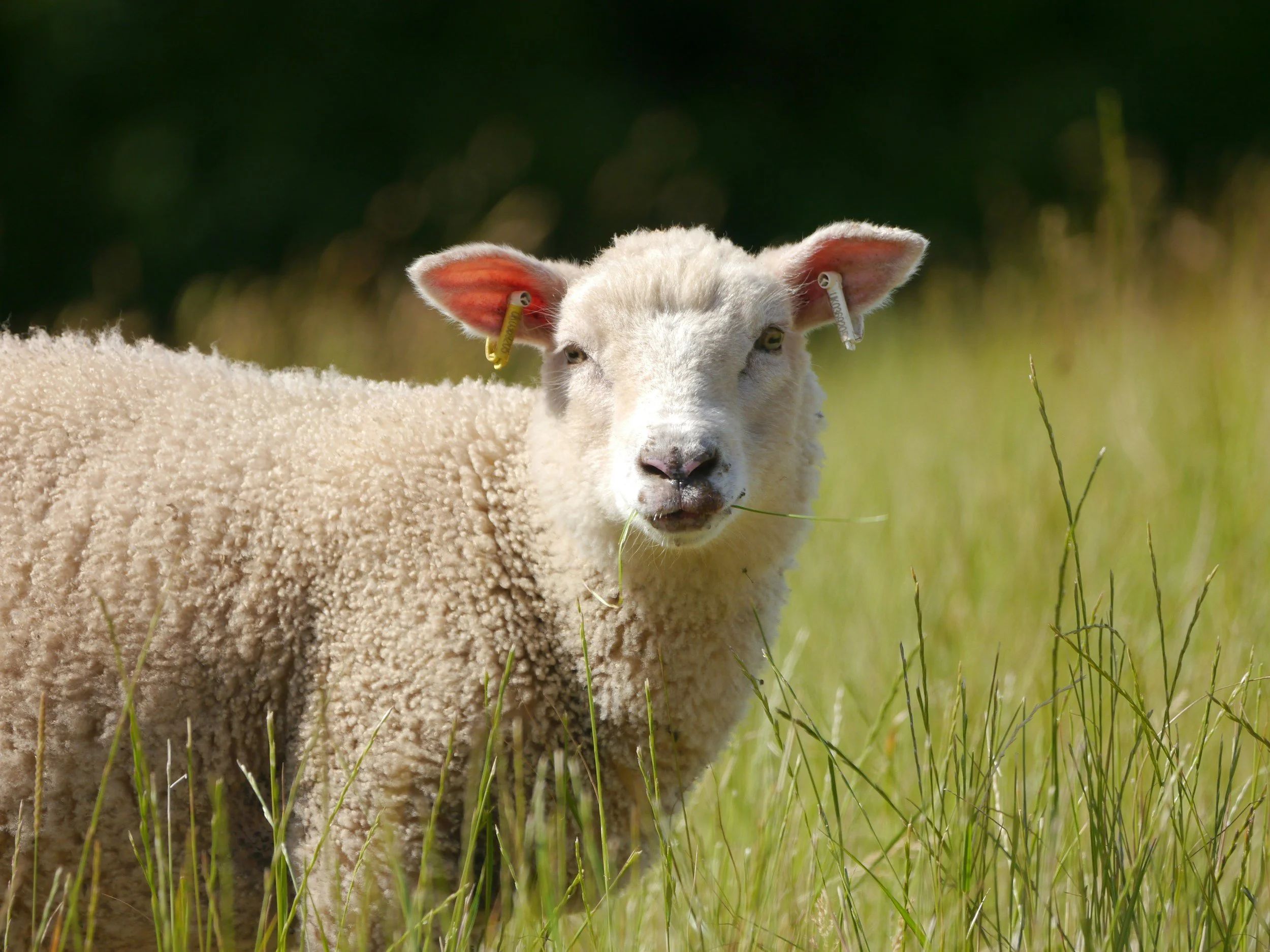
In a UK courtroom earlier this year, two agricultural students were jailed for a 30-minute attack on a sheep named Eunice that included placing fireworks inside her body. They filmed it on a mobile phone and kept her ear tag as a trophy. The judge called it "callous and frankly sadistic behavior."
Leighton Ashby, 22, received two years in custody. Oakley Hollands, 20, received 20 months in a young offenders' institution. Campaigners celebrated, as imprisonment is rarely the outcome in animal cruelty cases. But the case has also become a symbol of a deeper fight: for stronger recognition of animal victims in the legal system, and for justice that reflects the true seriousness of violence against animals.
Given the shocking and sadistic cruelty involved, are sentences for animal cruelty ever truly strong enough? Penalties for crimes against farmed animals are often limited because the law still largely treats them as property. This raises a deeper question: should animals be viewed as property under the law at all? And how can we work towards a world where animals are afforded more legal protections?
The gap between protection and rights
Eunice's case illustrates what lawyers call a "thin right" - a basic legal protection against unnecessary suffering. Under the UK's Animal Welfare Act 2006, the judge was able to recognize that Eunice had been subjected to suffering the law prohibits. Thin rights like these exist in various forms across the world, including in the US Animal Welfare Act (AWA), which requires that animals such as dogs, cats, and monkeys in regulated facilities be provided food, water, and shelter. They offer some protection, but only when enforced, and only up to a point.
What animals do not yet have are what legal scholars call "thick rights", which are rights that go further, including the right to bodily autonomy and the right to life. These would look very different from the protections that currently exist. The right to bodily autonomy, for instance, would make it unlawful to confine animals in cages against their will. The right to life would, of course, prohibit killing animals for food. No country has yet enshrined thick rights for animals in legislation - but a growing number of courts have begun to recognize them.
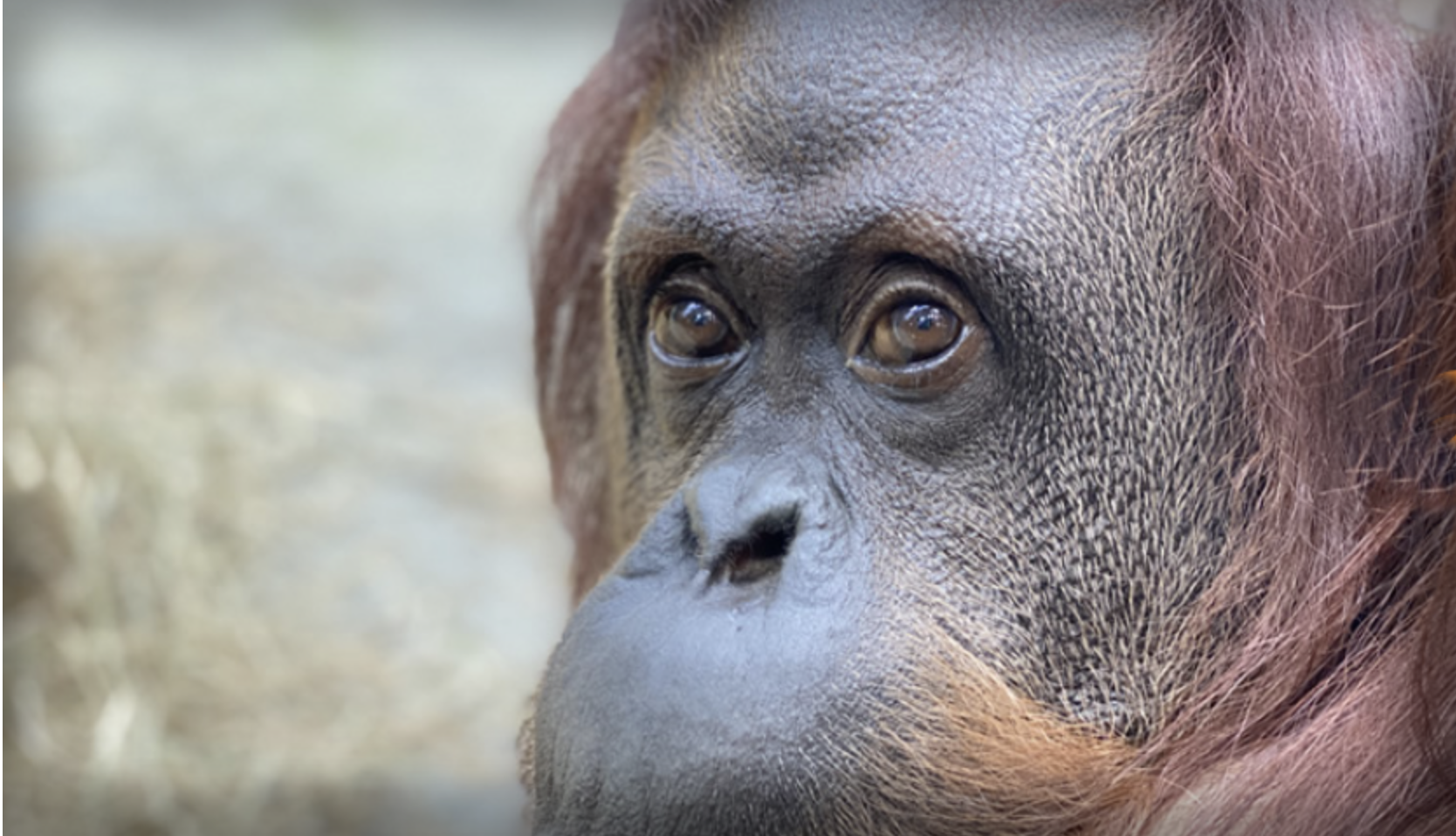
Sandra the orangutan, one of the first great apes in history to be granted judicially recognized liberty rights. Credit: The Great Ape Project
The courts that have listened so far
In 2023, the city council of Ojai, California, passed a landmark ordinance inspired by Tarra the elephant, who had spent decades in confinement. The law symbolically recognized her right to bodily liberty, making it unlawful within the city to subject an elephant to conditions that replicate the deprivation of freedom she had endured. This case reframed elephants as beings whose liberty interests deserve legal consideration, rather than purely as property or exhibits.
In Ecuador in 2022, the Constitutional Court ruled in the case of Estrellita the woolly monkey that wild animals are holders of constitutional rights. After Estrellita was taken from the wild and kept in captivity, the court found that her rights to life, freedom, and integrity had been violated, marking one of the first times a high court in the world explicitly recognized a nonhuman animal as a rights-bearing subject under constitutional law.
In Argentina, two cases set important precedents. In 2015, Sandra the orangutan was recognized by a court as a nonhuman legal person with a right to liberty, removed from a Buenos Aires zoo, and relocated to a sanctuary in Brazil, one of the first great apes to be granted judicially recognized liberty rights. A year later, Cecilia the chimpanzee became the subject of a habeas corpus petition, which is a legal principle meaning "you have the body," which protects against unlawful detention. The court accepted that Cecilia could be treated as a nonhuman legal person, ordering her release from a zoo and transfer to a sanctuary. The judgment was significant not only for its outcome, but for its framing of captivity as a deprivation of freedom requiring legal remedy.
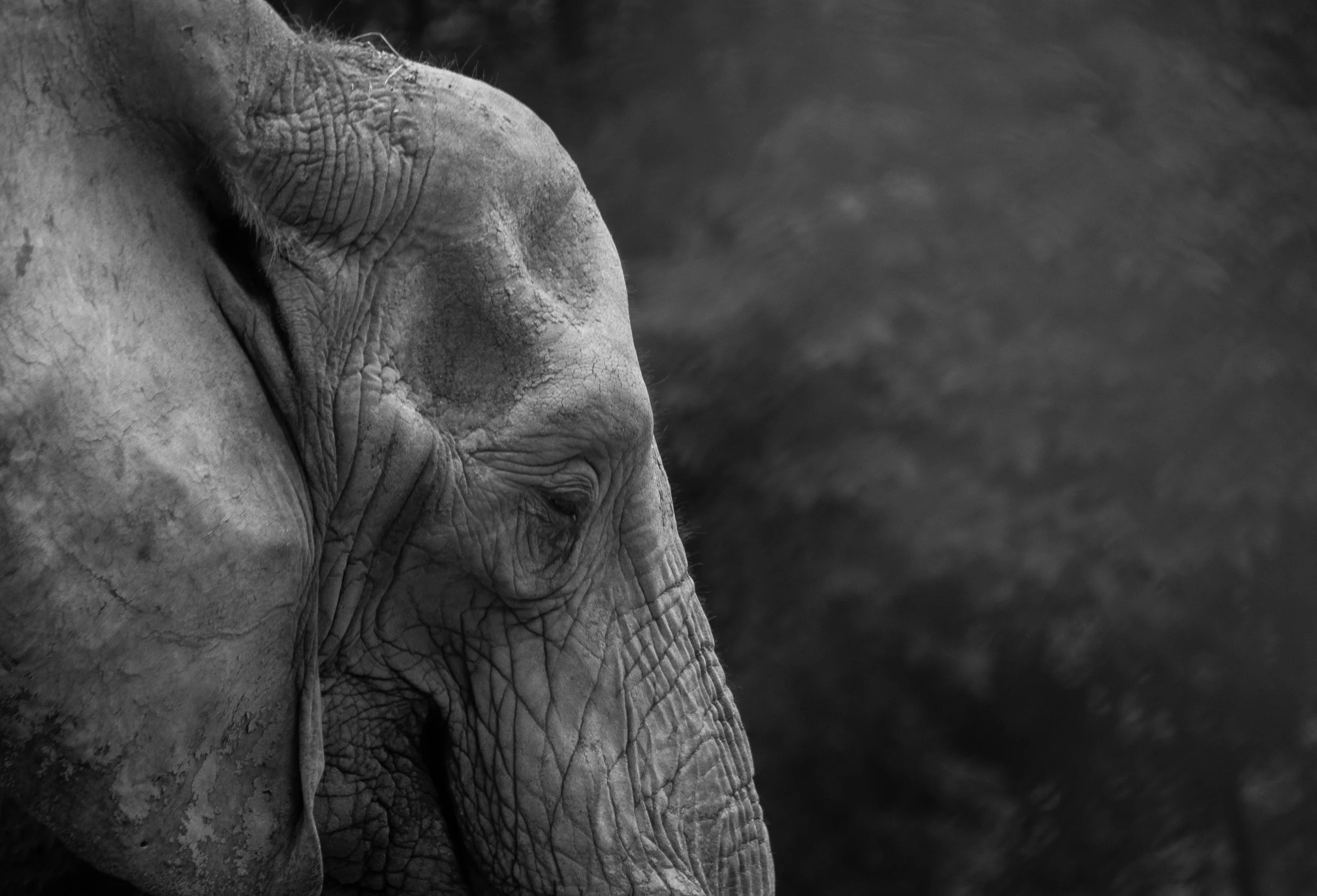
Tasha is one of five African elephants at Pittsburgh Zoo on whose behalf the Nonhuman Rights Project is fighting for legal personhood and the right to sanctuary. Credit: Hannah Gabrielson/Species Unite
The organization fighting for animal personhood
The organization doing perhaps the most sustained legal work in this area is the Nonhuman Rights Project (NhRP), a US-based advocacy organization that uses strategic litigation to challenge the idea that animals should be treated as property. The NhRP focuses on habeas corpus cases, arguing that animals such as chimpanzees and elephants have a legal right to bodily liberty.
A key example of this work is its long-running case concerning African elephants Savanna, Tasha, Angeline, Victoria, and Zuri at the Pittsburgh Zoo, where the organization has sought legal recognition of the elephants’ right to liberty and their transfer to a more suitable sanctuary environment. Although the courts have so far declined to grant relief, the case has been significant in advancing public and judicial debate about nonhuman rights and the limits of existing animal welfare law.
In June 2026, the movement took a significant step forward when two of the NhRP's clients, Mari and Vaigai, two Indian-born female elephants who have lived at Honolulu Zoo for more than 30 years, became the subjects of only the third case in US history in which a state's highest court agreed to hear arguments on behalf of a nonhuman animal's right to liberty. The Hawaiʻi Supreme Court's decision to hear the habeas corpus petition marked a milestone for the organization and for the wider legal fight for animal personhood.
"All we are asking the court to recognize is the elephants' single right to liberty," said Jake Davis, senior staff attorney at the NhRP. "What that would do is give them the opportunity to live as nature intended elephants to live."
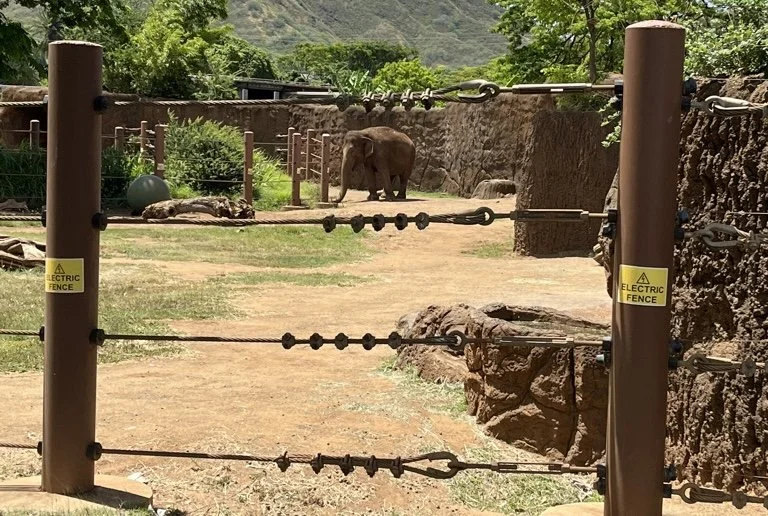
The Asian elephant exhibit at the Honolulu Zoo. Credit: NhRP
The long game
Legal advocates argue that continuing to bring these cases is essential. Each time a judge recognizes an animal’s interests in liberty, life, or freedom from suffering, we are taking steps towards greater legal recognition and protection.
And it’s not only animals who stand to benefit from this shift. In 2016, activist Anita Krajnc faced a potential ten-year prison sentence for giving water to a pig on a transportation truck heading for slaughter in Toronto, Canada. The farmer brought the case against Anita, claiming she had interfered with his property. She was ultimately acquitted, but the case illustrates how dangerous it can be to treat animals purely as property under the law, not only for the animals themselves, but for the people who try to help them.
Legal systems evolve through both judicial decisions and legislation. Court rulings can reshape how laws are interpreted and help drive change over time. Each time a judge recognizes an animal's interests in liberty, life, or freedom from suffering, the legal landscape shifts - incrementally, imperfectly, but measurably. If one day thick rights for animals are enshrined in law, cases like Eunice's could result in something closer to justice. Now it’s our responsibility to continue this progress and push for a world where animals receive the protection they deserve.
Species Unite is examining elephant captivity in the United States and the growing movement to change the system. Our upcoming documentary follows the legal challenges brought by the Nonhuman Rights Project to secure the release of elephants held at zoos. Help us bring this film to life here.

Written by Jenny Caham
Jenny is an award-winning journalist, writer and policy and advocacy professional with over a decade of experience in exposing issues affecting animals, our planet and her health. You can find out more about her work at Animal Newsroom.
We Have A Favor To Ask…
Species Unite amplifies well-researched solutions to some of the most abusive animal industries operating today.
At this crucial moment, with worldwide momentum for change building, it’s vital we share these animal-free solutions with the world - and we need your help.
We’re a nonprofit, and so to keep sharing these solutions, we’re relying on you - with your support, we can continue our essential work in growing a powerful community of animal advocates this year.


A cleaner New York Harbor has drawn hundreds of humpback whales back to its waters for the first time in generations, but the same busy port that welcomes them is also killing them.