
China isn’t first on cultivated meat, but could become the biggest market
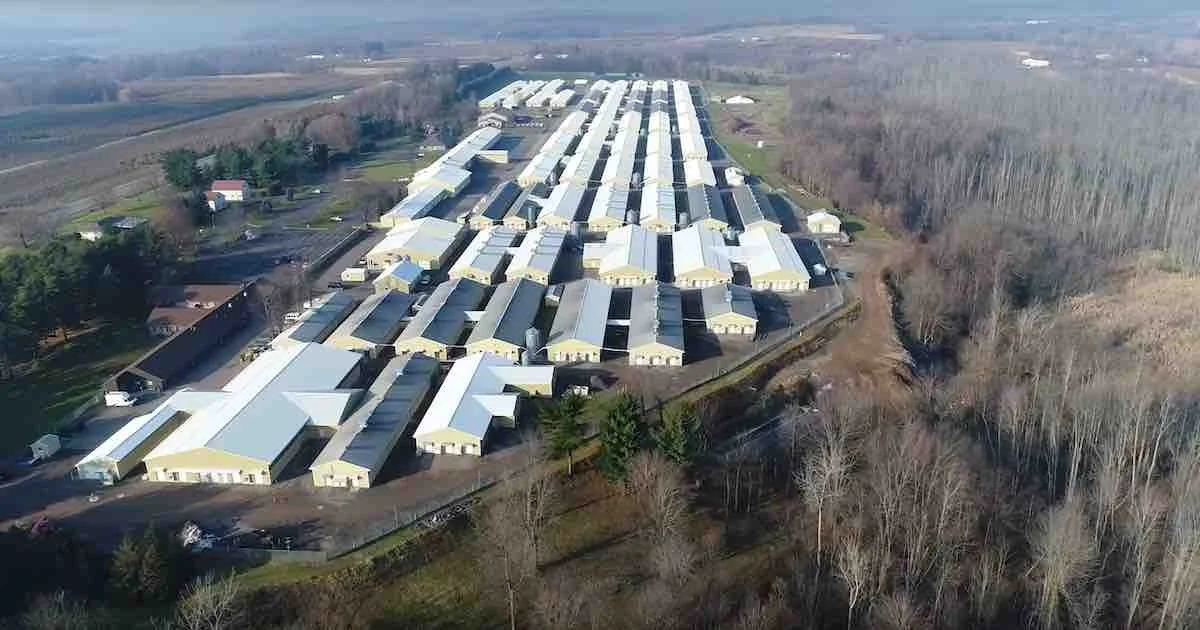
Some developers suggest that adopting cultivated meat could also improve animal welfare by significantly reducing the number of farmed animals slaughtered.
Credit: Joes Future Food
China is the world’s largest meat consumer, and pork dominates the market. National statistics show that China’s per capita pork consumption was 28.1 kg in 2024, followed by poultry at 12.5 kg and beef at 3.9 kg. Yet behind this hefty demand, the traditional meat industry faces multiple pressures.
A Beijing-based food scholar Thomas David DuBois said the industry is particularly prone to epidemics. A report by the World Organisation for Animal Health shows that China lost approximately 40 percent of its pig population in 2018-2019 due to African swine fever outbreaks. “All of the pigs in China are basically the same breed, and it's an imported breed. Some sort of virus that affects those pigs could potentially wipe out the whole swine herd,” DuBois said.
Disease outbreaks in farmed animals not only threaten food security and drive up meat prices, but also raise the risk of zoonotic diseases and harm human health. Adopting new food technology is one way forward.
Development of cultivated meat in China
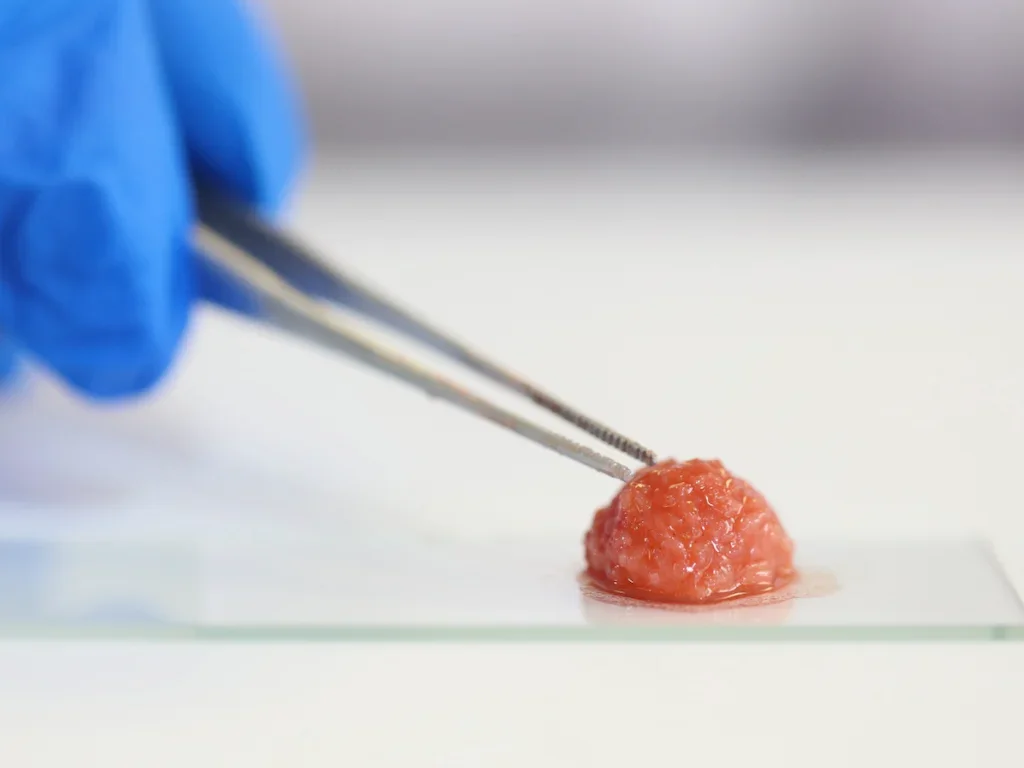
Many countries are developing cultivated meat — grown from animal cells in laboratories — as an alternative to conventional meat to address these challenges. Some developers suggest that adopting cultivated meat could also improve animal welfare by significantly reducing the number of farmed animals slaughtered, according to a report by the Food and Agriculture Organization of the United Nations.
As one of the countries that slaughter the most farmed animals, China created its first cultivated meat in 2019 through a team at Nanjing Agricultural University (NAU), following the world’s first ever cultivated meat burger produced in the Netherlands in 2013.
A few countries have approved the sale of cultivated meat for human consumption, including the United States, Singapore and Australia. China is not among them, but the APAC Society for Cellular Agriculture (APAC-SCA) said China is not lagging behind and may even overtake its competitors, given its advantages in biotechnology and manufacturing.
“The key challenge now is moving from promising pilot-scale demonstrations to repeatable, food-safe and economically viable industrial production,” APAC-SCA’s Program Director Peter Yu said.
“China has an enormous existing biomanufacturing ecosystem, including fermentation, pharmaceutical manufacturing, food processing and industrial equipment,” he said. “That infrastructure could become very important as cultivated meat moves from laboratory research and development toward large-scale production.”
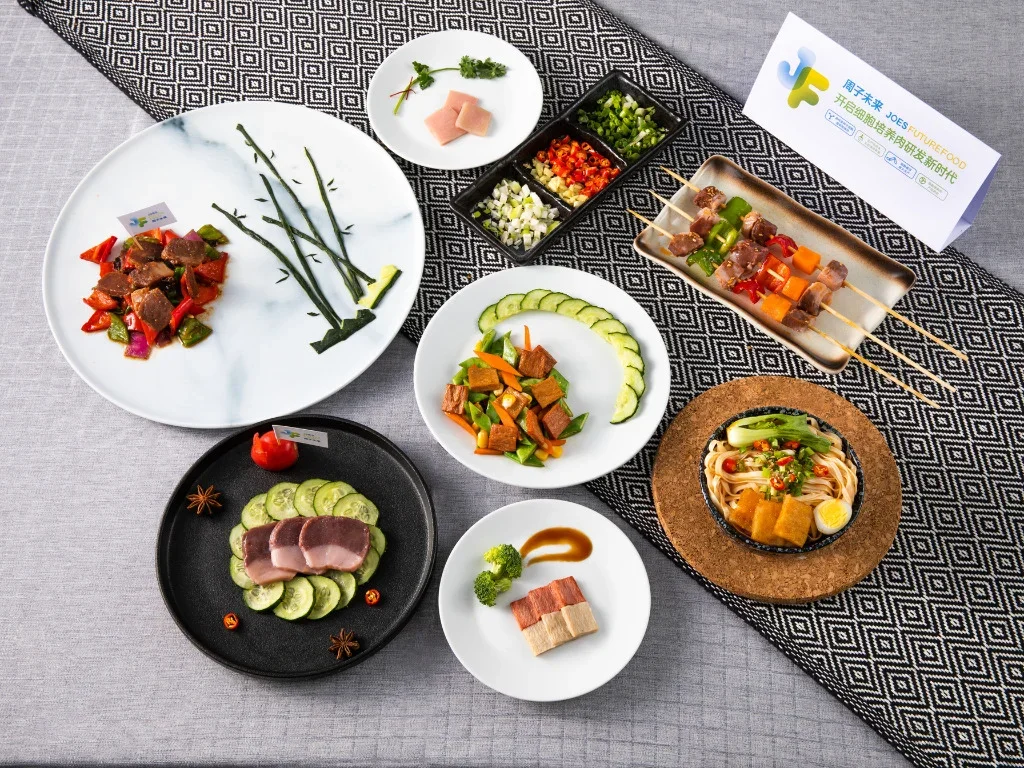
A number of startups are active in the industry in China, such as Joes Future Food, which was spun off from the NAU team. In December 2025, the company opened a cultivated meat pilot plant — the largest in China — and completed the world’s first scaled trial production of cultivated pork in a 2,000-liter bioreactor.
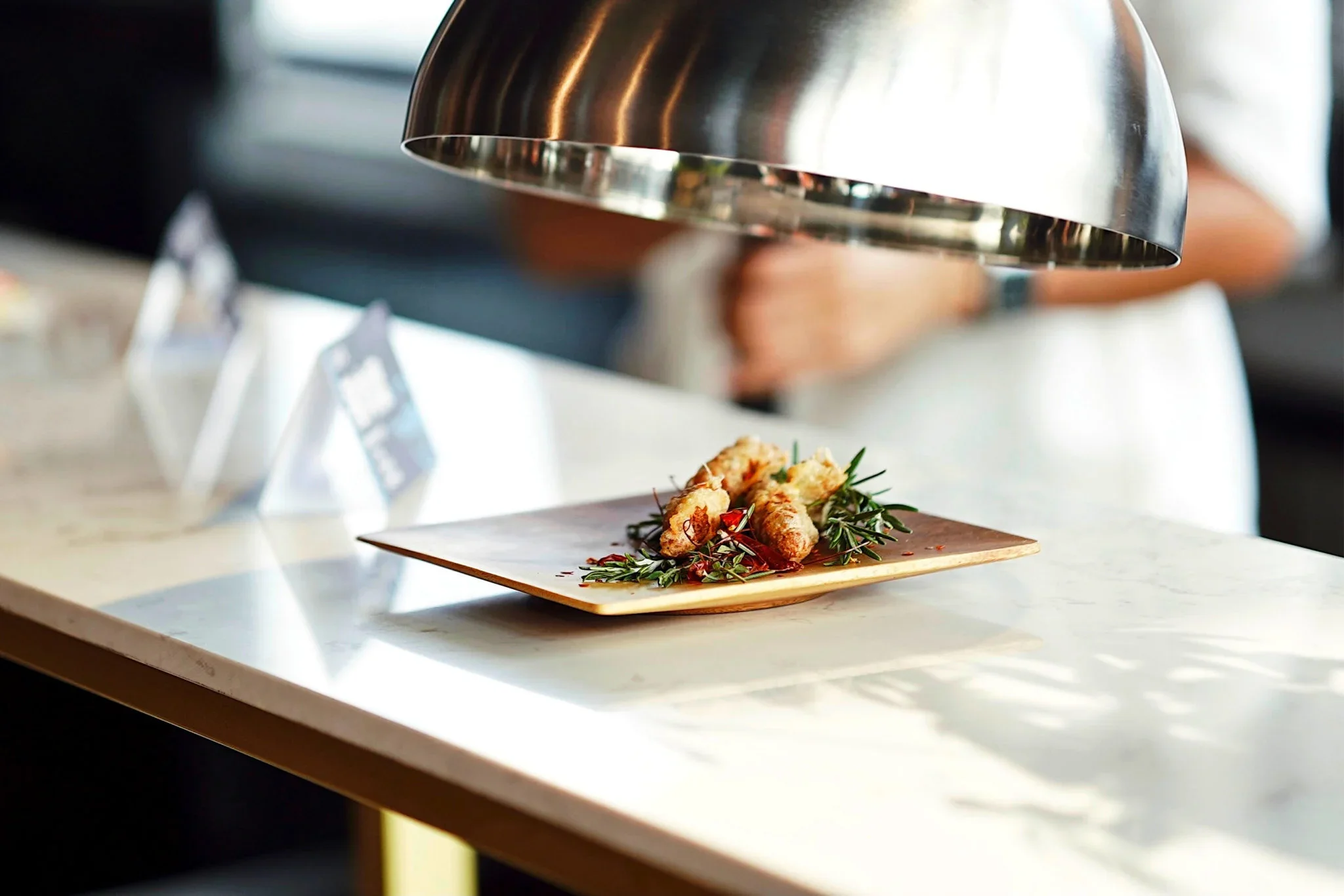
Other startups leading the sector include Shanghai-based CellX, which uses 3D bioprinting technology. The firm opened a pilot facility in 2023 that can produce “a couple of tonnes” of cultivated meat per year, and is planning a next facility targeting commercial production with the capacity to produce hundreds of tonnes of meat annually.
These leading startups show that China is no longer confined to research and development, but is instead working towards large-scale production — the key to overcoming the industry’s bottlenecks of cost and scale.
Credit: Joes Future Food
Regulations and government support
There is no indication of when the Chinese government might approve cultivated meat for human consumption. But food security has gained greater importance in the country in recent years, with authorities calling it a “major prerequisite” for national security.
Yu said there is clearly government interest in broader technological areas that underpin cultivated meat. “What is particularly interesting is that cultivated meat fits into several Chinese strategic priorities simultaneously: food security, biotechnology, advanced manufacturing and reducing dependence on resource-intensive agricultural inputs,” he said.
Given the huge meat consumption of China’s population, the government has stressed the need for a diversified food supply system to ensure self sufficiency in food. This includes exploring alternative proteins beyond traditional farmed animals and poultry by advancing biological science and technology.
Moreover, the production of “future foods” and the research on cell-cultivated meat were mentioned in a five-year plan released by the Ministry of Agricultural and Rural Affairs in 2021.
Given the political importance of food and agriculture in China, DuBois said government support and guidance would be central to the development of cultivated meat.
But he expects the traditional and cultivated meat industries would coexist because long-term food safety unknowns would make the authorities extremely cautious about a full transition.
“What I could imagine is a will to let these two sectors live side by side. The government would not want to put all of China's eggs in one basket,” he said.
Credit: CellX
Looking ahead
Beyond policy signals, consumer acceptance will be another key factor — and the two are closely intertwined.
A study conducted by the APAC-SCA in 2025 looked into consumer attitudes toward cellular agriculture across major cities in China — Beijing, Shanghai, Guangzhou and Shenzhen. Results showed that more than 75 percent of respondents would be willing to try cultivated meat or seafood at least once.
Although Yu stressed that willingness to try does not necessarily result in regular consumption, he believes that once there is a clear regulatory pathway and sufficient confidence in the safety of cultivated meat, China could move relatively quickly and may even surpass its competitors.
“The country does not necessarily need to be the first market to approve cultivated meat,” he said. “It could ultimately become one of the most important markets for producing it at scale.”

Written by Vanessa Cheng
Vanessa Cheng is a journalist and writer covering politics, animal welfare, environmental issues, and culture news.
We Have A Favor To Ask…
Species Unite amplifies well-researched solutions to some of the most abusive animal industries operating today.
At this crucial moment, with worldwide momentum for change building, it’s vital we share these animal-free solutions with the world - and we need your help.
We’re a nonprofit, and so to keep sharing these solutions, we’re relying on you - with your support, we can continue our essential work in growing a powerful community of animal advocates this year.


Some developers suggest that adopting cultivated meat could also improve animal welfare by significantly reducing the number of farmed animals slaughtered.