
Director Allison Argo’s new film Forever Home showcases animal-friendly architecture at North Carolina sanctuary.
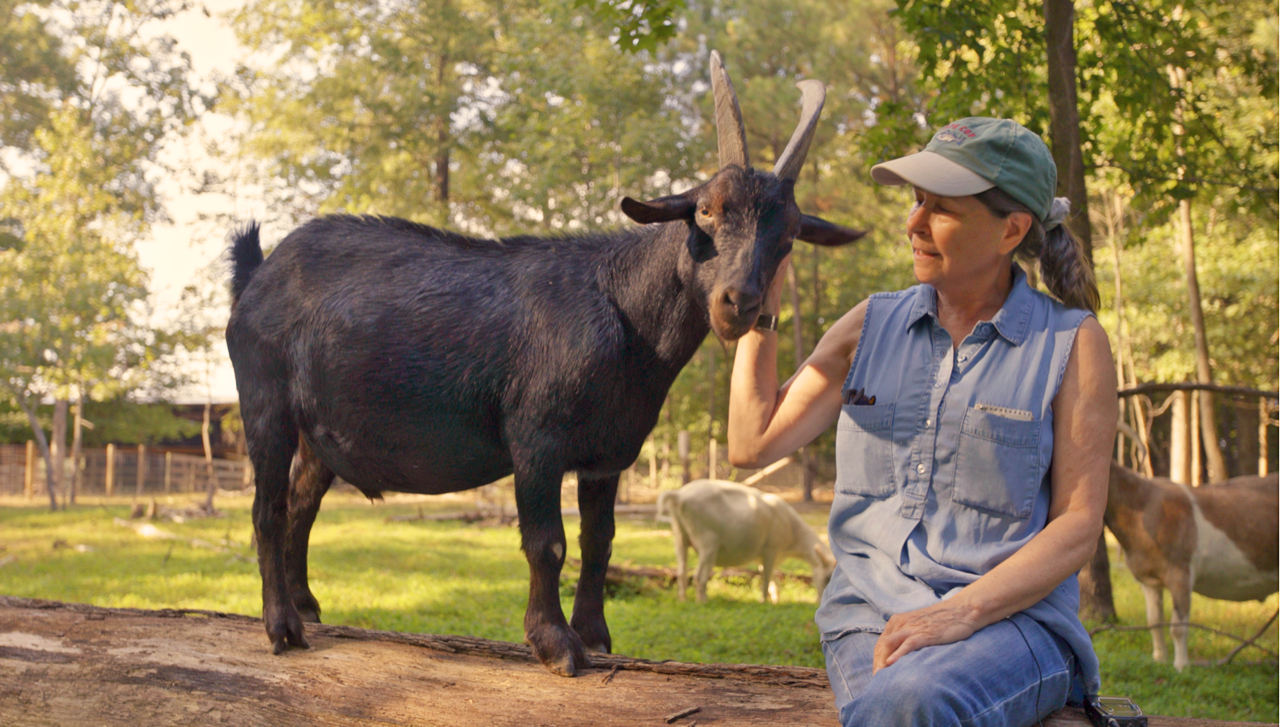
There’s no shortage of documentaries delving into the issues behind factory farming, and most of these films deal with the grim and gruesome reality of humans’ abuse and exploitation of other animals. It is rare for a documentary of this kind to bring a joyful message of happiness. That’s one of the reasons why director Allison Argo’s new release Forever Home is such a breath of fresh air. Showcasing sustainable architecture in a farm animal sanctuary, Argo hopes to bring a ray of sunshine into a world that is often filled with gloom and doom.
Argo’s previous film, The Last Pig, focused on a pig farmer’s realization that, after a decade of sending pigs to slaughter, he could no longer continue. The heavy subject matter meant that, for her next project, Argo was looking for more positivity - and the opportunity soon presented itself.
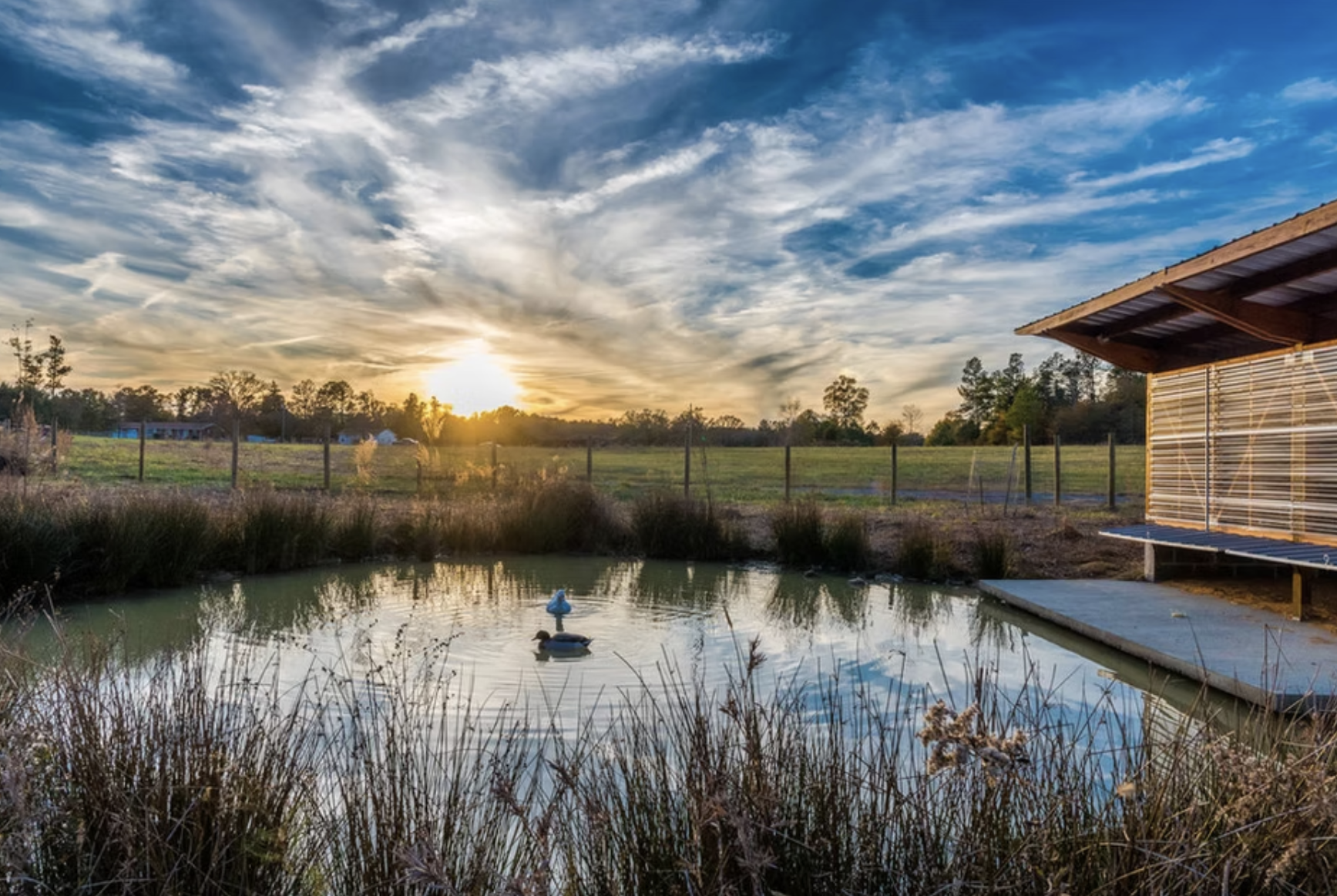
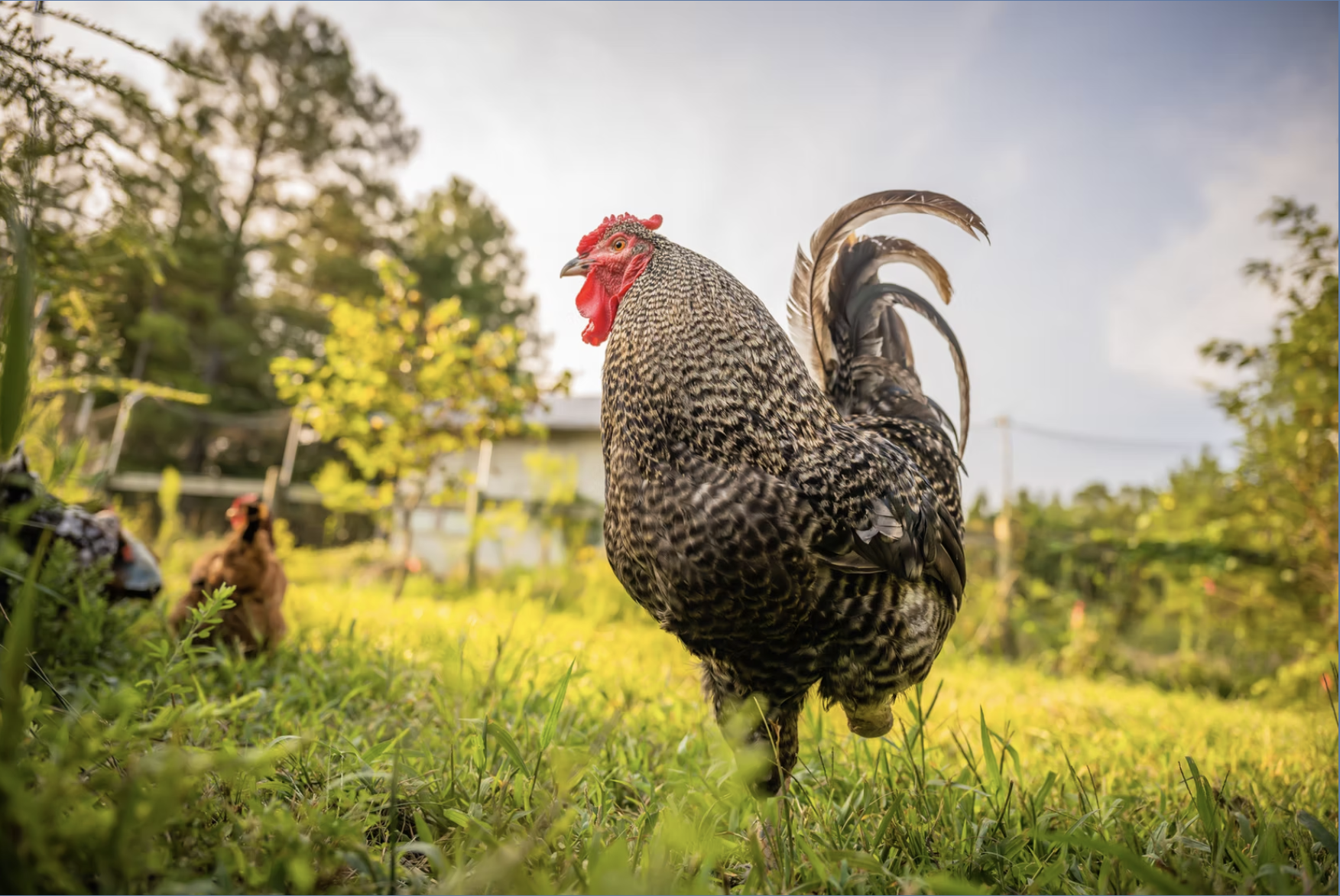
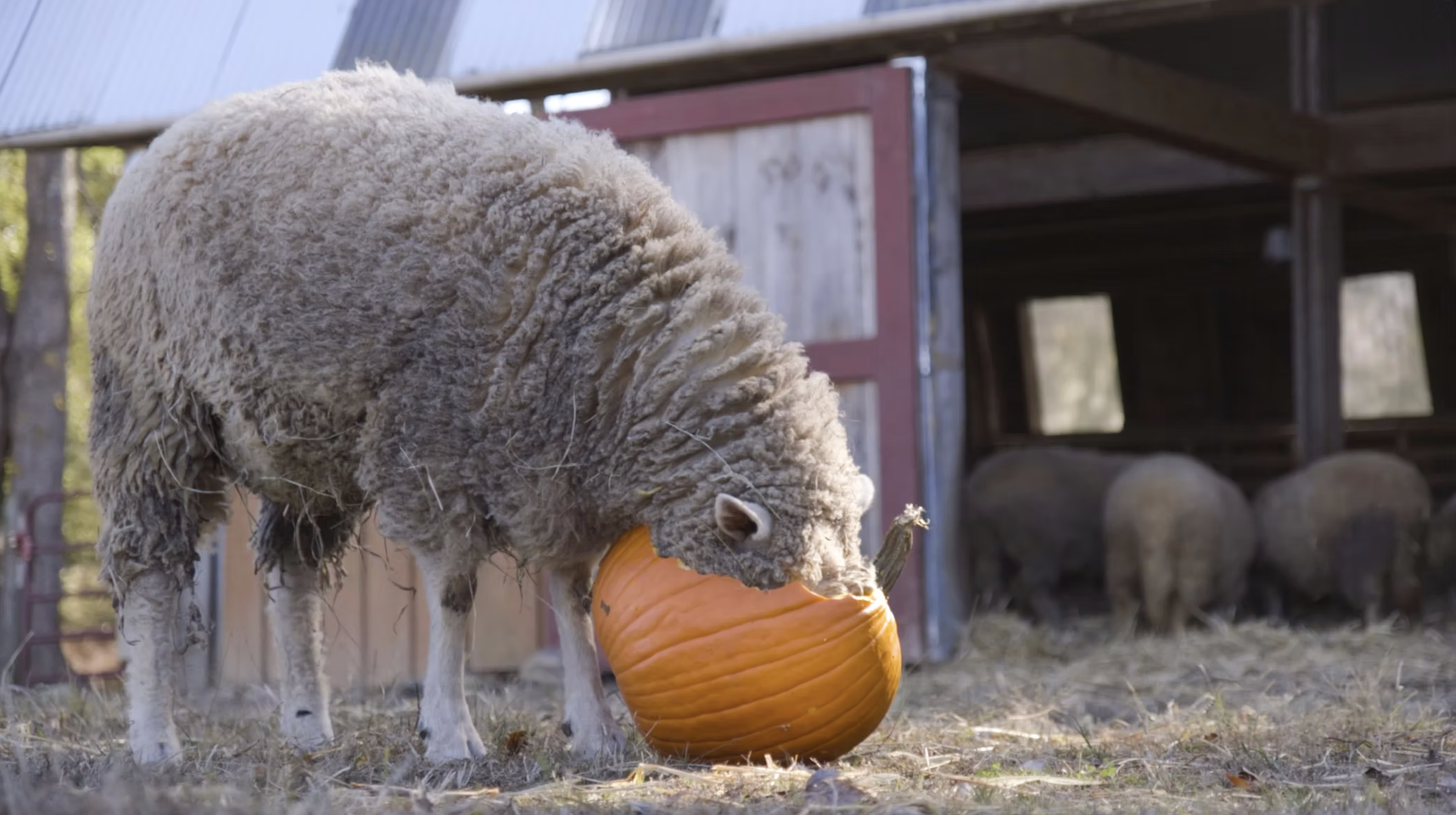
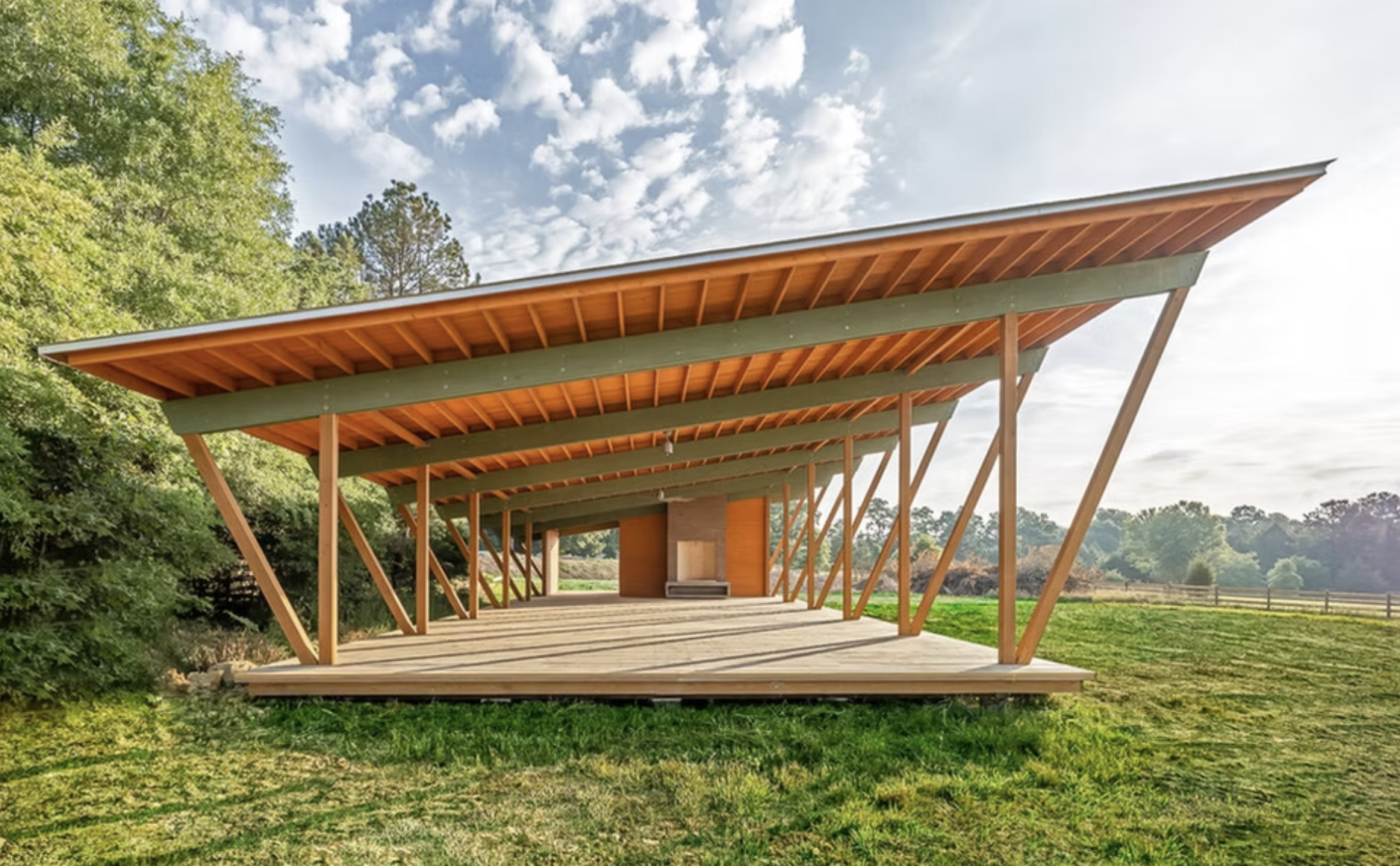
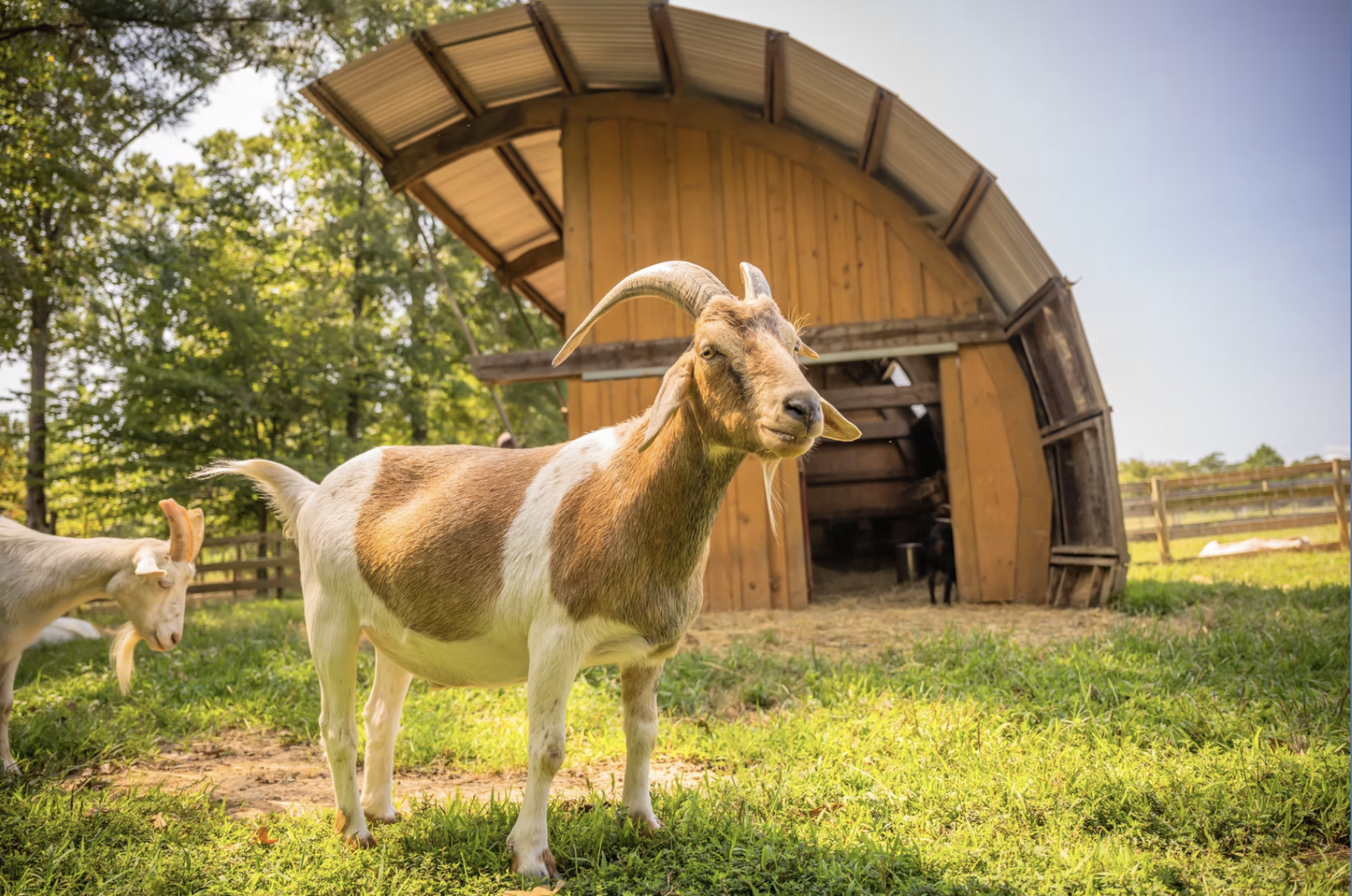
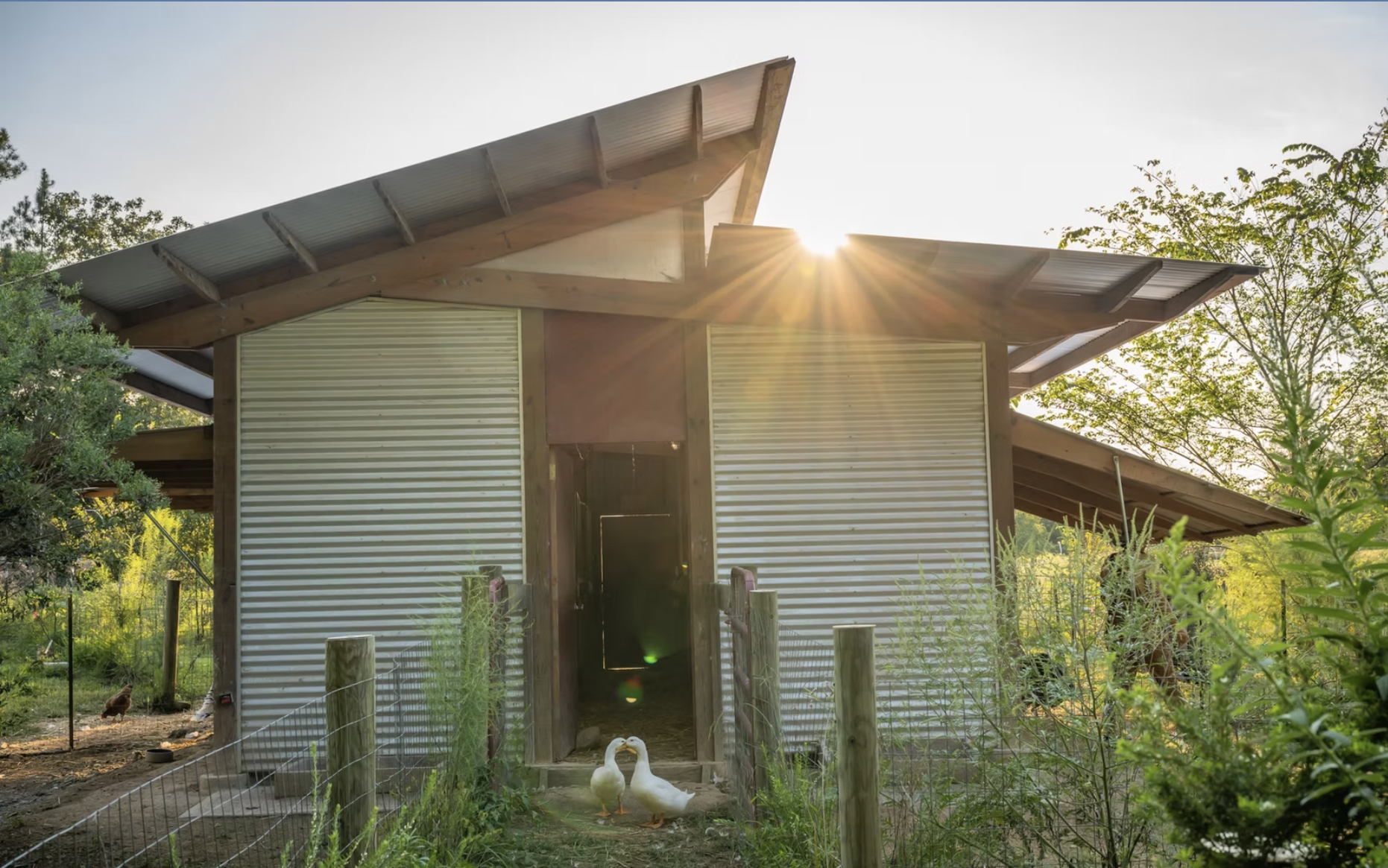
At a screening of The Last Pig, she met Paul Drake and Lenore Braford, who co-founded the Piedmont Farm Animal Refuge in North Carolina. On a visit to the sanctuary, inspiration struck Argo. The highly innovative Refuge uses architecture to meet each animal’s unique needs. As an architect, Paul Drake is able to bring expert knowledge to an area where it is rarely used otherwise. The custom touches are truly singular: the chicken house has large “wings” that fold down at night to protect against predators, the duck area features customized swimming areas, and the three-story goat house features climbing areas and elevated sleeping bunks.
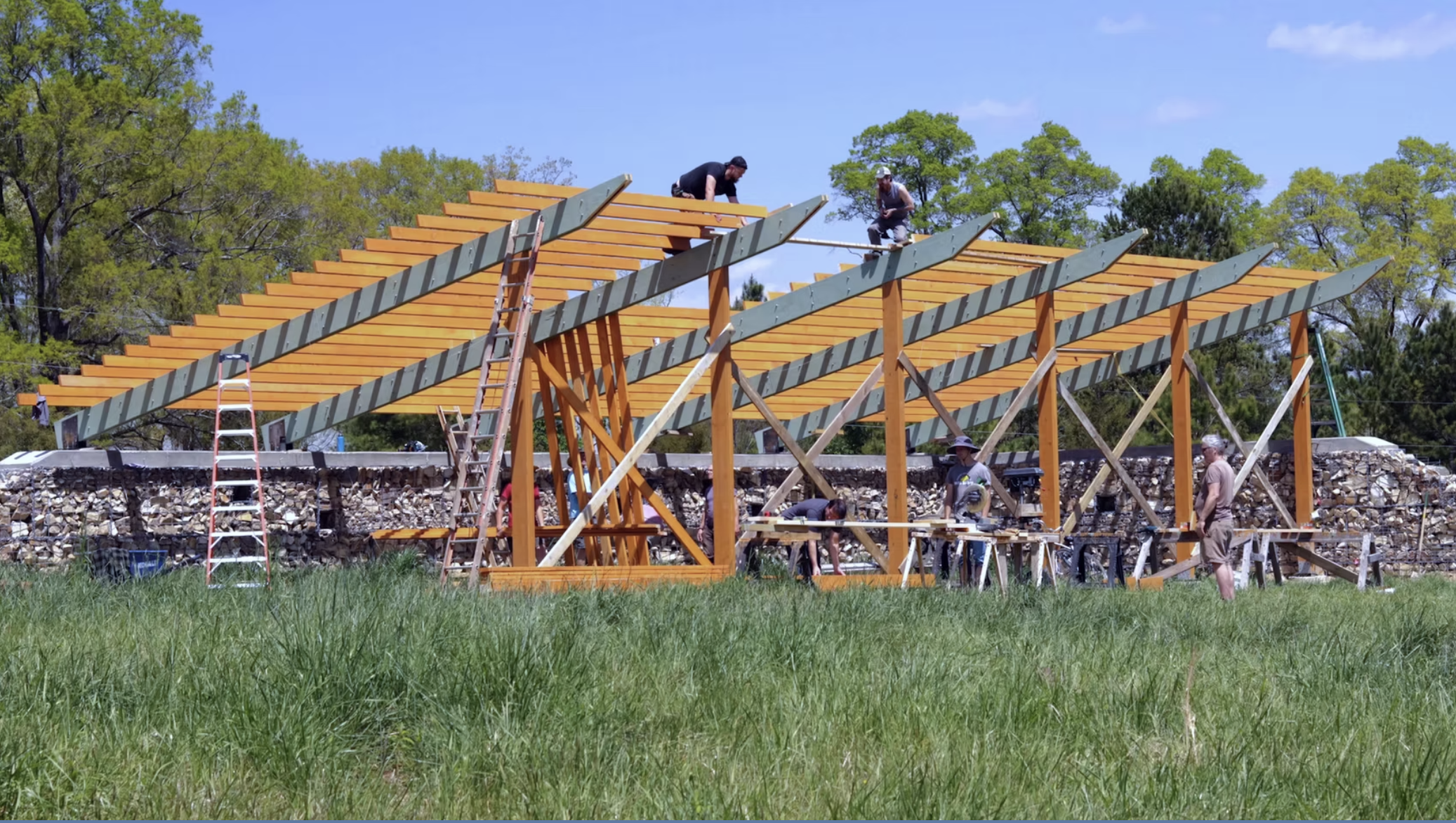
Sustainability also plays an important role in the film. Drake’s mindful approach includes materials such as high thermal-mass stone to absorb heat, eliminating the need for intensive air conditioning, or natural timber without the use of chemical sealants. Recycled materials also feature in the design
Currently, the data around factory farming is grim: 99% of all animals used for food in the US are factory-farmed, meaning that there are approximately 1.7 billion animals at factory farms in the country at any given moment. Recent USDA data has also shown a 50% increase in factory-farmed animals in the country over the last two decades.
Conditions on factory farms have many times been found to be exploitative and cruel to the millions of animals involved: cramped living quarters and risk of disease, painful mutilations such as tail docking, castration and branding all done without pain relief, and a premature death at the slaughterhouse are all reasons why over 70% of Americans oppose factory farms. But with most animal-derived foods deriving from them, a move towards plant-based choices remains the best way to effect change.
Species Unite spoke with Argo about what drew her to the Refuge, how she balanced a joyful tone with the realities of factory farming, and what the animals taught her.
In what way does this project differ from your previous film, The Last Pig?
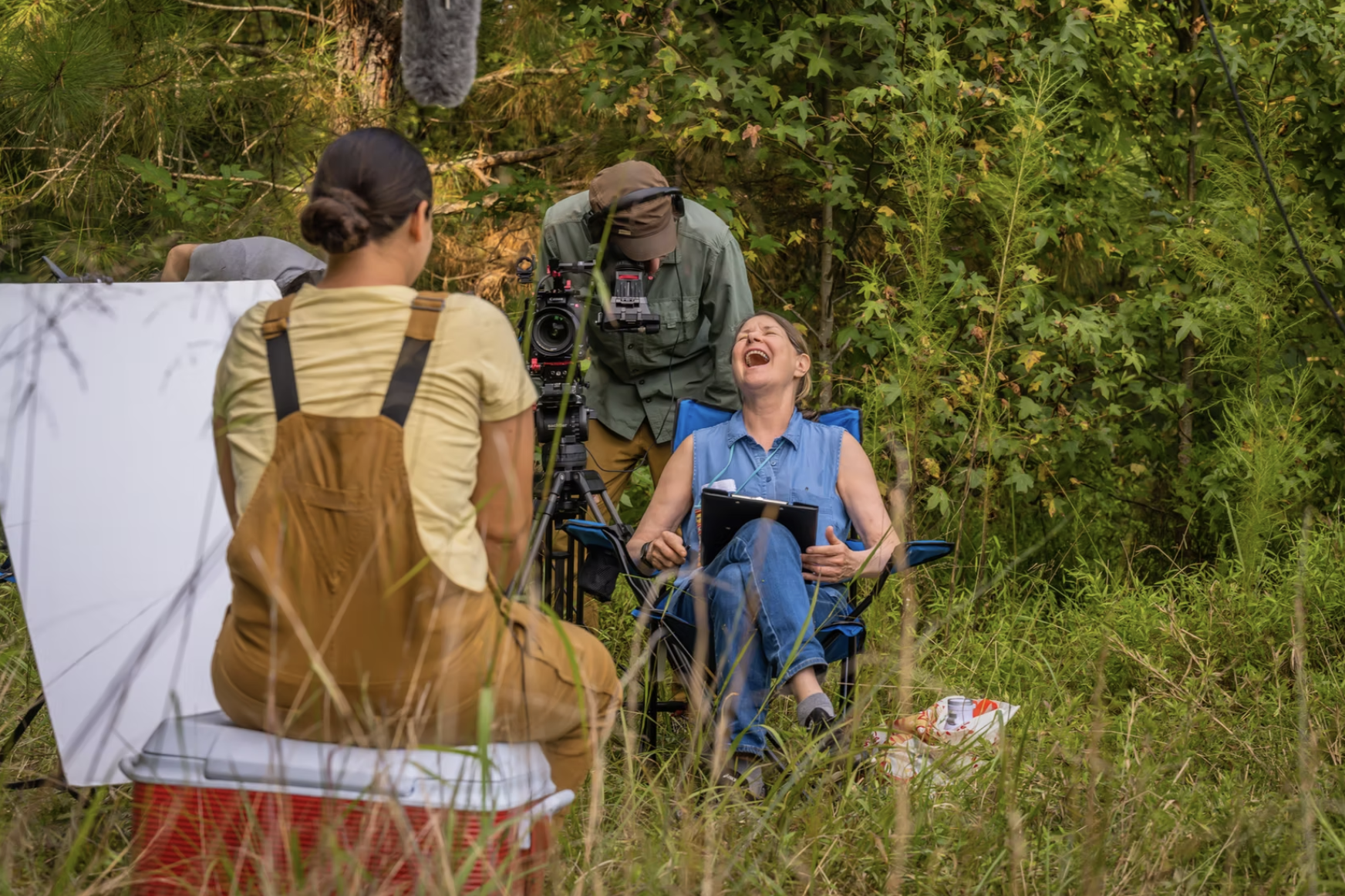
The process of making The Last Pig was emotionally difficult. Getting to know the pigs and then bearing witness to their slaughter was traumatic. And as an editor, I also lived with the footage during the two-year edit. I met Paul and Lenore (the humans in Forever Home) at a screening of The Last Pig in North Carolina. They invited me to their Refuge, and when I saw the creativity, joy and forever homes they were building for their residents, I immediately knew what my next film would be. I needed my next film to be a hopeful, joyous one – and I felt that audiences did, too. We’re living in such trying times, we all need to witness some goodness and optimism.
How did you decide to incorporate the unique architecture angle, and what role does the design play in the film?
Architecture is an intriguing lens through which to see rescued farm animals. Through Paul and Lenore’s colossal efforts to understand their residents and provide the best possible homes, they elevate animals for the viewer. Suddenly we’re seeing goats as individuals deserving of care and attention and a custom-designed home. It was interesting that during the edit, each time we leaned too heavily into the rescue story, it felt cliche, like I’d seen this film before. It was when we brought the architecture to the foreground that it suddenly felt fresh!
How do you balance such heavy topics with a more joyful approach? After all, there’s no escaping the difficult realities behind factory farming.
It’s always a great balancing act with films. I don’t know that I’ve always gotten it right. I tend to skew dark. But if your film is too dark for audiences to watch, then what have you accomplished? In Forever Home, the joy offers a counterbalance to the suffering these individuals have experienced. They’re so clearly safe now and thriving, it’s impossible not to celebrate what’s possible. It’s this positivity that may inspire those watching the film - and falling in love with the Refuge’s residents - to have hope when it comes to the future.
What are some lessons you learned from the animals you met in the process?
I learned, once again, that most nonhuman animals are remarkably resilient and forgiving. Most of the animals featured in my films have been abused by humans, but nearly all of them manage to heal and evolve if they’re given a chance. I’ve learned that if you can meet them where they are, slowly and respectfully, they will allow you to enter their world. I’ve spent a great deal of time with an array of wild animals, and I must say that those we consider ‘farm animals’ - most of them trapped in our farming industry - are every bit as complex and fascinating as the individuals I’ve met in the wild.
Any favorites?
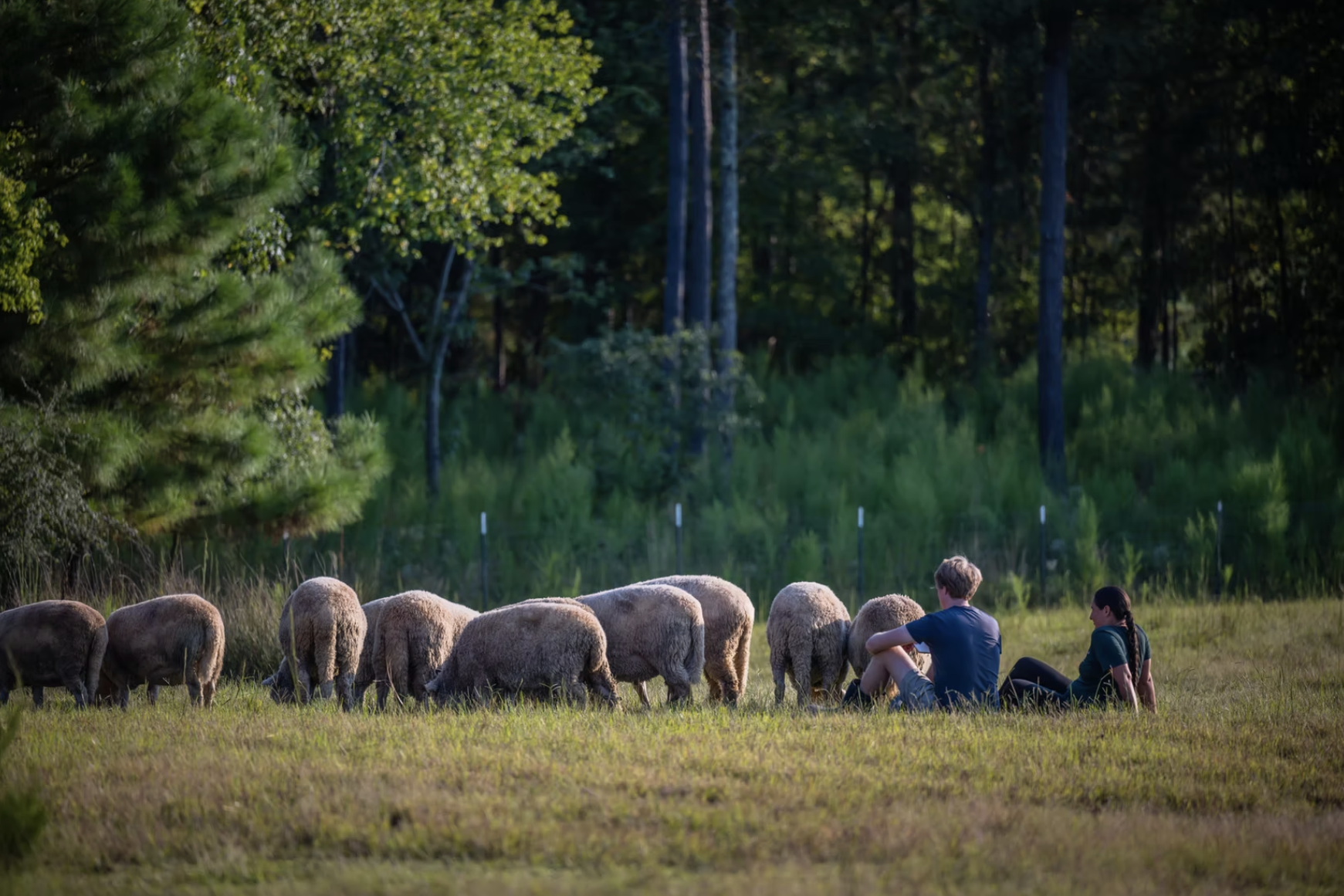
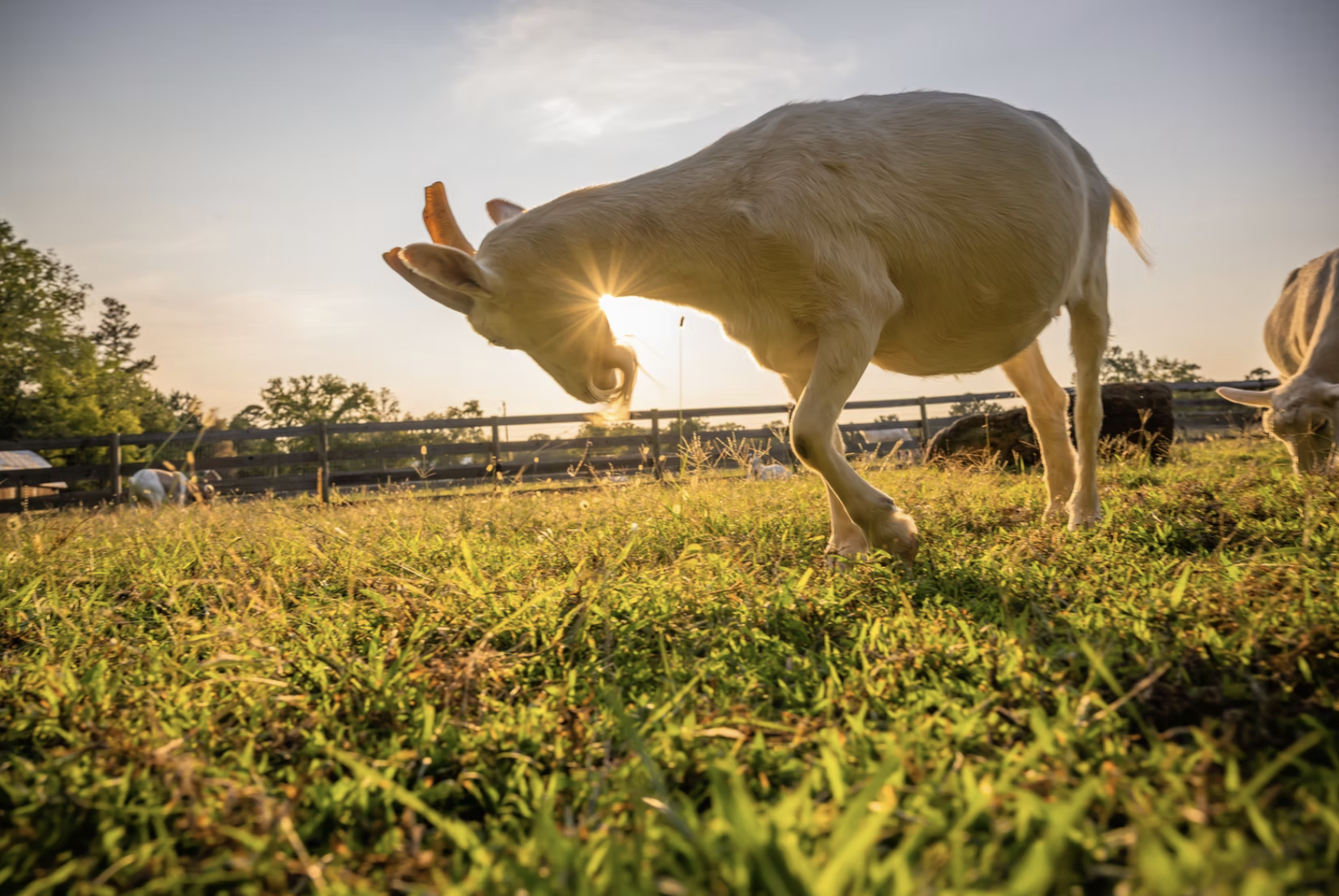
I was astounded by how individual every cow or chicken is. Their personalities are wildly different from one another. Of course, that’s the same for sheep and ducks – and don’t get me started on goats! After five years of filming Forever Home, I am infatuated by goats. They are curious and affectionate and mischievous, and some of them are very brave.
What role does sustainability play in the film?
While making this film, I’ve thought a lot about the meaning of home.What the meaning is to me, but also what the meaning might be to others: a family sleeping in their car, an inmate in a prison cell, or a chicken rescued from a factory farm. What is it we all have in common? When I widen my lens, I can see that this planet is home to all of us, and without it, we’ll cease to exist. When Paul designs a building, his focus is not simply on the structure––but equally on its context in the environment. Where does it sit on the land? How can he harness the winter sun or the summer breezes? How can he construct it sustainably, leaving the lightest footprint? He has really inspired me to see our homes more holistically, in the context of the natural world.
The film envisions a world where we design with compassion in mind. After having done the work you do, do you think such a world is possible?
I do think it’s possible. The question is: do we have the will? I think our climate crisis will force us to change our ways. The evidence and the science is there. We’ve taken a detour down a very dangerous road, but I believe that our species has the resources to change course. It worries me that the political will isn’t there––at least for the most part. That will have to change.
All photographs courtesy of Alison Argo.Forever Home is now available for screenings worldwide. To host a screening or find a current one near you, visit www.foreverhome.love/screen.
Piedmont Farm Animal Refuge in North Carolina, co-founded by Paul Drake and Lenore Braford, is home to chickens, turkeys, ducks, geese, sheep, goats, and cows rescued from lives of abuse, neglect, and abandonment. Learn more at Piedmont Farm Animal Refuge.
With animal stories making up less than 2% of the news cycle, we're here to fill that gap. Sign up for Species Unite’s weekly news digest.

Written by Sascha Camilli
Sascha Camill is a writer, speaker and vegan fashion expert. She founded the world's first digital vegan fashion magazine Vilda, and is the author of Vegan Style: Your Plant-Based Guide to Beauty, Fashion, Home & Travel. Her podcast, Catwalk Rebel, is out now.
The animals need a newsroom in their corner
With animal stories making up less than 2% of the news cycle, we're here to fill that gap. Every week we dig into the animal stories the mainstream news overlooks. Investigations, exposés, legal battles, and victories - none of it happens without your support. A monthly gift of as little as $5 keeps us covering the 98% of animal news the world isn't seeing.
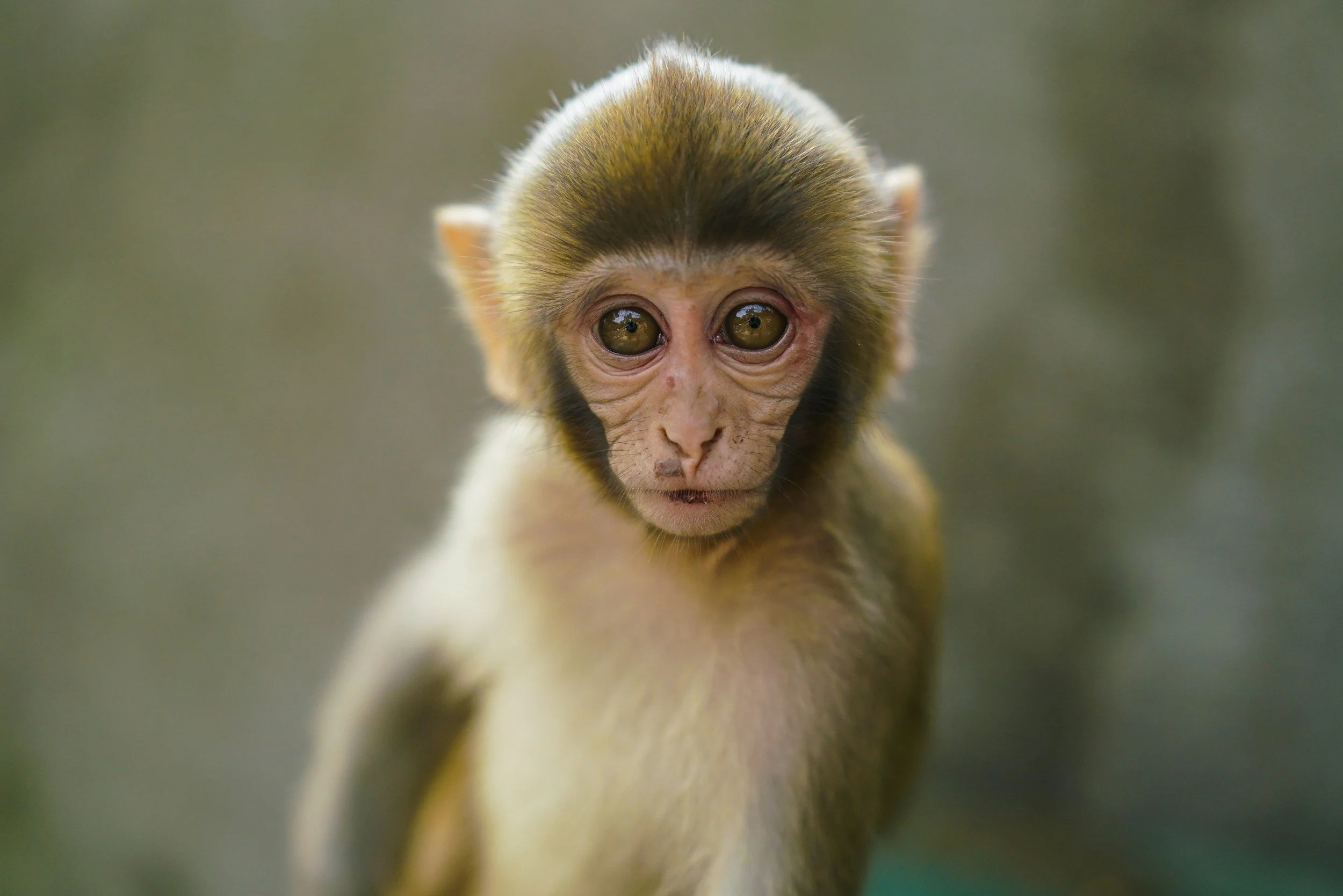

Director Allison Argo’s new film Forever Home showcases animal-friendly architecture at North Carolina sanctuary.