
Despite the historic 2024 African Union moratorium, Kenya's illegal donkey skin trade is continuing to thrive underground, with cartels exploiting legal loopholes.
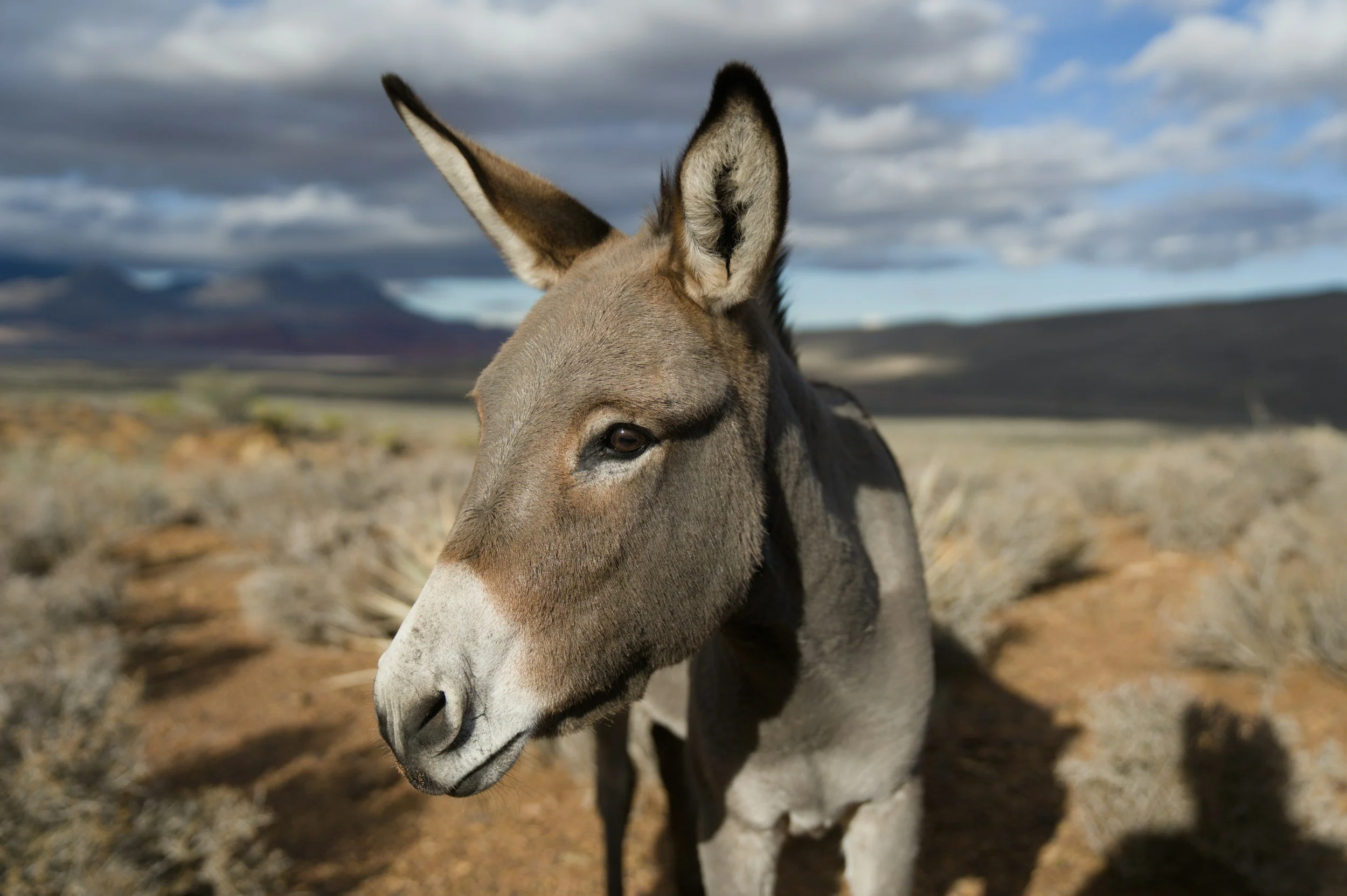
It is 6 a.m. in Kenya's Turkana County when Mama Akiru walks to the small animal enclosure beside her manyatta (hut). Every morning, her three donkeys carry heavy jerrycans from a borehole 10 kilometers away, sparing her hours of walking beneath the scorching sun.
Today, the ropes hang loose.
"My donkeys have been stolen," she says, fighting back tears. "I have heard stories of missing donkeys being killed and skinned in the bush, and they are never found, even after reporting to the police."
Her loss is shared by thousands of families across Kenya's drylands, where organized traffickers steal donkeys for the illegal skin trade.
Kenya banned commercial donkey slaughter for export in 2020. However, following a legal challenge by abattoir owners, the High Court quashed the ban in 2021, allowing licensed slaughterhouses to briefly reopen. The definitive legal turning point came in February 2024, when Kenya joined Heads of State at the 37th African Union Summit to adopt a historic, 15-year continent-wide moratorium on the donkey skin trade. Despite this ban, animal welfare organizations say the thieves have adapted; they steal donkeys at night, slaughter them in remote bushes, and smuggle their hides into the global donkey skin trade.
"The government implemented the ban because the families and communities who depend on donkeys had complained," says Dr. Raphael Kinoti, Regional Director of Brooke East Africa. "As much as their disappearance remains an animal welfare issue, it also threatens the livelihoods of the people who depend on them every day."
Why donkeys became so valuable
African donkeys were disappearing because their skins had become valuable overseas.
In China, donkey hides are processed into ejiao, a gelatin used in traditional Chinese medicine and marketed as a health and beauty product. As China's own donkey population declined over the past two decades, manufacturers turned to Africa for supplies.
According to Dr Kinoti, Kenya's donkey population fell sharply from 1.8 million in 2009 to around 500,000 by 2024 as global demand for donkey skins went up, and at the height of the legal trade, export slaughterhouses processed up to 1,200 donkeys a day.
"To meet the growing foreign demand, slaughterhouses did not spare pregnant jennies or young foals; this broke the slow natural reproduction of the donkeys." He says a 2019 study by the Kenya Agricultural and Livestock Research Organization (KALRO) warned that, if commercial slaughter had continued unchecked, Kenya could have slaughtered its last donkey by 2024.
Authorities closed the licensed slaughterhouses, but welfare groups say the trade moved underground.
Hidden in the bushes
Mr. Ekal, a resident of Marsabit County who has witnessed the trade firsthand, says the people behind the thefts are well organized, and some of the young men involved come from the very communities where the animals disappear. “These people recruit local young men and pay them to steal donkeys at night.”
"They don't load the animals onto trucks straight away because that would attract attention," he explains. "Instead, they move them on foot through remote bush paths to bypass police checkpoints."
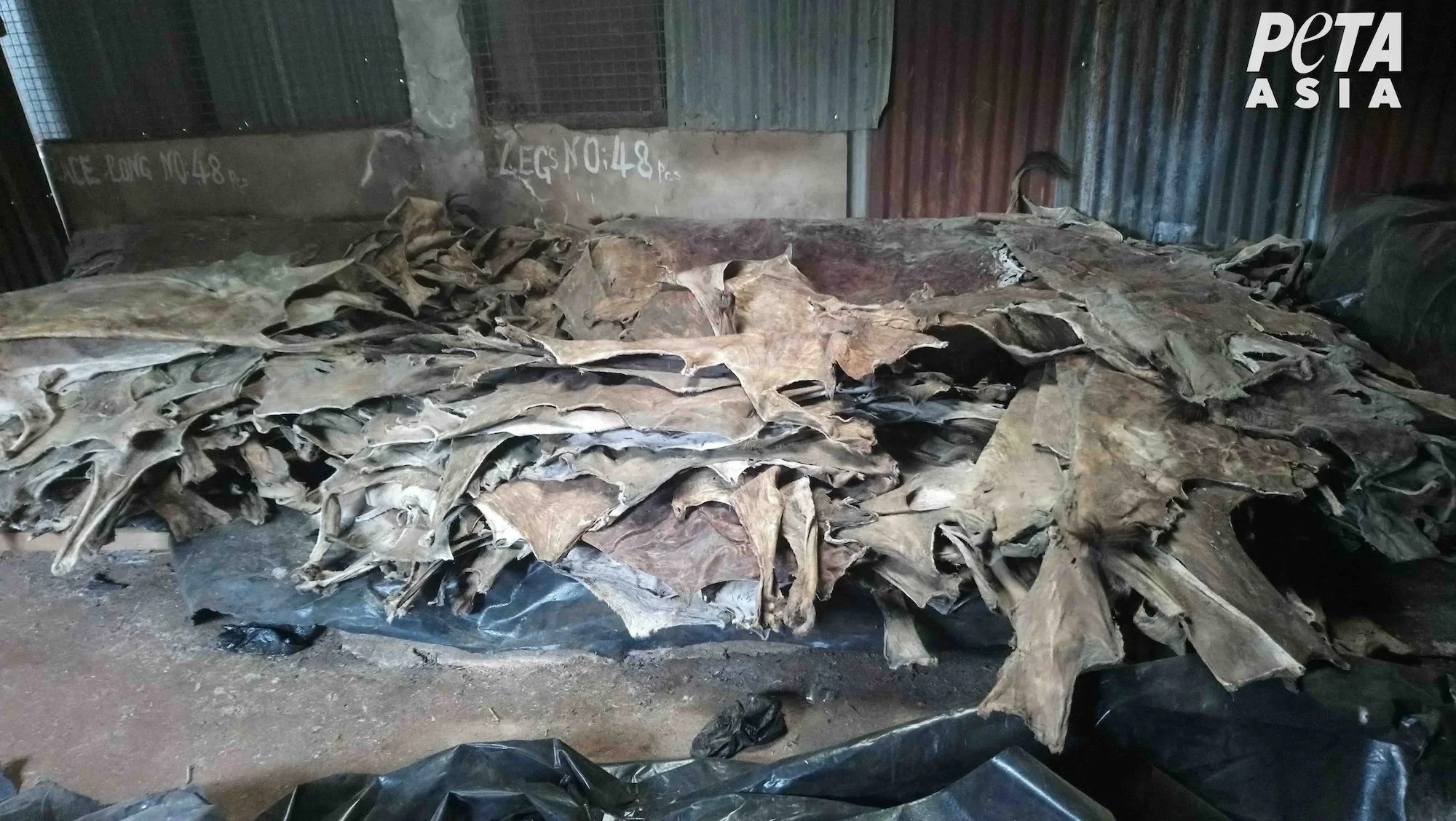
The remote routes, known locally as panya (mouse) routes, allow traffickers to move stolen animals across isolated terrain; they cross from Ethiopia into Kenya, then mix them with locally stolen donkeys, making it impossible to trace their origin. When the animals reach hidden slaughter sites, their skins are stripped, salted, and prepared for transport.
The journey is often brutal. “Donkeys rescued from traffickers are found dehydrated, starving, beaten, and traumatized after days without food and water," Dr Kinoti told me. “Some die despite intensive veterinary care.” He points out that law enforcement and multi-agency teams have successfully intercepted thousands of illegal donkey skins alongside hundreds of live donkeys being driven toward illicit slaughter.
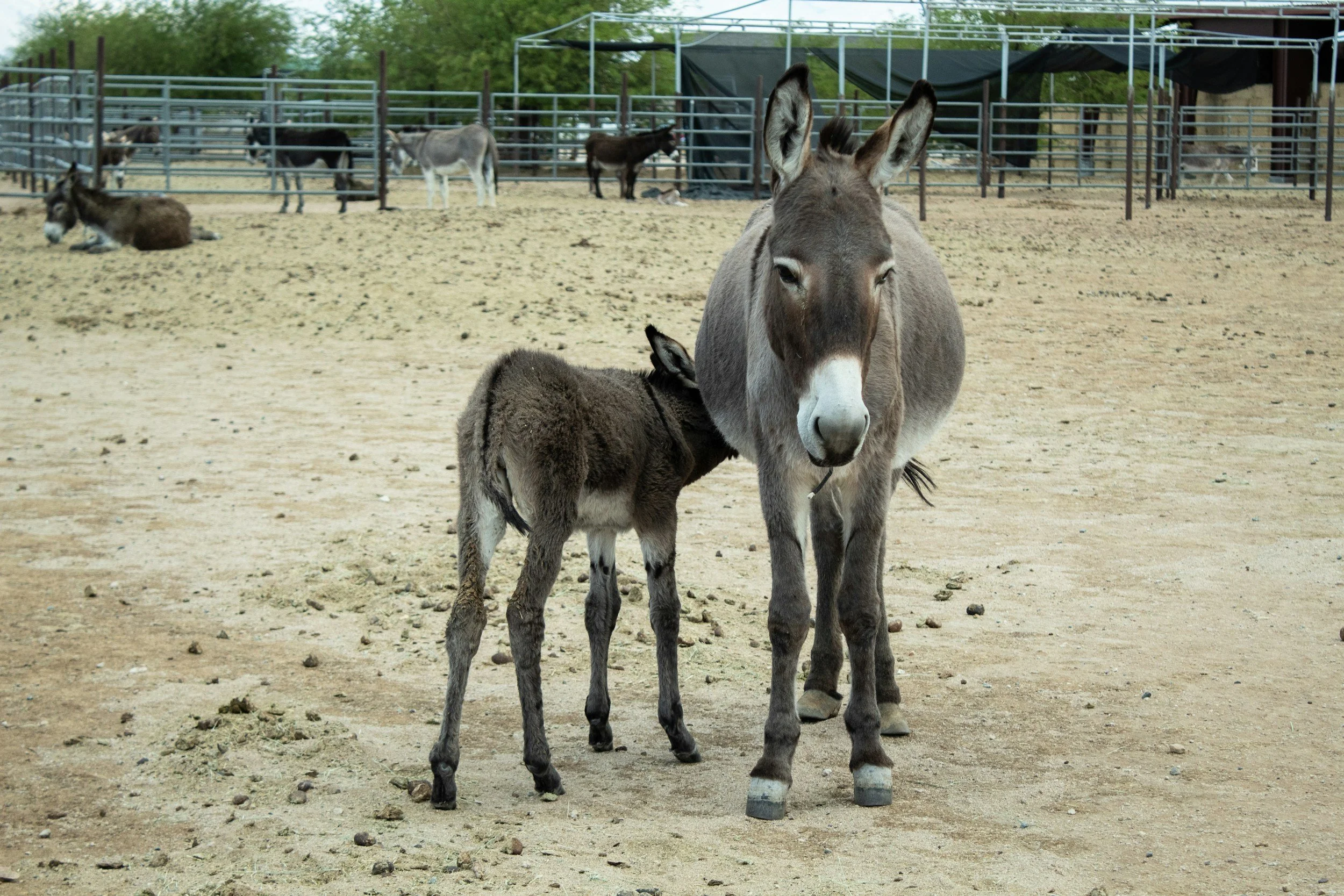
Brooke East Africa works alongside the Kenya Society for the Protection and Care of Animals (KSPCA) and other partners to rescue and rehabilitate intercepted donkeys. Those that survive receive emergency veterinary treatment before being rehomed with selected communities.
Where enforcement breaks down
"Cartels have shifted tactics," Dr. Kinoti alleges. "They slaughter in the bush, falsify transit paperwork to make shipments look legal, and move hides toward the Port of Mombasa for export."
He alleges that multi-tonne shipments of donkey hides have been cleared for export at the Port of Mombasa, and asks why authorities there would allow it when the trade is illegal.
Dr. Kinoti says that even when suspected traffickers are arrested, prosecutions often fail to dismantle the syndicate behind the trade.
He alleges that two former licensed export abattoirs, one in Turkana and one in Machakos, are operating illegally at night, and says villagers have told him they are paid to work at night for the traders.
"The people who commit these crimes are known," he says. "Police officers intercept the hides, but too often the cases do not result in meaningful punishment. Small fines or bail become another cost of doing business."
Kenya's ban only covers commercial slaughter for export, so traffickers exploit the fact that donkey meat is still legal to sell and eat locally.
Can the trade be stopped?
Dr. Kinoti wants East African governments to work together, recognize the illegal trade as a shared problem, and prosecute the traders financing the operations.
He remains hopeful and says, "There is awareness among security agencies in Kenya and across Africa; governments have introduced new policies, communities and donkey owners are working hard to protect their animals, and the media has also become a tool for awareness."
Tomorrow morning, Mama Akiru will walk back to the empty enclosure beside her manyatta. The journey to fetch water now takes longer because the theft of her three donkeys has changed the rhythm of everyday life for her family.
Until governments put an end to the criminal networks behind the illegal skin trade, families like Akiru's will continue paying the price, losing the animals their lives depend on.
EHelp end U.S. involvement in the donkey skin trade
Although China is the largest importer of donkey skin gelatin, the US is also complicit, accounting for an estimated $12 million worth of annual imports. Please reach out to your Member of the House of Representatives and ask them to cosponsor the Ejiao Act.

Written by Martina Jebet
Martina Jebet is a Nairobi-based investigative journalist, founder and editor of Voxilens, and a member of African Freelancers and the Impact Africa Journalists Consortium (IAJC). Her reporting focuses on development finance, climate accountability, conservation, and community land rights across Africa.
We Have A Favor To Ask…
Species Unite amplifies well-researched solutions to some of the most abusive animal industries operating today.
At this crucial moment, with worldwide momentum for change building, it’s vital we share these animal-free solutions with the world - and we need your help.
We’re a nonprofit, and so to keep sharing these solutions, we’re relying on you - with your support, we can continue our essential work in growing a powerful community of animal advocates this year.


Despite the historic 2024 African Union moratorium, Kenya's illegal donkey skin trade is continuing to thrive underground, with cartels exploiting legal loopholes.