
Large-scale commercial fishing network allegedly operating illegally in Florida is shut down after a four-year investigation
Ten suspects allegedly poached over $150,000 worth of fish – including protected sea turtles – from Florida’s waters, as law enforcement vows to “prosecute to the fullest extent”.
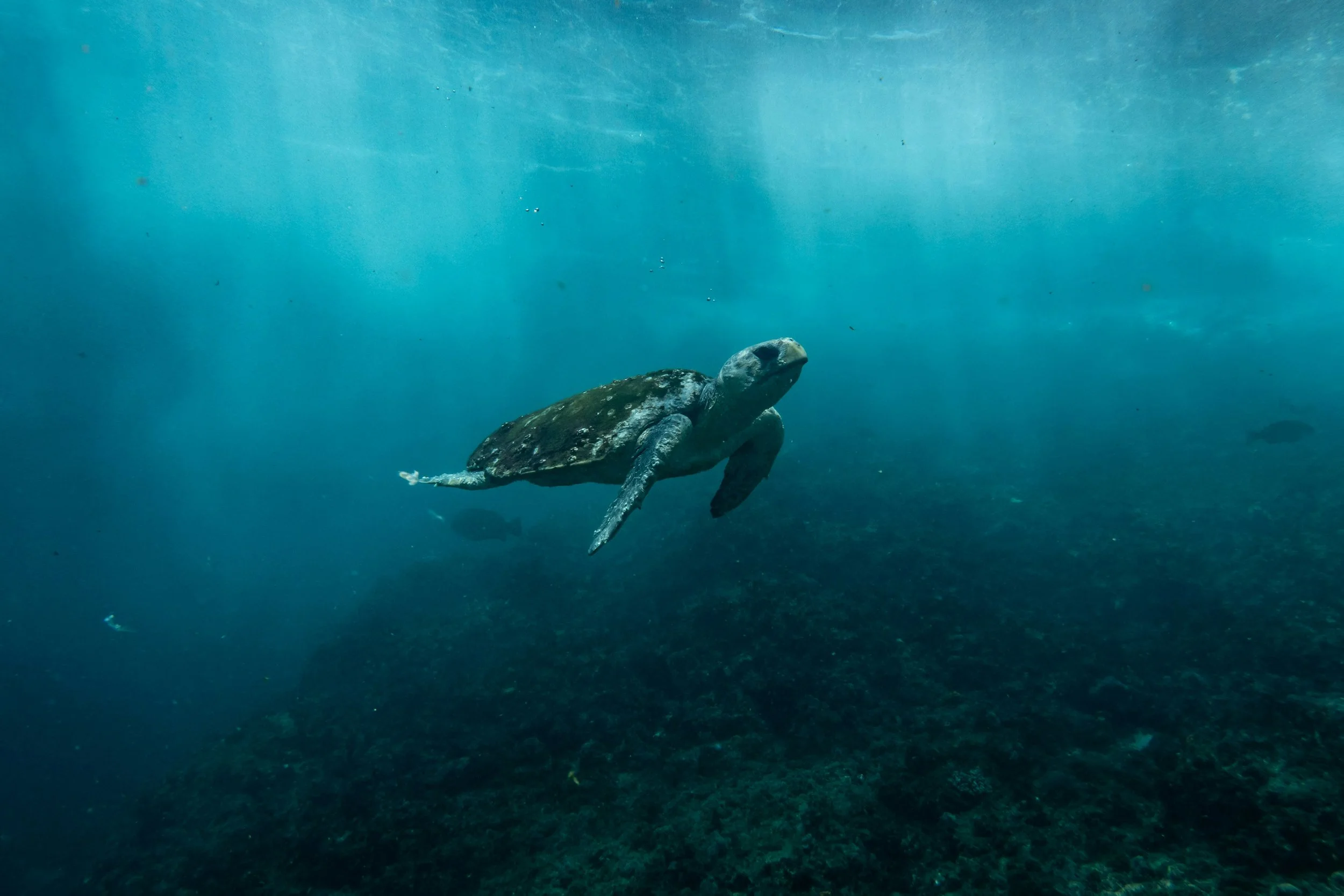
A loggerhead sea turtle (Caretta caretta), one of the five sea turtle species protected in Florida.
A major statewide network that allegedly poached and sold more than $150,000 worth of fish from Florida’s waters has been shut down, following a four-year investigation by undercover officers.
Ten individuals – aged between 20 and 68, and all residing in Florida – are accused of committing multiple offenses including racketeering and cheating. If convicted as charged, each will face a maximum sentence of between 65 and 75 years in prison.
“We plan to leave Florida better to God than how we found it, and poachers abusing our natural resources will be prosecuted to the fullest extent,” said Attorney General James Uthmeier at a press conference announcing the charges on October 5. “Those who abuse our waters and wildlife will find out how tough our laws are.”
The group is accused of routinely poaching vast numbers of fish – in all, investigators say they took more than 23,000 pounds – which were then sold dockside at night or out of their homes.
Six of the accused are also charged with the unlawful possession or sale of sea turtles. Five sea turtles – including two hatchlings – were sold to undercover officers, said Uthmeier. All sea turtles in the U.S. are protected under the Endangered Species Act. In Florida, the Marine Turtle Protection Act prohibits interactions with any of the five species of sea turtle (loggerhead, Caretta caretta; green, Chelonia mydas; leatherback, Dermochelys coriacea; Kemp’s ridley, Lepidochelys kempii; and hawksbill, Eretmochelys imbricata) that can be found in state waters or nesting on beaches.
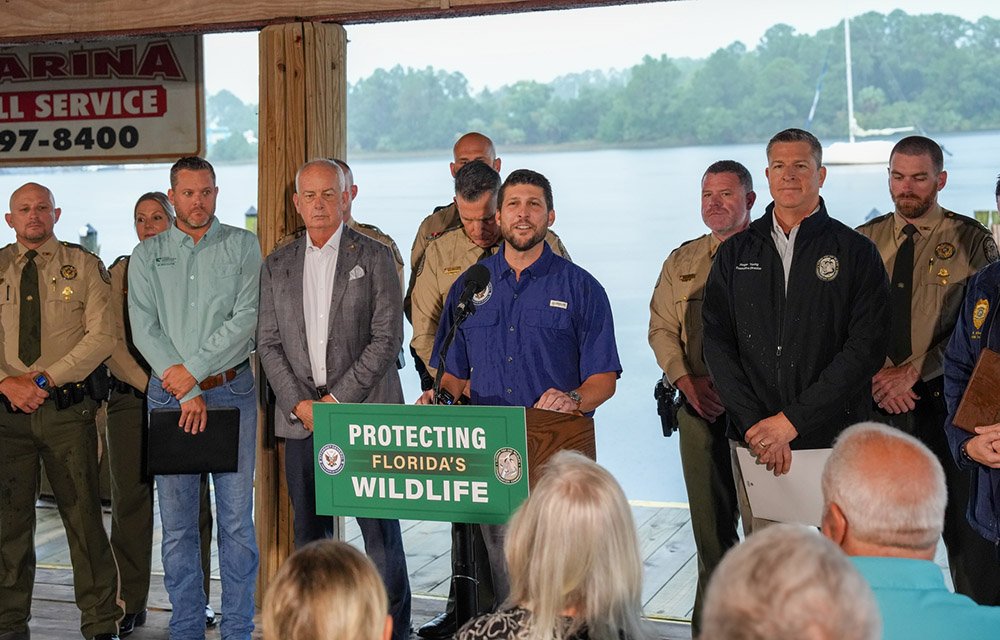
The case began in May 2022, after undercover investigators were approached by one of the accused about buying illegally caught fish.
Rodney Barreto, chairman of the Florida Fish and Wildlife Conservation Commission (FWC) – the agency that led the investigation alongside the Office of Statewide Prosecution – praised the dedication of his officers, and stressed the importance of keeping Florida’s waters healthy and sustainable.
The accused are alleged to have routinely caught more grouper and red snapper (Lutjanus campechanus) than allowed. Under Florida law, recreational anglers are required to obtain a license and fill out the State Reef Fish Survey, and they must also abide by an aggregate bag limit, which means that no more than four grouper species can be caught in state and federal waters per person/per day.
The gag grouper (Mycteroperca microlepis) has become particularly overfished, with strict fishing quotas and much shorter seasons having been introduced to help the population recover. The recreational gag season as set by the FWC for this year ran through September – far shorter than the six-month seasons of previous years. Anglers were limited to just two gag grouper per day, and the fish must meet a minimum size requirement of 24 inches in length.
A 2022 study by the University of Miami found that 85% of South Florida’s grouper and snapper species have been overfished and have fallen below sustainable numbers. According to researchers at the university’s Rosenstiel School of Marine and Atmospheric Science, three out of the five grouper species and all eight snapper species analyzed were below the 40% minimum spawning potential ratio, a regulation necessary to sustain fish populations
With animal stories making up less than 2% of the news cycle, we're here to fill that gap. Sign up for Species Unite’s weekly news digest.
The animals need a newsroom in their corner
Every week we dig into the animal stories the mainstream news overlooks. Investigations, exposés, legal battles, and victories - none of it happens without your support. A monthly gift of as little as $5 keeps us covering the 98% of animal news the world isn't seeing.
More stories:
A former president and conservationists have criticized Botswana’s decision to kill 23 elephants for meat as part of its 60th independence celebrations.