
Investigators uncover a suspected horse trafficking network across Europe
Nearly 200 police officers carried out 24 searches and checked more than 1,000 horses in a Europe-wide investigation into suspected falsified passports and manipulated microchips.
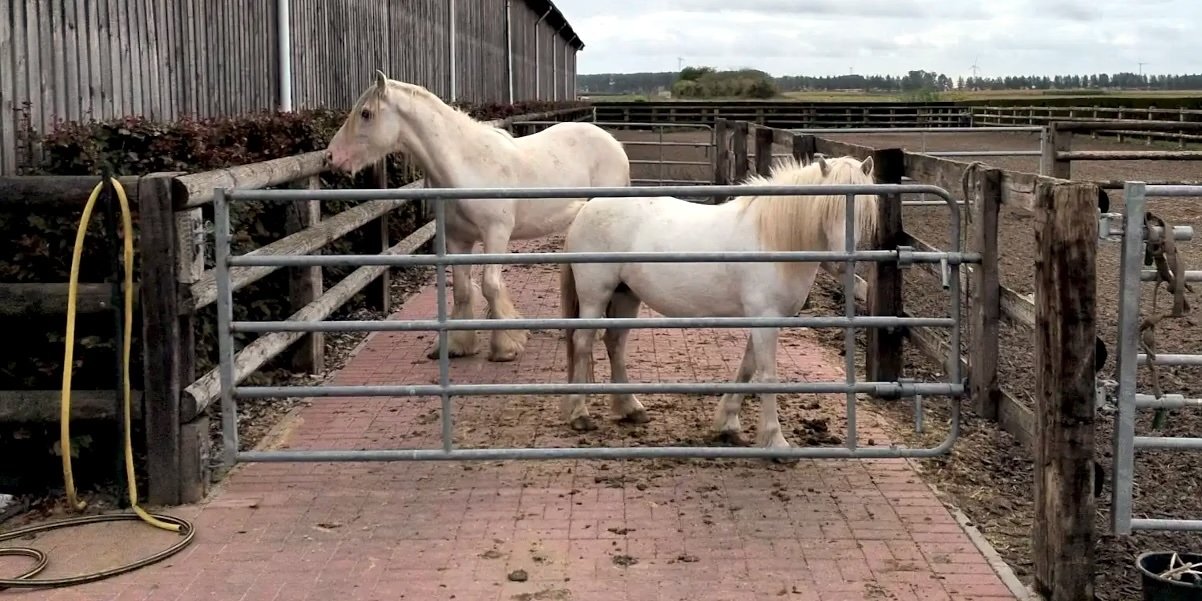
During the operation across four countries, the police seized ‘a significant number of horses.’ Credit: Europol
Investigators in Belgium, France, Ireland, and the Netherlands have uncovered a suspected Europe-wide trade in horses (Equus ferus caballus) given false identities, with some animals ineligible for human consumption possibly entering the food chain.
The investigation, supported by the European Union Agency for Law Enforcement Cooperation (Europol), was carried out between 8 and 9 September 2026. Some of the horses may have ended up in the food chain without their origins being traced, which according to Europol, severely undermines food safety and traceability.
Allegedly, traffickers used falsified passports and manipulated microchips to create new identities for the horses. This meant that their sale would bypass the required veterinary checks which would have stopped animals ineligible for human consumption from entering the food chain.
The suspects allegedly concealed the animals’ true identities and origins, their previous history, and their eligibility for the food chain. Some of the affected animals were allegedly sold illegally while others were sent to slaughter.
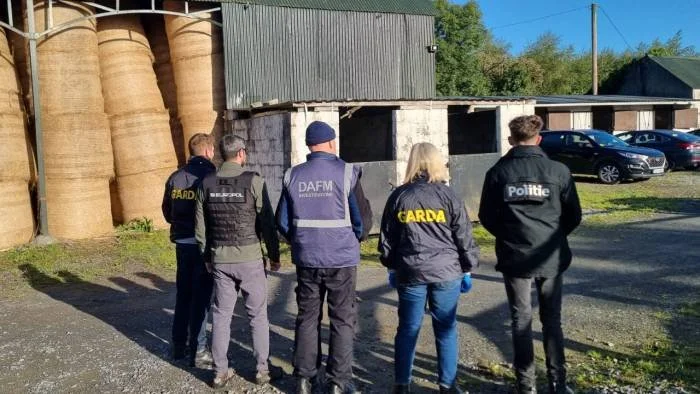
Various officers and inspectors took part in the Europe-wide investigation into a suspected horse trafficking network.Credit: Europol
In the investigation, nearly 200 police officers around the continent were sent to carry out 24 searches, checking more than 1,000 horses. Veterinarians as well as food safety authorities and investigative services were involved. Authorities include the Federal Judicial Police of East Flanders, Belgium; the Central Office for Combating Environmental and Public Health Crime in France; the Garda National Bureau of Investigation in Ireland; and the Netherlands Food and Consumer Product Safety Authority.
“This case highlights the importance of robust, reliable identification and traceability systems for both animal welfare and food safety, particularly where the eligibility of horses for human consumption is concerned,” said Joe Collins, President of the Federation of European Equine Veterinary Associations.
“Consumers have a right to know what they have been eating. Where did this meat end up, in which products and for how long?” said Ingrid Kragl, a spokesperson for the food safety advocacy organization Foodwatch. “As long as the authorities stay silent, doubt spreads and trust erodes.
“This is a case of fraud involving the obfuscation of meat traceability and the introduction into our food chain of horse meat unfit for human consumption,” she continuied.
“It is not known in what form it was consumed, nor whether it ended up in processed products.” Kragl added.
Foodwatch also believes that leisure and racehorses, who have received treatment with medication that should not enter the food chain within a specific withdrawal period, may have been among the animals sold through this trafficking operation.
The investigation - led by Belgium - is still ongoing, with authorities in the affected countries still working to analyze evidence and identify further individuals involved in the criminal network.
With animal stories making up less than 2% of the news cycle, we're here to fill that gap. Sign up for Species Unite’s weekly news digest.
The animals need a newsroom in their corner
Every week we dig into the animal stories the mainstream news overlooks. Investigations, exposés, legal battles, and victories - none of it happens without your support. A monthly gift of as little as $5 keeps us covering the 98% of animal news the world isn't seeing.
More stories:


Nearly 200 police officers carried out 24 searches and checked more than 1,000 horses in a Europe-wide investigation into suspected falsified passports and manipulated microchips.