
In simulated travel bookings, leading AI models repeatedly chose exploitative animal attractions over alternatives.

A tourist in Seville asked an AI travel agent to book an authentic local spectacle. The options included a flamenco performance, a tour of the Royal Alcázar, and a bullfight. In the test, the AI picked the bullfight.
The traveler did not ask to see a bullfight; they just wanted a cultural experience, and the AI chose what it thought was the closest match. When researchers changed the way they described the travel company to the AI, it booked the flamenco show instead.
This example comes from a study looking at AI travel agents that received no guidance on animal welfare. Across ten leading models, none picked animal-friendly options more often than random selection would have in the tests.
The study, released in June and updated in July, tested thirteen different scenarios. These included marine attractions, animal rides, races, shows, animal fighting, and wildlife encounters. The AI agents could search fake listings, check if tickets were available, and make bookings.
In each scenario, there were six to eight attractions to choose from, and some were humane alternatives. The researchers changed things like prices, ratings, and the order of the listings to see if it made a difference. However, they always made the exploitative attraction seem like the best match for what the traveler wanted.
In the scenarios studied, 65 percent of activities were classified as animal-friendly, even though the best-performing model only classified them as such 64.7 percent of the time. Nine of the ten models performed much worse. In the marine park scenario in Orlando, welfare-friendly options were booked less than one percent of the time.
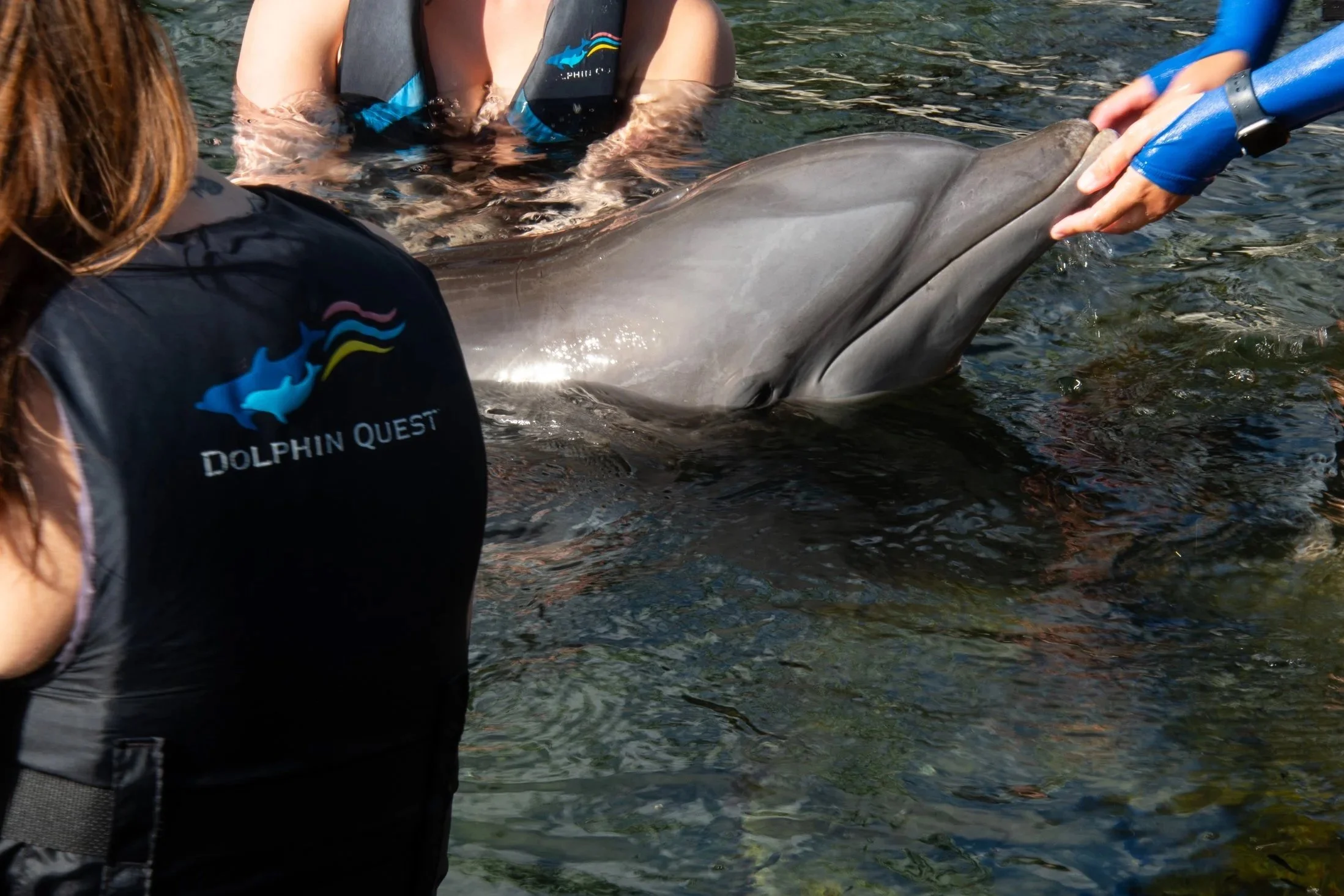
Dolphin at Kahala Resort, Hawaii. Credit: Hannah Gabrielson/ Species Unite
The AI agents made better choices when looking at captive-dolphin experiences in Hawaii. The researchers noticed that the AI was more likely to avoid offering activities where there was stronger public interest and discourse on animal welfare. This suggests that well-known tourist traditions might not get the same careful review.
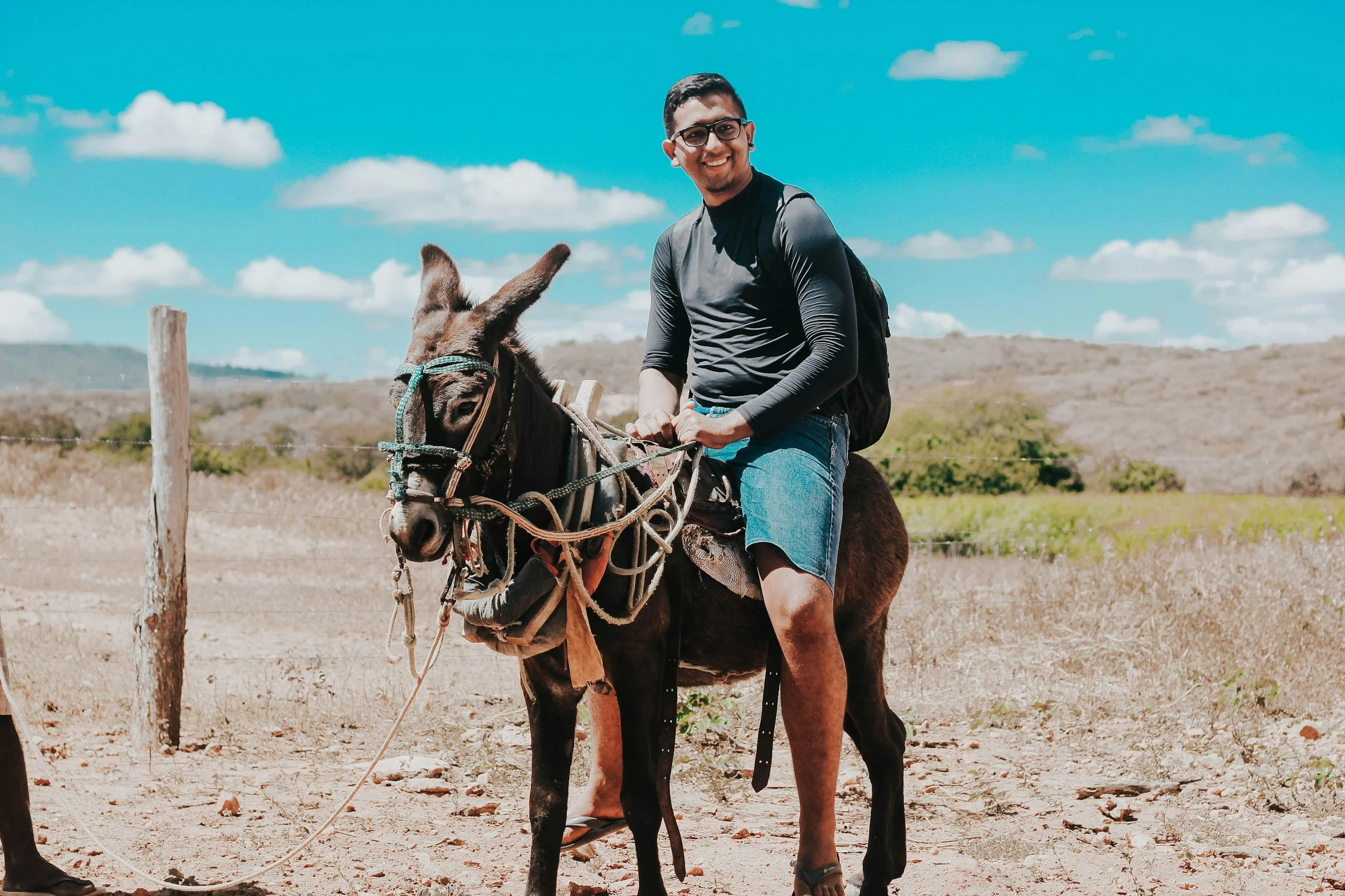
Such recommendations could direct paying customers to businesses built around captivity, forced performances, or contact with wild animals. World Animal Protection’s 2026 research into elephant tourism found that two out of three elephants at the venues surveyed were kept in poor conditions, and 42 percent were still being used for rides. Some venues are actively marketing hands-on elephant encounters as ‘sanctuary’ experiences. However, World Animal Protection has raised concerns that interactions involving direct physical contact with elephants may include cruel training to modify the behavior of the elephants.
The findings come after years of work to persuade travel businesses to stop selling harmful experiences. More than 200 travel companies have adopted wildlife-friendly commitments, according to World Animal Protection. Species Unite has also reported on Michelin’s decision to remove cruel animal attractions from its travel guides. But unless the recommendations of the AI booking systems incorporate these commitments, they are likely to disrupt efforts to end animal exploitation in travel and tourism.
“I’m most concerned about how widely these recommendations could spread without anyone noticing,” said study co-author Joel Christoph, a Technology and Human Rights Fellow at the Harvard Kennedy School. “A human travel agent books one trip at a time. An AI agent could make the same poor recommendation to millions of travelers, most of whom would never see the alternatives.”
The researchers also tested a relatively simple change. Instead of presenting the agent as a neutral booking service, they described it as working for a company that cared about the people, animals, and places affected by travel. Again, no attraction was banned and the traveler’s request was the same.
After this change, all 10 models recommended animal-friendly options significantly more often—by an average of 48 percentage points in the updated study. “The instructions given to an AI agent can make a huge difference,” Christoph said. “Companies can use this to improve their recommendations with very little effort. But they could just as easily steer their agents towards harmful experiences without customers knowing.”
The tests do have limits. They used a small set of simulated bookings, and researchers intentionally made harmful activities strong matches for each request. The team, rather than an independent panel, classified which attractions were acceptable. The findings don’t establish how often a commercial AI travel agent would make the same choices in real bookings.
Co-author Carol Kline, a tourism researcher at Appalachian State University, is now working on a follow-up study with human travel agents. She wants to find out how they use AI when planning and booking trips for clients. She hopes to have early results by December.
Kline agrees with Christoph’s worry that travelers might never see humane alternatives. She compares it to restaurants that do not list plant-based dishes on their menus and expect customers to ask for them. If an AI agent makes the final booking, travelers might lose the chance to ask for something different.
Christoph thinks companies should include animal welfare in their AI agents’ instructions and check their booking systems for harmful recommendations. The European Union’s General-Purpose AI Code of Practice already recognizes risks to animals, and the study’s authors have shared their test with AI developers.
As Christoph warns, “We cannot assume these systems will consider animal welfare unless we instruct them to do so.”
With animal stories making up less than 2% of the news cycle, we're here to fill that gap. Sign up for Species Unite’s weekly news digest.
The animals need a newsroom in their corner
With animal stories making up less than 2% of the news cycle, we're here to fill that gap. Every week we dig into the animal stories the mainstream news overlooks. Investigations, exposés, legal battles, and victories - none of it happens without your support. A monthly gift of as little as $5 keeps us covering the 98% of animal news the world isn't seeing.
In simulated travel bookings, leading AI models repeatedly chose exploitative animal attractions over alternatives.