
US dietary guidelines could lead to 33% increase in food emissions
Meat-rich MAHA guidelines could make the food industry’s environmental impact even worse.
Credit: Jo-Anne McArthur/We Animals
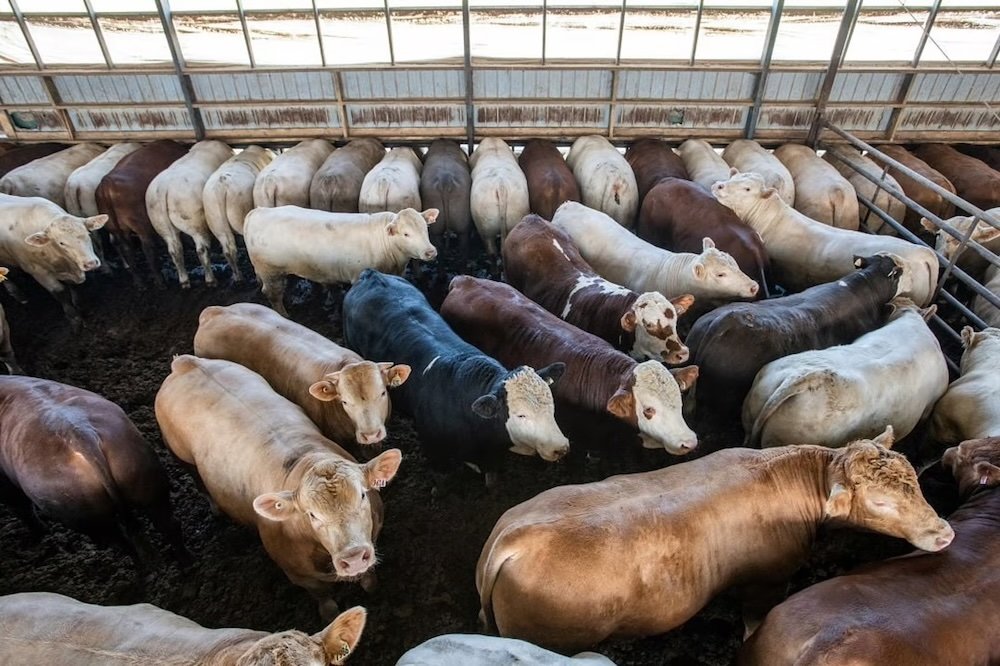
The new US dietary guidelines, which were released in January 2026 and are championed by Secretary of Health and Human Services Robert F Kennedy Jr, have attracted ample criticism for leaning heavily on meat and animal-derived foods while downplaying plants.
As animal agriculture is a leading cause of greenhouse gas emissions, emphasizing meat in American diets could have significant implications for the environmental impact of food production.
Research has shown that the guidelines are linked to a higher environmental impact linked to food production, including a 33 percent spike in emissions, 28 percent greater land use, and 16 percent more water consumption.
This is strongly linked to UPFs (ultra-processed foods), which are responsible for 46 percent of the greenhouse-gas footprint of US diets. Two-thirds of UPF-related emissions are connected to livestock-derived ingredients, which account for 75 percent of their land use.
“Although eliminating UPFs from the mean American diet could yield substantial environmental benefits […, the recommended increase in animal-based proteins will more than offset this environmental dividend in GHG, land use, and nitrogen fertiliser use by as much as 32%,” the researchers noted.
The researchers also concluded that increasing consumption of meat and other animal-based foods had higher environmental impacts across all metrics compared to an increase in protein from plant-based sources.
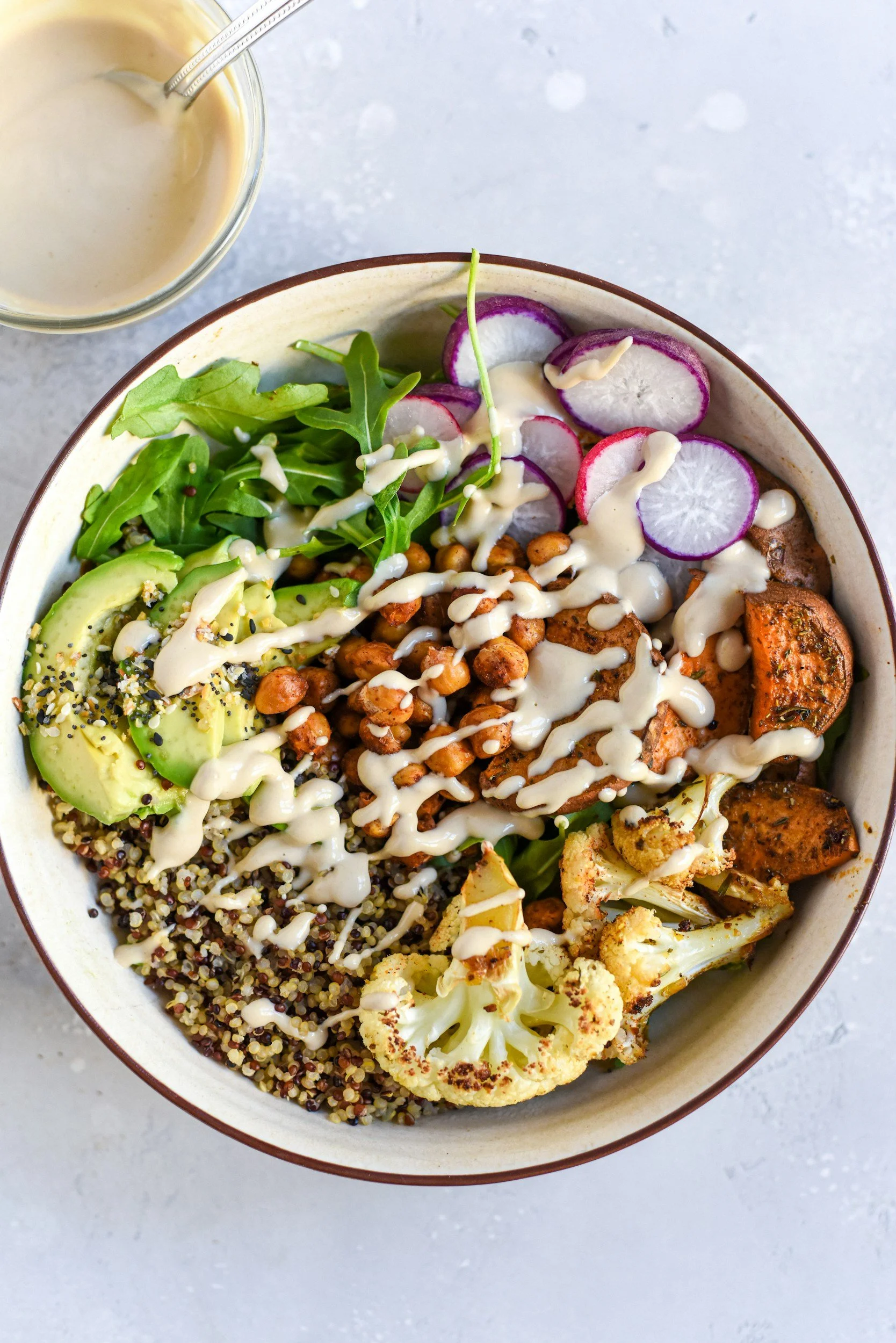
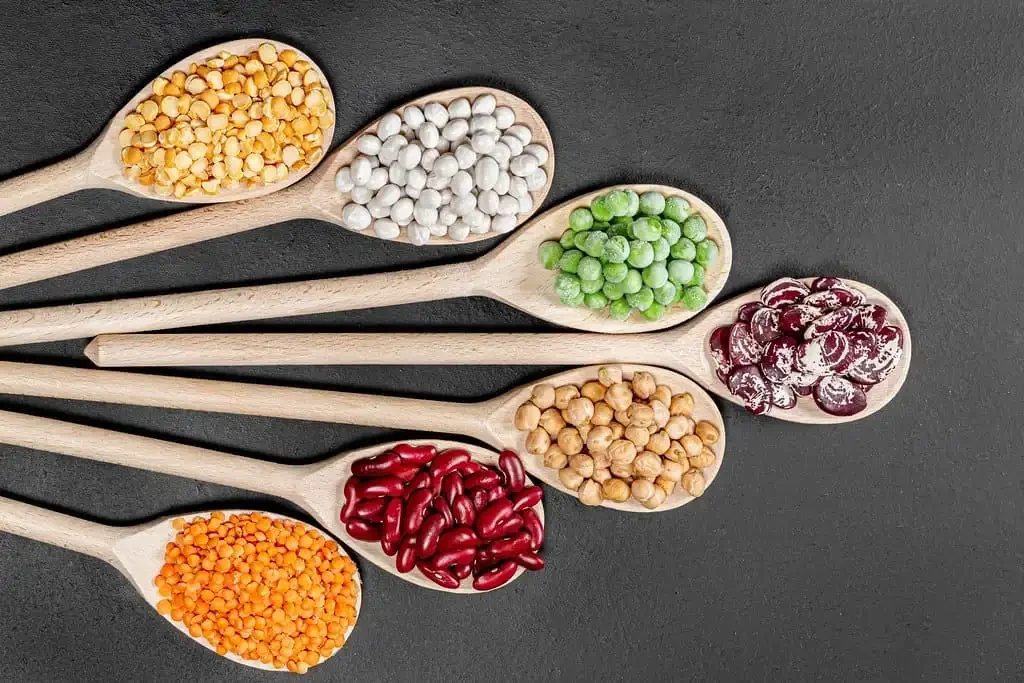
“High-protein plant-based diets had considerably lower environmental impacts than equally protein-rich animal-based diets and, in some cases, even lower than mixed, lower protein diets. There [are] considerable potential benefits for both public and planetary health if prevailing diets remove UPFs, and replace them with plant-dominated whole foods,” the study says.
The environmental concerns come alongside growing scrutiny of the guidelines' health implications.
One of the most controversial pieces of the guidance was encouraging Americans to increase protein consumption from 0.8grams per kilogram of body weight to up to 1.6 grams, despite research stating Americans already consume more protein than recommended.
The guidelines also recommended red meats such as beef and pork - despite processed red meat being classed by the World Health Organization as a proven Group 1 carcinogen - and promoted butter and tallow, while advising citizens to keep saturated fats under 10 percent of total calorie intake.
The Physicians Committee for Responsible Medicine has filed a petition calling on the government to withdraw the guidelines, claiming a conflict of interest: the government previously removed the original scientific advisory committee for the guidelines, putting in its place a panel of nine members, of which eight have received funding from the livestock industry.
Over 200 doctors and nutrition professionals have also signed a letter to RFK Jr and Agricultural Secretary Brooke Rollins, calling for a return to science-backed dietary guidelines.
“We are deeply concerned that the advice in the recently released 2025–2030 Dietary Guidelines for Americans (DGA) is, at best, confusing, and, at worst, harmful to public health,” the letter said.
Take the 30-Day Plant-Powered Challenge: Join Species Unite's 30-Day Plant-Powered Challenge, a free month of recipes and tips to help you eat in a way that's better for your health, better for the planet, and better for the animals. One meal at a time.
We Have A Favor To Ask…
Species Unite amplifies well-researched solutions to some of the most abusive animal industries operating today.
At this crucial moment, with worldwide momentum for change building, it’s vital we share these animal-free solutions with the world - and we need your help.
We’re a nonprofit, and so to keep sharing these solutions, we’re relying on you - with your support, we can continue our essential work in growing a powerful community of animal advocates this year.


A new report finds that while overall salmonella rates are falling, the most severe, drug-resistant strains are rising across the US poultry industry, with the largest producers showing the highest rates.