
Huge victory for animals and the environment as citizens can no longer buy fireworks in the Netherlands
The Netherlands’ nationwide fireworks ban takes effect this year, closing the chapter on public New Year’s Eve displays in a country long known as Europe’s largest fireworks buyer.
2025 was the last time that members of the public could legally set off New Year’s Eve fireworks in the Netherlands.
The ban, which was passed last April but comes into effect this year, represents a significant moment for Europe’s biggest buyer of fireworks.
2024 saw a record 118 million euro spent on fireworks across the Netherlands.
However, a chaotic New Year’s Eve led to renewed calls for a national ban. Fires, injuries, and even a fatality were reported, and the mayor of Nijmegen described the country’s love of New Year’s Eve fireworks as a “Dutch disease.”
Under previous legislation, members of the public could only buy fireworks in the three days prior to New Year’s Eve, and must set them off on New Year’s Eve. The new laws mean that fireworks can only be used at professional events.
As well as reducing the risk to humans, the national ban will also mean significant benefits for animals and the environment.
Each year, the residual components of fireworks – such as cardboard, plastics, and wood – end up strewn across streets and waterways, while firework smoke contains harmful substances like heavy metals, sulphur oxides, and fine dust, which can cause cancer and respiratory problems. In the Netherlands, the fine dust from fireworks accounts for five percent of its annual fine dust emissions.
The heavy metals used in fireworks also damage the ecosystem; copper oxide, for example, can be fatal for fish and algae. Furthermore, upon combustion, greenhouse gases such as methane and CO₂ are released into the atmosphere.
A new study reveals that the national ban will, each year, prevent: nine million tonnes of cardboard and plastics from needing to be used to make fireworks; 87,000 kg of toxic copper from entering the country’s soil and waterways; and the emission of 600 tonnes of CO₂. This latter figure does not include the emissions from global production and transport of the fireworks, most of which are made in China.
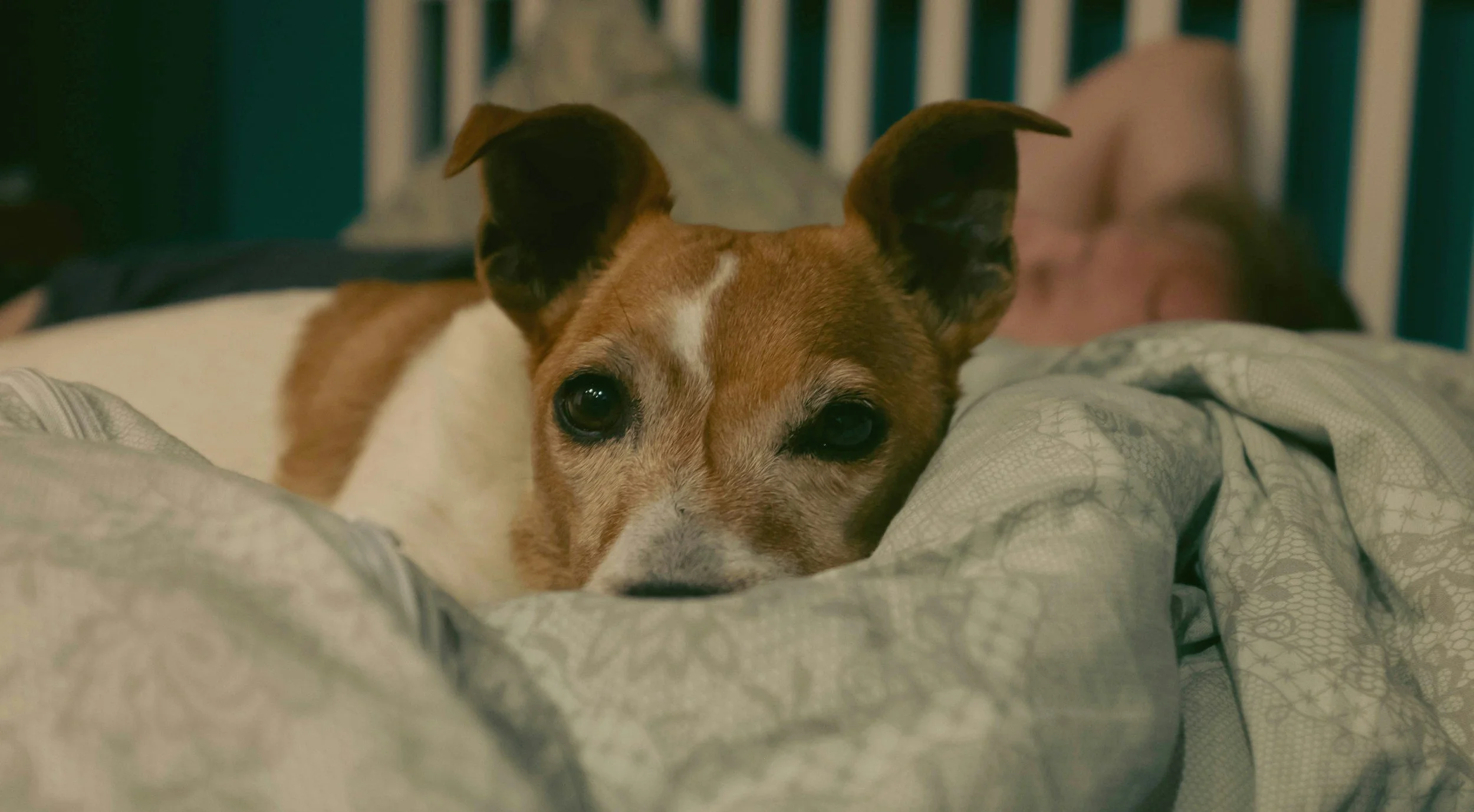
The loud and sudden noises of fireworks, over a short but intense period, can inflict deep distress on all animals, from pets to livestock, and from zoo animals to wildlife.
It is estimated that nearly half of all dogs show signs of fear when they hear a firework, while 79% of horses are spooked by them. In the UK, over 1,400 incidents involving horses and fireworks were reported between November 2010 and March 2024.
Each year there are tragic stories of animal deaths caused by fireworks, and sadly 2025 was no different.
A dog named Noah, living at an animal shelter in the Philippines, was so terrified of local New Year’s Eve fireworks that he died of a heart attack. According to an emotional Facebook post by Dumuguete Animal Sanctuary, Noah “was shaking and then just literally dropped dead”.
The London Pigeon Rescue observed harrowing injuries including broken beaks and head traumas, following New Year's Eve fireworks in London. “The sound disorients them so much that they lose their sense of direction and hit hard surfaces at full speed,” said Jacob Peter, the charity’s CEO.
The Netherlands becomes only the third country to ban its citizens from buying fireworks. Similar laws are in place in Chile and in Ireland, which means only licenced professionals can own fireworks.
We Have A Favor To Ask…
Species Unite amplifies well-researched solutions to some of the most abusive animal industries operating today.
At this crucial moment, with worldwide momentum for change building, it’s vital we share these animal-free solutions with the world - and we need your help.
We’re a nonprofit, and so to keep sharing these solutions, we’re relying on you - with your support, we can continue our essential work in growing a powerful community of animal advocates this year.
Nearly 200 police officers carried out 24 searches and checked more than 1,000 horses in a Europe-wide investigation into suspected falsified passports and manipulated microchips.