
Fashion’s favorite excuse: the myth of the ethical by-product
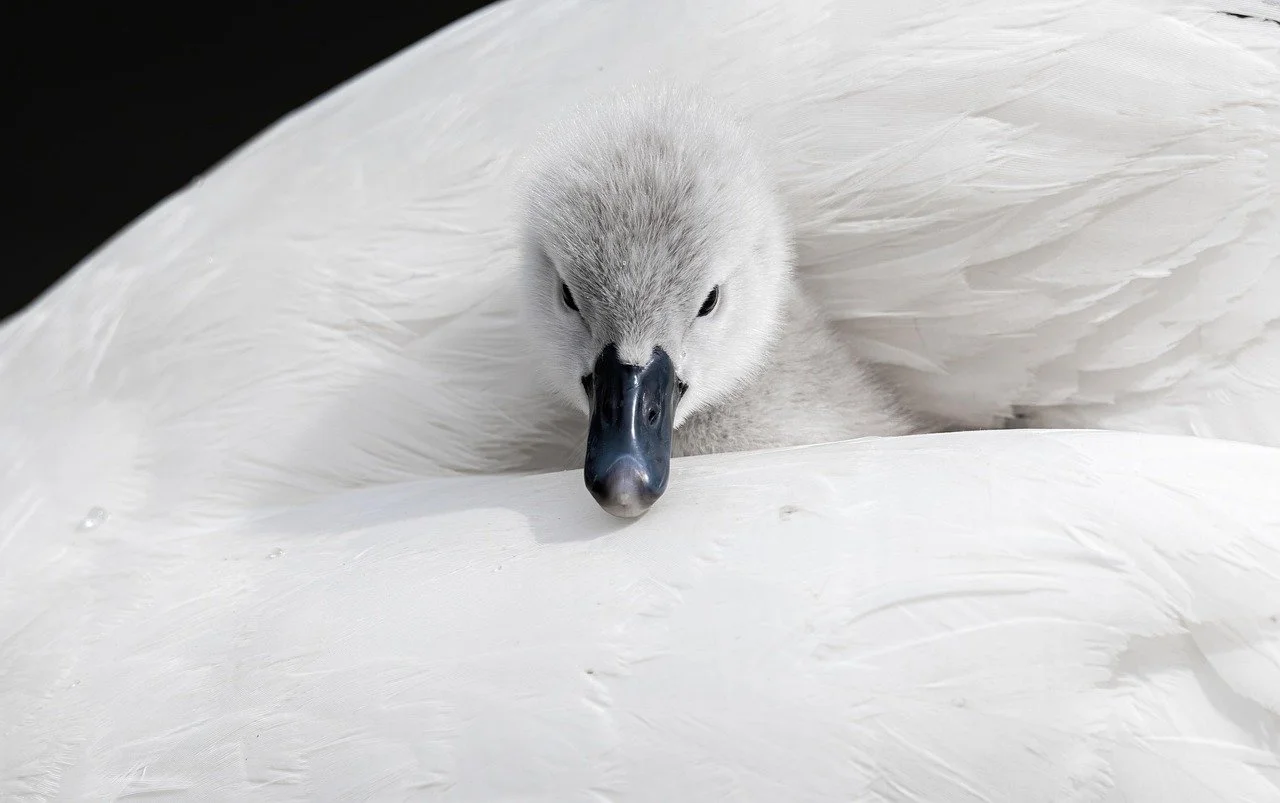
Photo: Jon Pauling
Visionary designer Demna's first show for Gucci made waves across the fashion world: inspired by iconic patterns from the Gucci archives, Demna re-imagined silhouettes for a modern take on the classic style the brand's become known for. Among the materials shown were tiger-printed faux furs, floaty chiffons, and...soft, fluffy feather trims.
In her review of the show, the Telegraph's Head of Fashion Lisa Armstrong showed concern for some of the material choices, expressing a hope that the feathers were “ethical”. It appears that the Telegraph reached out to the brand for comment, updating the article with a claim from Gucci that the feathers were a “by-product” of the meat industry, and no live-plucking took place.
This seemed to put most fashionistas at ease, as any outrage with animal-derived materials tends to limit itself to animals who were killed specifically for the garment in question. Were the animal “already dead”, it seems “wasteful” not to transform their body parts into shoes, a snazzy belt or a fluffy trim for a dress. Eco-friendly, even.
But is it really that simple? Do some parts of the fashion industry exist simply as a form of waste management?
Fashion as a “by-product”
This idea has existed long before Demna kitted out his models in marabou-trimmed gowns. The leather lobby has for decades branded the material a waste product of the meat trade. Even if that were to be 100% the case, we all have to question any support we lend to the meat trade. Animal agriculture has time and time again been shown to be one of the most destructive industries on the planet, a leading cause of the climate crisis, and the driver of 80% of the deforestation rates in the Amazon rainforest, just to name a few. Meat has also been linked to cancer in humans (processed red meat has been named a Group 1 carcinogen, finding direct links between its consumption and colorectal cancer) as well as heart disease and diabetes.
Needless to say, meat is the world's biggest killer of animals: it takes the lives of 80 billion land animals each year, many of whom to through the devastatingly cruel factory-farming industry with risk of diseases, extreme crowding, painful mutilations – all ending in an untimely and often terrifying death at the abattoir.
If all of this weren't enough, meat is also linked to mental health issues in humans: slaughterhouse workers, many of whom undocumented migrants and other vulnerable groups, are among the professional categories with the highest rates of PTSD, anxiety, and other psychological issues. All of this is overwhelming proof that we should be limiting our reliance on meat. Any “by-product” that props up this dangerous and unsanitary industry should be closely scrutinised, not condoned and paraded on runways.
The leather trade does indeed push the meat industry along: as a very profitable trade of its own (leather is worth nearly 500k billion USD) cow skins are a significant source of revenue for animal agriculture. Leather is still considered a high-quality, high-status product.
It is a powerful industry that exists due to demand – not a recycling scheme. Leading British designer Stella McCartney, whose Fashion Week collections have always been leather-free, has called the by-product notion “sheer nonsense.” Speaking out against the destructive trade, she added, “I’m here to let people know that’s a lie that’s been created by the meat industry and leather boards.”

Photo: Amy Jones/Viva!
Feathers, much like those in Gucci's collections, can also be linked to the meat trade. Feathers described as “marabou” rarely come from the marabou stork, but are commonly instead derived from turkeys and chickens – and Gucci themselves have admitted that their feathers come from the food industry. This comment was meant to set shoppers' minds at ease, but the reality behind factory farming is enough to put anyone off clicking “buy”. Birds live in extremely cramped and crowded conditions where diseases proliferate. Sometimes they may not even have enough space to stretch their wings, and are at times subjected to painful mutilations such as debeaking. Even if no live-plucking occurs, a bird's life on a factory farm is not worth living.
What are the alternatives?
There are exceptions, however, up-and-coming innovative materials that are true by-products gaining ground in fashion. One of them is Piñatex, a vegan leather material made from pineapple leaves – a waste product of the pineapple harvest. By purchasing the leaves, material innovation company Ananas Anam is reducing the quantity of waste being burned and also offering pineapple farmers in the Philippines an additional stream of income. “We know everybody in our supply chain. We know where the fibers come from,” Dr. Hijosa has said. “We know the farmers. This is a privilege. For a big company, it’s impossible to understand [their entire] supply chain.”
“Vineyards are happy to work with us because we transform their waste into a beautiful material, I love the fact that we are using a natural by-product and transforming it into something valuable.”
Ananas Anam aren't the only material innovators putting by-products at the forefront of their fashion offering. UPPEAL, a material that's been used by the aforementioned Stella McCartney, is crafted from leftovers from the apple juice and jam industries. Vegea, a vegan leather used by Calvin Klein, H&M and Pangaia, is crafted with grape waste from wine-making. This use of by-products is creative and planet-friendly, generating a much smaller environmental impact than both animal skins and traditionally made faux leathers.
“I can't help thinking there are more modern alternatives out there”, Armstrong comments on the Gucci feathers in her Instagram post. Indeed there are, and Armstrong isn't the only one hoping that fashion will move away from the cruel default state, expanding its horizons towards novelty and compassion.

Written by Sascha Camilli
Sascha Camill is a writer, speaker and vegan fashion expert. She founded the world's first digital vegan fashion magazine Vilda, and is the author of Vegan Style: Your Plant-Based Guide to Beauty, Fashion, Home & Travel. Her podcast, Catwalk Rebel, is out now.
We Have A Favor To Ask…
Species Unite amplifies well-researched solutions to some of the most abusive animal industries operating today.
At this crucial moment, with worldwide momentum for change building, it’s vital we share these animal-free solutions with the world - and we need your help.
We’re a nonprofit, and so to keep sharing these solutions, we’re relying on you - with your support, we can continue our essential work in growing a powerful community of animal advocates this year.



A cleaner New York Harbor has drawn hundreds of humpback whales to its waters - but the same busy port that welcomes them is also killing them.