
First pet-to-human bird flu case confirmed in the US
A study confirmed the first-ever transmission of H5N1 bird flu virus from a domestic cat to a human.
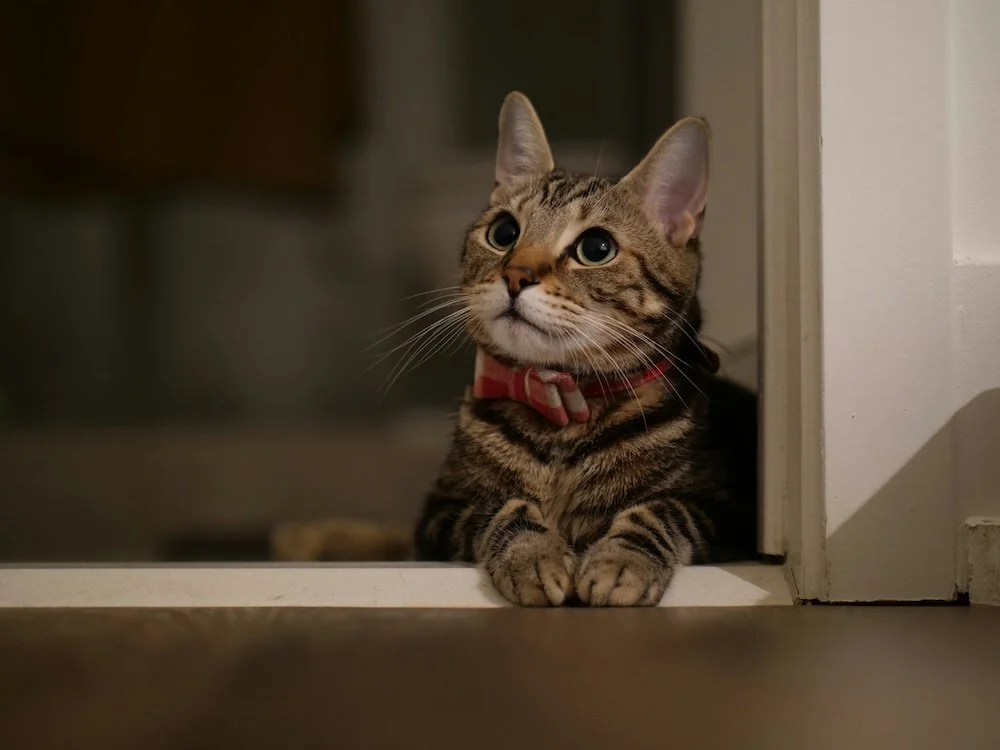
Between November 2024 and January 2025, 19 domestic cats in Los Angeles County, California fell severely ill, experiencing respiratory, hepatic, and neurological symptoms. The virus moved quickly. Fourteen of the cats died or were euthanized due to the severity of their condition.
Of the nine cats tested, all came back positive for H5N1 clade 2.3.4.4b, genotype B3.13 (the same virus variant involved in most recent human H5N1 infections).
The Los Angeles County Department of Public Health (LACDPH) immediately launched an investigation. Reviewing veterinary records and interviewing caretakers revealed a common thread; every single owner reported feeding their pets commercially purchased raw milk, raw poultry, or raw pet food in the weeks preceding their illness.
Local health authorities tracked 139 people who had close contact with the sick cats, including pet owners and clinic staff. While 30 people reported mild, flu-like symptoms during initial monitoring, their nasal swab tests returned negative results.
However, because nasal swabs can miss an infection once the viral shedding window has closed, the CDC launched a follow-up blood antibody survey. Out of 25 exposed individuals who provided blood samples, one veterinary professional tested positive for specific H5N1 antibodies. This confirmed they had contracted the virus from an infected cat, despite never showing physical symptoms.
“These findings provide evidence of zoonotic transmission of influenza A(H5N1) virus from domestic cats to humans,” the CDC study authors wrote. Their guidance is clear and urgent: caretakers are advised against feeding raw animal products to cats, and veterinary professionals must remain highly vigilant regarding infection risks.
Companion animals as a bridge to the home
The H5N1 virus subtype is both panzootic - affecting diverse animal populations worldwide - and zoonotic, meaning it is capable of jumping to humans. The virus has been reported in 26 countries across 48 different mammal species.
Because companion animals share close living spaces with humans - sleeping in beds, sitting on laps, and interacting face-to-face - an infected pet can create a direct route for a virus to enter a home or clinic. The Los Angeles outbreak is not an isolated incident.
Across the country, specific commercial raw pet food brands have repeatedly tested positive for the virus, prompting a series of product recalls.
Two cats that died in New York City were linked directly to contaminated poultry batches from Savage Cat Food. The FDA issued warnings after a cat in San Francisco was euthanized following severe H5N1 symptoms linked to contaminated food from RAWR Raw Cat Food. Multiple manufacturers, including Wild Coast Raw and Northwest Naturals, have been forced to pull products from store shelves due to bird flu contamination.

Industrial farming and the supply chain
Public health experts have long warned about viral circulation in commercial livestock facilities. H5N1 has been found to be circulating in industrial farming environments, where large numbers of animals are kept in close proximity — conditions that researchers say can accelerate viral mutation and transmission. The virus has been found to be breaching the commercial supply chain of raw pet food manufacturers.
There is currently no evidence of human-to-human transmission of H5N1. However, public health authorities warn that the situation continues to be closely monitored, as viral mutations remain a concern.
We Have A Favor To Ask…
Species Unite amplifies well-researched solutions to some of the most abusive animal industries operating today.
At this crucial moment, with worldwide momentum for change building, it’s vital we share these animal-free solutions with the world - and we need your help.
We’re a nonprofit, and so to keep sharing these solutions, we’re relying on you - with your support, we can continue our essential work in growing a powerful community of animal advocates this year.

Nearly 200 police officers carried out 24 searches and checked more than 1,000 horses in a Europe-wide investigation into suspected falsified passports and manipulated microchips.