
Portugal’s last circus elephant arrives at Europe’s first elephant sanctuary
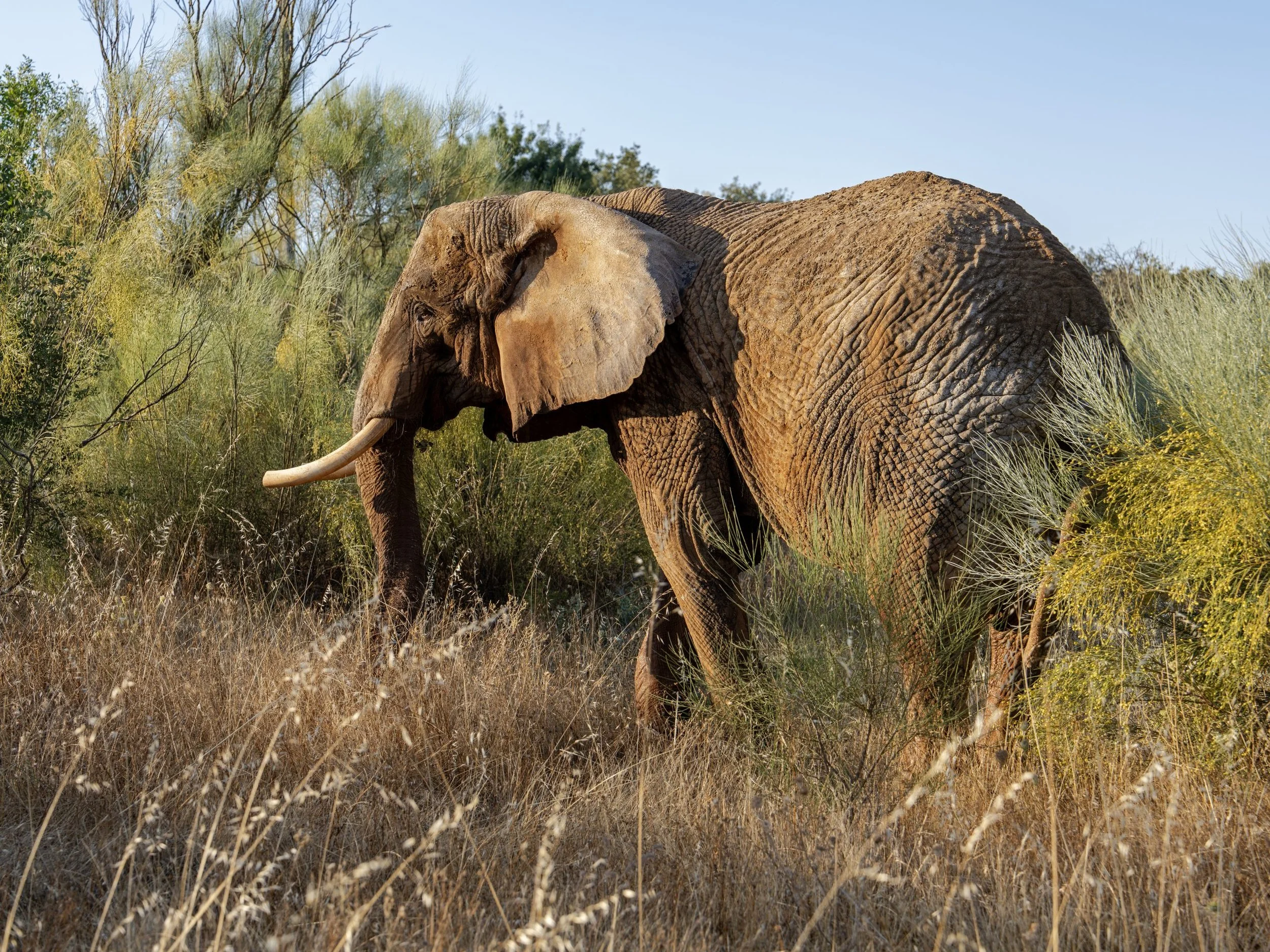
Julie, who has been with the same circus since 1988, is now looking forward to life at Pangea's 405-hectare sanctuary in the Alentejo, Portugal.
Credit: Wade Million/Pangea Elephant Sanctuary
Europe's first large-scale elephant sanctuary has welcomed its first arrival.
Pangea Elephant Sanctuary, in the Alentejo region of Portugal, will now care for Julie, the country's last remaining circus elephant.
Taken from the wild as a calf, Julie has spent most of her life in Portugal, having performed with Circo Victor Hugo Cardinali since 1988.
Now in her mid-40s, Julie has been alone since 2024, following the death of her last companion, Samba.
Her transfer to Pangea was made with the voluntary agreement of Circo Cardinali, who said the decision was "the right one" for Julie.

Credit: Renato Leinho/Pangea Elephant Sanctuary
The historic development follows Portugal's ban on wild animals in circuses. Passed in 2018, the law became effective in 2024.
"Julie is the first elephant to call Pangea home, and there could be no more fitting first resident than Portugal's last circus elephant," said Kate Moore, Pangea's Managing Director. "Many circuses and zoos across Europe are reaching the point where keeping elephants is no longer possible or appropriate, and they need somewhere to turn. Working in partnership with owners to find the right solution is central to how we operate."
A statement by Pangea added: "With her background, Julie will need support for health and mobility problems common in elephants of her age and history. Her care will be overseen by Pangea's specialist team."
Julie is set to be joined by Kariba, another female African elephant also in her 40s. Kariba had been captured from the wild as an orphaned baby and sent to work in zoos across Europe for the next 40 years. She outlived her most recent companion in 2022 and is currently living alone in a Belgian zoo. Recognizing Kariba's need for companionship and space, her owners at Pakawi Park have been looking to find her a more suitable home. She will be moved once her treatment is complete and she is declared fit to travel, according to Pangea.
Credit: Wade Million/Pangea Elephant Sanctuary
While much of Europe has introduced bans on wild animals in circuses, it is not always easy to find sanctuary places for large animals like elephants.
The initiative of UK-based charity The Pangea Trust, supported by the Born Free Foundation, Olsen Animal Trust, Fondation Brigitte Bardot, and World Animal Protection, Pangea Elephant Sanctuary has taken ten years to develop.
It was decided that the site for the continent's first elephant sanctuary should be in Portugal, given its Mediterranean climate and associated habitat, and political stability.
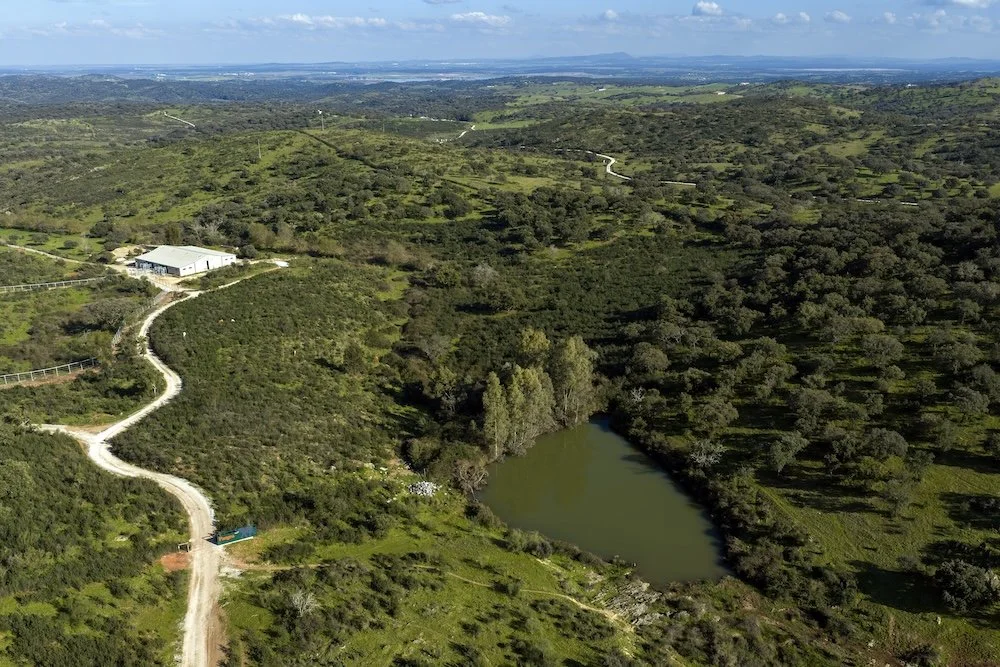
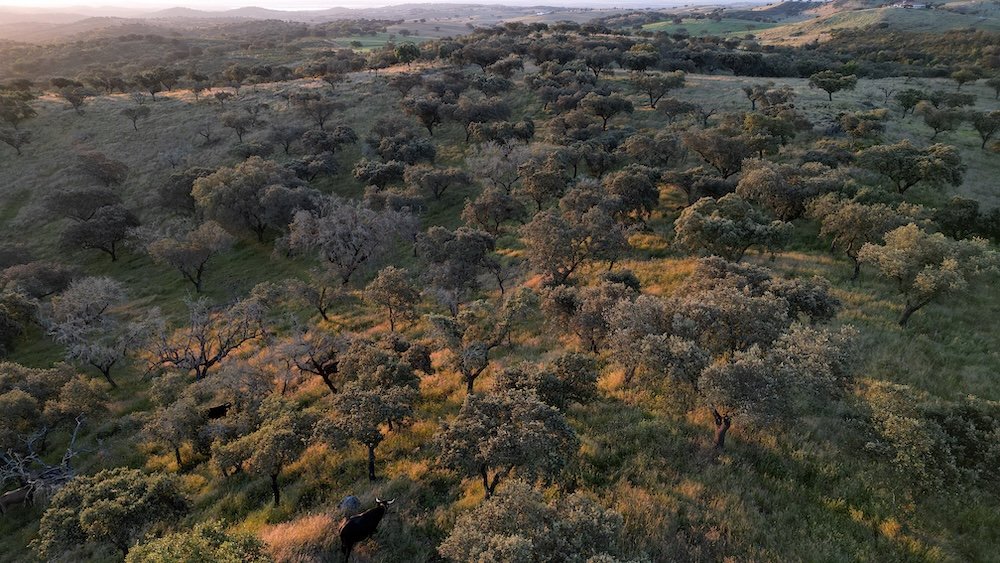
Located 200km east of Lisbon, the sanctuary is set on a former cattle ranch, with over 400 hectares of land that will allow up to 50 elephants to roam freely. Staff are hoping the elephants will help the degraded land to recover.
"We know elephants can normally strengthen ecosystems," Moore told The Guardian. "It gives us this really interesting opportunity to see how the elephants are responding to the land and vice versa."
The official opening of Pangea offers hope to the 600 or so elephants currently held in zoos and circuses across Europe, 36 of which are living in solitary confinement.
Credit: Wade Million/Pangea Elephant Sanctuary
Many circuses have stopped using wild animals, amid growing legal and public recognition of the cognitive, social, and emotional complexity of animals, especially elephants. It is well-known that wild elephants live much longer than those in captivity, one study found that female African elephants at Kenya's Amboseli National Park lived to around 56 years, compared to zoo-born females who lived to just 17 years.
Most experts primarily attribute this disparity to the emotional and physical effects of captivity. In the wild, elephants are constantly on the move, walking up to 30 miles over 18 hours every day.
In circuses, elephants are forced to perform repetitive, unnatural, and dangerous tricks, and are known to display stereotypic behaviors, as well as suffer joint and foot pain.
When not performing, they typically spend hours standing in holding areas or in trailers between venues, conditions that further contribute to foot problems. Foot-related conditions and arthritis are among the leading causes of euthanasia in captive elephants.
Learn more about how you can support Pangea Elephant Sanctuary here. Please also join Species Unite today by pledging never to visit a zoo that keeps elephants in captivity. Together, we can help build a future where no elephant is born simply to spend its life on display. Take the pledge here.
Species Unite News is a weekly round-up of the most important animal stories happening around the world. Join over 250,000 others who start their week with the latest animal stories delivered straight to their inbox.
We Have A Favor To Ask…
Species Unite amplifies well-researched solutions to some of the most abusive animal industries operating today.
At this crucial moment, with worldwide momentum for change building, it’s vital we share these animal-free solutions with the world - and we need your help.
We’re a nonprofit, and so to keep sharing these solutions, we’re relying on you - with your support, we can continue our essential work in growing a powerful community of animal advocates this year.
More stories:
A former president and conservationists have criticized Botswana’s decision to kill 23 elephants for meat as part of its 60th independence celebrations.