
Live elephants replaced with robots at Indian temples
Robotic elephants have been donated to temples around the country to counteract animal abuse.
Credit: PETA India
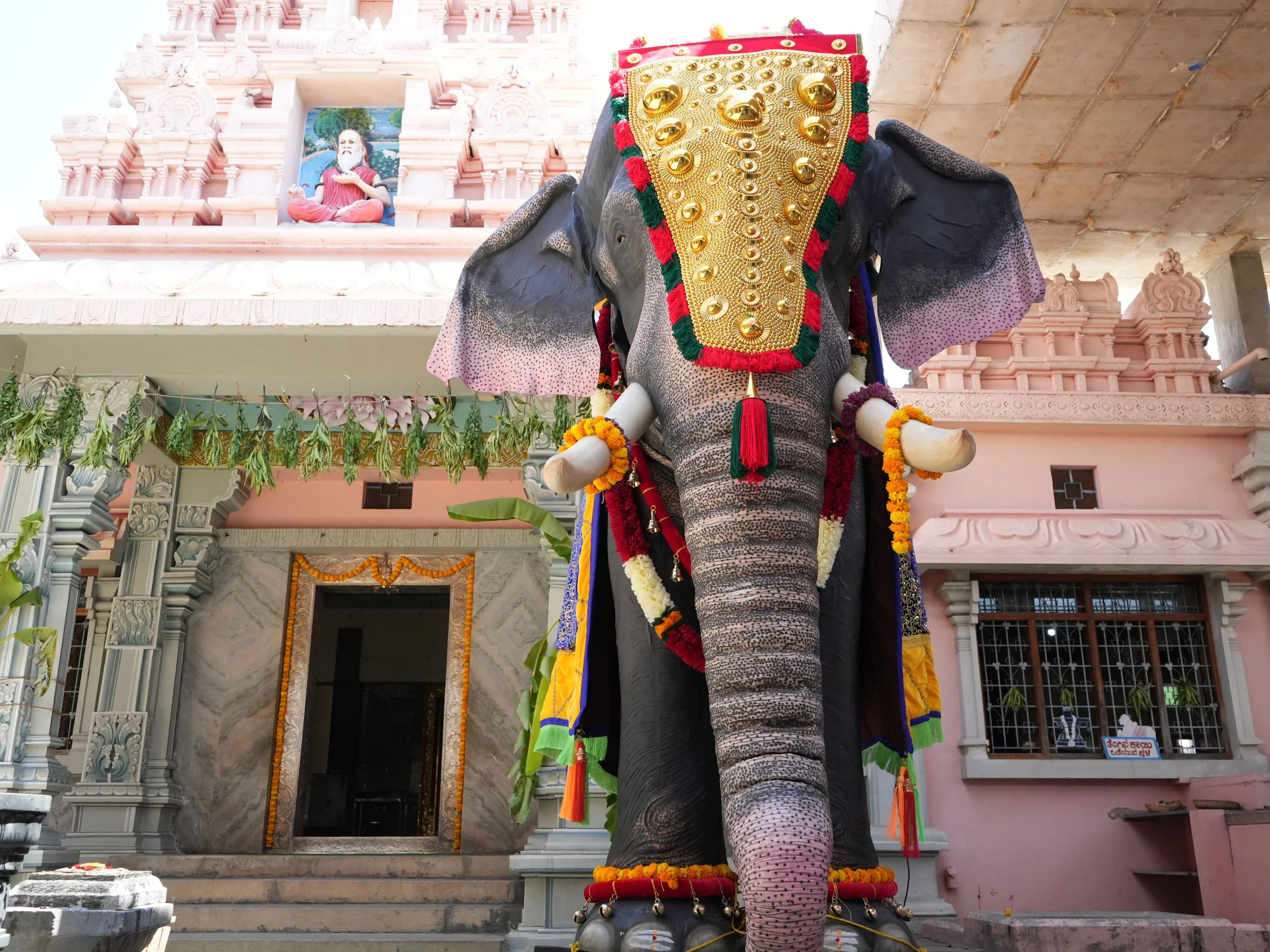
A Kerala-based engineer has created robotic elephants to replace live animals in Indian temples, amid growing concern over the abuse and stress suffered by elephants used in religious ceremonies.
Prasanth Prakashan, a mechanical engineer based in southwestern India, developed the robotic animals in response to widespread reports of elephants in temples being chained, beaten, and subjected to conditions that advocates say cause serious psychological and physical harm.
Training wild elephants to remain calm in temple settings is itself often a violent process. Reports also document broken limbs and poor diets.
Being present at religious festivals can be deeply stressful for elephants given the loud noise and large crowds, conditions that can lead to serious injuries and deaths.
"Stressed elephants can also be deadly," said Khushboo Gupta, vice president of policy at PETA India. "For example, nine people died in 2024 from elephant rampages at Kerala temple festivals. These elephants are forced to stand there for hours in the heat, with large crowds, drums and fireworks. Any trigger could cause them to go on a rampage."
Credit: PETA India
Across India, elephants are used in temples as symbols of the divine. Linked to the worship of the Hindu divinity Ganesha and symbolizing patience, wisdom, and enlightenment, they are particularly common in Kerala. Asian elephants are also endangered, a significant driver of their decline is the capture of animals from the wild for festivals and religious events.
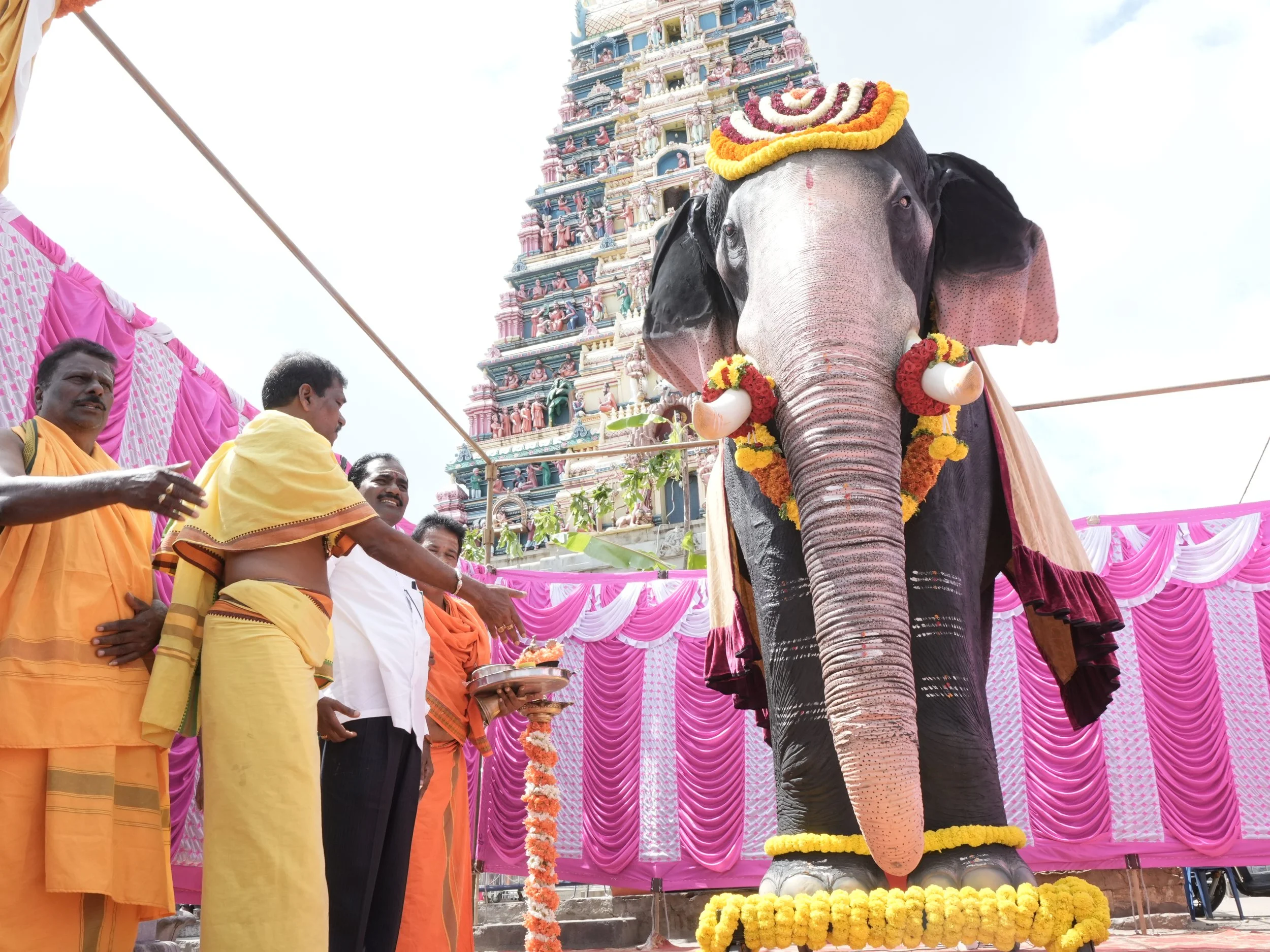
Prakashan's robotic animals are made from fiberglass, metal, and rubber, with movements that mimic those of live elephants. Their ears flap, their tails swish, and their trunks can squirt water. While the robots cannot walk at present, Prakashan is working on it.
"You can't create an original elephant just as you cannot duplicate a human," Prakashan said. "But we try to capture the majestic animal's essence as much as we can."
Around 40 robotic animals have been donated to temples around India, each costing around $6,000. In the past, PETA has also gifted mechanical elephants to temples as part of its campaign to replace live animals.
While some traditionalists do not believe the innovations can replace live elephants, animal advocates continue to push for the robotic versions to be more widely adopted and for the use of live elephants to be phased out.
We Have A Favor To Ask…
Species Unite amplifies well-researched solutions to some of the most abusive animal industries operating today.
At this crucial moment, with worldwide momentum for change building, it’s vital we share these animal-free solutions with the world - and we need your help.
We’re a nonprofit, and so to keep sharing these solutions, we’re relying on you - with your support, we can continue our essential work in growing a powerful community of animal advocates this year.

A former president and conservationists have criticized Botswana’s decision to kill 23 elephants for meat as part of its 60th independence celebrations.