
More dead whales continue washing up along the West Coast
Record numbers of weak and malnourished whales are being found along the coasts of Washington, California, and Oregon, with scientists blaming climate change and the subsequent scarcity of food.
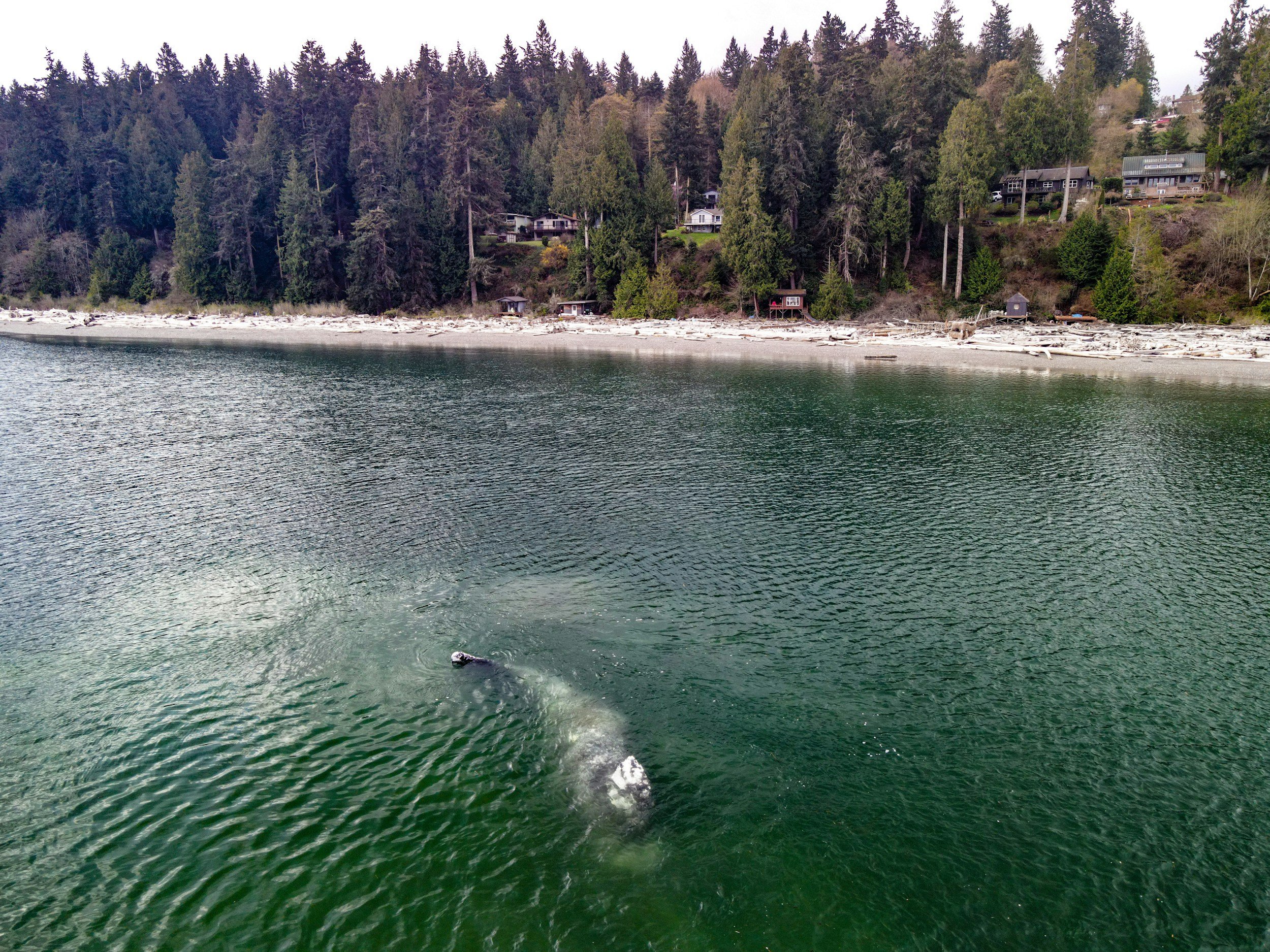
The bodies of emaciated whales are continuing to wash up along the West Coast in record numbers.
So far this year, 23 whales have been found beached or dead along the Washington coast. It’s a similar story in California (20), with 11 in the San Francisco Bay Area, and seven discovered off Vancouver, British Columbia. And in Oregon, there have been eight deaths - a record high, according to the National Oceanic and Atmospheric Administration (NOAA).
At this rate, the deaths will surpass the 122 gray whales that washed up along the U.S. coast in 2019, in what the NOAA declared an "unusual mortality event."
Scientists fear that climate change, and the subsequent lack of food, is behind these latest deaths.
Whales typically eat amphipods - small crustaceans that feed on algae, which grows on the bottom of sea ice. However, due to global warming, the sea ice is melting earlier in the year. This is significant, as the whales migrate to the Arctic every spring and summer, where they feast on amphipods. In addition, the warmer temperatures have allowed phytoplankton and other species to grow, which consume their own share of amphipods.
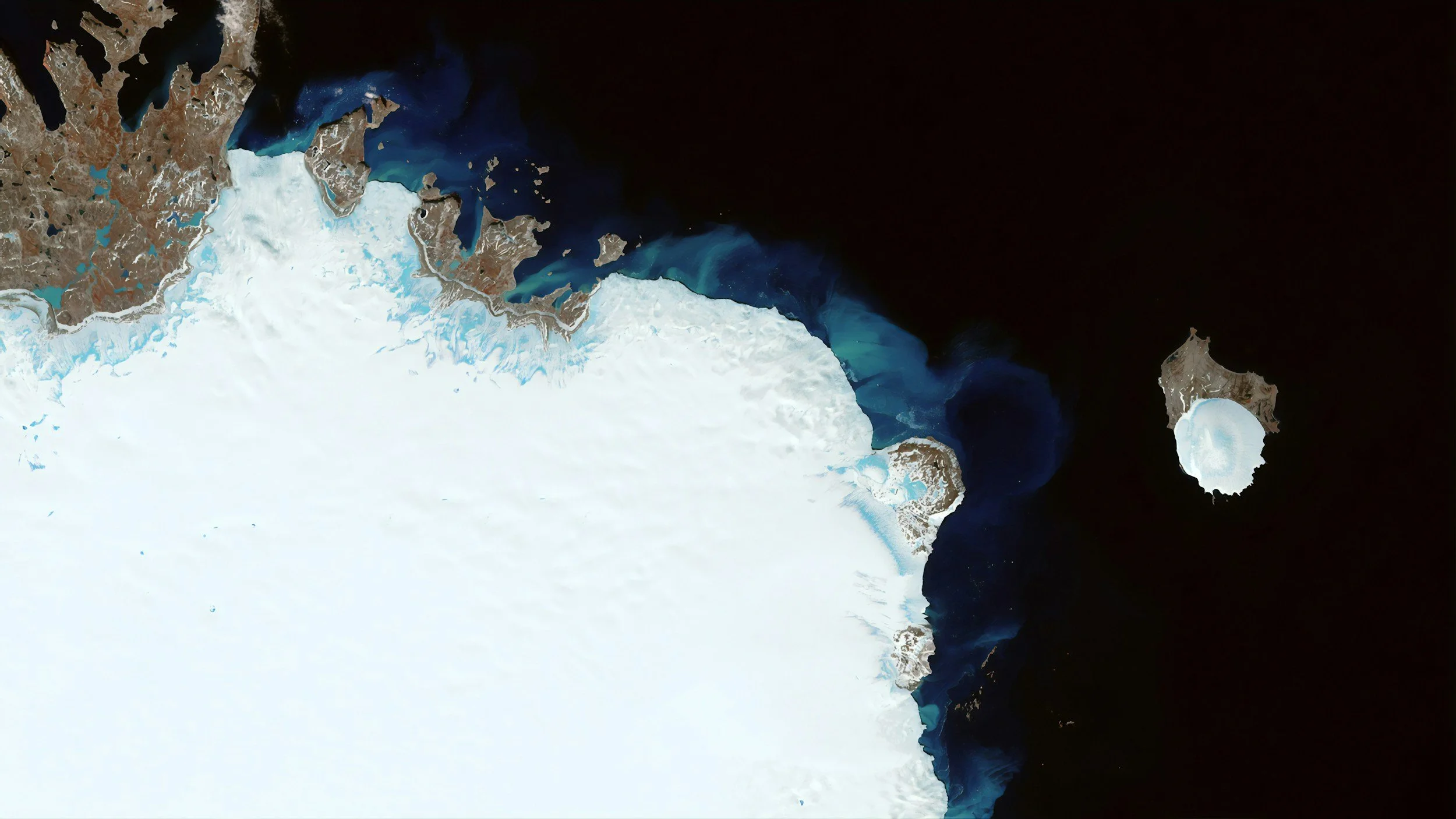
After leaving the Arctic, the whales fast for around six months, during which time they reproduce and raise calves in lagoons off Mexico. Climate change has meant that there are fewer amphipods before, and after, the whales complete their 6,000-mile journey.
“Right now, as they migrate north, is when they’re skinniest," said Josh Stewart, an assistant professor at Oregon State University’s Marine Mammal Institute. "It’s the longest since they’ve last eaten, and it’s when they’re the most sensitive and most vulnerable to dying from starvation.”
Indeed, many of the whales found this year have been thin and weak. And this would explain why several are washing up in unusual places, such as Willapa River in Washington.
“As these animals become malnourished, they become more desperate, and I also think they become debilitated and less aware of their surroundings and they lose their navigational sense,” said John Calambokidis, a senior research biologist at the Cascadia Research Collective, a whale research organization he founded in Washington.
Record numbers are being seen in San Francisco Bay - a place where historically there were no gray whales before 2018. Researchers have spotted 16 this year already. Necropsies reveal that while the whales are finding food, the area is ultimately very dangerous, with four deaths caused by ship or boat strikes.
Gray whales make up the majority of this year’s fatalities. The species had been heralded as a success story of conservation policies, after numbers plummeted to just a few hundred during the mid-twentieth century.
Thanks to restrictions on commercial whaling, and the Marine Mammal Protection Act, the gray whale managed to make a remarkable recovery. By 1994, they were no longer classified as endangered.
But today, there are significantly fewer gray whales than when they were removed from the Endangered Species Act. According to the NOAA’s most recent estimates, the population stood at 12,950, as of last summer. This is down from 27,430, a decade ago.
“I don’t think we’re ever going to see an Arctic that can support 25,000 gray whales again, at least not in my lifetime,”said Stewart.
Indeed, scientists are worried that the ocean is becoming uninhabitable not just for whales, but for the many marine mammals living there.
Between June and October last year, over 400 seals, dolphins, whales, otters, and sea lions were found stranded or sick along Central Coast beaches. Two-thirds of these died, with many more unreported deaths occurring at sea.
A devastating bacterial outbreak of leptospirosis was largely to blame, while toxic algal blooms, and lack of food, also played a part.
A global shift towards a plant-based diet is necessary to combat the worst effects of climate change, according to the United Nations, and research from the University of Oxford shows that eating plant-based is the “single biggest way” to reduce your impact on the planet.
Join Species Unite's 30-Day Plant-Powered Challenge, a free month of recipes and tips to help you reduce demand for factory farmed animals, one meal at a time.
We Have A Favor To Ask…
Species Unite amplifies well-researched solutions to some of the most abusive animal industries operating today.
At this crucial moment, with worldwide momentum for change building, it’s vital we share these animal-free solutions with the world - and we need your help.
We’re a nonprofit, and so to keep sharing these solutions, we’re relying on you - with your support, we can continue our essential work in growing a powerful community of animal advocates this year.

A new report finds that while overall salmonella rates are falling, the most severe, drug-resistant strains are rising across the US poultry industry, with the largest producers showing the highest rates.