
Average person eats six times more chicken than our grandparents’ generation, UN report finds
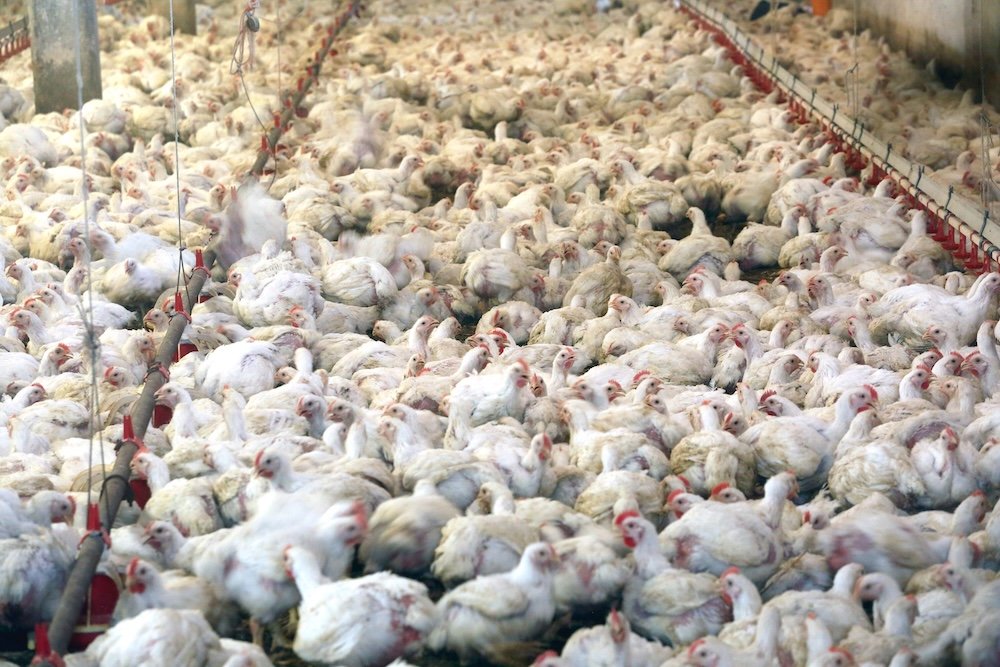
A new UN report has found that the average person today eats six times more chicken and twice as much pork as people did in the 1960s.
Credit: Andrew Skowron
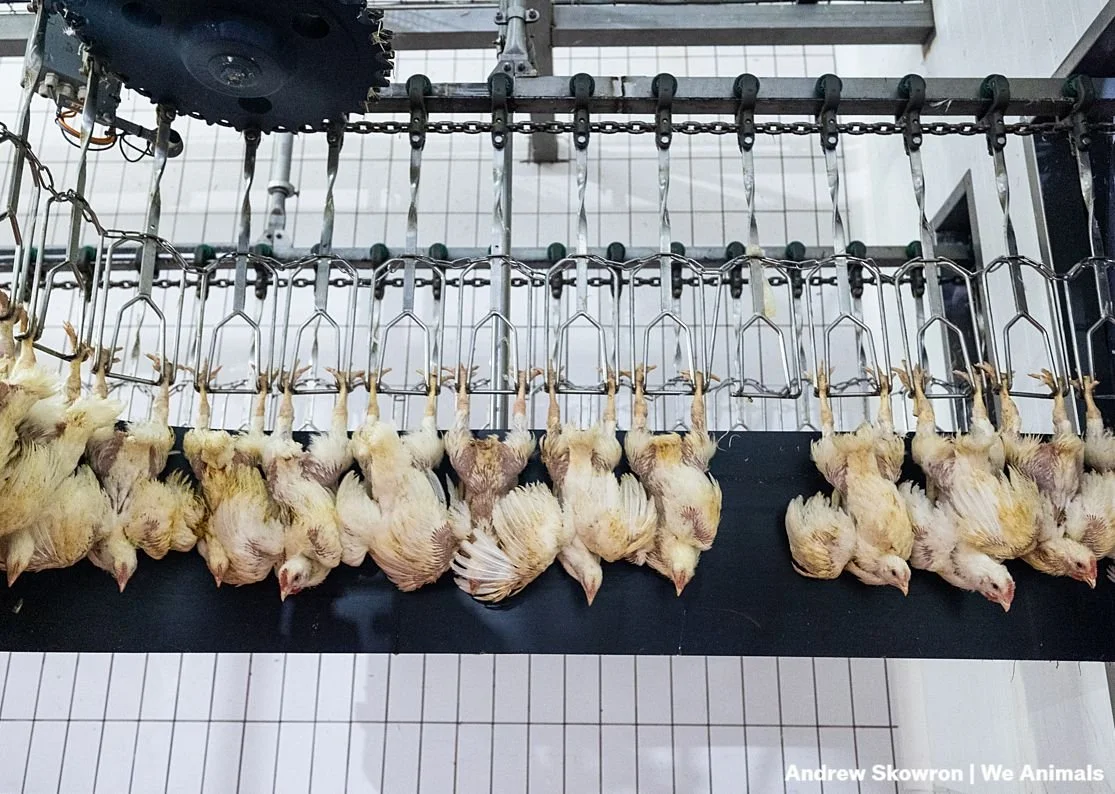
The average person today eats six times more chicken and twice as much pork as people did in the 1960s, according to a new report by the Food and Agriculture Organization (FAO) of the United Nations - and is expected to keep climbing.
The UN report, titled Drivers of supply and demand of terrestrial animal source food, has documented that poultry consumption has risen from below 3kg per person in 1961 to 17kg in 2022, while pork supply has doubled to 15kg per person in the same period. Beef, however, has stayed consistent at around 9kg per person.
Previous reports by the FAO have been criticised for omitting meat reduction from climate roadmaps, alongside errors that downplayed the importance of meat reduction to mitigate the effects of the climate catastrophe and dismissing alternative food sources.
“It’s very striking: the FAO doesn’t include one of the clearest interventions that would help meet both environmental and health targets,” said Cleo Verkuijl, a senior scientist at the Stockholm Environment Institute US, adding that it is “also really surprising is the fact that the FAO completely dismisses alternative proteins.”
The Intergovernmental Panel on Climate Change (IPCC) has identified a change towards more plant-forward diets as a way of minimizing greenhouse gas emissions.
However, despite recognising that wealthy nations are drivers of excessive meat consumption, the FAO report does not recommend reduction.
“This report documents the problem clearly but stops well short of that conclusion,” said Verkuijl. “The report sets out to help policymakers identify entry points where interventions support the positive contributions of animal-source foods to healthy diets.
“That may be the right framing for food-insecure populations, but it’s the wrong premise for wealthy nations, where the health and environmental case points toward reduction,” Verkuijl.
Credit: Andrew Skowron
Animal agriculture is responsible for approximately 14.5 percent of global greenhouse gas emissions, primarily methane, according to the FAO. A single cow can emit up to 264 pounds of methane per year. With over 1.5 billion cows being farmed worldwide, hundreds of billions of pounds of methane are produced annually through cattle farming alone.
Animal agriculture is also a major driver of biodiversity loss. Deforestation due to animal farming and growing feed for the billions of animals farmed worldwide is a leading cause of habitat destruction and species extinction.
Alternative protein sources like those made from plants have been proven to significantly reduce environmental impact by requiring less land, reducing air pollution, and mitigating deforestation. Producing 1kg of beef produces up to 68 kg of CO2-equivalent emissions, compared to roughly up to 1kg for production of lentils and beans.
Take the 30 Days of Action for Animals challenge: This August, we're challenging you to take one action for animals every single day. From signing petitions and contacting lawmakers to making different choices at the dinner table, every action adds up. Sign up now to get your first action on August 1.
We Have A Favor To Ask…
Species Unite amplifies well-researched solutions to some of the most abusive animal industries operating today.
At this crucial moment, with worldwide momentum for change building, it’s vital we share these animal-free solutions with the world - and we need your help.
We’re a nonprofit, and so to keep sharing these solutions, we’re relying on you - with your support, we can continue our essential work in growing a powerful community of animal advocates this year.


A cattle truck crash in Kansas City, Missouri, is one of several recent ones, as Mercy for Animals urges the US Department of Agriculture to update its rules on animal transport.