
Distemper virus is decimating Wyoming's wolf population - and hunting season is still on
A highly contagious virus is tearing through Wyoming's wolf population, reducing numbers to a critical low, yet the state is still planning to allow trophy hunting this year.
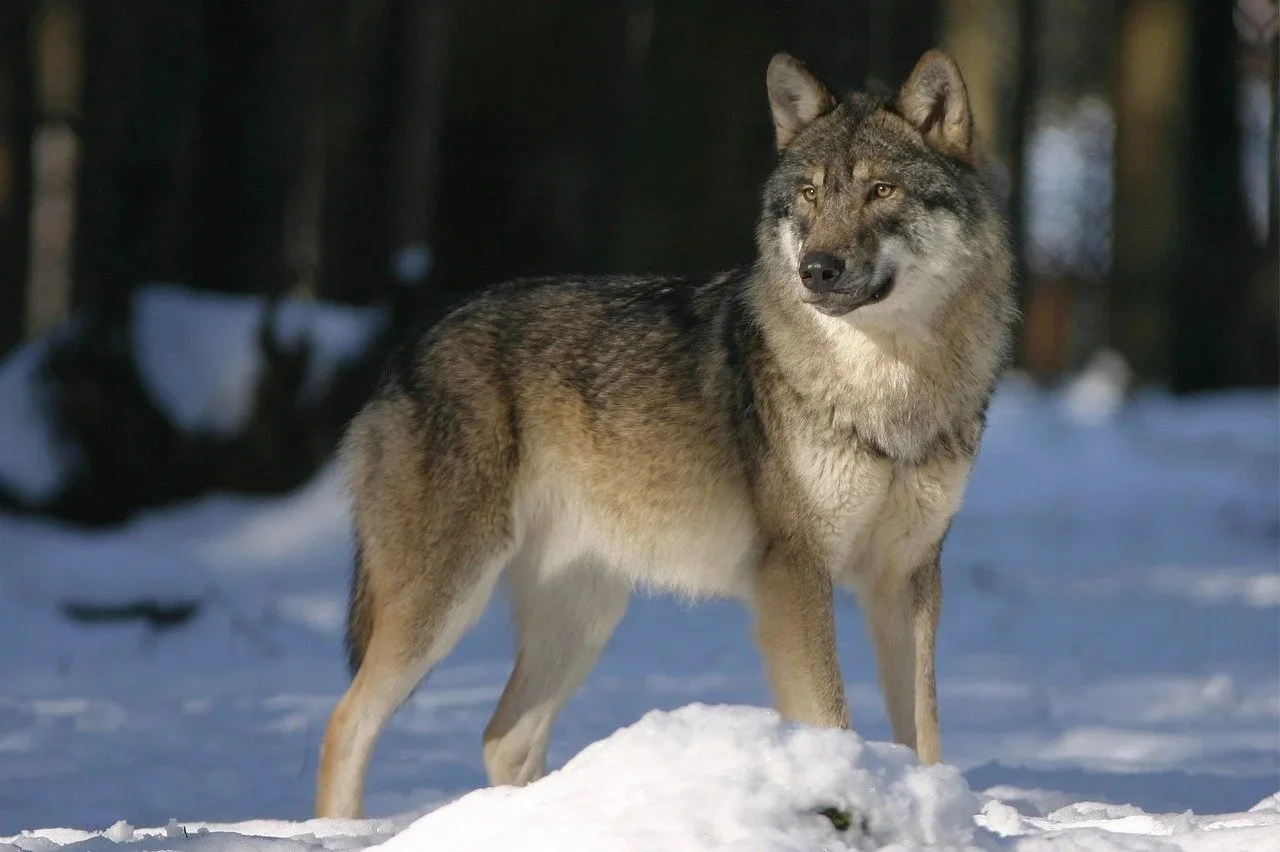
Canine distemper virus (CDV) is threatening the struggling wolf population in Wyoming and controversy has arisen as to how to deal with it.
An outbreak of the highly contagious disease has reduced the population in the state.
Strains of the disease, which doesn't affect humans, can erupt in populations of predators and cause them to act irrationally and lose fear, similar to rabies or red measles. No cures or vaccines are known.
Advocates for wolves are asking the Wyoming Game & Fish Department (WGFD) to cancel its wolf trophy hunting season this year or until the effects on the population are better understood.
The state annually allows limited wolf hunting for recreational purposes in certain areas, since wolves in the Northern Rocky Mountains have been dropped from the endangered species list by the U.S. Fish & Wildlife Service.
The sport is considered trophy hunting because people don't eat the game but may keep it or parts of the animals as souvenirs.
But it is questionable as to whether managed trophy hunts can keep the population in check as it's not clear how many would die of other causes.
A study published in Scientific American in 2021 about a pair of planned wolf hunting seasons in Wisconsin stated that “Rapidly removing a large portion of the animals will likely harm their natural reproduction process and ensure that new births cannot restore the population to its 2020 size, according to scientists.”
WGFD opened a public comment period on its gray wolf hunting seasons, called Chapter 47. It closes June 10. The Wyoming Game & Fish Commission will discuss the matter at its July 14-15 meeting in Sheridan. The department also scheduled eight public meetings around the state in May and early June.
It has proposed cutting the hunt in half this year.
“The Department sets gray wolf hunting seasons annually based on public input, annual harvest data and population monitoring data,” it explained. Wolf hunting is not allowed in Yellowstone or Grand Teton national parks, the National Elk Refuge or most of Wind River Reservation.
WGFD provides information, a link to comment and even a comment form on its proposal. The link was broken last week but the department fixed it after Species Unite pointed this out.
Meanwhile, Wyoming Untrapped, an organization whose main focus consists of ending wildlife trapping, invites advocates to attend a Show Up for Wyoming Wolves event at 6 p.m., Tuesday, May 26 at WGFD's office in Jackson. The group says wolf hunting should be paused until we know the extent to which the outbreak reduced the population and it recovers.
“A population kept near the floor has little room to absorb unexpected losses. Wyoming’s wolves deserve more than survival-level management,” Wyoming Untrapped says.
It is likely, but not certain whether the virus has spread to the wolf population in Yellowstone National Park and whether the virus is killing park pups. Yellowstone's public affairs office sent us a notice suggesting “disease-related pup mortality in 2025” was likely in the park. The park counted 84 wolves in the park at the end of last year, including only three breeding pairs with at least two pups.
“This is about a 16 percent decrease from the average end or year population count over the last 15 years. Population fluctuations are expected in wolf populations due to both natural and human-related effects, and Yellowstone still supports a healthy wolf population,” the office stated.
But less than half of the 36 pups known to be born in the park last year survived. The statement added that “Yellowstone samples are currently being analyzed, so we have not yet confirmed CDV but Yellowstone biologists predict similar findings of CDV exposure which is likely a contributor to poor pup production in 2025.”
But the park isn't entirely pessimistic. It stated “Previous research has found that CDV cycles through carnivore and mesocarnivore (animals with mixed diets) communities simultaneously as new strains emerge. Past outbreaks show that survivors develop immunity and populations rebound.”
Species Unite's Wolves in School program brings the story of wolves into classrooms across the country through storytelling, science-based materials, and a call to action for young people. Free and downloadable for grades 3–12. Sign up here to download your free digital Wolf Education Guide.
Species Unite News is a weekly round-up of the most important animal stories happening around the world. Join over 200,000 others who start their week with the latest animal stories delivered straight to their inbox.
We Have A Favor To Ask…
Species Unite amplifies well-researched solutions to some of the most abusive animal industries operating today.
At this crucial moment, with worldwide momentum for change building, it’s vital we share these animal-free solutions with the world - and we need your help.
We’re a nonprofit, and so to keep sharing these solutions, we’re relying on you - with your support, we can continue our essential work in growing a powerful community of animal advocates this year.
More stories:
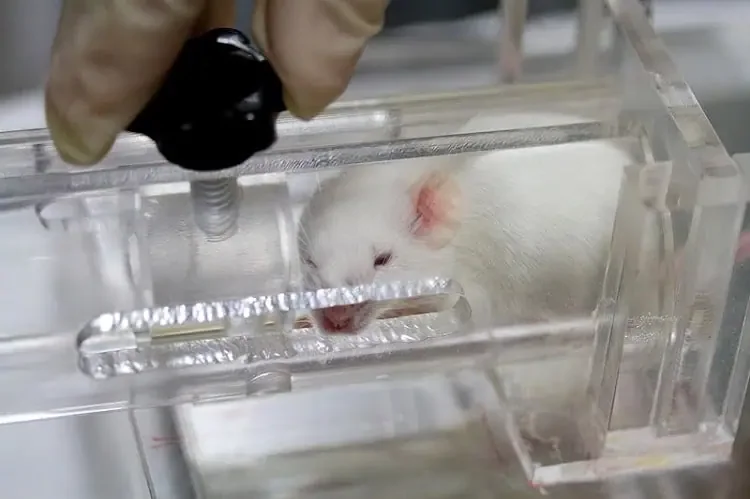
Significant investment and revised regulations across four government agencies are part of an ongoing effort to support innovative scientific research ahead of “outdated” testing on animals.