
Revised plans for unlimited bear cull can proceed, rules Alaska Superior Court judge
Requests for a preliminary injunction have been denied, allowing the State’s predator hunting program to begin this month across 40,000 square miles of Southwest Alaska.
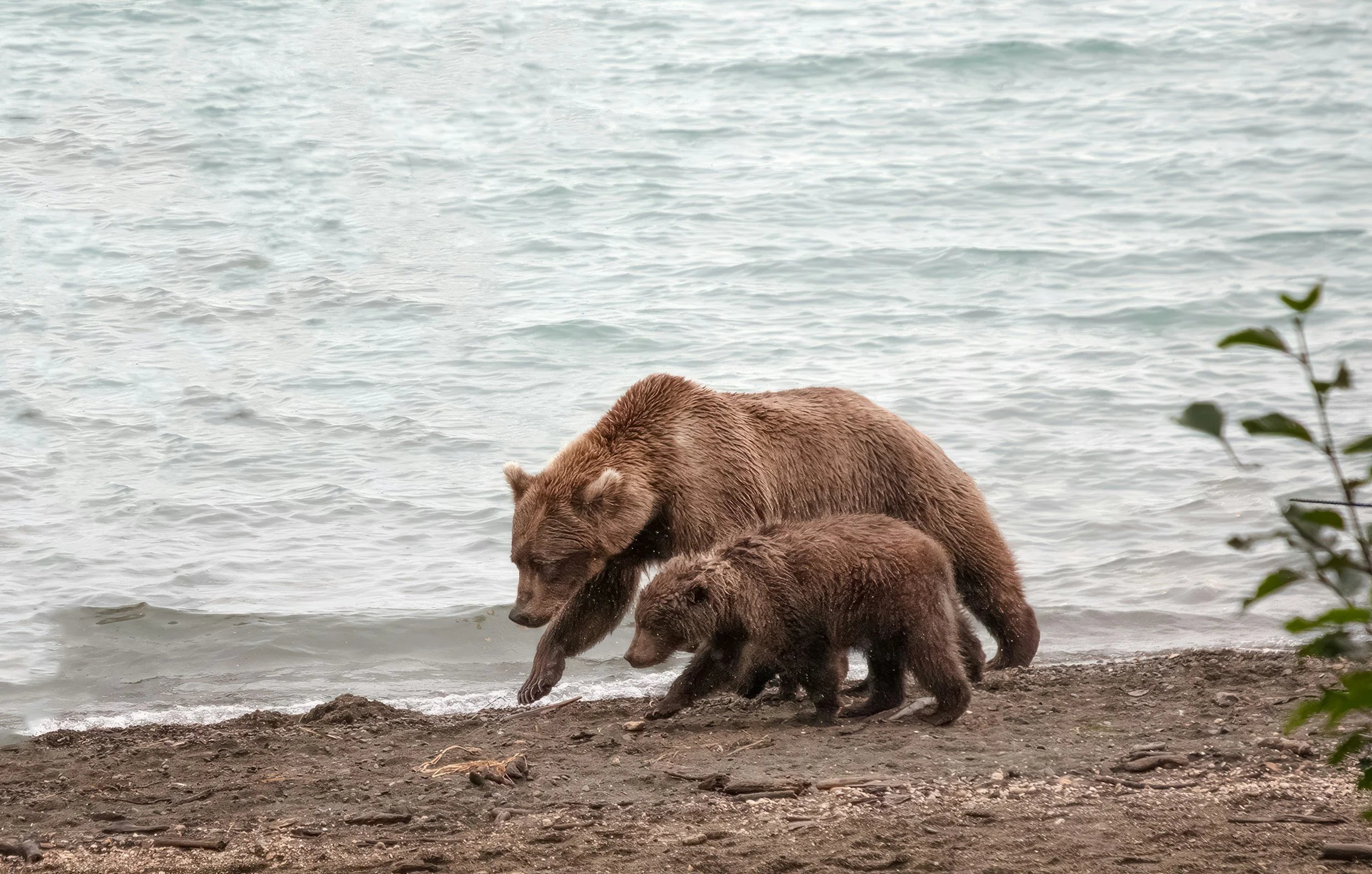
A Superior Court judge in Alaska has ruled that black and brown bears can be shot dead, as part of State efforts to protect local caribou.
In the order of May 6, judge Adolf Zeman denied requests for a preliminary injunction, and so allowing the Alaska Board of Game (BOG) to proceed with its controversial hunting program, scheduled to begin this month ahead of calving season.
The Alaska Wildlife Alliance (AWA) and the Center for Biological Diversity (CBD) had hoped to delay the killings, before their lawsuit against the Board is heard in court. The non-profit organizations claim the hunting program violates the Alaska Constitution.
According to BOG, bear predation is the biggest threat to the Mulchatna caribou herd. A food source for more than 48 local communities, the Mulchatna caribou population last year stood at around16,276, which is about half of the lower population objective of 30,000–80,000 caribou, said BOG.
The population has grown by 30 percent, since bear culling began in 2023. Until this time, only wolves were targeted.
The decision to introduce bear control has proved highly contentious, sparking ongoing legal disputes.
In March 2025, the Alaska Supreme Court found the bear program to be unconstitutional, citing BOG’s “lack of adequate, relevant bear population data.”
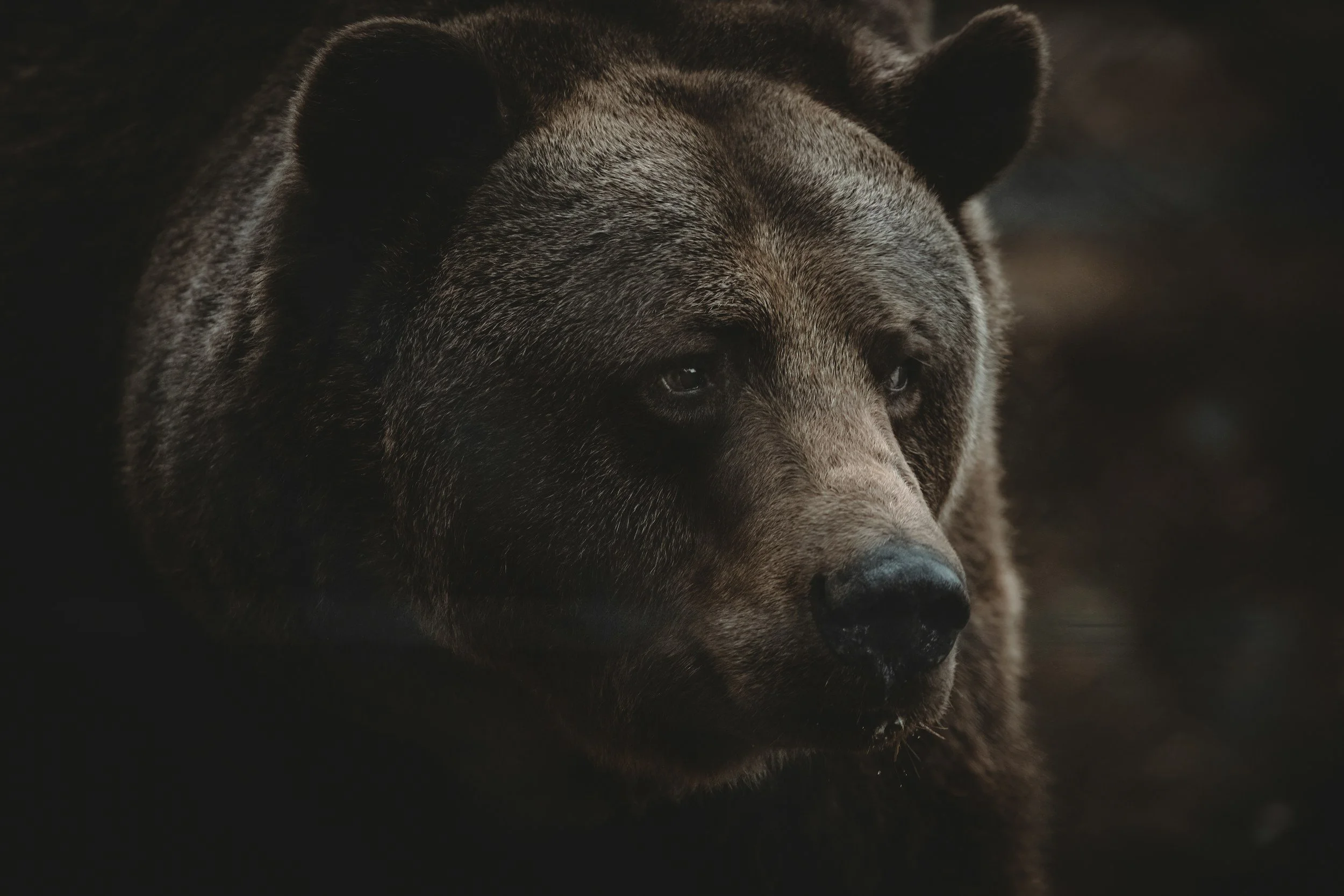
During this unlawful program, a total of 175 brown bears and five black bears had been shot dead in the Mulchatna Control Area between 2023 and 2024.
A week after the court ruling, however, BOG adopted an emergency regulation to reinstate the program, killing eleven brown bears in a single weekend.
In May, the emergency regulation was struck down by the Court “as a bad-faith attempt to circumvent the March order”.
In July, BOG adopted a new proposal, bolstered, it says, by new research on the black and brown bear populations. At a Board meeting, calculations by the Department’s wildlife biologist estimated there were approximately 2,800 bears over the range of the West Mulchatna.
Judge Zeman concluded that the Court is “in no position to doubt” such calculations, “because the court does not possess the technical knowledge to do so, which is why the Court must give deference to the agency on this decision.”
According to AWA and CBD, the calculations are based on “outdated and unreliable” data, and so the proposal isn’t much different to that which the Court declared unconstitutional in March.
There is also concern about the program’s proximity to several national wildlife refuges. For example, the southeast border of the gunning program is only three miles from Lake Clark National Preserve, and 30 miles from Katmai National Park. As such, any bears moving across these public lands could be shot dead.
Authorized through 2028, the program gives the Alaska Department of Fish and Game the authority to aerially shoot bears of any age, across some 40,000 square miles, without any population data or cap on the number of bears killed.
Responding to the latest development, Nicole Schmitt, executive director of AWA, said her organization is “deeply disappointed by the Court’s decision to allow the gunning program to move forward today.”
“The state already killed close to 200 bears under a program which was later found unlawful,” she added. “We can’t undo the slaughter of those bears, which includes dozens of cubs, and I fear history will repeat itself until these issues can be resolved, again, in court.”
Indeed, Judge Zeman admitted that it is possible AWA will prevail in their ultimate claim that the hunting program violates the State’s constitutional obligation to ensure sustainable yield of the bear population.
Want to speak out for bears? Join Species Unite in urging the US Fish and Wildlife Service to keep grizzly bears protected under the Endangered Species Act. Sign the petition here.
We Have A Favor To Ask…
Species Unite amplifies well-researched solutions to some of the most abusive animal industries operating today.
At this crucial moment, with worldwide momentum for change building, it’s vital we share these animal-free solutions with the world - and we need your help.
We’re a nonprofit, and so to keep sharing these solutions, we’re relying on you - with your support, we can continue our essential work in growing a powerful community of animal advocates this year.

As opposition to octopus farming grows worldwide, Colombia is moving to ban the practice before a single farm is built.