
Hidden European empire behind tuna exposed in new report
A new report has found that a small number of European companies secretly control approximately 90% of the Indian Ocean's tuna fishing fleet, one of the world's most exploited fishing areas.
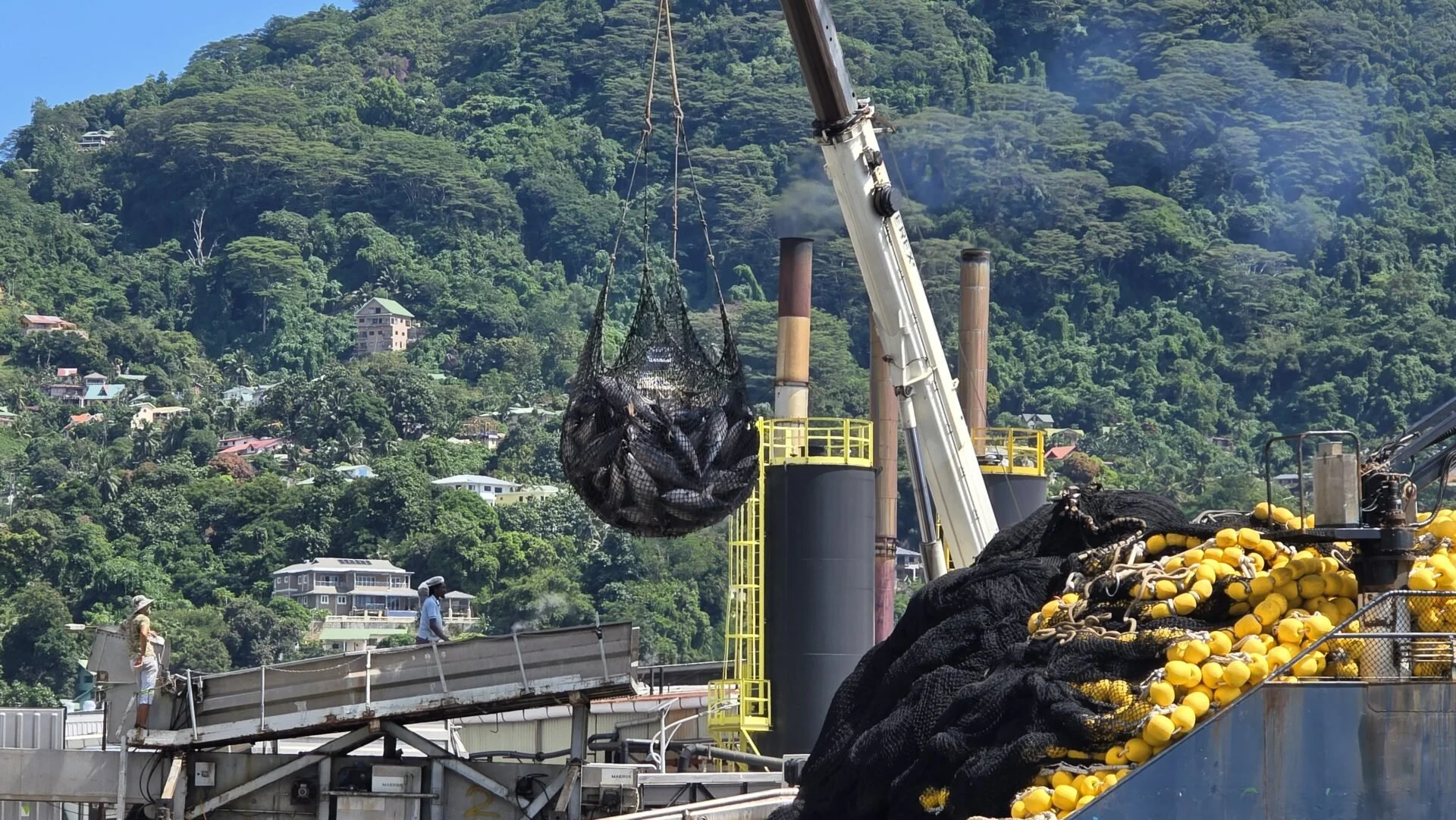
Credit: Jess Rattle, Blue Marine Foundation & Kroll
A new report from the Blue Marine Foundation and global investigations company Kroll has revealed a much greater European involvement with industrial tuna fishing in the Indian Ocean than official records indicate.
These findings point to a worrying lack of transparency in one of the world's most exploited fishing areas.
Official records show the Indian Ocean's tuna-fishing fleet as a diverse collection of locally owned vessels representing coastal states in the area, such as Mauritius, Kenya, Tanzania, the Seychelles, and Oman.
But Europe’s Hidden Tuna Empire: Uncovering the true ownership of the Indian Ocean purse seine fleet has found that these vessels are actually controlled by a small number of European companies. This is made possible by a complex network of ownership structures, in place to hide the real beneficiaries of the profits.
More than 20 names are listed as owners, but the report has unveiled just seven European companies holding control of approximately 90 percent of these vessels.
Despite officially flagged EU activity said to be declining, research shows that it actually might be expanding.
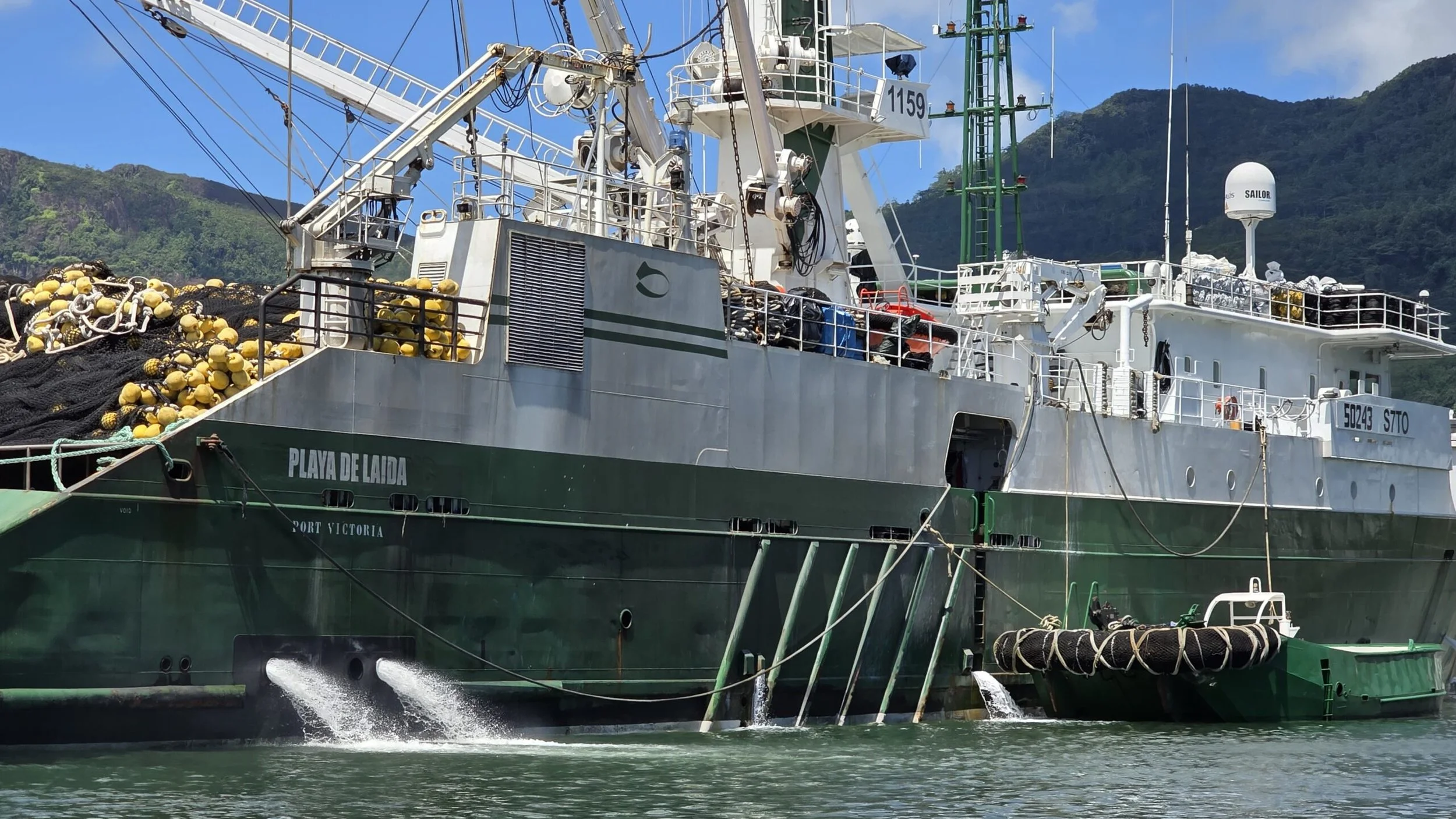
Credit: Jess Rattle, Blue Marine Foundation & Kroll
Over the past ten years, EU-owned vessels have accounted for approximately a third of all tropical tuna fished in the Indian Ocean, which on average is more than 355,000 tonnes annually.
“At first glance it looks like Europe’s industrial tuna fleets have been reducing in the Indian Ocean,” said Benedict Hamilton from Kroll. “In fact, if you unpick the complicated web of ownership it becomes clear that ships that appear to be locally owned in coastal states are in fact ultimately owned by a small number of companies in Europe. Europe’s opportunity to help stop overfishing is greater than first appears.”
This situation creates a sustainability issue as EU vessels tend to rely on Fish Aggregating Devices, which aim to attract large numbers of fish to congregate, leading to even greater overfishing and becoming a threat to the survival of some tuna species.
Local fisheries are also undermined by European involvement, threatening local economies that are often already fragile.
Complicating matters further, many of these vessels are certified by the Marine Stewardship Council (MSC), which assures consumers that the seafood they buy is sustainably produced. This report calls that certification into question.
“The true size of the European tuna purse seine fleet in the Indian Ocean is twice what it appears on paper,” said Jess Rattle, Head of Investigations at Blue Marine Foundation.
“Many of these EU-owned vessels fly the flags of developing coastal states like Kenya, Seychelles and Mauritius, exploiting their quota using harmful drifting fish aggregating devices, all while depriving local fishers and disguising the true ownership of the fleet. To add insult to injury, the vast majority of these vessels are MSC certified, giving consumers a false sense of security when purchasing tinned tuna in the UK and EU.”
The MSC certification has faced allegations of forced labor, human trafficking, and forced criminalisation, as reports have called into question its "blue tick" sustainability certification.
The Blue Marine Foundation also reports that overfishing in the Indian Ocean continues to be a problem, with yellowfin and bigeye tuna particularly vulnerable. The organization is calling for a review of the stock assessment and a ban on Fish Aggregating Devices in these waters.
If you’re inspired to take a stand for animals, join Species Unite’s 30-Day Plant-Powered Challenge. It’s a month of free recipes, tips, and daily emails that help you explore delicious plant-based meals and reduce demand for farmed animals. Sign up here to make a compassionate change, one meal at a time.
We Have A Favor To Ask…
Species Unite amplifies well-researched solutions to some of the most abusive animal industries operating today.
At this crucial moment, with worldwide momentum for change building, it’s vital we share these animal-free solutions with the world - and we need your help.
We’re a nonprofit, and so to keep sharing these solutions, we’re relying on you - with your support, we can continue our essential work in growing a powerful community of animal advocates this year.


A group of British lawmakers is calling on the Ministry of Defence to end the use of real bearskin caps, as new data shows orders for real bear pelts have surged.