
Bestselling plant-based nutrition book 'How Not to Die’ adapted into documentary film
First published in 2015, How Not to Die has become one of the most influential books on plant-based nutrition. Now, its central arguments have been adapted into a documentary film examining the links between diet and long-term health outcomes.
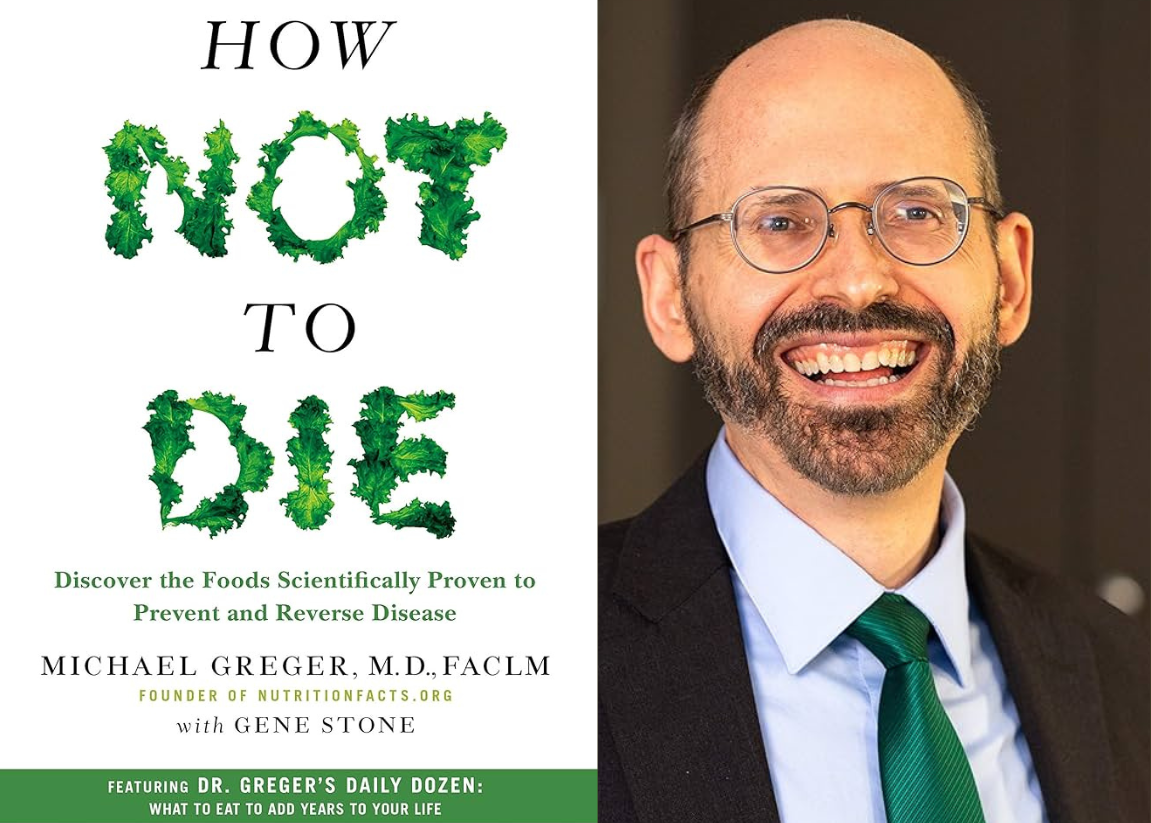
A documentary adaptation of the bestselling nutrition book How Not to Die has been released, bringing its plant-based health message to a wider audience through streaming platform UnchainedTV.
First published in 2015, How Not to Die by physician Michael Greger and author Gene Stone examines the relationship between diet and chronic disease, arguing that long-term health outcomes are strongly influenced by food choices. The book has become one of the most widely read works on plant-based nutrition and health
The documentary draws on the book’s research to explore how diet may affect conditions including heart disease, cancer, diabetes, dementia and other neurological disorders. According to UnchainedTV founder Jane Velez-Mitchell, the film aims to make complex scientific findings more accessible. “The crucial information in this meticulously researched documentary can help people avoid preventable lifestyle diseases,” she said.
Directed by Shaun Monson, known for the documentary Earthlings, the film features interviews with physicians and researchers specialising in lifestyle medicine. Alongside Dr. Greger, contributors include T. Colin Campbell, PhD; Angie Sadeghi, MD; Garth Davis, MD; Columbus Batiste, MD; Caldwell Esselstyn, MD; Michael Klaper, MD; Dean Ornish, MD; Kim Williams, MD; Ayesha Sherzai, MD; and Dean Sherzai, MD, PhD.
The premise of the book How Not to Die starts with Dr. Greger's grandmother, who was given a terminal heart disease diagnosis when Dr. Greger was a child. Sent home to die, she dove into a food and exercise protocol developed by nutritionist Nathan Pritkin. She went on to live another 31 years.
When Dr. Greger examined the relationship between nutrition and later-life illness, he found that most physicians receive limited training on the subject. "Doctors are trained to cure consequences instead of focusing on the cause," the book says, highlighting a lack of information that can reflect on patients' health in a problematic way.
In addition to promoting a plant-based diet, the film highlights lifestyle factors such as physical activity, reduced salt and sugar intake, and adequate hydration, all supported by peer-reviewed research.
The documentary’s release coincides with the anniversary of the book’s publication, offering an alternative format for audiences who may be more inclined to watch than read.
What can you do?
Species Unite’s 30-day challenge sees people swap the animal products in favor of plant-based foods for an entire month. Take the challenge here to receive recipes, support, and advice straight to your inbox.
We Have A Favor To Ask…
Species Unite amplifies well-researched solutions to some of the most abusive animal industries operating today.
At this crucial moment, with worldwide momentum for change building, it’s vital we share these animal-free solutions with the world - and we need your help.
We’re a nonprofit, and so to keep sharing these solutions, we’re relying on you - with your support, we can continue our essential work in growing a powerful community of animal advocates this year.
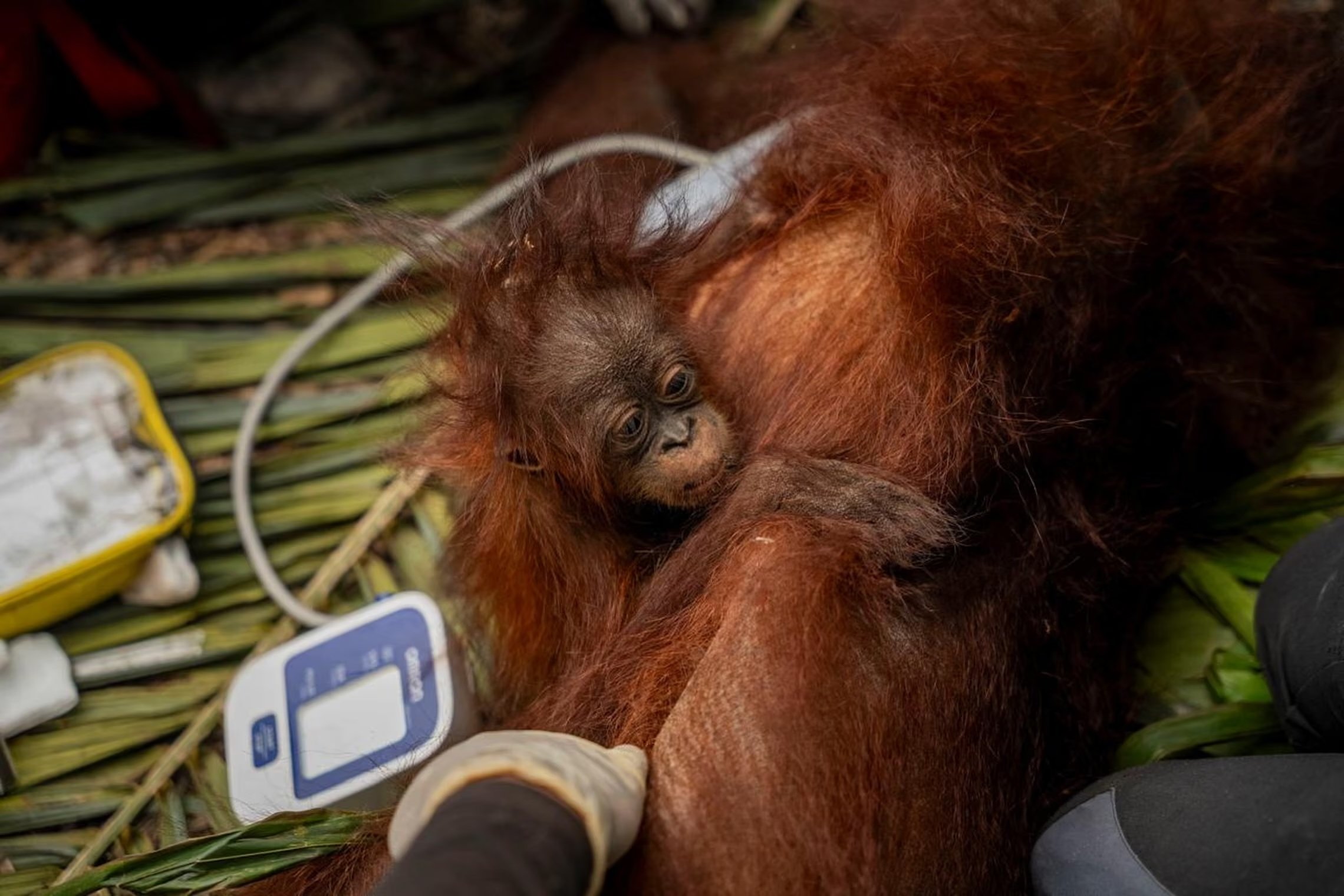

Nearly 200 police officers carried out 24 searches and checked more than 1,000 horses in a Europe-wide investigation into suspected falsified passports and manipulated microchips.