
Why “humane” certifications in fashion are meaningless
Can “ethical” and “responsible” labels really be trusted?
Credit: We Animals
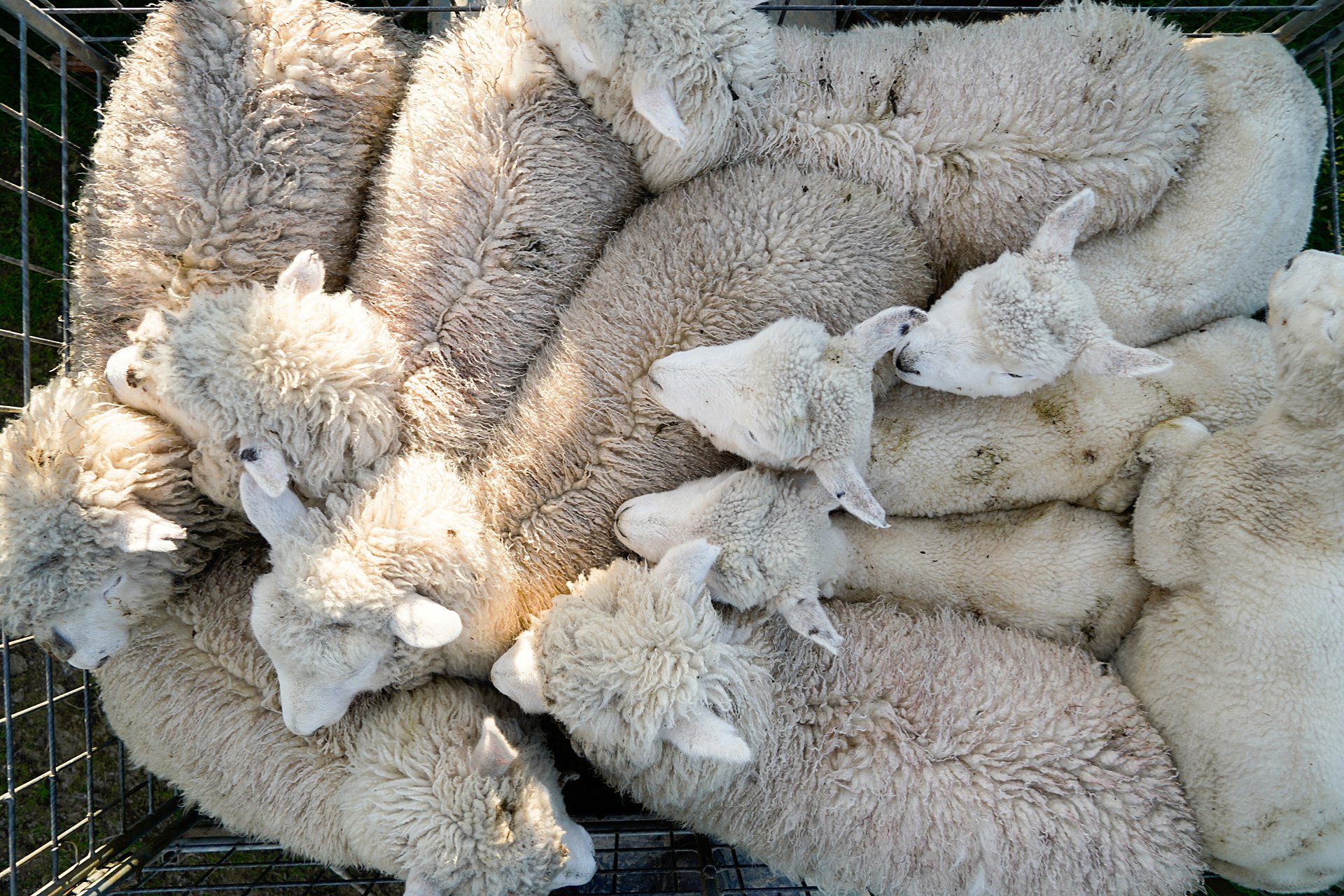
Wool is believed by most people to be a kind, sustainable material. Often touted as “ethical” and “natural”, the wool industry is filled with schemes that are meant to assure humane treatment of the sheep involved. Case in point: the ZQ wool scheme, developed by the New Zealand Merino Company, titling itself “the world's leading ethical wool brand.” One of the highest aims of the scheme is to guarantee high animal welfare, such as prohibiting mulesing, ensuring traceability and following the Five Freedoms for animals. But a recent PETA Asia investigation reveals that things aren't quite as they seem.
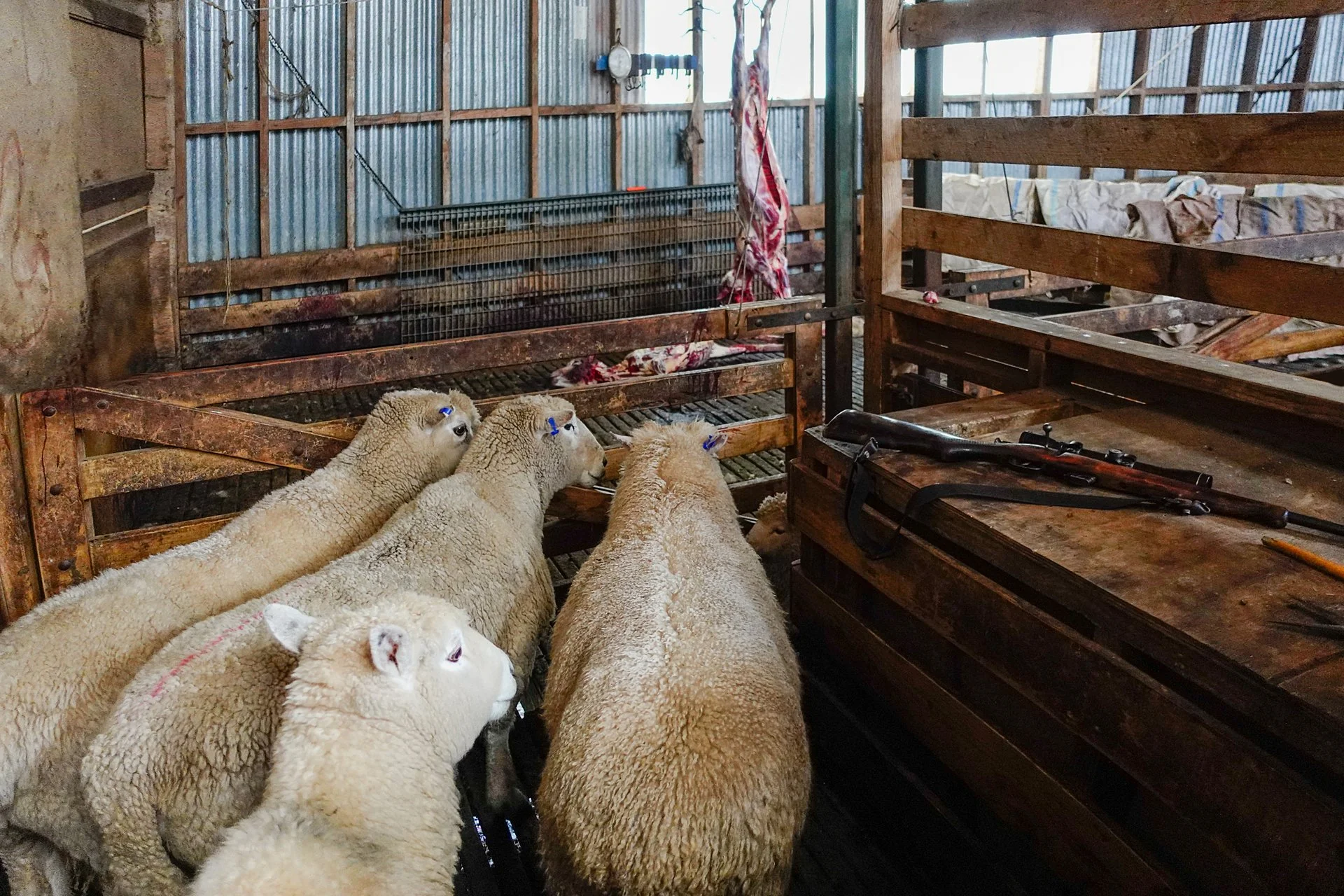
Between 2023 and 2024, PETA Asia investigators went into 11 farms and shearing sheds in New Zealand that produce ZQ-certified wool. They documented shearers beating, kicking, and stomping on sheep, slamming their heads against wooden boards, and whipping them with a variety of objects. Quick, rough shearing (which is routine in mass-production of wool – the Australian RSPCA notes that cuts “inevitably occur” during shearing) led to bleeding wounds which were stitched up without painkillers. Sheep were forced into crowded enclosures and one was smothered to death as a result. A farmer was seen slitting the throat of a conscious animal.
“Sheep are put through immense suffering and agonizing deaths for profit – as if we needed more proof that the wool industry is rotten to the core,” said PETA Vice President Mimi Bekhechi. “PETA urges consumers to ignore sham labels such as ZQ – and if it's wool, leave it on the shelf.” Following the release of the investigation, ZQ has rebranded as Zentera, possibly to distance itself from the allegations.
This is very far from the first time that “responsible” schemes have been called into question when it comes to animal welfare. A notable example is the International Fur Federation's now defunct Origin Assured label, created to reassure consumers that the fur product they were buying was made in a location where regulations assured high animal welfare and humane practices. PETA teamed up with several other animal protection groups in countries that fell under the Origin Assured scheme, creating Cruelty Assured, an investigation that showed the same animal abuse on farms in those countries that has been observed in the trade elsewhere. The Origin Assured certification disappeared from IFF's communications shortly after the release of Cruelty Assured, now replaced with the Furmark certification.
The Responsible Down standard, created by Textile Exchange, is another example of “humane” labelling that could ultimately be failing to protect animals. Most consumers buying on-trend puffer jackets and sleeping on feather-filled bedding are kept in the dark about live-plucking – the practice of harvesting feathers from geese and ducks' bodies while the animals are fully conscious. Plucking is only meant to take place after birds have been slaughtered for meat, but live-plucking still commonly occurs in the down industry – as the supply chain is incredibly murky and complicated, live-plucking can still occur despite reassurances of the contrary. A PETA Asia investigation showed live-plucking still happening on farms in China, despite RDS certifications. “The plucking is done in secret; we're unwilling to pluck openly,” commented a representative. Another added, “We advertised that it’s all plucked after slaughter—nobody dares to buy it if you say it’s live-plucked.” RDS inspections only take place once a year, and are announced in advance.
Credit: We Animals
PETA has also proved that Textile Exchange's Responsible Mohair Standard is rife with failings: a PETA Asia investigation in South Africa and Lesotho, implicating brands like Paul Smith, found workers hitting goats with brooms and poles, dragging them by their horns and legs, and pinning them to the ground. The animals were visibly distressed and showed signs of fear and pain. The shearing process was as violent and rough as what's been documented previously in the wool industry – and in PETA's previous 2018 exposé into mohair production. PETA is calling on Paul Smith to ban mohair from its collections.
The tricky thing is that even when followed to a tee, welfare standards often leave a lot to be desired. When talking about animal castration, for example, language such as “pain relief shall be used when suitable pain relief is available” also opens the door for farmers to claim they had none available, so castration took place without. Slaughterhouses are often also not covered by the standards (the Responsible Mohair Standard, for example, applies to slaughterhouses only “optionally”). Under this limitation, anything can be done to animals during slaughter and their bodies are still sold as “certified” and “humane.” The Five Freedoms themselves are very vague: “ensuring conditions and treatment which avoid mental suffering,” for example, can mean very different things to different people, as can “providing sufficient space and proper facilities.” Without clear guidelines, these standards risk becoming lax and arbitrary.
From wool to mohair, down to fur, fashion supply changes seem to be filled with problematic treatment of animals – and the certifications in place to protect them don't appear to always be doing their job. With consumers unable to trust these schemes, how can they be certain they aren't buying into animal cruelty? Organisations like Four Paws advocate for a reduction of the use of animal products, whereas organisations like PETA and Collective Fashion Justice campaign for the complete elimination of animals from fashion supply chains.
Unlike third-party certifications that operate under the vague assurance of “humane treatment”, a vegan label isn't messy or murky – all it guarantees is that the item is animal-free, which is relatively simple to verify. The PETA-Approved Vegan scheme lists brands that make fashion that's vegan down to the smallest components such as glues. The Vegan Society's Vegan Trademark also extends to clothing, guaranteeing that no animal-derived substances were involved in the product. Increasingly, as it seems that the assurances in place to protect animals in fashion aren't working, the only way to go is towards a future without animal-derived clothing at all.

Written by Sascha Camilli
Sascha Camill is a writer, speaker and vegan fashion expert. She founded the world's first digital vegan fashion magazine Vilda, and is the author of Vegan Style: Your Plant-Based Guide to Beauty, Fashion, Home & Travel. Her podcast, Catwalk Rebel, is out now.
We Have A Favor To Ask…
Species Unite amplifies well-researched solutions to some of the most abusive animal industries operating today.
At this crucial moment, with worldwide momentum for change building, it’s vital we share these animal-free solutions with the world - and we need your help.
We’re a nonprofit, and so to keep sharing these solutions, we’re relying on you - with your support, we can continue our essential work in growing a powerful community of animal advocates this year.


A cleaner New York Harbor has drawn hundreds of humpback whales back to its waters for the first time in generations, but the same busy port that welcomes them is also killing them.