
‘Like sending people to Rikers Island for vacation’: inside the monkey breeding company now running its own retirement program
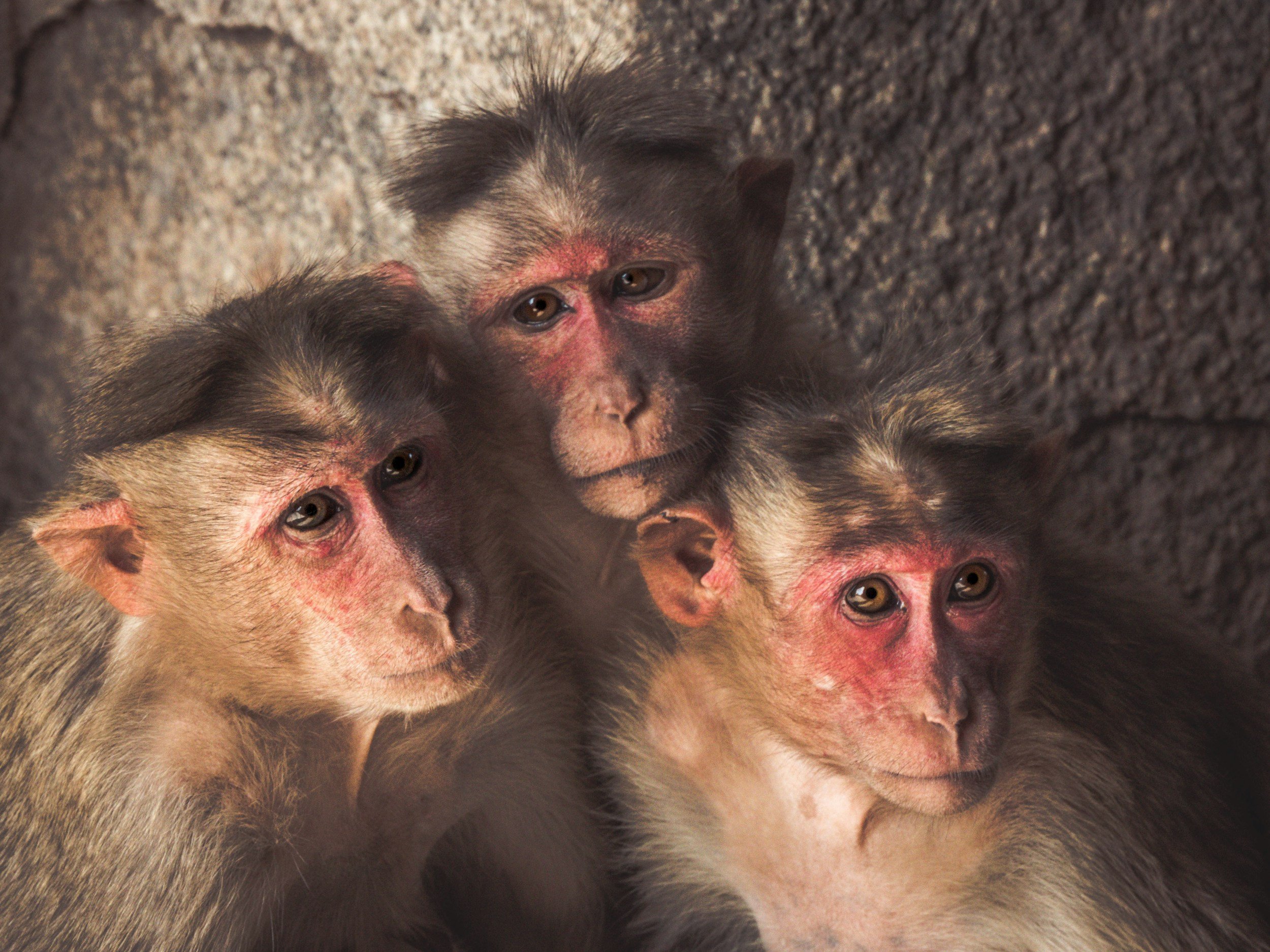
Alpha Genesis, the largest nonhuman primate breeding and research services organization in the United States, announced a long-term research-animal retirement and lifetime-care program in January 2026. Designed to provide lifelong care for monkeys no longer needed in medical experiments, the program seeks to answer a question the research industry has long avoided: what happens to primates once the experiments end. Not everyone agrees the program has found the right answer.
The announcement has raised questions from animal welfare organizations about what “retirement” actually means when it is defined by a company in the business of breeding and supplying research primates. This is also the same company that has been in the crosshairs for serious animal-welfare violations and negligence.
In November 2024, 43 primates escaped through a series of doors at the company’s Yemassee campus and into the wild. That same month, 22 animals died from carbon monoxide exposure. Other violations included documented moldy food and debris-covered items in monkey enclosures, as well as deaths caused by entrapment in enclosures and by fighting. The breeding facility has held contracts with the National Institutes of Health (NIH) of over $19 million, with animal rights organization People for the Ethical Treatment of Animals (PETA) calling for the termination of those contracts. In 2025, Stop Animal Exploitation Now filed a federal complaint against Alpha Genesis, which contained necropsy results of more than a dozen primates from Alpha Genesis who had to be euthanized due to trauma.
According to Alpha Genesis, relocating to a sanctuary is simply not an option for the primates because of the number of primates that need to be rehomed. With the cancellation of nearly $28 million in federal grants for animal testing in 2025 and the phasing out of research on live animals, research centers are unable to maintain aging nonhuman primate colonies, creating a need for some form of retirement for these primates.
In a press release, the Chief Executive Officer of Alpha Genesis, Dr. Greg Westergaard, said, “Nonhuman primate retirement is not simply a relocation exercise.” He added. “It is a multi-decade obligation that requires continuous veterinary care, infectious disease control, behavioral management, physical infrastructure, regulatory compliance, and stable long-term funding. No sanctuaries were ever designed to deliver that level of care at national scale.”
Instead, the organization claims to operate “large, purpose-built, USDA-licensed facilities with integrated veterinary hospitals, quarantine capacity, behavioral management programs, and deeply experienced professional staff.”
Westergaard said that sanctuary environments lack the infrastructure to support aging research animals with chronic disease, specialized nutritional needs, or lifelong clinical monitoring.
But what does retirement mean when the animals never leave the facility that bred them? In its conventional sense, the word implies permanent removal from the working environment, and for research animals, that has historically meant a transfer to a sanctuary or non-research setting.
“Rebranding Alpha Genesis as a so-called retirement home for monkeys is like saying people are sent to Rikers Island for vacation.”
For critics, the new model that Alpha Genesis is offering raises questions about what meaningful retirement looks like. The nonprofit animal rights organization Rise for Animals worries that Alpha Genesis is not selling sanctuary or retirement, but rather warehousing. The animal rights organization writes, “For animals exploited in laboratories, retirement is supposed to mean sanctuary. It is supposed to mean the end of experimentation, permanent removal from the research pipeline, and the beginning of whatever peace is still possible after years of suffering.”
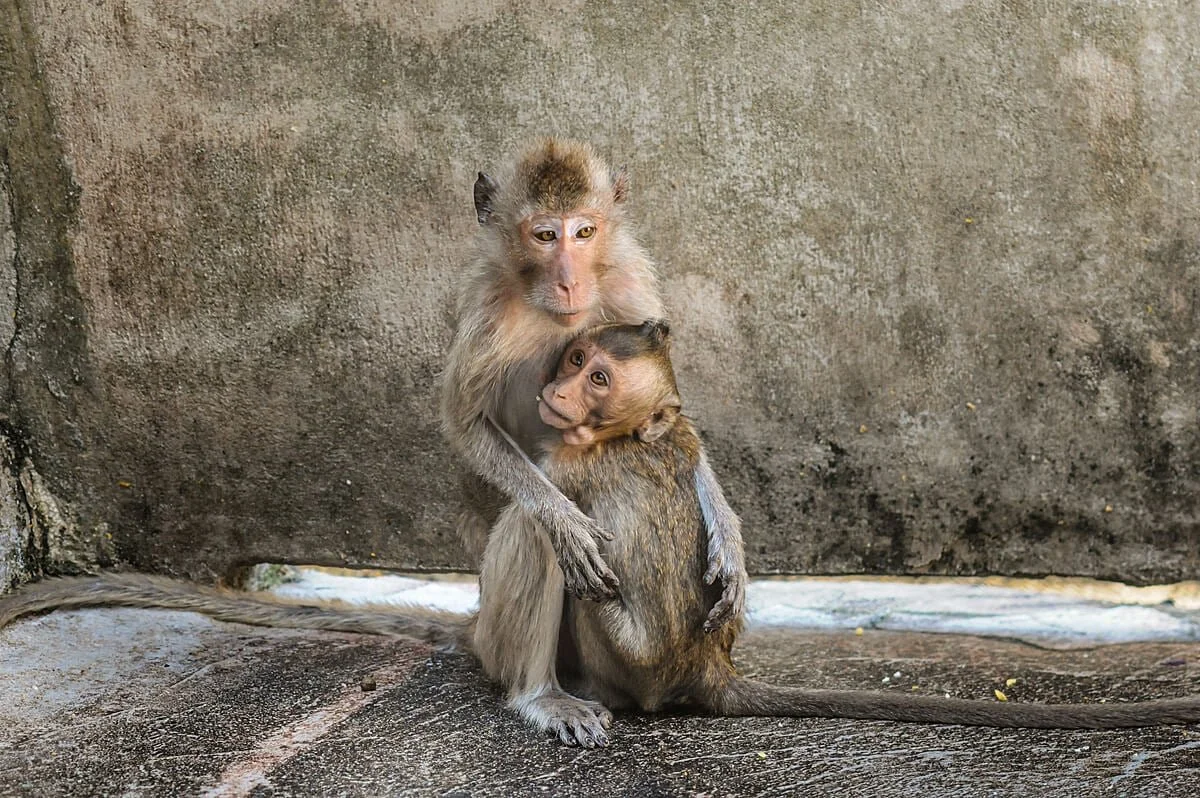
Credit: Jo-Anne McArthur/We Animals
Marymount University psychology professor Stacy Lopresti-Goodman, who has experience evaluating monkeys for post-traumatic stress disorder after they have left laboratory settings, argues that retirement within a research facility differs from an independent sanctuary. Lopresti-Goodman said, “Rebranding Alpha Genesis as a so-called retirement home for monkeys is like saying people are sent to Rikers Island for vacation.”
The debate here is not whether the primates will receive care but rather what kind of care qualifies as retirement. Historically, lab research primates are euthanized or transferred to a sanctuary. Sanctuaries accredited by the Global Federation of Animal Sanctuaries (GFAS) generally provide lifelong housing and have policies that prohibit breeding and commercial use. The goal of sanctuaries within the GFAS is to provide an environment centered on animal welfare rather than research objectives. While sanctuary space is limited, established sanctuaries demonstrate that retirement outside research facilities is possible. For example, Chimp Haven, the world's largest chimpanzee sanctuary, under the Chimpanzee Health Improvement Maintenance Protection (CHIMP) Act, provides lifelong care for primates from former biomedical research. This sanctuary has facilities that allow chimps to experience the joys they would have in the wild, including climbing trees, exploring, and living in bonded social groups. Other sanctuaries, such as the Center for Great Apes in Florida and Born Free USA, are also examples of a sanctuary retirement model outside research systems that care for former research primates in environments where breeding and commercial use are prohibited.
Alpha Genesis’s program appears to take a different approach. Rather than transferring primates to an external sanctuary, they will remain within the broader infrastructure but will not participate in active research.
For Liz Tyson, the director of animal welfare and advocacy at Born Free USA, this retirement plan is a source of concern. She argues that retired monkeys could be “pulled back into research at the whim of researchers.”
Tyson's concerns appear well-founded. In its own press release, Alpha Genesis states that maintaining retired research animals "within the regulated research ecosystem preserves domestic capacity, institutional expertise, and biological resources that may be essential during future public health or biodefense emergencies."
Alpha Genesis's program highlights how terms like retirement, rescue, and sanctuary mean very different things depending on who is using them. For animal advocates, these words imply removal from research systems, whereas for research institutions, they mean continued care within the same system. The debate is now about who gets to define the terms used to describe life after research. Until those terms are defined independently of the institutions profiting from them, the animals have no guarantee that retirement means anything at all.
To understand more about the world of primate breeding and experimentation in the United States, watch Species Unite's documentary, 30,000 Monkeys in Our Backyard, which follows a community's fight against a proposed industrial-scale primate facility. Watch it here.

Written by Jason Collins
Jason Collins is a writer and editor with more than ten years of experience and a bachelor’s degree in English. A lifelong animal lover, he is drawn to stories about the connection between people, animals, science, and the natural world. His work focuses on helping readers see other species with more care and curiosity, while connecting everyday choices to a kinder future for animals.
We Have A Favor To Ask…
Species Unite amplifies well-researched solutions to some of the most abusive animal industries operating today.
At this crucial moment, with worldwide momentum for change building, it’s vital we share these animal-free solutions with the world - and we need your help.
We’re a nonprofit, and so to keep sharing these solutions, we’re relying on you - with your support, we can continue our essential work in growing a powerful community of animal advocates this year.


Some developers suggest that adopting cultivated meat could also improve animal welfare by significantly reducing the number of farmed animals slaughtered.