
Festival season is here, so it's time to talk about feathers
Feather boas and trims are a festival staple, but most consumers don't know what they're actually made of, and the labels rarely help. Here's what you need to know.
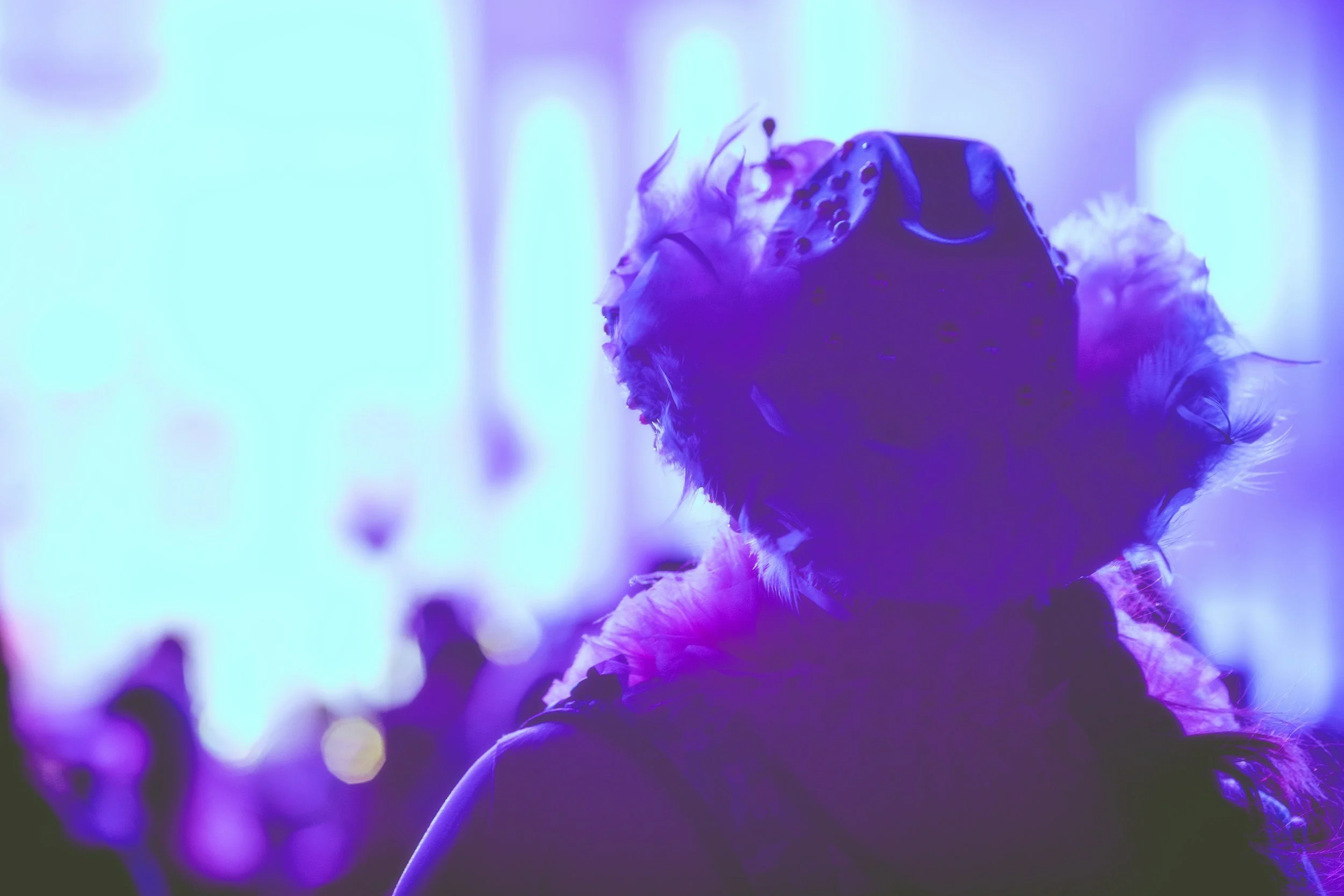
It's summer and festival season is kicking off, which means that boho-inspired, party-ready fashion will be taking over fashion editorials and social media feeds. Feather boas and garments with feather trims have long been synonymous with the vivacious, maximalist attitude of festival attire – but there is a dark side that lurks behind every reel of an influencer twirling a bright, fluffy boa at the camera.
Feathers have been part of the human costume tradition for centuries, originating in the Middle Ages. From use in Native American headdresses and Venetian masks to modern rave culture, feathers have been present in wardrobes across continents and across eras. In today's festival fashion, they are used to add to the theatrical, carefree ambiance. But as countless festival-goers pair a feather stole with some denim cut-offs or reach for a dress with a colorful feather trim, most do so believing that the feathers they are wearing are faux – whereas the reality is very different.
When fashion campaign organization Collective Fashion Justice polled consumers in the UK and Australia, only 12 percent of people polled correctly identified ostrich feathers. Most consumers indeed believed that they were being presented with faux feathers. But the reality is that synthetic imitations aren't that common, and most feather stoles and feathered garments in commerce today are indeed made from birds.
The labels customers rely on can be deceptive. A garment or accessory labelled “marabou” most often will not contain feathers that came from the marabou stork. While these feathers used to originate from the sub-Saharan scavenger bird, today almost all of them come from factory-farmed turkeys and chickens. The term “marabou” now refers more to the style, look and feel of the feather than the origin. Most commonly, these popular feathers came from birds who lived their entire lives in factory farm conditions, which involves extreme crowding, risk of diseases, leg deformities and heart attacks, all of it leading up to a terrifying death at the slaugherhouse.
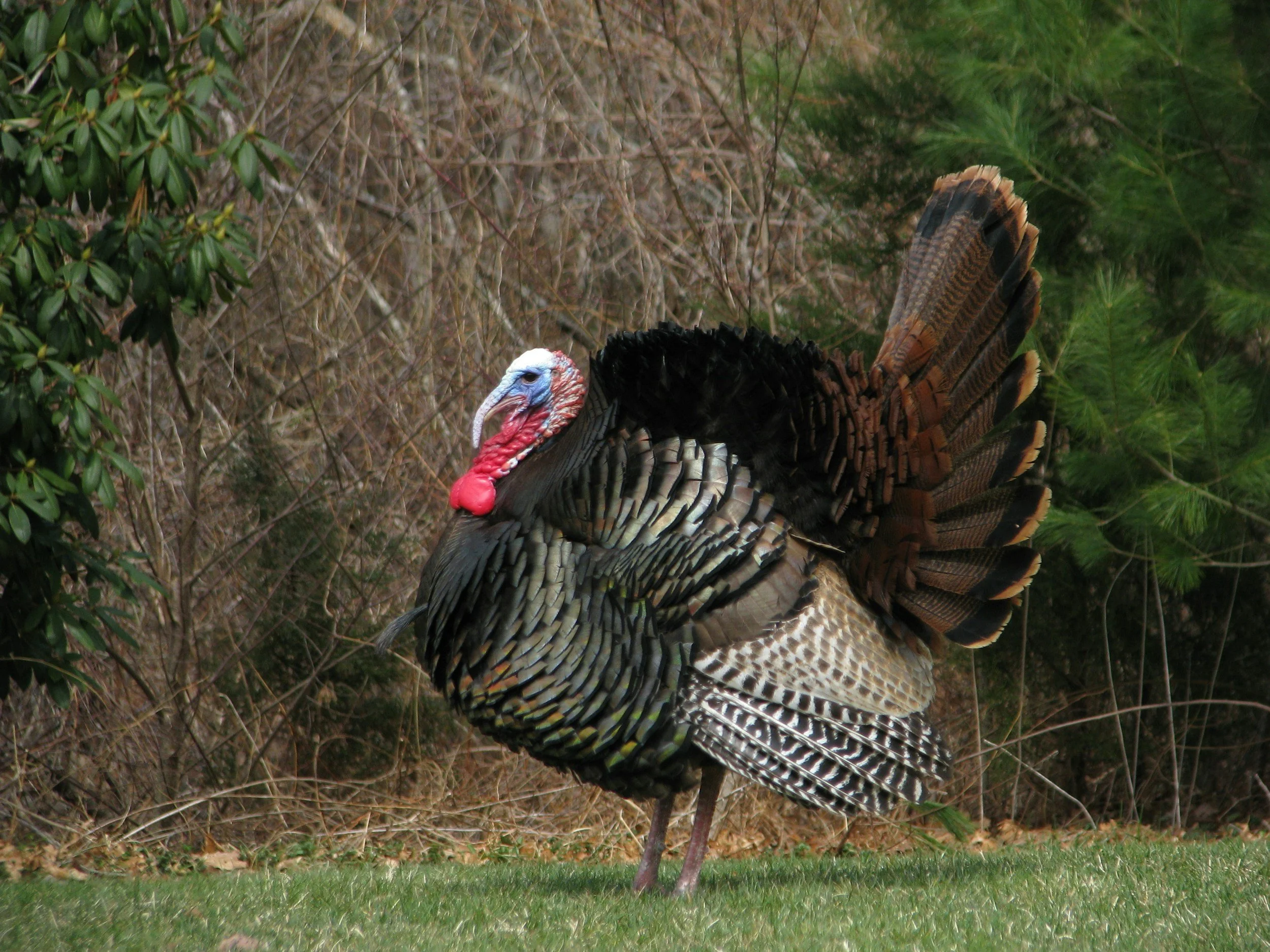
The US farms and kills approximately 10 times more birds than any other animal, and tens of billions of chickens are killed for food every year. The welfare issues many of these animals face are staggering: confined to a space that is sometimes not bigger than an A4 sheet of paper, they are denied natural behaviour such as socialization (chickens naturally have a complex social hierarchy that can never be replicated in a factory farm) and commonly forced to undergo surgical procedures without pain relief. Broiler chickens (those raised for meat) are subjected to genetic manipulation to make their bodies more profitable at the expense of their health – due to their abnormally large bodies, they can suffer from muscle diseases and deformities.
The feathers believed to be “faux” or labelled with the exotic name “marabou” are often also sourced from turkeys. Over 205 million of these animals are raised every year in the US for consumption. They are slaughtered at four to six months old, whereas their natural lifespan is around ten, sometimes up to 15 years. Due to the conditions they are held in for their entire lives, they can suffer from broken bones, their joints are inflamed, and they can sometimes not even stand. As they too are bred to have unnaturally large bodies, their hearts and lungs also suffer – conditions quite similar to those of chickens. And don't be fooled by labels and certifications: “accredited humane” farms have often been the subject of undercover investigations showing that conditions really aren't any different from non-certified facilities. “Every night, at every farm the crews worked at, these men threw turkeys, viciously kicked and stomped on them, and killed them in the most rampant, top-to-bottom display of cruelty to farmed animals we’ve ever seen,” says Dan Paden, a PETA vice president, about a “welfare certified” farm in Pennsylvania that the group investigated. Time and time again, it has been proven that certifications and assurances do not protect animals on factory farms from suffering – and while this largely applies to meat, we need to include fashion in the equation too.
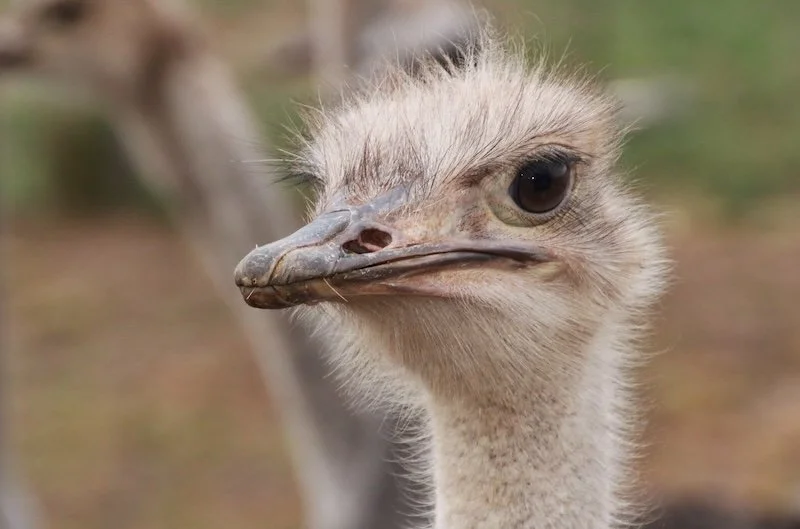
Ostrich feathers may not be as common in festival fashion, but abuse has been documented in this industry too. An undercover investigation by PETA Asia in South Africa showed workers force young ostriches into stun boxes before slitting their throats in full view of the other birds, before the feathers were torn from their bodies. Live-plucking (a practice where feathers are plucked from the birds' bodies when they are still alive) has also been documented in the industry. Ostriches are killed at just one year of age, while in nature they could live up to 40 years.
Bird-free feather options are rising on the market – British material innovation company Fevvers has launched a fully plant-based, plastic-free feather option that was debuted by Stella McCartney at Paris Fashion Week. Even before that, Blue District's “ostrich” feathers made from bamboo were already making waves in fashion press and on social media. Faux fur manufacturer Ecopel has also experimented with feathers made from recycled materials. But as with many new innovations, for the moment these options mainly exist at the top of the fashion spectrum, with the price points of high-end fashion. When it comes to options abundantly available to most festival-goers, faux feathers are nearly non-existent. As bird feathers are so cheap, very few manufacturers venture into low-cost alternatives.
Festival fashion can still be glamorous, frivolous, and vibrant without feathers. Boho-inspired fringed jackets, floaty maxi dresses, and statement jewellery can all be part of the carefree, vivacious nature of festival atmosphere.
Festival fashion has always been about self-expression and freedom. The materials we choose to wear can reflect that — for the birds as much as for ourselves.
Luxury French fashion house Chanel has made significant progress in eliminating abusive materials from its collections since announcing in 2018 that it would stop using fur and exotic skins. However, seven years later, the brand is still participating in a deeply cruel and often overlooked form of animal abuse in the fashion industry by continuing to use ostrich feathers in its designs. Please join Species Unite in calling on Chanel to make the ethical and compassionate choice by ditching feathers now. Sign the petition here.

Written by Sascha Camilli
Sascha Camill is a writer, speaker and vegan fashion expert. She founded the world's first digital vegan fashion magazine Vilda, and is the author of Vegan Style: Your Plant-Based Guide to Beauty, Fashion, Home & Travel. Her podcast, Catwalk Rebel, is out now.
We Have A Favor To Ask…
Species Unite amplifies well-researched solutions to some of the most abusive animal industries operating today.
At this crucial moment, with worldwide momentum for change building, it’s vital we share these animal-free solutions with the world - and we need your help.
We’re a nonprofit, and so to keep sharing these solutions, we’re relying on you - with your support, we can continue our essential work in growing a powerful community of animal advocates this year.



A cleaner New York Harbor has drawn hundreds of humpback whales to its waters - but the same busy port that welcomes them is also killing them.