
The hidden deforestation in your wardrobe
From the Amazon to Australia to Indonesia, the fashion industry's appetite for animal materials is leaving a trail of destruction that no certification scheme has yet managed to stop.
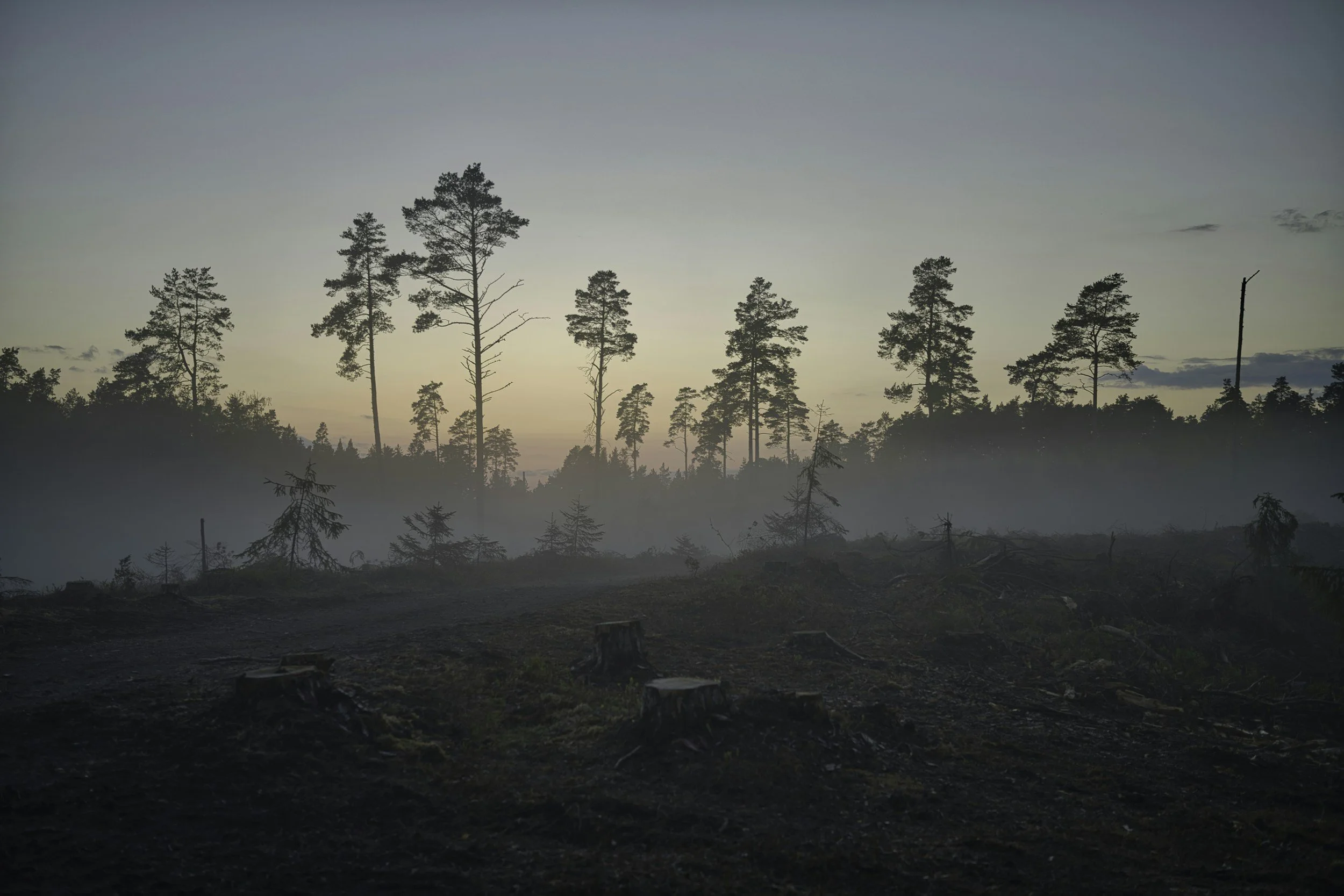
Leather suppliers that work with fashion brand Coach were linked to illegal cattle ranching in Brazil in an investigation by Earthsight just last year. The investigators uncovered ties between Coach's leather to cattle slaughtered by Brazilian meatpacking company Frigol, which has been connected to environmental damage and abuse of indigenous people's rights. The company has been known to purchase animals raised on land that has been illegally deforested, such as land belonging to the Apyterewa Indigenous Territory in the Parà state in Brazil. The investigation indicated that leather from these areas was shipped to Coach to be made into luxury leather goods. Coach did not comment at the time of the investigation’s release, but its parent company Tapestry said that the system for tracking raw materials in Brazil is "complex and imperfect," and added that they are working to be "part of the solution to improve traceability and transparency."
Coach is far from the only fashion brand implicated in deforestation. A separate report from Stand.earth also found that leather supplied to some of the biggest fashion brands in the world, such as Louis Vuitton, Prada and H&M, were connected to deforestation in the Amazon rainforest.
“We were astonished,” Greg Higgs, director of research and investigations at Stand.earth, told Vogue. “We knew there would be some kind of connection but [we were shocked by] the sheer number of brands [that we linked to deforestation in the Amazon]. This is implicating the entire industry.”
And leather is only part of the story. Wool, viscose, and other materials that fill the average wardrobe are driving forest destruction on a scale the fashion industry has been slow to acknowledge, and slower still to address.
What exactly is deforestation - and why is it so bad?
Deforestation is one of many ways that humans are encroaching on the natural world. Every year, millions of hectares of forests globally are cleared to make space for human developments and industries. Trees and forests are vital to all life on Earth: they provide oxygen through the process of photosynthesis, stabilize the soil and can act as carbon sinks, sequestering carbon from the surrounding atmosphere. This helps mitigate the climate crisis – but when trees are burned or cut down, the carbon is released back into the atmosphere. Forests are also home to countless species of plants and animals, who are threatened when trees are cut down.
Mining, drilling, and settlements are among the industries behind deforestation - but agriculture is a key driver, responsible for over 70 percent of global deforestation. Tropical forests are suffering the most: it is estimated that 80 percent of deforestation in the Amazon rainforest is linked to cattle ranching, an industry that is not limited to the beef trade – leather is also part of cattle ranching, and has had proven, clear ties to deforestation. The Leather Working Group has set a target for all leather in certified supply chains to be deforestation-free by 2030, but even they admit that this is a “tough target – especially given the complex relationship between cattle farming and leather production.” The sheer quantity of leather produced will create obstacles for that goal – 1.5 billion square meters of leather is produced every year, with 270 million bovine hides generated. Though leather is a co-product of the meat trade, it exists due to demand, not as a recycling initiative: the market was worth $531 billion in 2025.
What about other materials?
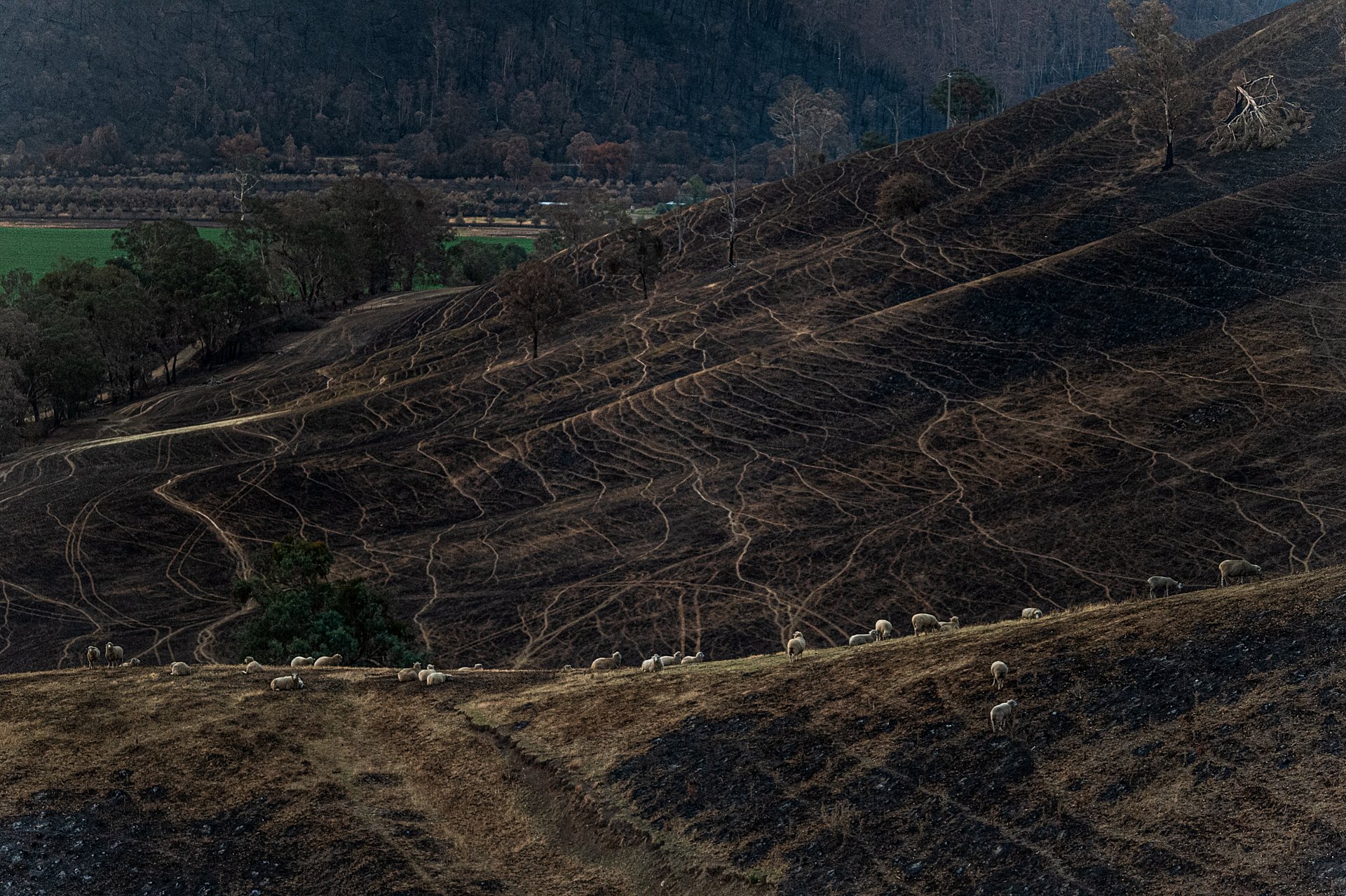
Wool is not innocent, either. Australia, one of the world's biggest wool producers, is the only developed nation on WWF's list of deforestation hotspots. After cattle farming, the biggest driver of deforestation in Australia is sheep farming. In an article for ABC, WWF conservation biologist Dr Martin Taylor noted that “Eighty-five per cent of it is just for beef cattle pasture or for sheep pasture.”
The damage extends beyond deforestation. In the UK, sheep farming is affecting biodiversity and natural landscapes in areas like Dartmoor, a national park area in Devon. At Dartmoor’s protected sites, 26 out of 22,494 hectares were found to be in an ecologically favorable condition – meaning that only 0.1 percent of the area is biologically healthy. Broadcaster, campaigner and television presenter Chris Packham has spoken out against the mismanagement of sheep grazing in the area, highlighting that overgrazing is leaving the area “denuded of wildlife”.
Credit: We Animals
No discussion of fashion and deforestation is complete without viscose. The Guardian reports that 300 million trees are logged each year for the production of the semi-synthetic fiber made from tree pulp. Strong and resistant as well as smooth and breathable, viscose is the world's third most used textile. Large amounts of viscose come from forests in Brazil, Canada and Indonesia – in fact, 30 percent of all viscose in the world comes from forests that are endangered, ancient, or protected.
“Significant amounts of viscose come from endangered forests in Brazil, Canada and Indonesia,” Nicole Rycroft, founder of forest-protection organization Canopy, told the Guardian. “We’ve also noted old-growth forests in Australia – koala habitats – disappearing into the viscose supply-chain. And it’s coming from plantations in Indonesia on peatlands that are incredibly high-carbon.”
What’s the solution?
Brands that are taking steps towards deforestation-free viscose include Stella McCartney, whose use of wood pulp-based textiles originates in private forests and is fully traceable, or derives from post-consumer recycled wood pulp. Fabrics such as Lenzing's Tencel, which also come from wood-pulp cellulose, are made to counteract deforestation by only using sustainably managed forests, including those that fulfill Forest Stewardship Council's Controlled Wood criteria or Programme for the Endorsement of Forest Certification standards.
Solving deforestation in fashion means steps like these – but it also means moving away from animal-derived materials. The meat industry is partly to blame for deforestation for cattle ranching and sheep farming, but the size of the wool and leather trades means that fashion cannot deny its responsibility.
One company that is solving the issue is Caxacori, whose Shiringa Bio-Leather is made with latex deriving from shiringa trees in the Amazon rainforest. Crafted by the Awajún people in Peru, Shiringa Bio-Leather can be entirely free from fossil fuels and helps preserve its habitat: the Peruvian government has granted this community of Awajún people reserve status, meaning that their land is protected from deforestation.
“I think this project involves many people and can lift many out of poverty,” the founder of Caxacori, Jorge Cajacuri, has said. His aim is to scale the project to more native communities. “That’s the way to scale the impact of bio-leather in the jungle: more families, more forest to preserve.” And as pressure on the world's forests continues to grow, Caxacori's model may offer one of the most promising alternatives yet.
Every purchase is an opportunity to move demand away from an industry built on animal suffering and environmental destruction. Join Species Unite in taking the leather-free pledge here.
Plus, if you need some extra inspiration, check out these Species Unite Animal-Free Fashion guides:

Written by Sascha Camilli
Sascha Camill is a writer, speaker and vegan fashion expert. She founded the world's first digital vegan fashion magazine Vilda, and is the author of Vegan Style: Your Plant-Based Guide to Beauty, Fashion, Home & Travel. Her podcast, Catwalk Rebel, is out now.
We Have A Favor To Ask…
Species Unite amplifies well-researched solutions to some of the most abusive animal industries operating today.
At this crucial moment, with worldwide momentum for change building, it’s vital we share these animal-free solutions with the world - and we need your help.
We’re a nonprofit, and so to keep sharing these solutions, we’re relying on you - with your support, we can continue our essential work in growing a powerful community of animal advocates this year.


From the Amazon to Australia to Indonesia, the fashion industry's appetite for animal materials is leaving a trail of destruction that no certification scheme has yet managed to stop.