
Shark finning regulations have failed to reduce the global fin trade, study finds
Despite widespread international legislation banning shark finning, a new study has found that global trade in shark fins remains largely unchanged.
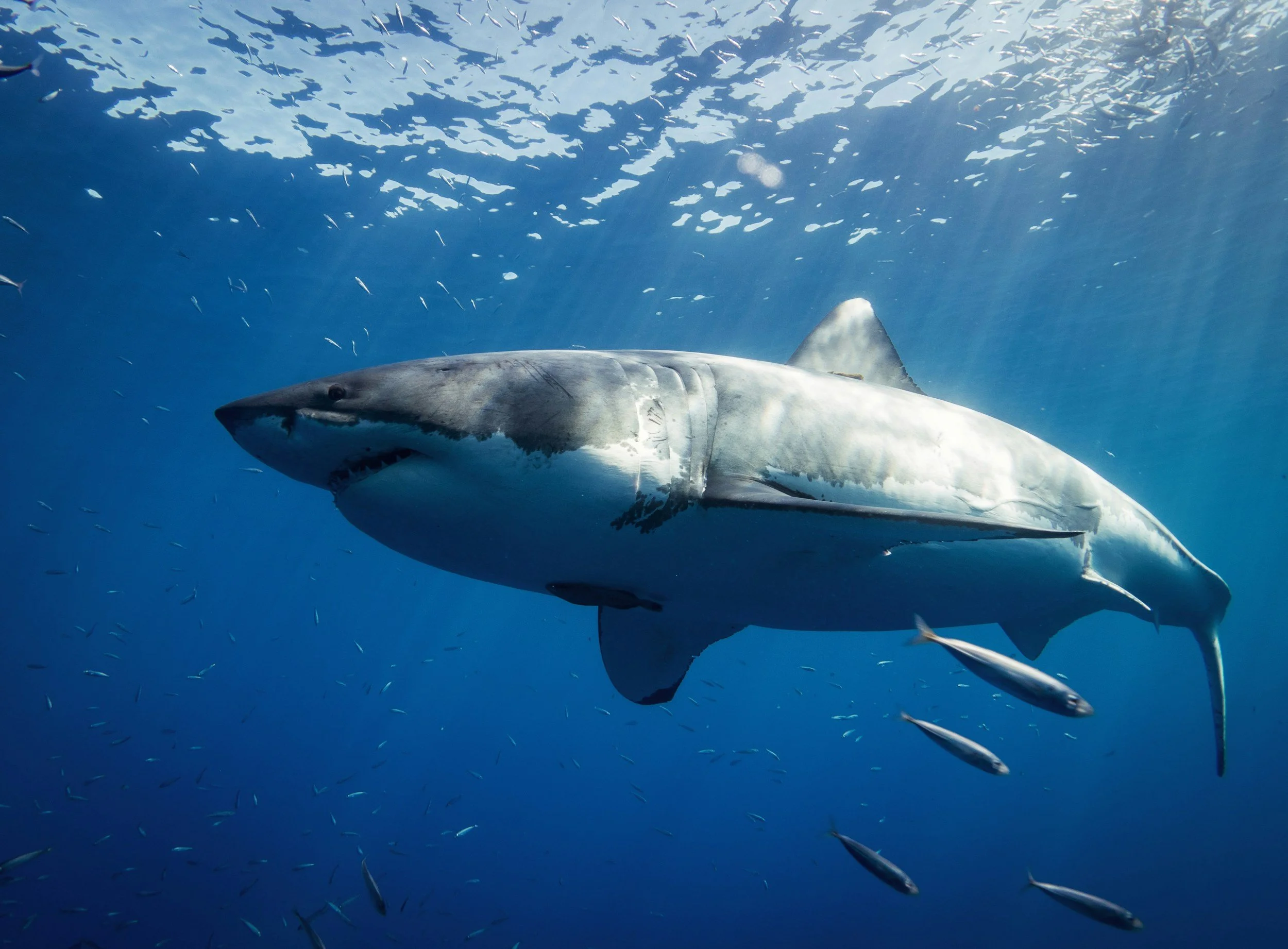
Shark finning regulations have failed to curtail the global trade in shark fins, despite significant policy changes over recent decades, according to a new study published in Nature Communications.
The research, led by UC Santa Barbara, Renmin University of China, and The Nature Conservancy, found that exports, imports, trade partners, and consumption have largely remained unchanged since finning bans came into effect, suggesting the market is more complex than previously believed.
“Our findings are an important warning that real-world changes along the supply chain of shark products are much more complicated than we would have thought,” said co-lead author Kaiwen Wang, an economist at Renmin University of China.
Shark finning is the practice of slicing fins from sharks' bodies, often while the animal is still alive, and discarding the carcass overboard. As sharks cannot swim effectively without their fins, the practice leads to a slow death from suffocation, blood loss, or predation. Fins are most commonly used in shark fin soup, considered a delicacy in East Asian cuisines.
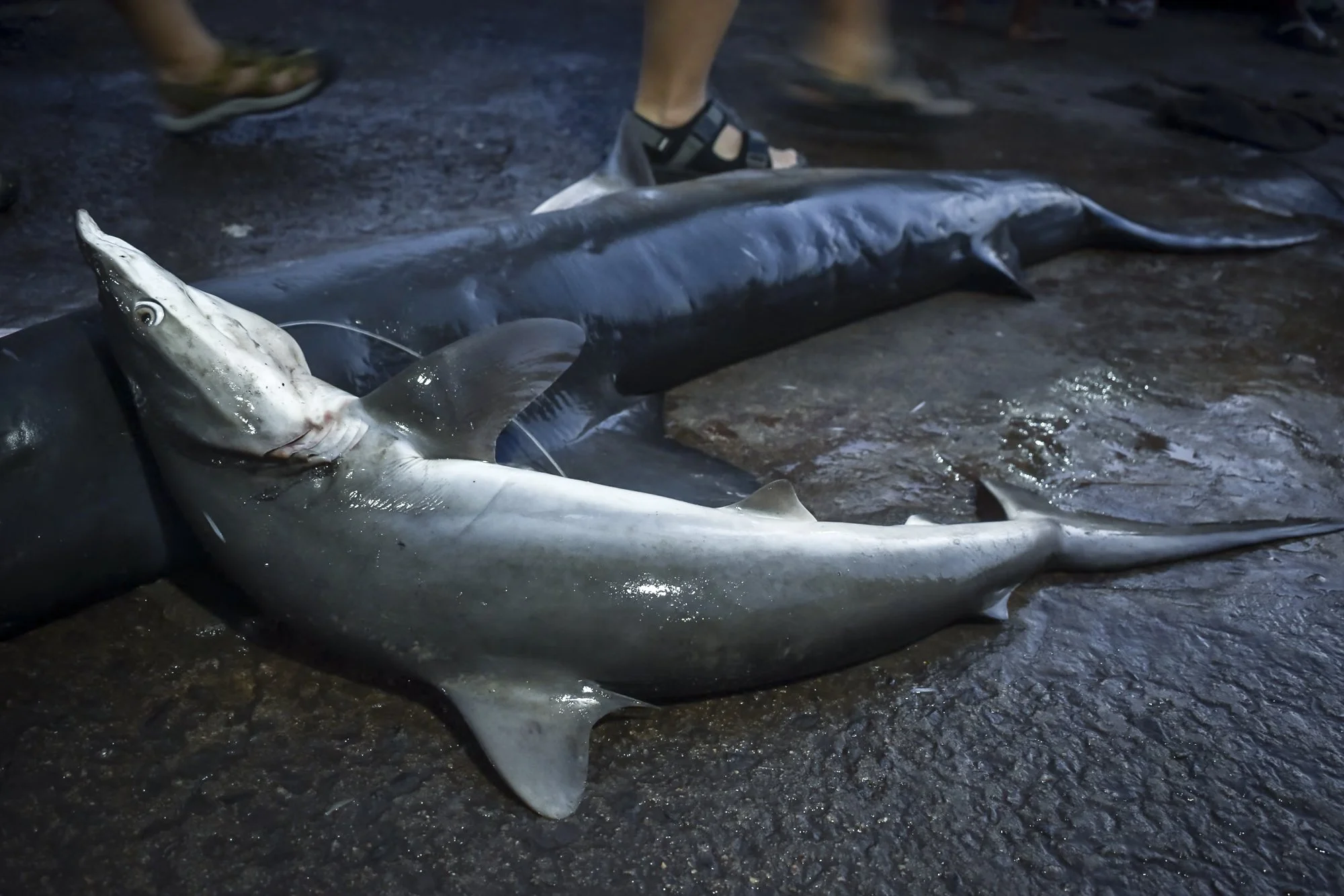
Photo: Moving Animals
To counteract the effects of shark finning, governments have introduced regulations requiring fishers to carry shark carcasses with the rest of the animal’s body attached, in the hopes of making finning less lucrative.
However, until recently researchers were not able to match the catches with trade channels. To bridge the gap, the team worked with Aquatic Resource Trade in Species dataset (ARTIS), which connects fishery information with trade records, offering a more complete view of the journey of a shark product from capture to market. The team measured trade patterns in countries before and after finning regulations came into force, comparing with countries that had no such legislation.
“Many shark species face extinction because they’re frequently caught by fisheries — sometimes on purpose and sometimes [by] accident,” said Echelle Burns, a project scientist at UC Santa Barbara’s Environmental Markets Lab (emLab).
As sharks have slow growth rates and have limited reproduction rates, their population is particularly at risk from overfishing. The International Union for Conservation of Nature (IUCN) Red List estimates that over one-third of all shark species are now threatened with extinction.
It is estimated that around 100 million sharks are killed each year due to demand for a variety of products such as shark fins, oil, flesh, and cartilage. This large-scale removal of apex predators can threaten entire marine ecosystems.
Why is the U.S. agency charged with protecting marine life helping legitimize the killing of sharks for sport? National Oceanic and Atmospheric Administration (NOAA) Fisheries registers shark-fishing tournaments. It collects their data. It has defended their value. And recently, it proposed weakening protections for Atlantic shark species already under pressure. Join Species Unite in calling on NOAA Fisheries to stop legitimizing shark-fishing tournaments and to develop policies that reflect modern conservation science. Sign the petition here.
We Have A Favor To Ask…
Species Unite amplifies well-researched solutions to some of the most abusive animal industries operating today.
At this crucial moment, with worldwide momentum for change building, it’s vital we share these animal-free solutions with the world - and we need your help.
We’re a nonprofit, and so to keep sharing these solutions, we’re relying on you - with your support, we can continue our essential work in growing a powerful community of animal advocates this year.



A group of British lawmakers is calling on the Ministry of Defence to end the use of real bearskin caps, as new data shows orders for real bear pelts have surged.