
US government rejects endangered species protection for long-tailed macaques for the second time
The US has twice refused to protect long-tailed macaques under the Endangered Species Act, despite the species being classified as endangered and losing up to 70 percent of its population.
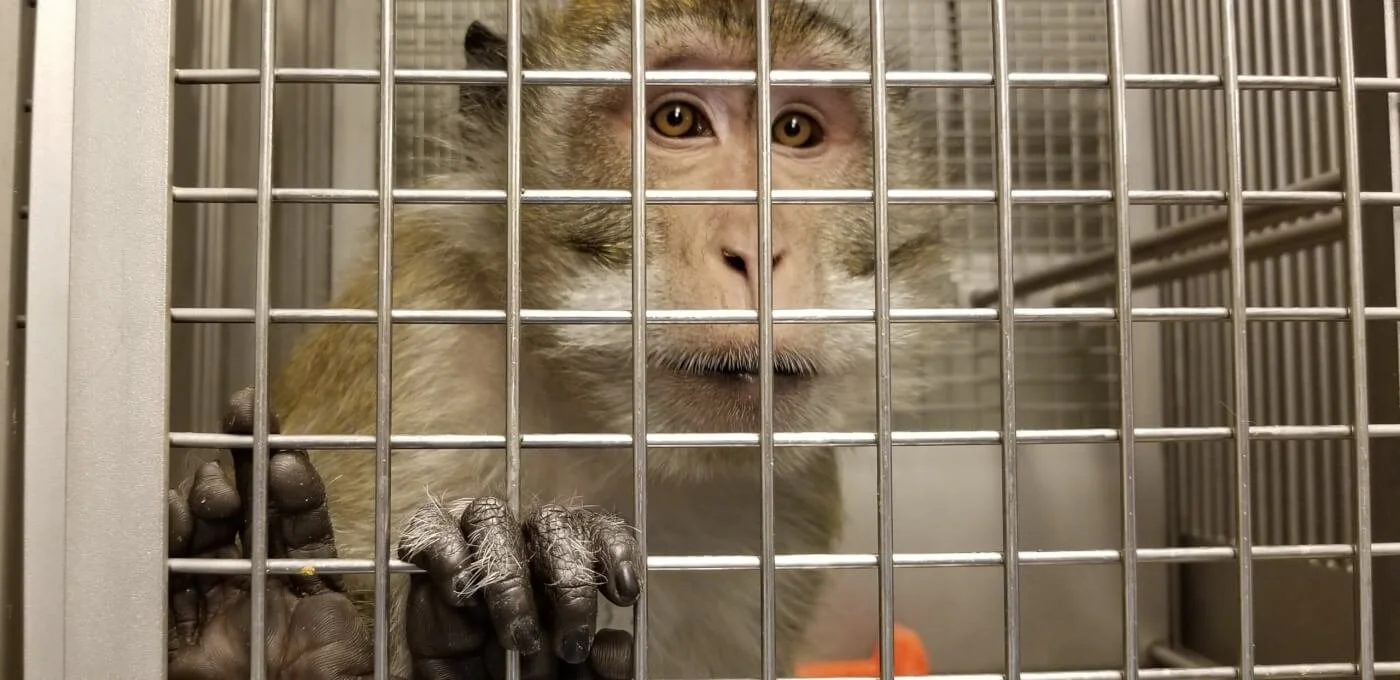
Credit: PETA
The US government has for the second time refused to extend Endangered Species Act protection to long-tailed macaques, despite the species having lost up to 70 percent of its population over the past three decades and being classified as endangered by the world's leading conservation authority.
The US Fish and Wildlife Service (USFWS) rejected a petition filed by PETA, Born Free USA, Macaque Coalition, Primate Action, and others, finding it did not present substantial information warranting further review.
Long-tailed macaques are among the species that are most frequently imported into the US for biomedical research , making up 60 percent of the approximately 30,000 primates who are brought into the country each year for experimentation purposes.
The US biomedical lobby has previously attempted to downgrade the long-tailed macaques’ status on the IUCN Red List - but this failed and the status remained intact, having risen from “vulnerable” to “endangered” in 2022.
Dr. Lisa Jones-Engel, PETA's chief science advisor for primate experimentation, said the decision defied both evidence and common sense. “In 2025, the world’s leading conservation authority, the International Union for Conservation of Nature, assessed long-tailed macaques as Endangered, concluding that their populations had already declined by 50–70 percent over the past three generations and are projected to decline by another 50–70 percent over the next three generations.”
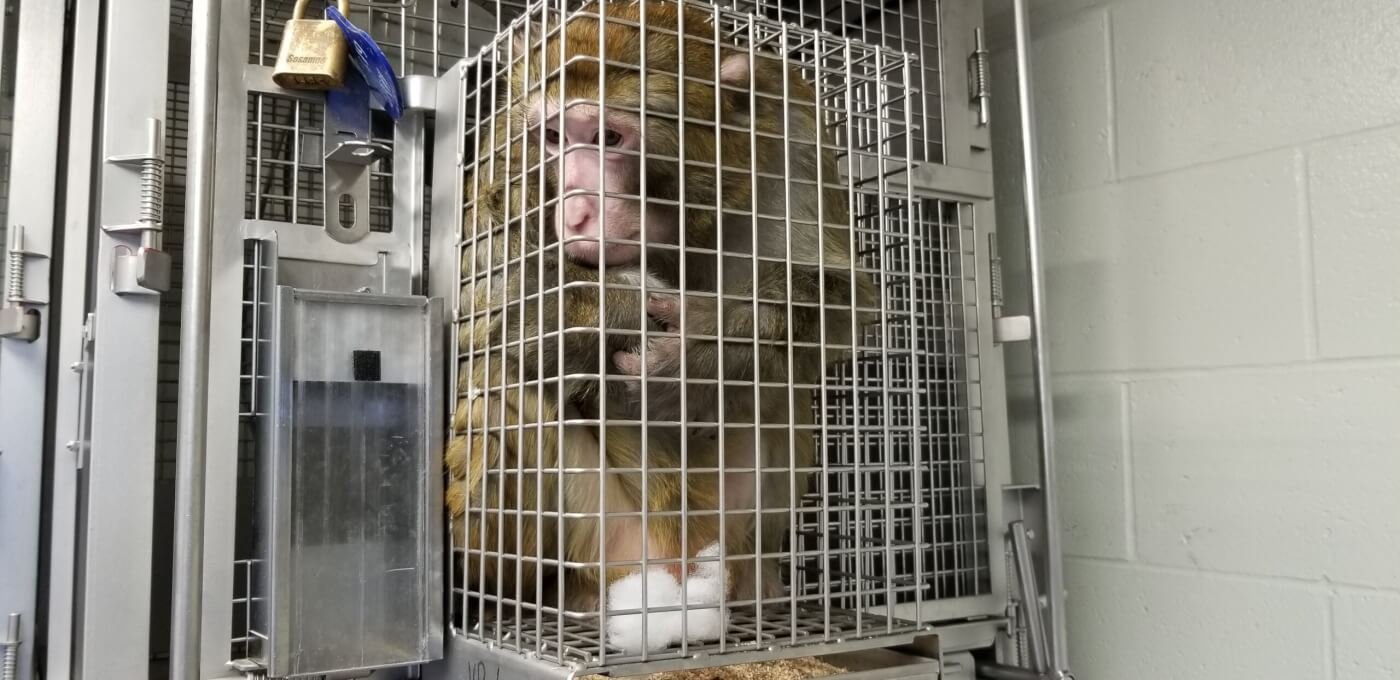
Credit: PETA
The Covid-19 pandemic saw demand for these animals spike in order to develop vaccinations, with China banning monkey exports in early 2020 and causing shortages in countries such as the US.
Poaching is common in the industry - biomedical companies buy monkeys from breeding facilities that in turn obtain them from poachers in what investigators have called "monkey laundering" operations.
Natural habitats are also declining due to large-scale industrialization and rapid-rate deforestation, primarily in Southeast Asia, home to the long-tailed macaque. Capture, including illegal capture, for biomedical experimentation adds additional pressure on already strained population numbers.
IUCN has noted that the species has faced “an inferred 50–70 percent decline over the past three generations (30 years) due to habitat loss and high levels of exploitation,” including rising demand from the biomedical and pharmaceutical experimentation industries. IUCN predicts that the species will continue to decline at a similar rate in the future.
“Every year, tens of thousands of long-tailed macaques are shipped to U.S. laboratories, and the FWS’s own investigations show that illegal capture from the wild is likely helping fill those cages,” said Jones-Engel. “If evidence of a documented population collapse, combined with ongoing exploitation and illegal trafficking, isn’t enough to warrant a closer look, it’s clear that the agency chose not to see what was right in front of it.”
PETA has not yet announced whether it plans to refile the petition or pursue alternative legal avenues.
Watch and share: 30,000 Monkeys in Our Backyard. This Species Unite short documentary exposes the hidden realities of the animal research trade and reveals what happens when corporate power meets small-town America.
Speak out: Please reach out to your representatives and urge them to do the right thing by cosponsoring the FDA Modernization Act 3.0, which would end a federal mandate that experimental drugs must be tested on animals before they are used on humans in clinical trials - a requirement that had been in effect since 1938. Send your letter here - it takes 30 seconds.
We Have A Favor To Ask…
Species Unite amplifies well-researched solutions to some of the most abusive animal industries operating today.
At this crucial moment, with worldwide momentum for change building, it’s vital we share these animal-free solutions with the world - and we need your help.
We’re a nonprofit, and so to keep sharing these solutions, we’re relying on you - with your support, we can continue our essential work in growing a powerful community of animal advocates this year.

Some developers suggest that adopting cultivated meat could also improve animal welfare by significantly reducing the number of farmed animals slaughtered.