
The cultivated venison that could end deer hunting for food
MyriaMeat's new slaughter-free venison could allow food companies to provide deer meat without hunting or harming wild populations.
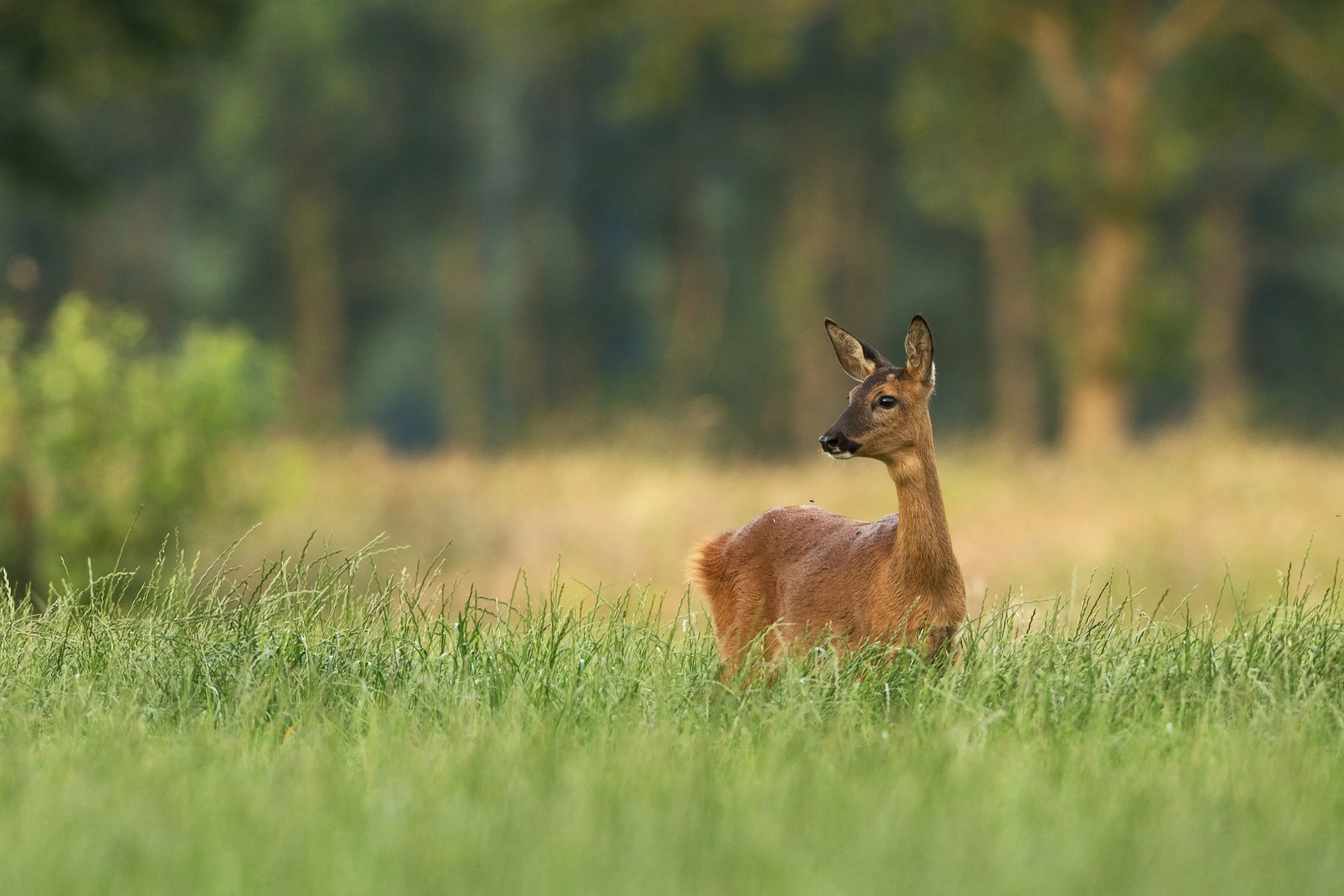
German food-tech company MyriaMeat, which had already created cell-cultured pork and Wagyu beef, is now adding a third offering to its range: venison made using roe deer cells.
This invention is the first successful creation of venison from stem cells - and may pave the way for further innovation in the sector of cultivated meat.
“This milestone shows that our platform technology is not limited to individual animal species but can be transferred to other species,” said Florian Huettner, CEO of MyriaMeat. “Roe deer meat from cell culture is no longer a vision for us – it is a concrete next step in development.”
Cultivated meat is projected to become a key solution in creating a more sustainable and ethical global food system. The process creates ‘real’ meat, but it is cultivated and grown directly from animal cells, rather than a farmed animal. This means that the food industry could theoretically eliminate the need to breed, raise, and slaughter millions of farmed animals around the world each year.
MyriaMeat, founded in 2022 from the University of Göttingen in Germany, uses a technology that harvests animal cells via a (harmless and painless) biopsy to obtain stem cell cultures.
In 2024, the company launched a pork fillet made entirely from pig cells, without any additives or genetic modification. The aim is to offer fully cell-cultivated products, without plant-based additives or scaffolding ingredients, and its technology can be applied to creating cultivated meats from different animal species.
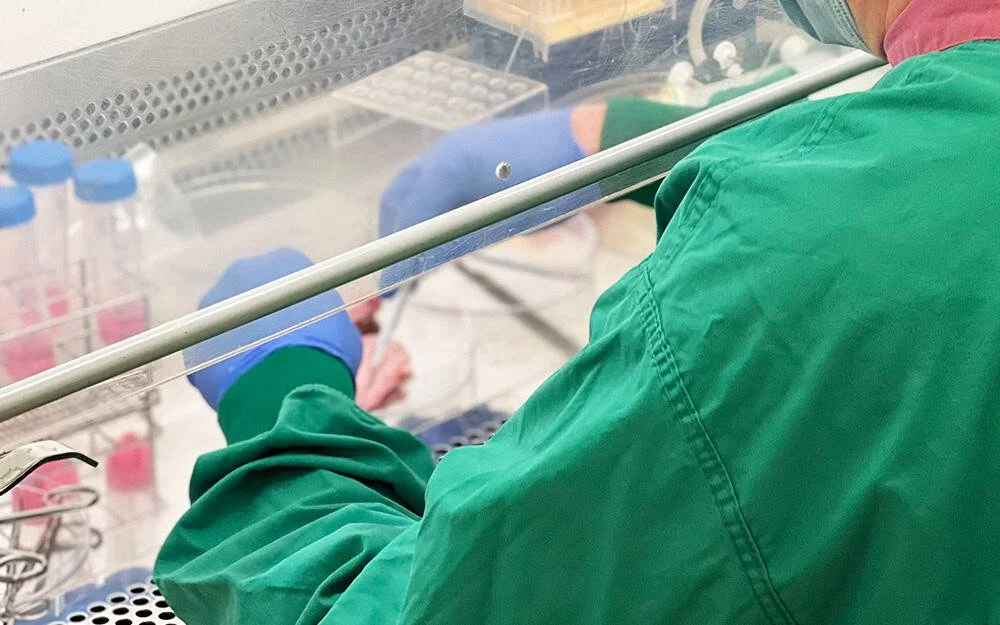
Credit: MyriaMeat
The current stage of the company’s process is focused on making authentic muscle cells for structured meat applications, as well as refining differentiation methods and analyzing new cell lines.
Venison from roe deer is a popular meat across Germany. It is considered a delicacy and a high-value meat, so by venturing into this area, MyriaMeat positions itself as capable of making cultivated versions of not only ‘everyday’ cuts of meat such as pork, but also more premium products.
The innovation could also allow food companies to provide venison without the use of farming and hunting, and without harming wild deer populations.
Deer are not conventionally farmed for meat (despite efforts being made in countries like New Zealand, Scotland, and some parts of the US) - one of the reasons is that as seasonal breeders, deer only reproduce during a specific time of year, making conventional industrial farming difficult.
Deer also require ample space, grow slowly, and would handle confinement worse than other animals.
The US eats the most venison in the world per capita. Germany, where MyriaMeat is from, is also among the largest consumers of roe deer in the world.
Research has shown that nearly half of German citizens would be willing to try cultured meat, and 47 percent of Germans would like to see the government advance the development of the cultured meat sector and support farmers to work with cultivated food products.
The timeline for bringing MyriaMeat’s cultivated venison to a mass-market stage is still not defined.
How does the MyriaMeat scientific process work and how is cultivated meat made? Watch the explainer video here.
We Have A Favor To Ask…
Species Unite amplifies well-researched solutions to some of the most abusive animal industries operating today.
At this crucial moment, with worldwide momentum for change building, it’s vital we share these animal-free solutions with the world - and we need your help.
We’re a nonprofit, and so to keep sharing these solutions, we’re relying on you - with your support, we can continue our essential work in growing a powerful community of animal advocates this year.

Some developers suggest that adopting cultivated meat could also improve animal welfare by significantly reducing the number of farmed animals slaughtered.